Valentine’s Day Treat Box Size Chart
Use a treat box with about 10% headspace: a 4x4x2 inch box suits about 4–6 small candies, a 6x6x2 inch box fits about a mixed dozen, and an 8x8x2 inch box works for share boxes. Too-small boxes crush treats. Too-large boxes let fillers shift and waste packing material. This Valentine’s Day Treat Box Size Chart maps common treat types, fill levels, and use cases so you can pick the right size fast.
What size is a Valentine treat box?


The right size depends on what you are packing and on whether you mean the inside space or the outside footprint. For candy and small favors, the internal dimensions matter most because they control fill volume. External dimensions matter when you are printing a template, cutting paper, or checking whether the box will fit in a gift bag or classroom cubby.
A small box can be enough for a few wrapped candies, a truffle pair, or a slim trinket. If the treats are irregular, tall, or fragile, choose a little more height than the item needs so the lid does not press on top.
Treat box size chart
| Recommended box format | Treat type | Approximate fill capacity | Best use case | Measure internally or externally? |
|---|---|---|---|---|
| 2.5 x 2.5 x 1.5 in | Mini mints, small truffles, single wrapped chocolates | 3–5 pieces | Place cards, quick exchange favors | Internally |
| 3 x 3 x 2 in | Candy hearts, kiss-shaped chocolates, tiny trinkets | 6–10 pieces | Classroom handouts, desk gifts | Internally |
| 4 x 4 x 2 in | Mixed candies, small wrapped sweets | 4–6 small candies or 8–12 loose candies | Single-person gift box | Internally |
| 5 x 5 x 2 in | Truffles, small cookies, candy mix | 8–12 pieces | Couple gift, teacher treat | Internally |
| 6 x 6 x 2 in | Mixed dozen candies, macarons, bite-size cookies | About 12 items | Standard share box | Internally |
| 6 x 8 x 2 in | Cookie stacks, larger candy assortment | 12–16 small treats | Party favor, small family pack | Internally |
| 8 x 8 x 2 in | Share candies, cookies, mixed treats | 18–24 small candies or 6–8 cookies | Sharing box, bulk classroom set | Internally |
| 8 x 10 x 2 in | Gift cards with candy, layered treats | Small assortment plus filler | Mailing, presentation box | Externally for paper layout |
| 4 in long pillow box, 2.5 in wide | Handful of candy hearts or Hershey kisses | Handful-sized fill | Fast DIY favor | Externally for template check |
Say your goal is a classroom favor for twenty kids. A 3 x 3 x 2 inch box keeps paper use modest and still leaves room for a small candy mix. If you pack the same treats into a taller box, the candy spreads out and the closure gets harder to align.
Internal size vs external size
Internal size is the usable space inside the finished box. External size is the full outside measurement, including folded walls, tabs, and any lid overlap. A buyer choosing a finished box should check the internal size first. A crafter printing a pattern should check the template’s cut size and fold allowance first.
That difference matters most with tight-fit items such as gift cards, macarons, and stacked cookies. A gift card may slide into a box with only a little room left, but a cookie needs extra width and height so it does not chip when the box closes.
How many candies fit in each size?
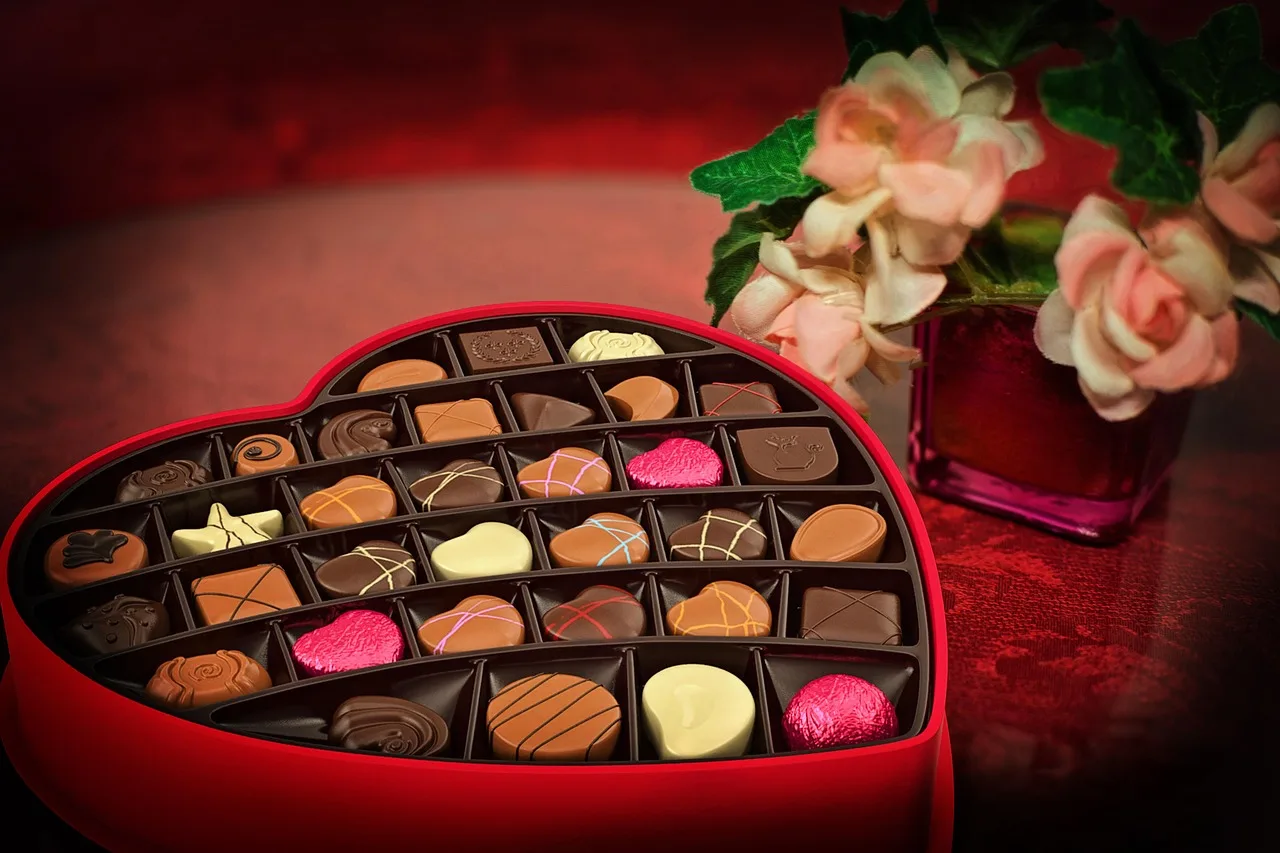
Capacity changes with candy shape, wrapping, and how tightly you pack the box. Loose candy fills corners better than wrapped pieces. Flat candies stack well. Puffy truffles and kiss-shaped chocolates use more height, so they reduce the count even when the box footprint stays the same.
Loose candy versus wrapped candy
Loose candy usually gives a higher count because there is less air between pieces. Wrapped candies need more space, especially if the wrapper has crimped ends or a twisted tail. A small box that holds about 10 loose candy hearts may hold only about 6 wrapped chocolates of the same overall volume.
For count planning, think in ranges instead of exact numbers. A 4 x 4 x 2 inch box can hold about 4–6 bulky small candies or about 8–12 flat loose candies. A 6 x 6 x 2 inch box often holds a mixed dozen when the candies are average size and the arrangement is simple.
Truffles, mints, and heart chocolates
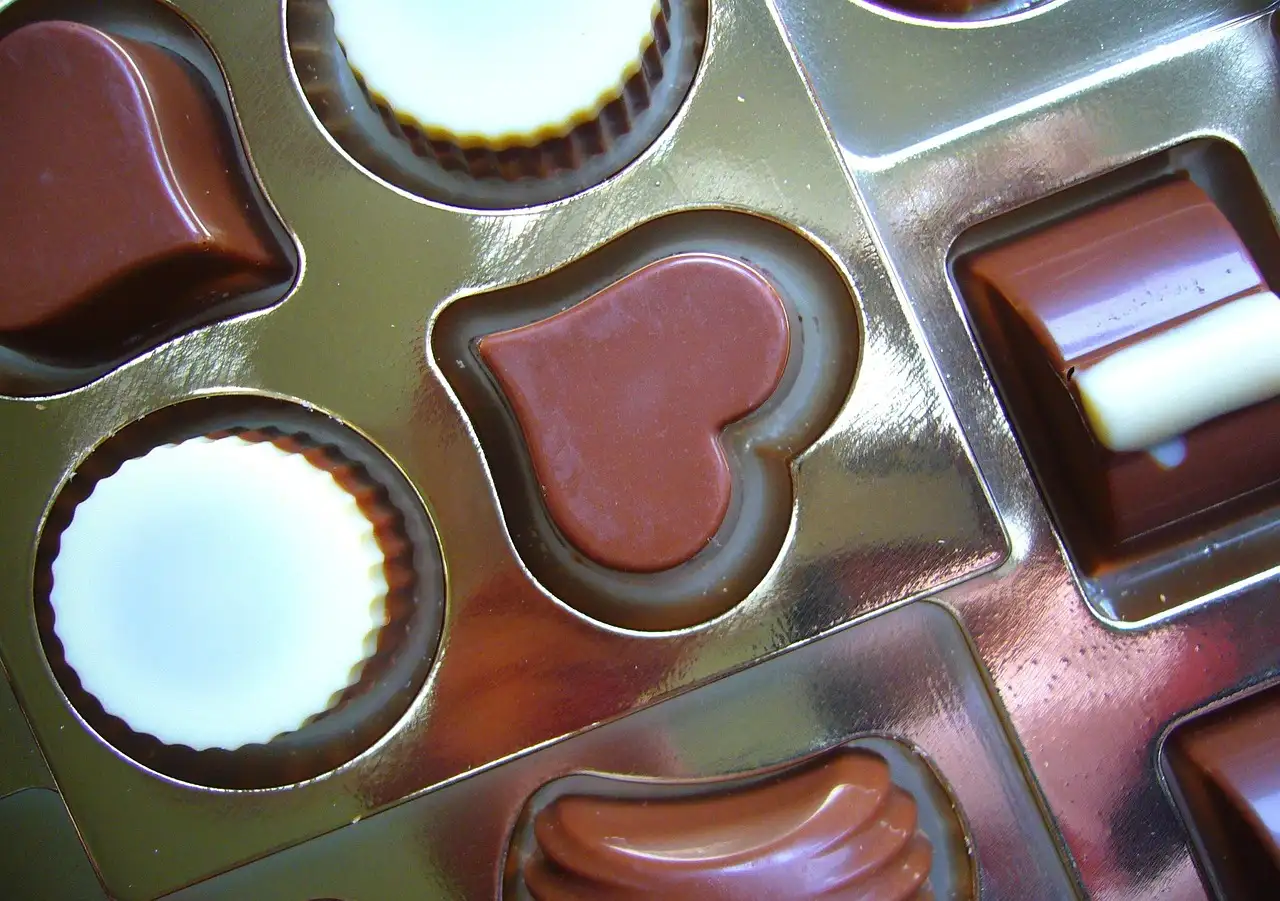
Truffles take up the most space because they are round and often taller than hard candy. Mints sit flatter. Heart-shaped chocolates usually stack more cleanly than truffles, but their pointed edges can catch on liners if the box is too tight. For mixed candy, leave a little slack rather than forcing a perfect fit.
A common mistake is picking a Valentine’s Day treat box without checking the candy dimensions first. Two boxes with the same candy count can need different volumes if one holds flat mints and the other holds domed truffles. The shape of the candy changes the real capacity more than the label on the bag.
Why shape changes capacity
Shape controls how much empty space remains around the treat. Square cookies stack efficiently. Round chocolates leave gaps. Long trinkets or gift cards need length more than height. If the treat is shaped awkwardly, choose the next size up so the closure does not bend or compress the contents.
If you want a cleaner fill, use tissue, crinkle paper, or a food-safe liner only after the treats are already packed in a food-safe bag when needed. Fillers should support the candy, not force the lid upward.
What paper size do you need?
Printable treat boxes are usually made from card stock because it is sturdier than standard paper. Patterned scrapbook paper is commonly used for the outside layer, but it is not food safe for direct contact. For a windowed design, clear craft plastic can cover the opening, and it is typically cut slightly larger than the heart opening before attachment.
Card stock for structure
Card stock is the better base because it holds creases and resists sagging after folding. That matters for lids, tabs, and small walls. If the paper is too light, the corners may flare open after assembly, especially if the box is filled near the top.
Patterned scrapbook paper for the outside
Patterned scrapbook paper is used to decorate the exterior. Common sheet sizes are 8″ x 10″ or 12″ x 12″, which is why many heart-window patterns are designed around those formats. Since it is not considered food safe, wrap anything that will touch the paper directly in a food-safe bag first.
When 8 x 10 and 12 x 12 sheets work best
The 8″ x 10″ size suits smaller boxes and tighter layouts. The 12″ x 12″ size gives more room for larger flaps, wider panels, and cleaner pattern placement. For a heart-window box, the cited pattern uses two 8 by 10 inch patterned paper sheets or two 12 by 12 inch sheets.
How do you make a Valentine treat box?
You can make a Valentine treat box with a cutting machine or by hand. A cutting machine is optional for SVG files. If you do not have one, use a paper trimmer, scissors, and a craft knife. A scoring board helps create crisp fold lines and cleaner edges, which makes assembly easier and more accurate.
Cutting machine or hand-cut method
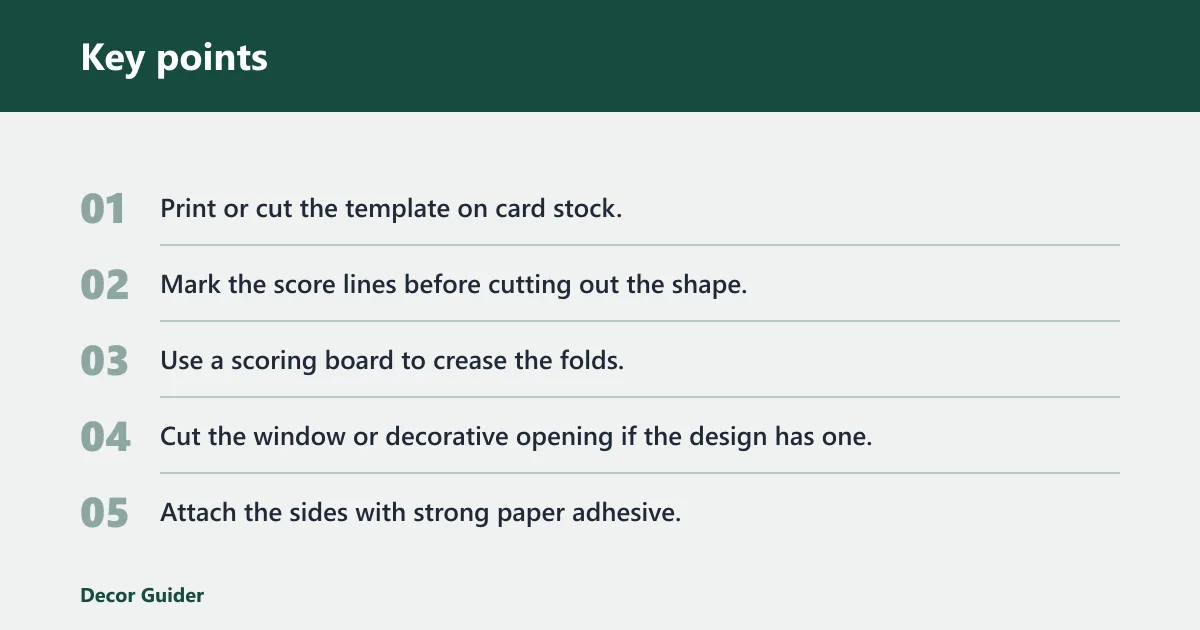
If you are using a free PDF pattern or an SVG cut file, start by printing or transferring the template onto card stock. A cutting machine handles both score lines and cut lines for a neater result. A hand-cut version works too, but keep the blade straight and stop at each corner before turning.
- Print or cut the template on card stock.
- Mark the score lines before cutting out the shape.
- Use a scoring board to crease the folds.
- Cut the window or decorative opening if the design has one.
- Attach the sides with strong paper adhesive.
- Fold the box and press each corner firmly.
- Add the treats, then close and decorate.
Scoring board and fold lines
Score first, fold second. That order keeps the paper from cracking and helps the walls line up. On a heart-window box, the scored folds are especially important because uneven corners can throw off the window placement and make the top look crooked.
Adhesive, tabs, and closure options
Scor-Tape in 1/4-inch width is a strong paper-project adhesive option for treat boxes. It helps hold tabs without a messy seam. Closure choices can include brads, Velcro dots, ribbon, twine, or binder clips. For a threaded closure, punch holes and tie ribbon or twine through them.
For a secure finish, keep the closure simple and matched to the fill level. A box packed near the top may need a flatter closure like Velcro dots or a ribbon tie. A lighter box can use a brad or a small clip without bulging at the seam.
How do you keep treats food safe?
Use a food-safe bag whenever treats may touch paper that is not food safe. That includes patterned scrapbook paper and many decorative exteriors. The safest approach is direct-contact candy inside a clear food-safe barrier, then the barrier goes into the box. Window panels are decorative, not a substitute for a food-safe liner.
Window panels and direct contact
Clear craft plastic is used for the window panel on a heart design. It is cut slightly larger than the heart opening before being attached with glue stick or tape runner. The plastic lets the contents show through, but it does not make the whole box food safe on its own.
Boxes for wrapped treats only
If every treat is wrapped, the paper box can be used more freely because the wrapper becomes the food-contact layer. If the treats are unwrapped chocolates, cookies, or macarons, a food-safe bag or liner should go inside the box first. That rule matters most for gifts that will sit out during a party or classroom exchange.
Suppose a small heart box is made from patterned scrapbook paper and filled with unwrapped mints. The paper may look fine, but the mints touch the non-food-safe surface. Put the mints in a food-safe bag first, and the same box becomes suitable for gifting.
Frequently asked questions
What size is a Valentine’s Day treat box?
A practical small size is around 4 x 4 x 2 inches for a handful of candy, while 6 x 6 x 2 inches works well for a mixed dozen. The best size depends on the candy shape, whether the treats are wrapped, and how much empty space you want left at the top.
How many candies fit in a small Valentine treat box?
Capacity varies by candy type, but a small box often holds 4–6 bulky candies or about 8–12 flatter pieces. Loose candy usually fits more tightly than wrapped candy. Truffles and heart chocolates use more height, so they lower the count even when the box footprint stays the same.
What paper size do I need for a DIY Valentine treat box?
For many printable boxes, card stock is the main structure sheet, and decorative exterior paper often comes in 8″ x 10″ or 12″ x 12″ sizes. A heart-window box may use two of those patterned sheets. Choose the larger sheet size when the design needs wider panels or extra margin.
Can I make a Valentine treat box without a cutting machine?
Yes. Use a printed PDF template, scissors or a craft knife, and a paper trimmer for straight cuts. A scoring board is still useful because it creates crisp fold lines. The finished box may take a little longer by hand, but the assembly steps stay the same.
Are Valentine treat boxes food safe?
Not always. Card stock and patterned scrapbook paper are fine for structure and decoration, but patterned scrapbook paper is not considered food safe for direct contact. If the treats are unwrapped, place them in a food-safe bag or liner before putting them inside the box.
Products related to this article
Sponsored / affiliate links. As an Amazon Associate I earn from qualifying purchases. I may earn additional commission from eligible campaigns.