How Much Does a Valentine’s Day Dessert Board Cost?
Verdict: A Valentine’s Day dessert board is worth buying when you want a fully arranged spread with no prep, but a DIY version is usually the better budget move if you only need a small board for two to six people. The delivered option costs more per serving because you are paying for assembly, chilled shipping, and convenience.
A Valentine’s Day dessert board is often estimated at about $30 to $90 total, or roughly $4 to $10 per serving, while a DIY version may land around $18 to $45 for a small board. Spending climbs fast if you pay for branded sweets, extra fruit, or board assembly you do not need. This guide compares store-bought and DIY costs by serving count so you can pick the best budget for your occasion.
Quick price verdict by budget


If money is tight, build it yourself. If you want a neat gift with no assembly, the delivered board can still make sense, especially for a party or for someone who wants dessert ready to serve right away.
Best buy versus DIY
The smallest delivered board is the hardest to justify on price alone, because the base cost starts at $139 for the Classic size. That can still work for date night or a gift, but it is far above a grocery basket built from cookies, candy, and fruit.
The Medium size fits small groups well. The Large size makes the most sense when you need volume for a party, office treat table, or family gathering and do not want to piece together multiple grocery items.
Dessert board cost breakdown
The board comes in three sizes: Classic, Medium, and Large. The Classic size serves 4-5 people, the Medium serves 5-7, and the Large serves 10-14. That matters because the price looks very different once you divide it by servings.
Classic board price and servings
The product page lists the Classic board at $139 and says it serves 4-5 people. That works out to about $27.80 to $34.75 per serving. For a small Valentine’s dinner, that is a convenience purchase, not a low-cost dessert.
Medium board price and servings
The Medium board is listed at $169 and serves 5-7 people. The price per serving comes to about $24.14 to $33.80. This size fits a small family night or a modest Galentine’s get-together better than the Classic if you want more variety.
Large board price and servings
The Large board is listed at $249 and serves 10-14 people. That brings the per-serving cost down to about $17.79 to $24.90. It is the strongest per-person value of the three if you need dessert for a larger group.
Dessert board cost table
| Board size | Listed price | Serves | Price per serving | DIY replacement estimate |
|---|---|---|---|---|
| Classic | $139 | 4-5 | $27.80-$34.75 | $18-$30 using grocery-store cookies, candy, strawberries, and pretzels |
| Medium | $169 | 5-7 | $24.14-$33.80 | $25-$40 using a larger mixed sweets basket with fruit and one dip |
| Large | $249 | 10-14 | $17.79-$24.90 | $40-$65 using two to three bakery items, several packaged sweets, and fruit |
What goes on a dessert board?
A dessert charcuterie board uses small portions of multiple sweets, so the mix matters as much as the quantity. The board should combine color, shape, and texture: cookies, candy, chocolate, pretzels, marshmallows, fruit, and baked goods all help the spread feel full.
Cookies and chocolate
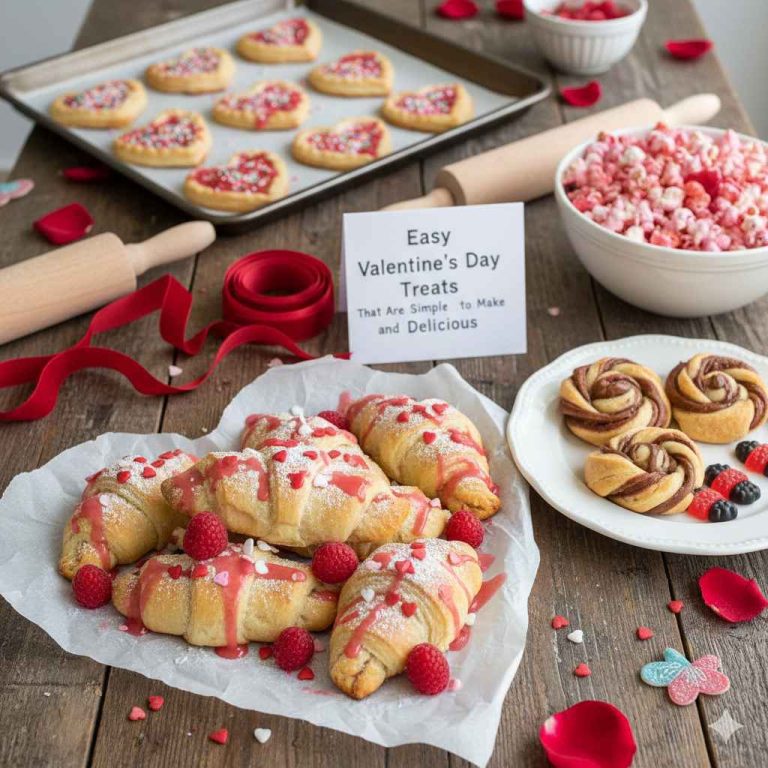
Heart-shaped cookies are an easy Valentine’s filler because they read as festive immediately. You can make them with cookie cutters or buy them ready-made. Chocolate pieces help tie the board together, especially if you use milk, white, or pink-tinted chocolate for a holiday look.
Candy and fruit
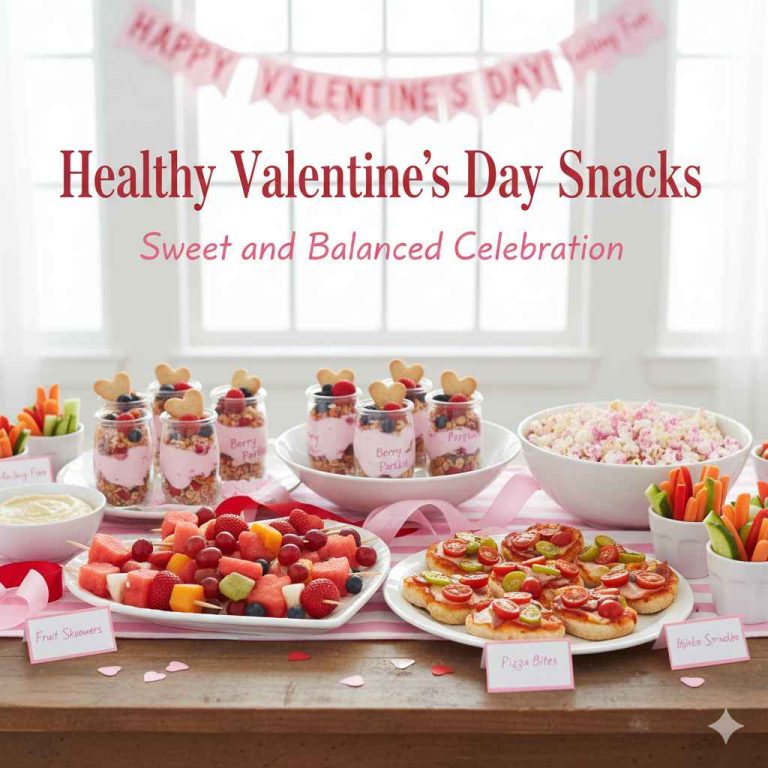
Valentine’s Day candy adds color and volume fast. Conversation hearts, cinnamon hearts, gummies, Hershey’s Kisses, truffles, and chocolate hearts all work well. Fresh red and pink fruit, such as strawberries, raspberries, cherries, and pomegranate seeds, breaks up the sweetness and gives the board a lighter edge.
Pretzels, marshmallows, and dips
Chocolate-covered pretzels are a reliable board item because they bring crunch and contrast. They can be dipped in pink, red, white, or milk chocolate and finished with holiday sprinkles. Marshmallows and small bowls of whipped cream, Nutella, jam, frosting, brownie batter dip, or red velvet dip can make the board look larger without adding many ingredients.
What should you buy for DIY?
The cheapest DIY board starts with pantry overlap. Use what you already have, then buy only the gap fillers that add color and shape. A store-bought candy bag plus one bakery item often gives you more visual variety than buying several themed products.
Lowest-cost grocery basket
For the lowest-cost version, buy one cookie package, one bag of candy, a container of strawberries, and a bag of pretzels. That basket can usually support a small board for date night or two friends, especially if you already have a dip at home.
Mid-range grocery basket
A mid-range basket can include heart-shaped cookies, chocolate-covered pretzels, chocolate hearts, gummies, and raspberries. Add one jar of Nutella or a whipped cream dip. This is the easiest way to mimic a fuller delivered board without paying for specialty assembly.
Smart swaps for color and volume
Use pink or red candies to mimic the look of a holiday board without buying premium items. If fresh berries are expensive, use a smaller amount of fruit and fill the rest with marshmallows, pretzels, and cookies. Small bowls or ramekins can also hold dips and make the board feel more abundant.
Who is each size for?
The right size comes down to who is eating and how much effort you want to spend. A small board works for two people, but it becomes expensive next to a grocery basket. Larger boards earn their keep when the group size rises.
Couples and date night
The Classic size fits couples best if the priority is presentation and convenience rather than value. It gives enough dessert for a shared night in, and the fully arranged format saves time. A DIY version makes more sense if you only want a few sweets after dinner.
Family movie night
The Medium size works well for family movie night because it gives more serving flexibility without jumping to the largest price. If children will snack throughout the evening, the extra variety helps. A homemade version can still be the better deal if the family already has fruit or cookies on hand.
Office gifting and small gatherings
The Large board is the strongest option for office gifting or a small gathering because it spreads the cost across more people. The lower per-serving price makes the delivered version easier to justify when several guests will share it and presentation matters.
Galentine’s parties
For Galentine’s-style gatherings, the right choice depends on whether the board is one dessert among several or the main sweet spread. If it is the centerpiece, the Large board fits. If it is only one item on the table, two smaller DIY boards may cost less and give you more control over the mix.
How to make it look full
A board looks fuller when you mix shapes and heights instead of spreading everything flat. Put larger items first, then fill the spaces with smaller sweets. The goal is visual density, not a perfect pattern.
Use different shapes and heights
Place heart-shaped cookies, chocolate pieces, and fruit in separate clusters so the eye sees movement across the board. Stack a few cookies, lean pretzels against them, and set dips in small bowls to lift parts of the display.
Fill gaps with small sweets
Conversation hearts, gummies, mini Hershey’s Kisses, marshmallows, and pomegranate seeds are useful because they fill gaps quickly. These smaller items also help a board built on a cutting board or cookie sheet look intentional instead of sparse.
Use backup dishes when the board is small
If your board is too small for the amount of dessert you bought, move one or two items into small plates or bowls nearby. A serving dish, platter, or even a cookie sheet can work, and the backup pieces keep the spread from looking crowded.
Say your guest list is four people and you want a low-stress dessert after dinner. A DIY board on a small platter with strawberries, pretzels, heart cookies, and one chocolate dip can stay under the cost of the delivered Classic size by a wide margin.
Suppose you are setting up for ten coworkers and want the table to look generous. In that case, the Large board may be easier than buying and arranging enough separate grocery items, especially if presentation matters more than strict budget control.
Pros and cons
Pros
- Arrives fully assembled and ready to serve.
- The Large board offers the best price per serving of the three sizes.
- Free 2-day shipping nationwide is included.
- You can schedule it for a future date at checkout.
Cons
- The Classic and Medium sizes are expensive per serving compared with grocery-store ingredients.
- Cost rises quickly if you are buying for only two to four people.
- DIY boards can match the look for less if you already have pantry items.
- Exact value depends on the assortment, size, and any add-ons you choose.
Who it’s for
This suits shoppers who want a ready-to-serve dessert board for a Valentine’s gift, date night, family movie night, office treat, or small gathering. It is less useful for budget-first shoppers, anyone happy to assemble a board from grocery-store sweets, or readers who only need dessert for one or two people.
Frequently asked questions
How much does a Valentine’s Day dessert board cost to make?
A DIY Valentine’s Day dessert board often costs about $18 to $45 for a small spread, depending on how many branded sweets, berries, and dips are included. If you already have cookies, candy, or a spreadable dip at home, the total can stay lower.
What ingredients do I need for a Valentine’s Day dessert board?
Start with cookies, candy, chocolate, pretzels, fruit, and one or two baked goods. Heart-shaped cookies, chocolate-covered pretzels, strawberries, raspberries, conversation hearts, and marshmallows are easy choices. Add one dip if you want more variety without many extra items.
What’s the cheapest way to make a dessert board for Valentine’s Day?
The cheapest version uses supermarket sweets and whatever is already in your pantry. Buy one cookie pack, one candy bag, a small fruit container, and pretzels. Skip specialty packaging and use a cookie sheet, platter, or shallow dish you already own.
How many treats should go on a Valentine’s Day dessert board?
There is no fixed count, but a good target is enough variety to give each person several choices. For a small board, include about five to seven different items. Use small portions, then repeat the best sellers so the board looks complete.
Can I make a Valentine’s dessert board with store-bought sweets?
Yes. Store-bought sweets are one of the easiest ways to build the board because they already provide color and texture. Conversation hearts, chocolate hearts, gummies, cookies, and chocolate-covered pretzels all work well, especially when you add fresh fruit for contrast.
Can I make a dessert board on a cookie sheet or platter instead of a board?
Yes. A cookie sheet, large platter, serving dish, or even small plates and bowls can stand in for a board. That swap is especially useful when you want a Valentine’s look without buying a separate serving piece. Just keep the layout tight so the surface does not look empty.
What types of sweets work best on a Valentine’s dessert board?
The best sweets give you different shapes and textures. Mix cookies, candy, chocolate, pretzels, marshmallows, fruit, and baked goods. Heart-shaped cookies, pink or red chocolate-covered pretzels, and strawberries are especially useful because they read as festive right away.
How do I arrange a Valentine’s Day dessert board so it looks full?
Put the largest items down first, then fill around them with smaller candies and fruit. Use clusters instead of straight lines. If the board still looks sparse, add a dip in a small bowl or move one item to a backup dish beside the board.
Products related to this article
Sponsored / affiliate links. As an Amazon Associate I earn from qualifying purchases. I may earn additional commission from eligible campaigns.