Best Valentine’s Day Dessert Recipes for Two: 12 Ideas
For two people, the right Valentine’s Day dessert matches your clock and your tools: no-bake mousse or strawberries if you have about 15 minutes, a skillet cookie if you can spare around 20 minutes for baking, or a chilled tart if you can plan ahead. Pick wrong and you end up with leftovers, stress, or a dessert that feels disconnected from dinner. This guide sorts two-serving Valentine’s desserts by time, skill, equipment, and whether they should be baked, chilled, or assembled fast.
This guide is part of our Valentine’s Day recipe ideas series.
What to make for Valentine’s Day dessert for two
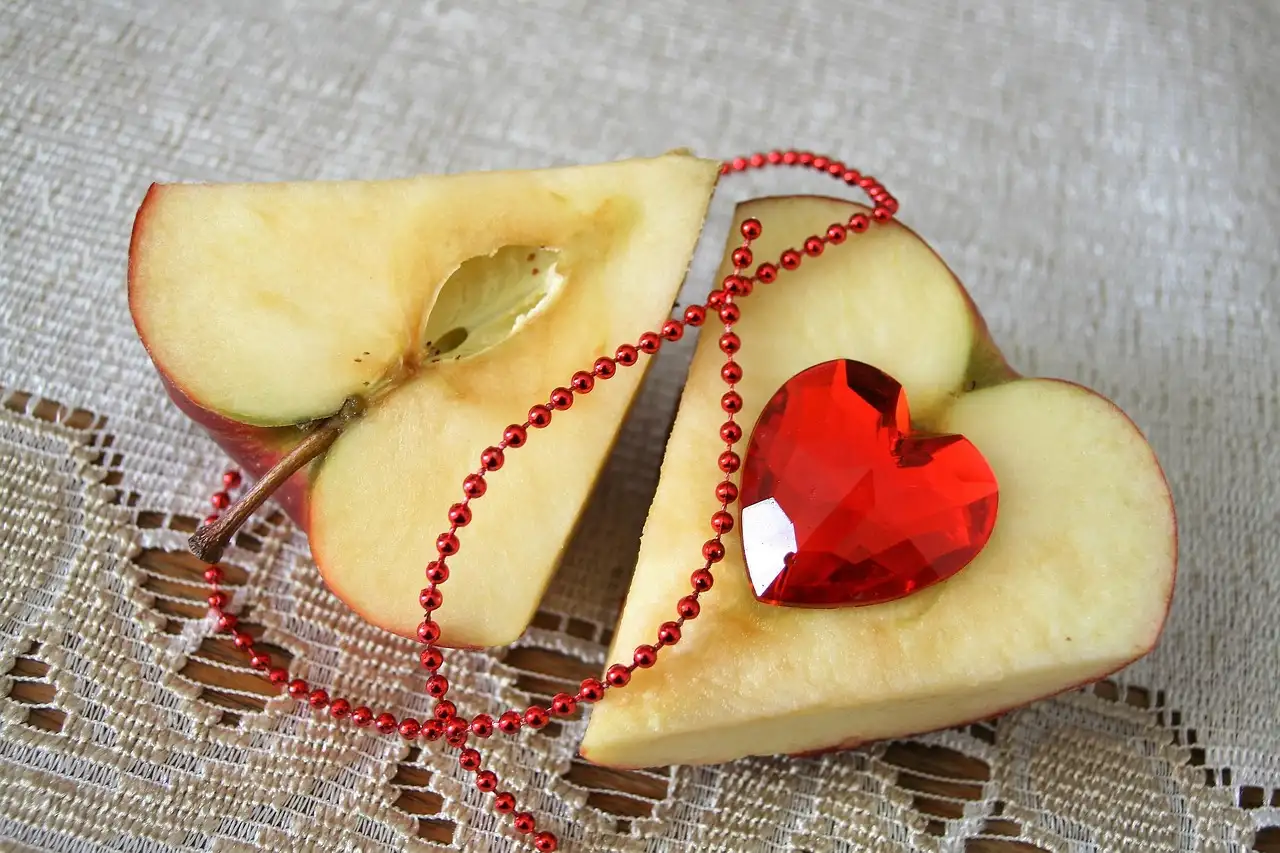

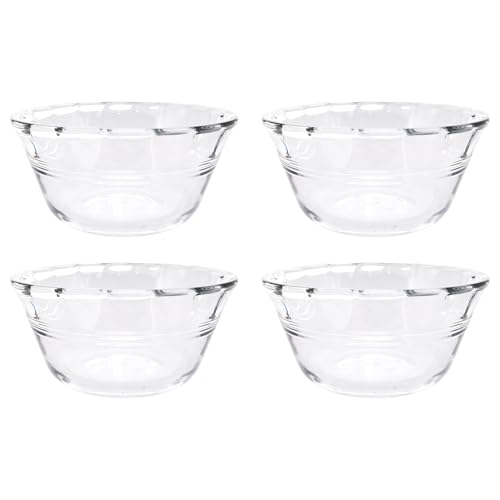
The dessert that fits the end of your meal is the one to make, not the prettiest one in a photo. If you want something cold and low-effort, choose a no-bake option. If you want warmth on the plate, use a small skillet or ramekins. If you are timing dessert around dinner, choose a recipe with a clear make-ahead window.
How to match dessert style to your time, skill, and tools
No-bake desserts fit a busy kitchen and limited equipment. Baked desserts give more texture and a warm finish, but small portions can overbake fast, much quicker than full-size versions. Make-ahead desserts work best when you want dessert to wait for you, not the other way around.
When a no-bake dessert beats a baked one
No-bake wins when the menu already includes a long entrée or the oven is tied up. It also helps if you need short active time, since many no-bake desserts mainly involve stirring, layering, and chilling. The tradeoff is the wait for chill or set time, which can range from about 30 minutes to several hours.
Which desserts work best for a warm finish after dinner
Small skillet cookies, ramekin brownies, and baked fruit crisps are the strongest warm-end choices. They move from oven to table with a spoon or two forks, and they feel complete without extra decoration. Warm desserts also pair well with ice cream or lightly whipped cream, which cools the plate without much extra work.
Two-serving dessert decision table for date night
| Recipe type | Active time | Total time | Required equipment | Make-ahead window | Best-use case |
|---|---|---|---|---|---|
| Chocolate mousse or parfait | 10 to 20 minutes | 1 to 4 hours including chill time | Mixing bowl, whisk, 2 dessert glasses or cups | Up to 1 day ahead | Fast dessert with no oven use |
| No-bake cheesecake cups | 15 to 25 minutes | 2 to 6 hours including chill time | Bowls, spoon, 2 to 4 small cups | Overnight | Make ahead for a clean finish after dinner |
| Skillet cookie or brownie | 15 to 20 minutes | 25 to 35 minutes | 6- to 8-inch skillet, oven | Best baked fresh | Warm dessert shared from the pan |
| Ramekin cake or crumble | 15 to 25 minutes | 25 to 45 minutes | Two 6-ounce ramekins, baking sheet | Can be mixed ahead and baked later the same day | Individual portions with less leftover risk |
| Berry tart or chilled fruit cup | 20 to 30 minutes | 1 to 4 hours | Tart pan or bowls, knife, spoon | Up to 1 day ahead if crust stays crisp enough | Fresh, balanced finish after a heavy meal |
What are the best no-bake Valentine’s Day desserts for two?
The strongest no-bake desserts for two are chocolate mousse, cheesecake cups, and layered cookie-crumb parfaits. They rely on cream, chocolate, cookies, or cream cheese, so the ingredient list stays short and cleanup stays light. The main timing issue is chill time, since flavor and texture improve as the dessert sets.
Chocolate mousse and parfaits
Chocolate mousse works well when the dessert should feel polished without turning on the oven. A basic version uses melted chocolate, whipped cream, or whipped egg yolks in some formulas, then chills until spoonable. Parfaits are even simpler: layer chocolate cream, crushed cookies, and berries in two glasses for a dessert that looks composed with little effort.
No-bake cheesecake cups
No-bake cheesecake cups suit couples who want a creamy dessert with a firm, spoonable set. The base often uses cream cheese, sugar, vanilla, and whipped cream over cookie crumbs. Plan for several hours of chill time, and use small cups so the filling sets evenly instead of staying loose in the center.
Cookie-crumb and cream desserts
Cookie-crumb desserts are the least fussy option. Crushed chocolate cookies, whipped cream, mascarpone, or pudding can be layered into two glasses and chilled until the crumbs soften slightly. They are useful when the pantry is thin, but they do best with a strong flavor contrast such as berries, citrus, or extra chocolate.
Chill time and set time to plan around
Many no-bake desserts need at least about 30 minutes of chill time, and some may need a few hours for a clean set. If the recipe uses gelatin, cream cheese, or melted chocolate, the structure gets firmer as it chills. For date night, make these ahead and keep the garnish for the last minute.
Chocolate desserts that work well for two
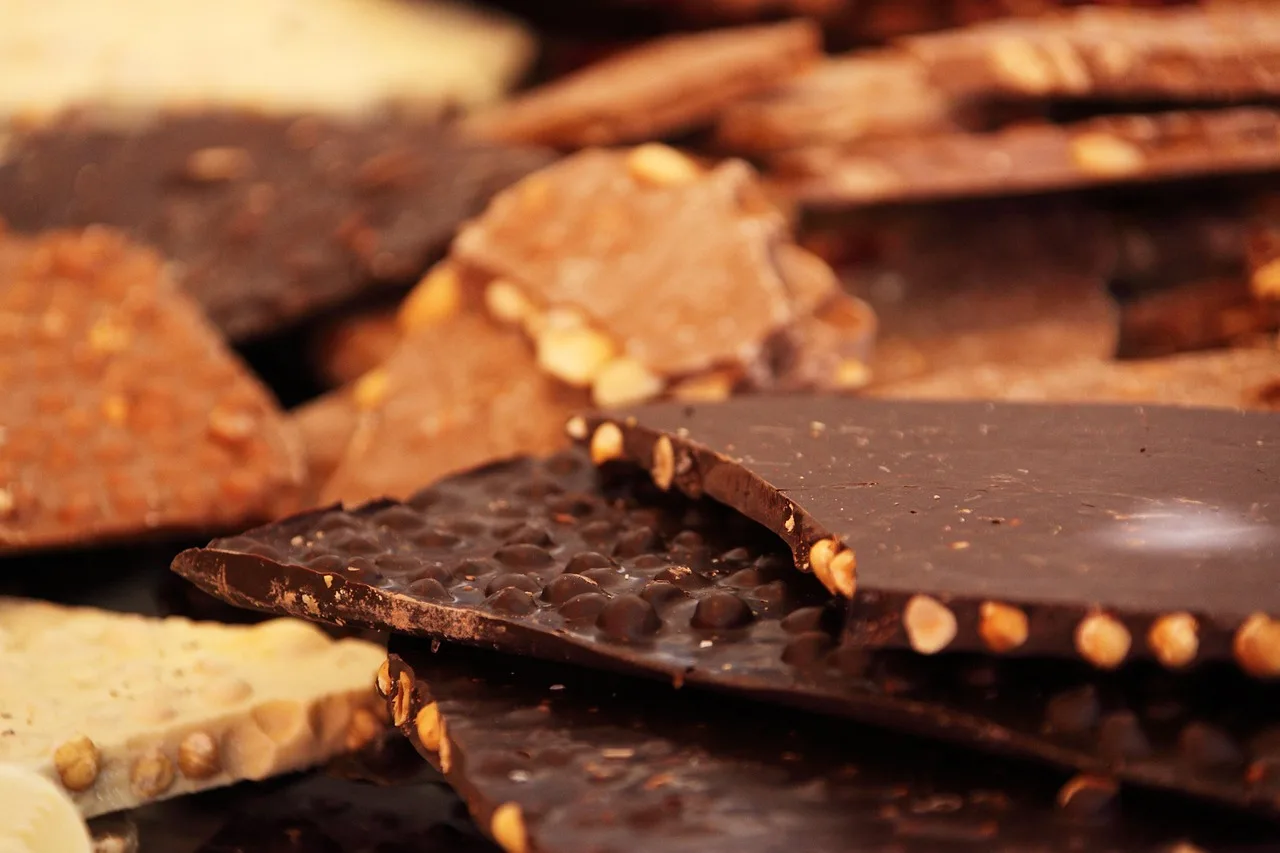
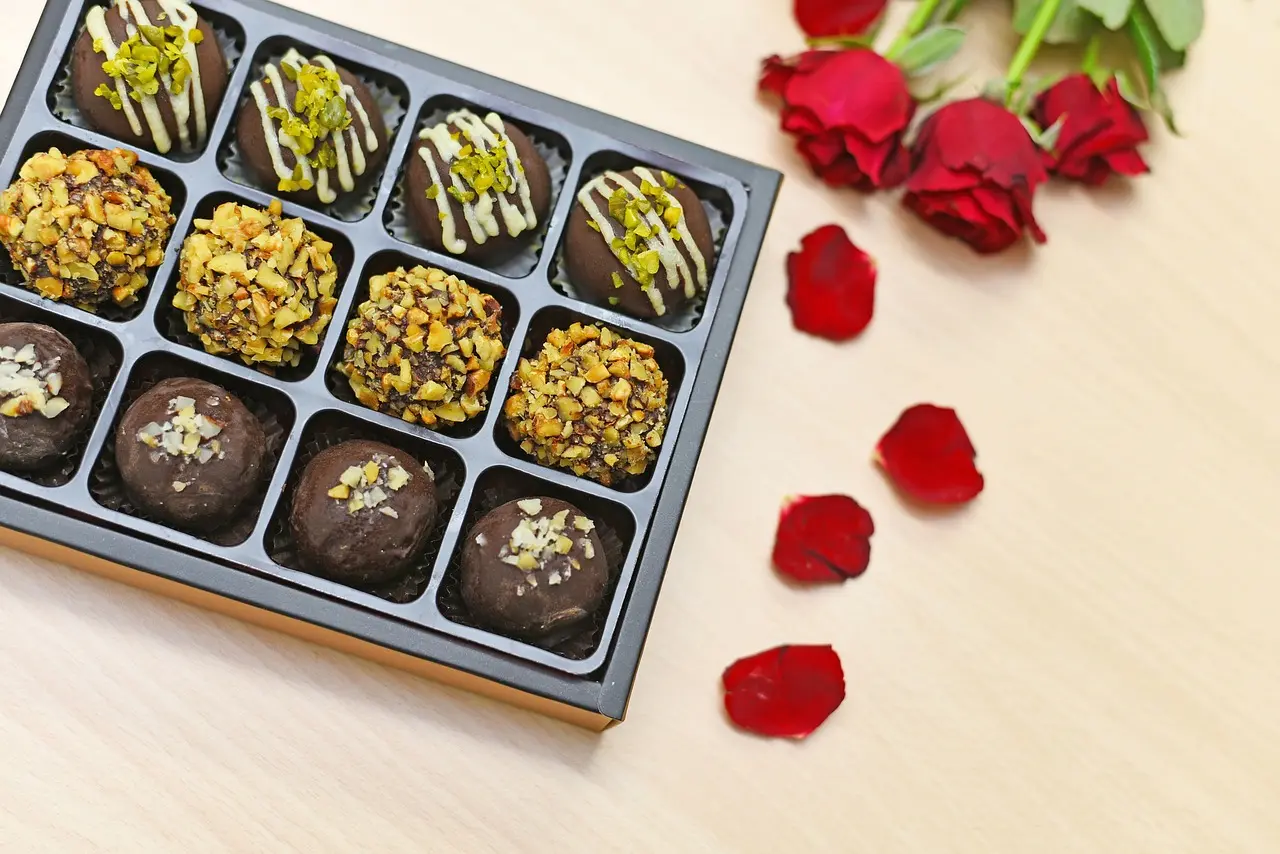
Chocolate works best when the form matches the texture. Dark chocolate gives more bitterness and pairs well with berries, milk chocolate feels softer and sweeter, and white chocolate adds creaminess but can taste flat without acid from fruit. For small batches, the challenge is heat control, because chocolate can seize or scorch quickly.
Dark, milk, and white chocolate choices
Dark chocolate works best in mousse, ganache cups, and molten desserts because its flavor stays clear after cream or sugar is added. Milk chocolate suits truffles, puddings, and layered cups where sweetness is welcome. White chocolate needs care; it melts quickly and can turn grainy if overheated, so low heat and short stirring bursts matter.
Melting, tempering, and texture control
For dessert fillings, melting is usually enough. Tempering matters when the recipe includes dipped fruit, chocolate shards, or a shell that should set crisp. Small quantities can overheat in a bowl over steam, so remove the bowl before every last lump disappears. That keeps the texture smooth and avoids a waxy finish.
Chocolate with berries for color and balance
Berries cut the heaviness of chocolate and give the plate sharper flavor. Strawberries are the most familiar pairing, while raspberries bring more acid and a slightly firmer fruit bite. If the chocolate is very sweet, use berries with a little lemon juice or a pinch of salt in the sauce to keep the dessert from tasting heavy.
When to use a skillet, ramekin, or small pan
Use a 6- to 8-inch skillet for cookies, brownies, and fruit crisps that should arrive warm. Use two 6-ounce ramekins for lava cakes, custards, and individual cobblers, especially when you want exact portions. A small loaf pan can work for bars or chilled layers, but it usually needs a clean cut and some leftover risk remains.
Berry desserts that feel right for date night
Berry desserts work because they bring acidity, color, and freshness to a meal that may already include rich main dishes. Strawberries are the mildest option, raspberries give a brighter edge, and mixed berries create a more layered flavor. The key is matching the fruit to the amount of sugar and cream in the dessert.
Fresh fruit versus frozen fruit
Fresh berries hold shape better for topping, slicing, or serving on the side. Frozen berries work well in sauces, compotes, and baked fillings because they release juice and soften quickly. If using frozen fruit, cook off some liquid first or the dessert can become watery, especially in small pans where moisture has nowhere to spread.
How acid, sugar, and cream play together
Berry desserts need balance. Too much sugar dulls the fruit, while too much cream can mute the sharp edge that makes berries taste fresh. A little lemon juice or a spoonful of tart berry sauce helps. In small batches, that balance matters more because every bite carries the same ratio of fruit to cream.
Small-batch tarts, crisps, and compotes
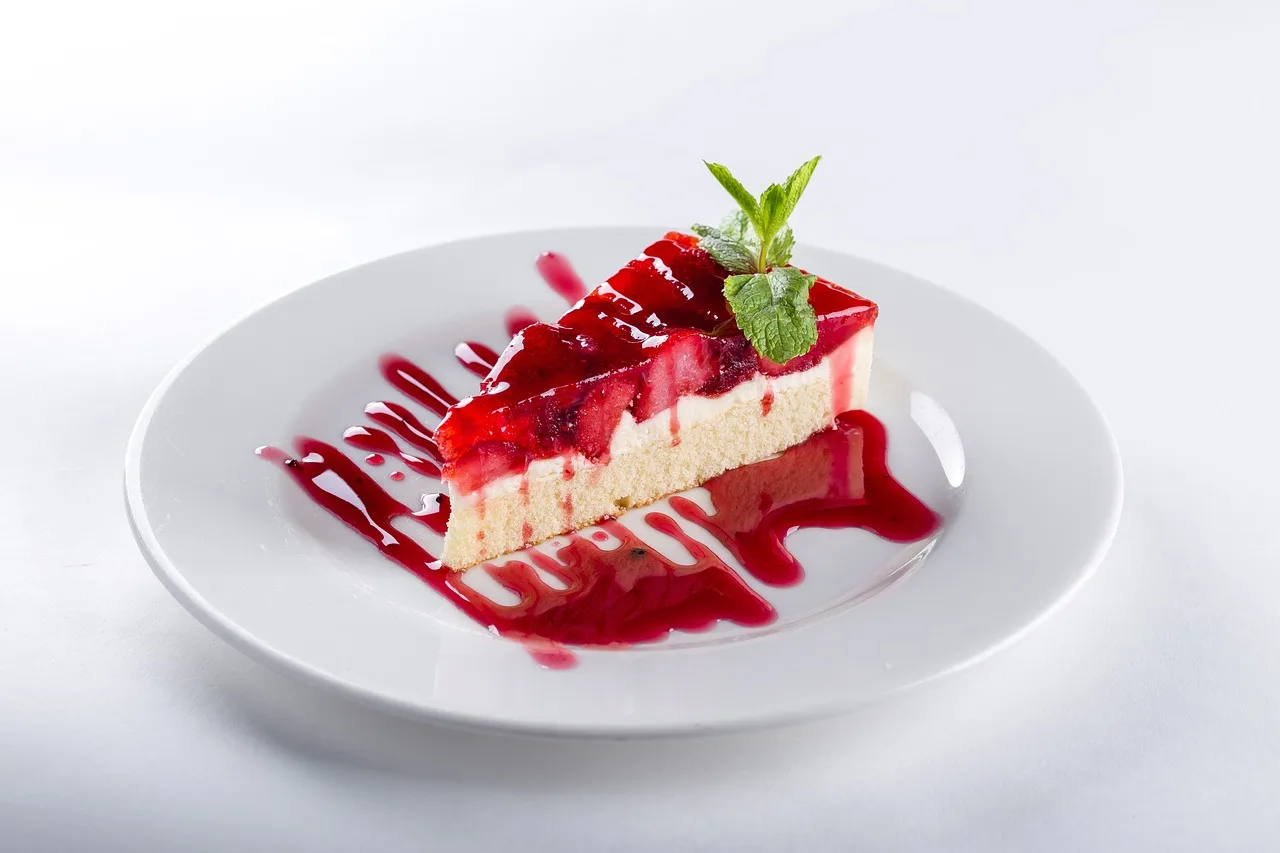
Small tarts work best when the crust can stay crisp and the filling is not overly wet. Crisps are more forgiving because the topping absorbs some juice as it bakes. Compote is the easiest path: simmer berries with a small amount of sugar until glossy, then spoon over yogurt, cake, or whipped cream in two bowls.
How do you scale a dessert recipe down to two servings?
Halving works best for batters, sauces, and fillings that mix evenly. It is less reliable for cakes, custards, and meringues, where pan depth, egg ratios, and heat exposure change the result. For two servings, scaling down is as much about changing the pan and timing as it is about dividing the ingredients.
When halving works cleanly
Simple cookie dough, brownie batter, ganache, mousse, and fruit compote usually halve without trouble. Stirred desserts are forgiving because the structure depends more on proportions than oven rise. If the recipe uses one egg, whisk the egg and use half by volume, or choose a recipe written for two so the ratio stays stable.
When you need pan-size changes too
A full cake pan cut in half does not become a two-person dessert automatically. Smaller pans change depth, which changes bake time and surface color. A 6-ounce ramekin or 6- to 8-inch skillet gives heat a different path, so the middle sets faster and the edges can brown sooner.
Common failure points in small batches
Overbaking is the most common mistake, because small desserts finish fast and carryover heat keeps working after the pan comes out. Custards and cheesecakes can curdle if baked too hot. No-bake desserts can stay soft if they do not chill long enough, and that is especially true when the filling is heavy with cream.
Simple math for slices, squares, and spoon desserts
For two people, think in portions, not pan fractions. Two slices from a loaf-style dessert, two squares from a small blondie pan, or two half-cup portions of mousse are easier to plan than a vague “small batch.” If the recipe makes four, it is often better to freeze half than force the timing and texture.
- Choose the dessert by timing first: no-bake for the shortest window, skillet or ramekin for warm dessert, make-ahead for low stress.
- Check the pan size before you start. Two 6-ounce ramekins or one 6- to 8-inch skillet usually fit a dessert for two better than a full-size pan.
- Reduce ingredients only when the recipe scales cleanly. If it depends on eggs, leavening, or custard texture, use a two-serving recipe instead of guessing.
- Plan the chill or bake time backward from dinner. Dessert should be ready when the meal ends, not still setting on the counter.
- Use berries, cream, or chocolate at the end, not all three at once. The dessert needs one clear flavor lead.
Frequently asked questions
What are the best Valentine’s Day dessert recipes for two?
The best recipes for two are the ones that fit your schedule and equipment: chocolate mousse, no-bake cheesecake cups, skillet cookies, ramekin cakes, and berry parfaits. Each gives two true portions with little leftover risk. Pick based on whether you want chilled, baked, or warm dessert at the end of dinner.
What dessert can I make for two people on Valentine’s Day?
A good two-person dessert can be as simple as chocolate-dipped strawberries, mousse in two glasses, or a small skillet cookie served warm. The right choice depends on whether you want assembly only, a short bake, or a make-ahead dessert. Aim for recipes written for two, not full recipes cut in half.
What is an easy romantic dessert for two with few ingredients?
Chocolate-dipped strawberries, berry parfaits, and whipped cream with crushed cookies are the easiest low-ingredient choices. They rely on texture and contrast rather than a long ingredient list. If you want a warmer option, a two-ramekin berry cobbler can also stay simple while feeling more substantial.
How do I make a small-batch dessert without leftovers?
Use a recipe written for two, or choose one that scales neatly by halves. Then match the pan to the portion size: two 6-ounce ramekins, two dessert glasses, or one 6- to 8-inch skillet. That keeps the texture and serving size aligned, which is better than trimming a large batch after baking.
What chocolate dessert is best for a date night at home?
A warm skillet cookie or chocolate mousse are the strongest date-night chocolate desserts. The skillet cookie brings a fresh-from-the-oven finish, while mousse can wait in the fridge until you are ready. If you want balance, add raspberries or strawberries so the chocolate stays lively instead of heavy.
Products related to this article
Sponsored / affiliate links. As an Amazon Associate I earn from qualifying purchases. I may earn additional commission from eligible campaigns.