Valentine’s Day Baking Ingredient Chart
A Valentine’s Day baking ingredient chart helps you pick the right flour, fat, sugar, eggs, and flavorings by showing what each ingredient does, what happens when you swap it, and which dessert type fits best. If you miss those roles, cakes can turn dense, cookies greasy, or buttercream split right before serving. This guide maps common baking ingredients to their role, possible failure mode, and a suitable Valentine’s dessert so you can swap with confidence.
Valentine’s baking ingredient chart


Use this chart before you mix anything. It centers on ingredients that control color, flavor, structure, and consistency, which matter more than decoration once the oven heat starts working. Baking science guidance from sources such as King Arthur Baking, USDA-based ingredient references, and manufacturer notes on food coloring all point to the same theme: moisture, protein, and fat balance drive the final result.
| Ingredient | Function | Best use | Avoid if | Swap notes |
|---|---|---|---|---|
| Liquid food coloring | Adds color with water-based liquid | Thin icing, light frosting, small color adjustments | You need strong red without extra moisture | Use a few drops at a time; too much can loosen batter or frosting. Failure mode: too much liquid color = loose frosting or slack batter. |
| Gel food coloring | Gives concentrated color with little added liquid | Buttercream, royal icing, cookie dough, bright pink and red shades | You only want a pale tint and no extra mixing | Start with a tiny amount; it is thicker and stronger than liquid coloring. Failure mode: over-coloring can stain the mix or create uneven streaking if not blended fully. |
| Powder food coloring | Adds color without adding moisture | Macarons, dry mixes, dough that must stay firm | Your recipe already depends on a very small liquid balance | Whisk into dry ingredients or dissolve as directed by the recipe. Failure mode: too much powder can leave speckling or a dusty texture if not dispersed well. |
| Cake flour | Lower protein structure for a tender crumb | Cupcakes, layer cakes, soft Valentine’s cakes | You need strong cookie edges or high spread control | Use when tenderness matters more than chew or firmness. Failure mode: too little structure can make cookies or sturdy bars fragile and prone to breakage. |
| All-purpose flour | Balanced structure for many bakes | Cookies, bars, general-purpose cakes | You need the softest possible crumb or a very delicate cake | More protein than cake flour, so it holds shape better. Failure mode: too much flour can make cakes dry and tight; too little can cause excess spread. |
| Granulated sugar | Adds sweetness, spread, and crispness | Cookies, bars, cakes with defined edges | You want a soft frosting or a moist, chewy crumb only | Higher sugar can increase spread and browning. Failure mode: excess sugar = excess spread, faster browning, and a thinner set. |
| Powdered sugar | Sweetens while keeping texture smooth | Buttercream, glazes, royal icing | You need cookie spread or deep browning | Its starch helps thicken frosting and icing. Failure mode: too much can make frosting stiff, dry, or crust too quickly. |
| Butter | Adds flavor and browning, melts quickly | Cookie dough, cakes, frosting with clear dairy flavor | You need maximum shape retention in warm dough | For stronger flavor, butter wins; for shape, it often needs support. Failure mode: soft butter = faster spread and flatter edges. |
| Shortening | Solid fat that holds shape longer | Heart-shaped cookies, piped frosting, dough that must stay defined | You want butter flavor first | Often used when edge definition matters more than browning. Failure mode: too much shortening can mute flavor and make the crumb waxy. |
| Oil | Adds moisture and tenderness with limited structure | Sheet cakes, cupcakes, quick breads | You need crisp edges or sturdy cutouts | Use for soft texture, not for sharp cookie shape. Failure mode: oil-heavy batter can bake up tender but weak, with poor edge definition. |
| Leavening agents | Create lift and aeration in batter or dough | Cupcakes, layer cakes, soft cookies, quick breads | You need flat tops or very sharp cutouts | Balance baking powder or baking soda with the recipe’s acid and liquid. Failure mode: too much leavener = doming, puffing, or a coarse crumb. |
| Cocoa powder | Absorbs moisture and firms batter | Red velvet, chocolate cakes, chocolate cookies | You need a very loose batter or a pale flavor profile | Pairs well with chocolate, but it changes texture as well as color. Failure mode: extra cocoa = tighter, drier crumb and a thicker batter. |
| Chocolate | Adds cocoa solids, fat, and sweetness | Ganache, brownies, chocolate buttercream, filled cakes | You need a very light batter or a clean white finish | Use when richer flavor and denser texture are welcome. Failure mode: too much melted chocolate can weigh down batter or make filling set too firmly. |
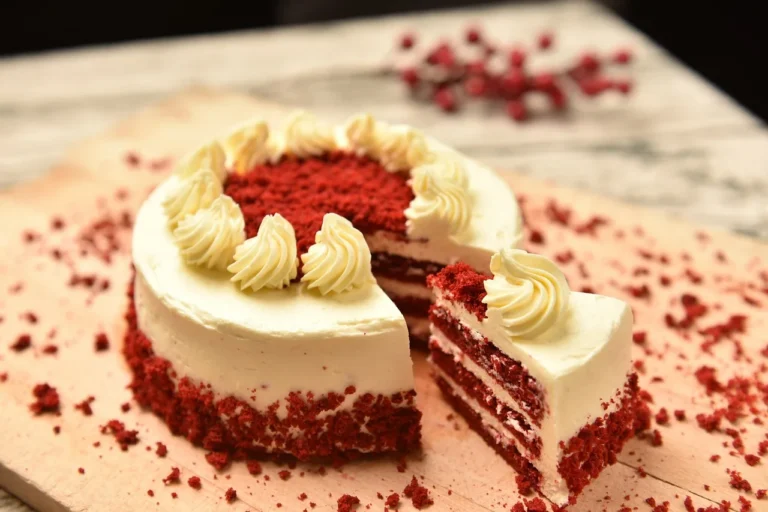
| Red velvet batter | Combines cocoa, acidity, flour, fat, and coloring for a distinct crumb | Red velvet cake, cupcakes, layer cakes | You want a neutral vanilla cake or an ultra-firm cookie base | Keep cocoa for flavor, then rely on coloring for hue. Failure mode: too much cocoa or coloring liquid = duller red, tighter crumb, or loose batter. |
Quick read: if the dessert must hold a heart cutout, look first at flour, sugar, and fat. If it must look red or pink, decide on coloring strength and moisture before you mix. If it must rise cleanly, control leavening before you add extra structure.
- Choose the dessert type first: cookies, cupcakes, cake, frosting, or icing.
- Decide whether shape, softness, color, or flavor matters most.
- Pick the ingredient that controls that result, then check the likely failure mode.
- Swap only one ingredient type at a time when possible.
Which ingredients make red and pink desserts work?

Red and pink colors usually come from added food coloring because they do not occur naturally in most cake batters or cookie doughs. Liquid coloring is water-based and can add moisture, gel coloring is thicker and more concentrated, and powder coloring adds color without adding moisture. That moisture difference is the main reason gel usually performs better in frosting and dough.
Food coloring types and moisture impact
Liquid coloring works for faint tinting, but it can change texture in frosting, icing, and batter if you add enough to chase a true red. Gel coloring gives stronger color with less liquid, so it is usually the better choice for buttercream, royal icing, and cookie dough. That matches manufacturer guidance that gel is more concentrated and less watery than liquid color.
How much color you usually need
There is no single fixed amount of food coloring needed, but concentration can change the amount required. Gel usually takes far less than liquid for the same shade, and powder usually takes the least. For a vivid red, start with a tiny amount, mix fully, then judge after a few minutes because color often deepens as it disperses.
When to choose gel over liquid
Choose gel when the recipe needs visible color without extra moisture. That is the safer choice for piped frosting, stiff cookie dough, and royal icing borders. Use liquid only when the recipe can tolerate the added water and the color can stay pale. For heart-shaped sugar cookies, gel usually gives better color control than liquid because the dough stays firmer.
- Use gel for buttercream, royal icing, and cookie dough.
- Use liquid only for pale tints or recipes that can absorb extra water.
- Use powder when moisture control is critical.
- If color looks weak, add more in small steps instead of pouring in a large dose.
What flour should you use for shape and crumb?
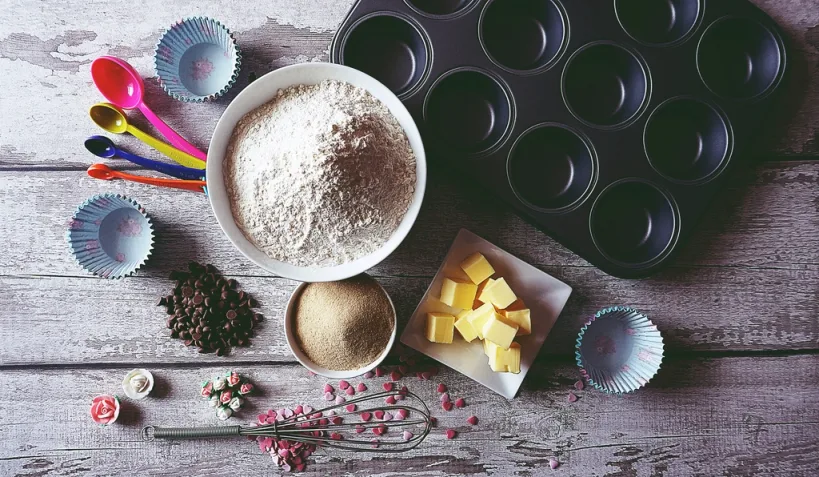
Flour provides structure in baked goods, and protein level affects how baked goods hold together and spread. Higher-protein flour usually strengthens structure and helps cookies keep their edges, while lower-protein flour supports a softer cake crumb. That’s why flour choice should match the dessert’s job before decoration or flavor tweaks.
Protein level and structure
Cake flour gives a softer crumb because it builds less gluten structure. All-purpose flour sits higher on the structure side and is often better for cookies that need definition, bars that should slice cleanly, and doughs that should not collapse in the oven. King Arthur Baking and similar baking-science references consistently note that flour protein is a major driver of chew, tenderness, and spread.
Cake tenderness versus cookie spread
For cupcakes and layer cakes, a softer flour helps keep the crumb tender. For cookies, structure matters because it supports the edge after fat melts. If you want a crisp outline, flour choice works together with fat type and sugar level. Too little structure can leave a heart cookie looking rounder than planned.
- Choose cake flour for soft cakes and cupcakes.
- Choose all-purpose flour for cookies, bars, and most general baking.
- If cookies spread too much, increase structure before increasing bake time.
- If cake feels dry or tight, avoid adding extra flour as the first fix.
How do sugars change texture and color?
Sugar affects sweetness, spread, browning, and moisture. Granulated sugar pushes spread and crispness, powdered sugar smooths frosting and icing, and brown sugar adds moisture and softness. Those differences change whether a Valentine’s dessert bakes up crisp, chewy, or soft, and they help explain why sugar level matters as much as flour in cookie spread.
Granulated sugar for spread and browning
Granulated sugar helps cookies spread and brown more evenly. That is useful for chewy chocolate cookies and some bars, but it can work against sharp cutout shapes if the dough is already warm or high in fat. Too much sugar can make the edges travel before they set, producing a wider, flatter cookie.
Powdered sugar for smooth icing and frosting
Powdered sugar is the right starting point for smooth buttercream, glaze, and royal icing. It dissolves more easily and helps create a fine texture. It also contains starch, which helps thicken the mixture and keep it pipeable. That starch-thickening effect is why it performs better than granulated sugar in frosting systems.
Brown sugar for moisture and chew
Brown sugar adds moisture and softness, so it suits chewy cookies, moist cakes, and bars that should stay tender. It also darkens the dough, which can matter if you want a deep chocolate tone or a warmer baked color. Use brown sugar carefully in cutout cookies because it can make the dough softer and more prone to spread.
- Use granulated sugar when spread and browning are welcome.
- Use powdered sugar for frosting, glaze, and royal icing.
- Use brown sugar for chew and moisture.
- If cookies are too flat, review sugar level before increasing flour dramatically.
What’s the difference between butter, shortening, and oil in baking?
Butter adds flavor and browning but melts quickly. Shortening stays solid longer and helps dough hold shape. Oil adds moisture but limited structure. For Valentine’s desserts, the best fat depends on whether you want flavor, crisp edges, or a soft crumb. Fat choice matters because it controls how quickly a batter or dough relaxes as it heats.
Butter for flavor and browning
Butter gives a clear dairy flavor and helps baked goods brown well. It works beautifully in cookies and cakes when flavor matters more than shape retention. The tradeoff is that it melts quickly, so dough can spread sooner in the oven. That makes butter a strong choice for soft cookies and tender cakes, but not always the best choice for a tall heart-shaped cutout.
Shortening for shape retention
Shortening is a better choice when the dessert must hold a sharp outline. It stays solid longer, so it can help cookie edges stay defined and help piped decorations keep their shape. The flavor is milder than butter, so many recipes blend the two. For decorated heart cookies, shortening can protect the outline while butter adds taste in smaller amounts.
Oil for moisture and tenderness
Oil gives moisture and a very tender crumb, especially in cupcakes and sheet cakes. It does not provide much structure, so the final texture is soft rather than firm. That is helpful for a moist crumb, but not for cutouts or sharp edges. Use oil when softness matters more than definition and when the cake will be sliced and served, not stamped.
- Use butter for flavor and browning.
- Use shortening when edge definition matters most.
- Use oil for soft cakes and cupcakes, not for cutout cookies.
- If a dough spreads too fast, check fat softness before adding more flour.
How do leaveners affect rise and shape?
Baking powder and baking soda control rise. The right amount gives lift, but too much can distort hearts, round off edges, or create domes that make decorated desserts harder to stack, frost, or slice cleanly. Leavener balance matters because shape is often lost before flavor is affected, so small formula changes can have visible consequences.
Baking powder versus baking soda
Baking powder provides lift on its own when moisture and heat activate it. Baking soda needs acid in the recipe to work well. Both can change the final shape, and both can cause too much rise if the formula is unbalanced. That’s why a recipe built for cupcakes may need different leavener control than one built for heart cookies.
Rise control in cupcakes and cookies
In cupcakes, a controlled rise creates a domed top that still holds frosting. In cookies, rise should be limited so the cut edge remains visible. If a recipe calls for extra leavener in a heart-shaped cookie, expect more spread or puff. Too much leavener can also leave a coarse crumb instead of a fine, even texture.
- Use the recipe’s exact leavener type first.
- Do not increase baking powder or soda to fix color or flavor problems.
- For sharp cookies, avoid excess puff.
- For cupcakes, aim for lift that supports frosting without overdoming.
What does cocoa powder change in baking?
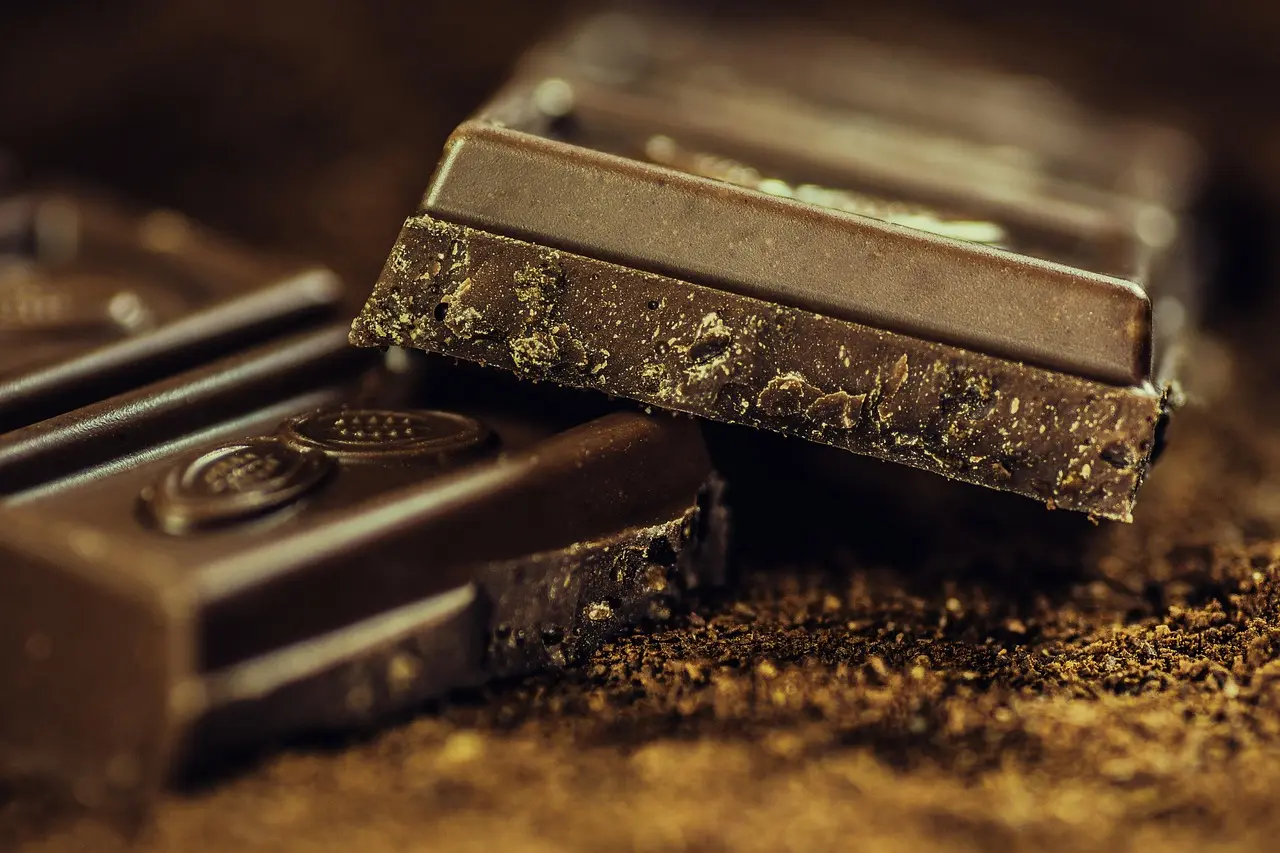
Cocoa powder absorbs moisture and can firm up batter or dough. It changes texture as well as flavor, so it matters in red velvet, chocolate cakes, and chocolate cookies. It is not only a color choice, and it should not be treated that way. Baking references commonly note that cocoa’s moisture absorption can make a recipe thicker and drier unless the formula is balanced.
Moisture absorption and firmer batter
Because cocoa powder pulls in moisture, it can make batter thicker and dough firmer. That can help a chocolate cookie keep its shape, but it can also dry out a formula if the recipe does not supply enough liquid or fat. In other words, cocoa can help with structure while also making the crumb tighter.
Using cocoa in red velvet
Red velvet color and flavor are separate ingredient decisions. Cocoa contributes flavor and some color depth, vanilla rounds out the taste, and food coloring provides the red hue. The red tone should come from coloring, not from trying to force cocoa to do the whole job. If the recipe needs a brighter red, adjust the coloring instead of loading in extra cocoa.
Cocoa and chocolate together
Chocolate adds fat and sweetness and changes texture, especially when paired with cocoa powder. Together, they create a denser, fuller chocolate profile than cocoa alone. That can be ideal for brownies, fudgy cookies, and layered cakes that need a more pronounced chocolate bite. For a dessert that should stay cleanly shaped, use cocoa and chocolate with care.
- Use cocoa for flavor and deeper color, not as a substitute for red dye.
- Add more liquid or fat only if the recipe is designed for it.
- Expect firmer batter when cocoa rises.
- If chocolate flavor gets heavy, reduce cocoa before changing sugar.
What ingredients help a Valentine’s Day dessert keep its shape?
Shape comes from structure and from fat behavior. Flour, sugar, and leavening set the skeleton, while butter, shortening, and oil determine how fast that skeleton softens. If you want hearts to stay crisp, choose ingredients that support a slower spread and firmer set. The best shape-holding formulas usually limit extra liquid, use enough flour, and keep fat under control.
The best shape-holding ingredients are usually lower-moisture colorants, enough flour for structure, a fat that stays solid longer, and limited rise. Shortening helps most with retention, while butter adds flavor and oil adds softness without much support. When a dessert fails, the cause is often a combination problem, not a single ingredient.
Troubleshooting common failures
Bleeding color: this often happens when too much liquid coloring thins frosting or icing. Use gel or powder instead, or reduce another liquid in the recipe if the formula allows it. Failure mode signal: too much liquid color = loose frosting or weak icing structure.
Soggy dough: too much liquid coloring, too much oil, or too much brown sugar can all soften a dough. Add structure with the correct flour choice and keep color concentrated. Failure mode signal: excess moisture = slack dough and blurred edges.
Cookie spread: warm butter, too little flour, or excess sugar can all push a heart cookie outward. Chill the dough, use a higher-structure flour if needed, and choose shortening or a butter-shortening blend for sharper edges. Failure mode signal: excess sugar or soft fat = more spread and flatter shapes.
- Keep dough cold if shape matters.
- Use concentrated coloring to protect texture.
- Match flour and fat to the dessert’s main goal.
- If the shape fails, correct structure before changing decoration.
What should you use to make red velvet cake color work?
Red velvet color and flavor should be handled separately. Use cocoa for its flavor and texture effect, vanilla for depth, and food coloring for the red tone. That separation gives you control over both the look and the crumb, instead of forcing one ingredient to do three jobs. In classic red velvet batter, cocoa should stay modest so the color can read clearly.
For a classic red velvet batter, keep the cocoa amount tied to flavor, then choose the colorant based on the shade you want. Gel is often easier when the batter should stay thick, while liquid can loosen it more than you want. If the batter turns dull or stiff, the most likely causes are too much cocoa or too much liquid color.
- Use cocoa for flavor depth, not for red color.
- Use gel coloring when you want strong red without extra liquid.
- Watch batter thickness after each addition.
- If the crumb gets tight, reduce cocoa before increasing mixing time.
Frequently asked questions
What ingredients do I need for Valentine’s Day baking?
Start with flour, sugar, fat, leavening, and a color plan. For Valentine’s desserts, the key choices are usually cake flour or all-purpose flour, butter or shortening, powdered sugar for icing, and gel or powder coloring for red and pink shades. Choose based on shape, color, and texture, then fine-tune with cocoa or chocolate only if the flavor calls for it.
What baking ingredients make red and pink desserts work best?
Gel and powder food coloring work best when you want strong red or pink without thinning the batter or frosting. Liquid coloring can work for light tints, but it adds moisture and can change texture. For the cleanest color, keep the coloring concentrated and add it gradually. That approach helps frosting hold shape and batter stay balanced.
How do I keep heart-shaped cookies from spreading?
Use enough flour for structure, keep butter cool, and consider shortening or a butter-shortening blend for better shape retention. Chill the dough before baking, and avoid too much liquid coloring or excess sugar. A firmer dough and moderate rise help the heart edges stay sharp. If spread still happens, check fat softness and sugar level first.
What ingredient changes the texture of Valentine’s Day cupcakes?
Flour, sugar, fat, and cocoa all affect cupcake texture, but fat has the biggest feel difference. Butter gives more flavor and browning, oil gives more moisture, and shortening adds stability. Cake flour usually gives a softer crumb than all-purpose flour, which can feel a little sturdier. Leavening also matters because too much lift can create a coarse, domed top.
Should I use gel or liquid food coloring for frosting?
Use gel for most frosting because it is more concentrated and adds far less moisture than liquid coloring. That helps buttercream keep its shape and keeps icing from thinning. Liquid is fine for pale shades, but it is easier to overdo when you want a strong red. Powder is the driest option when moisture control matters most.
What does cocoa powder do to cake and cookie texture?
Cocoa powder absorbs moisture and can firm batter or dough. In cookies, that can help shape; in cakes, too much can make the crumb tighter or drier if the recipe does not balance it with enough liquid and fat. It also adds chocolate flavor and deeper color. If a recipe uses cocoa and chocolate together, expect a heavier, richer texture.
Products related to this article
Sponsored / affiliate links. As an Amazon Associate I earn from qualifying purchases. I may earn additional commission from eligible campaigns.