How Much Does a Fancy Valentine’s Day Meal Cost?
A fancy Valentine’s Day meal usually costs about $80 to $180 at home for two, $90 to $220 by delivery, and $150 to $400 at a restaurant, depending on steak, seafood, wine, fees, and tip. Those ranges are only estimates, and they can shift quickly with local pricing, app markups, and service charges. For context, grocery delivery apps such as Instacart and Uber Eats routinely add fees on top of menu or grocery prices, while city dining guides such as NYCgo’s restaurant guides show how fixed-menu pricing in major cities can push a dinner much higher. Miss the extras, and the “cheap” option can end up costing more than a restaurant date. This guide breaks down the true all-in cost for home cooking, delivery, and dining out so you can choose the best fit for your budget.
Budget tiers for a valentine’s dinner
What the three budget tiers include
Use the totals below as per-couple budgets, not per-person prices. The cheapest tier keeps the menu simple and the decor minimal. The middle tier assumes a nicer protein, a better bottle, and app-based ordering or a decent home spread. The top tier reflects a prix fixe restaurant dinner with tax and tip, which can vary by city and restaurant.
| Budget tier for two | Appetizer | Main | Dessert | Wine | Tax/tip | Decor | Total |
|---|---|---|---|---|---|---|---|
| $50-$75 | $8 | $26 | $10 | $12 | $3 | $6 | $65 |
| $100-$150 | $20 | $48 | $16 | $24 | $16 | $8 | $132 |
| $200+ | $32 | $96 | $24 | $36 | $46 | $12 | $246 |
How the per-couple totals are calculated
Per-person cost is useful for comparison, but Valentine’s Day is usually bought as a couple’s total. The table above already gives the full bill for two. If you split each total evenly, the home tier is $32.50 per person, the middle tier is $66 per person, and the restaurant tier is $123 per person.
That split matters because the same menu can feel affordable or expensive depending on whether you are counting one plate or two, and whether tax, tip, and decor are included. A menu that looks like a $48 steak for one can become a much pricier evening once you add a starter, dessert, drinks, and service charges.
What is counted as food, drinks, and decor?
Food includes the starter, main course, and dessert. Drinks include one wine choice for the couple, whether that is a modest bottle at home or a higher-priced pour at a restaurant. Decor includes candles, flowers, a tablecloth, napkins, or a small centerpiece.
The tax/tip line is a catchall for the extra charges that change the final bill. At home, that may be grocery sales tax or a small delivery fee if you order ingredients. For delivery and dining out, it can include sales tax, service fees, delivery fees, and gratuity.
How much should you budget for two?
For two people, a cheap fancy dinner usually lands around $50 to $75, a mid-range date night often falls around $100 to $150, and a splurge dinner commonly reaches $200 or more. Those are typical planning ranges, not guarantees. The right target depends on whether you are cooking, ordering in, or booking a prix fixe table, and on how much wine and dessert you want.
Cheap fancy dinner range
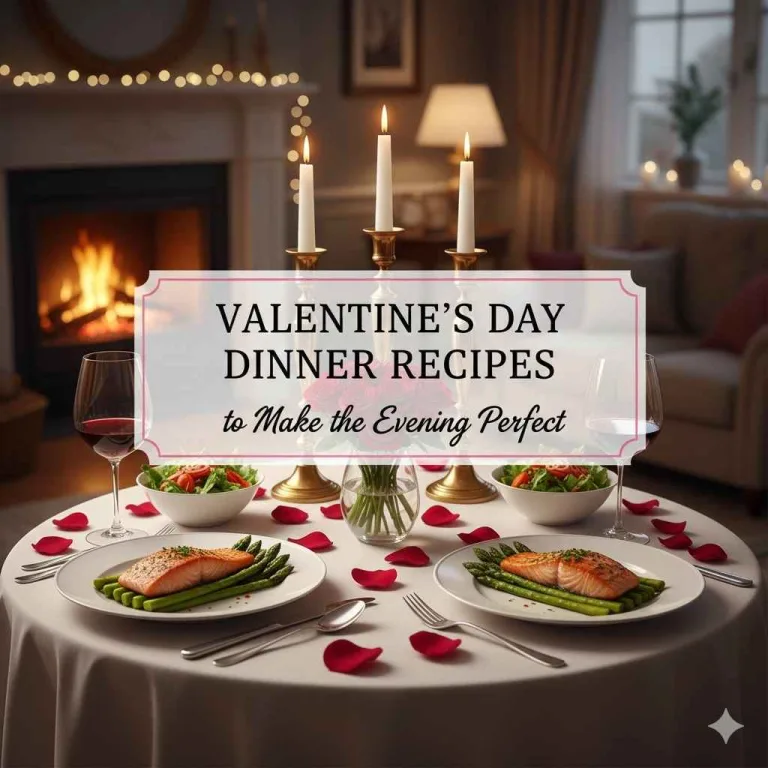
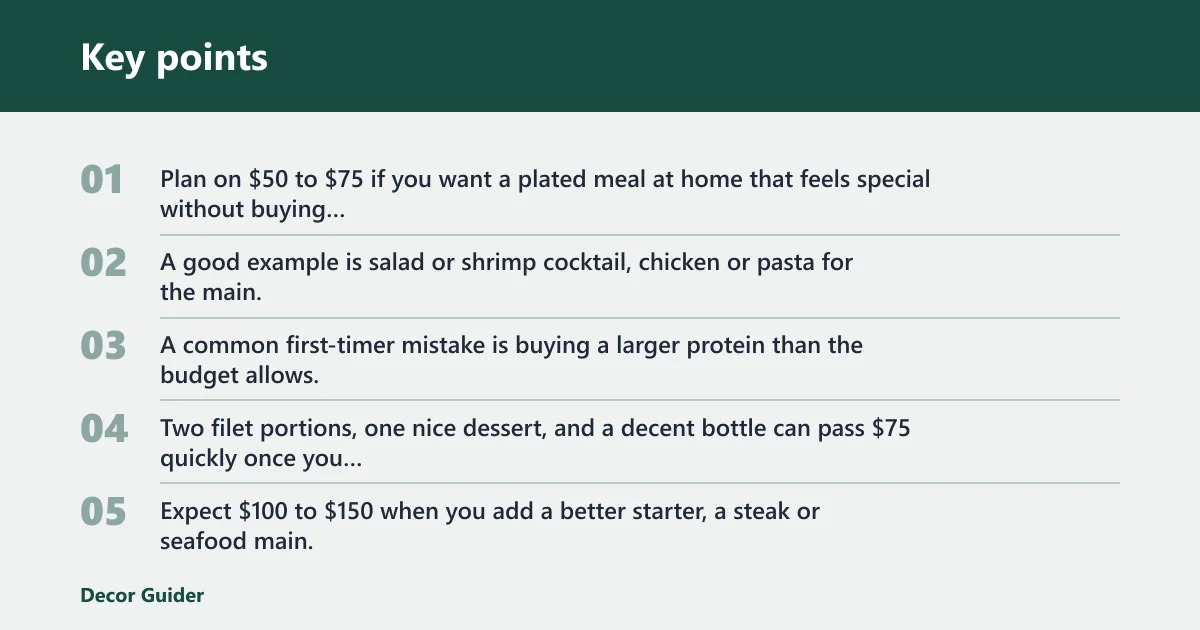
Plan on $50 to $75 if you want a plated meal at home that feels special without buying premium steaks, expensive seafood, or a full restaurant bottle list. A good example is salad or shrimp cocktail, chicken or pasta for the main, a shared dessert, and a grocery-store bottle. Keep decor simple.
A common first-timer mistake is buying a larger protein than the budget allows. Two filet portions, one nice dessert, and a decent bottle can pass $75 quickly once you add groceries, tax, and a few flowers.
Mid-range fancy dinner range
Expect $100 to $150 when you add a better starter, a steak or seafood main, a dessert from a bakery, and a nicer bottle. This range also fits many delivery orders once the app price, service fee, delivery fee, tax, and tip are added together.
Picture a couple ordering scallops, a steak entrée, chocolate cake, and one bottle of wine through an app. The menu may already be marked up above the in-store price, so the final total can climb faster than the checkout screen suggests.
High-end dinner range
Budget $200 or more for a restaurant prix fixe dinner, especially in cities like New York, San Francisco, or Chicago, or in an upscale dining room with a tasting menu. In that range, the base menu price is only part of the bill. Tax and a standard tip can add a meaningful amount, and wine pairings can push the total higher still.
At places such as Keens Steakhouse in New York, the bill can move quickly once you add a fixed-price meal, drinks, and service charges. Restaurants often price Valentine’s menus as fixed multi-course dinners, which means you pay for the full experience even if you would normally skip one course. That structure is one reason a reservation can cost far more than a home meal with similar ingredients.
At home versus restaurant pricing
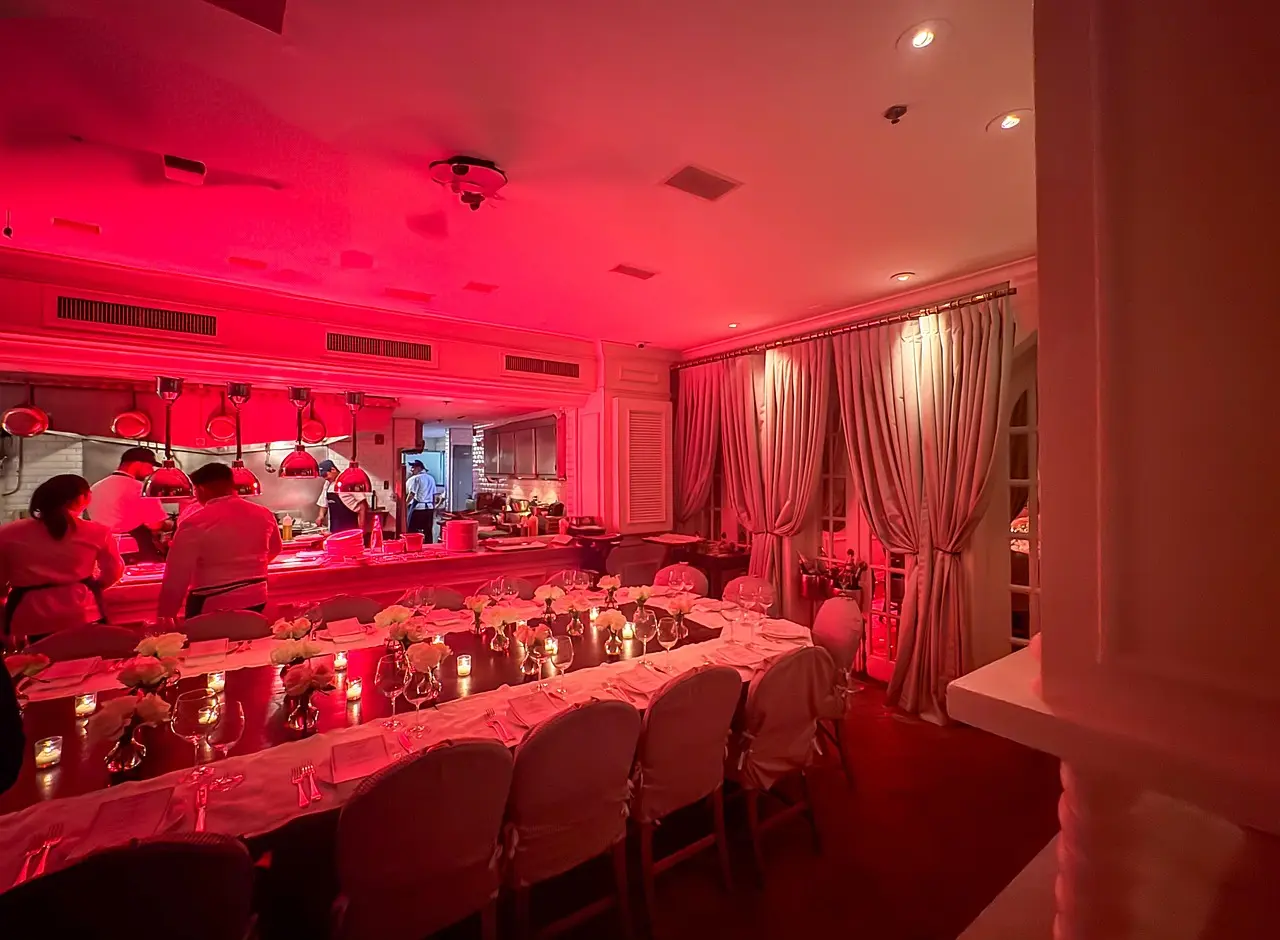
Cooking at home usually costs less when you keep the menu focused and buy one or two premium items. A restaurant can cost less than a home meal when you would otherwise buy steak, seafood, dessert, drinks, and flowers. Price depends on what you put on the table.
When cooking costs less
Home cooking usually costs less when you stick to one premium main and use low-cost sides. A pasta dinner with a simple starter, a shared dessert, and a modest bottle often stays below restaurant pricing because you skip the service charge, the host station markup, and the full dining-room overhead.
The savings shrink if the grocery list starts to look like a restaurant order. Truffles, lobster tails, prime filet, and bakery desserts can push a home meal into restaurant territory fast.
When a restaurant can cost the same or less
A restaurant can cost the same or less when the menu is prix fixe and your home plan includes expensive ingredients plus extras. If you need a bouquet, candles, a dessert from a bakery, and a bottle you would not normally buy, the home total can rise to match a mid-tier dinner out.
Say your grocery cart includes two ribeyes, crab cakes, a mousse cake, and a mid-priced wine. Once you add tax and decor, the “budget” meal may no longer be cheaper than a set Valentine’s menu at a nearby bistro.
Why prix fixe menus change the math
Prix fixe pricing creates a clean base price for several courses, but it also locks in the full meal. That helps with planning because the appetizer, main, and dessert are bundled, yet the final total still climbs after tax, tip, and any wine pairings. The menu price is rarely the final price.
If you compare a home dinner to a prix fixe dinner, compare the whole basket: starter, entrée, dessert, drinks, and all service costs. Comparing only the main course will make the restaurant look cheaper than it really is.
Why delivery and takeout cost more
Delivery and takeout usually cost more than the listed menu price because the app total adds fees and often starts from a higher in-app menu. A restaurant item priced at $24 in-house may appear at $27 or more in an app, then the order picks up delivery fees, service fees, tax, and tip. That pattern is common across delivery platforms and can be especially noticeable on date-night orders.
App price versus final total
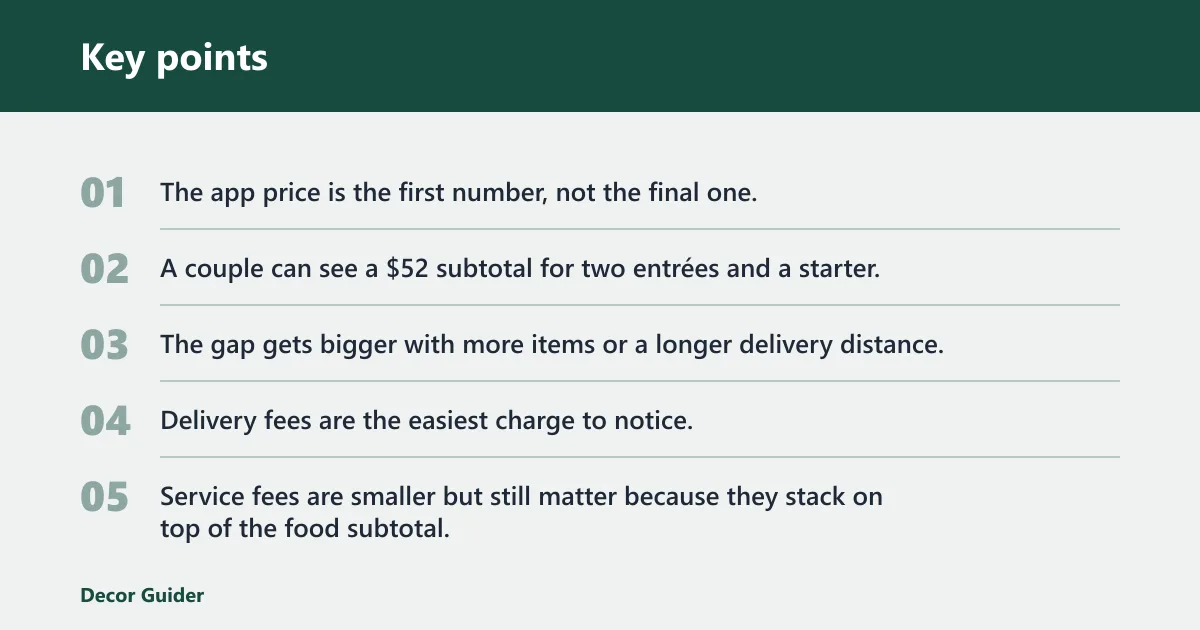
The app price is the first number, not the final one. A couple can see a $52 subtotal for two entrées and a starter, then end up closer to $80 after tax, fees, and tip. The gap gets bigger with more items or a longer delivery distance.
Delivery fees and service fees
Delivery fees are the easiest charge to notice. Service fees are smaller but still matter because they stack on top of the food subtotal. On a date-night order, those two charges alone can add $8 to $15 before tax and gratuity, depending on the platform and local pricing.
Tax, tip, and menu markup
Sales tax applies to the full taxable subtotal, and tip is usually calculated on top of the food total or the pre-tax amount, depending on how the platform presents it. Menu markup is the hidden cost many shoppers miss. It can make each item a few dollars higher than the restaurant’s printed menu.
The result is simple. A delivery order that looks like a mid-range date can drift into high-end territory once the app converts a dinner for two into a basket of small fees.
What makes a dinner feel fancy?
A dinner feels fancy when the menu has one clear upgrade in each category: a premium starter, a more impressive main, a dessert that is not from the freezer aisle, and one drink that feels intentional. You do not need every element to be expensive. You need the table to look planned.
Premium main course choices
Steak, salmon, scallops, lamb, and stuffed pasta all read as more special than a basic weeknight entrée. The key is choosing one focal dish and building the rest of the meal around it. That approach keeps the budget under control while still giving the dinner a special-occasion feel.
Starter, dessert, and drink upgrades
Small upgrades do a lot of visual work. A tomato tart, shrimp cocktail, chocolate torte, or a single nicer bottle can make the meal feel deliberate. You do not need three expensive courses. You need one or two choices that signal this is not an ordinary Tuesday dinner.
Low-cost decor that still feels special
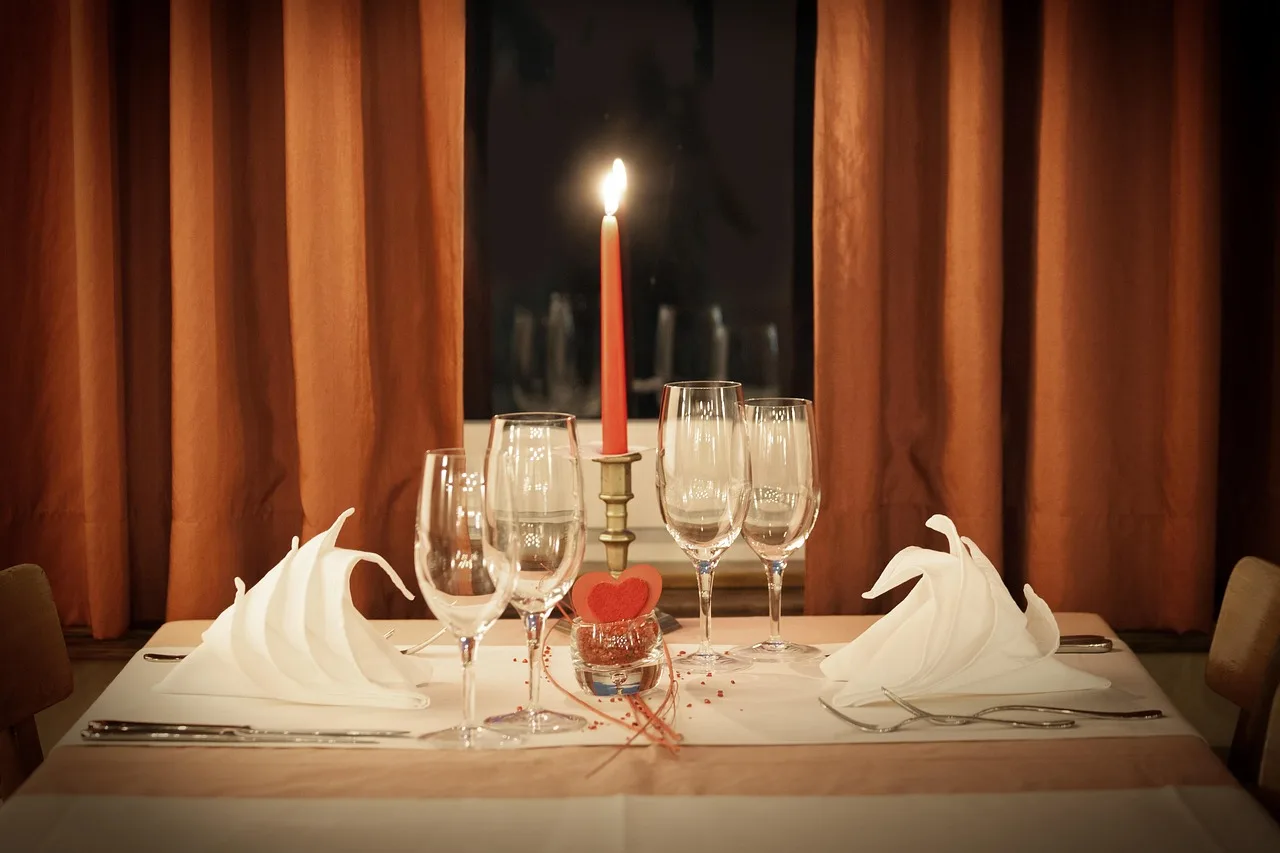
Candles, cloth napkins, a small vase, and a clean table are enough for most home dinners. A $6 to $12 decor line can change the room more than a pricier entrée can. Keep the palette simple and the table uncluttered.
What should you spend for each tier?
Choose the tier that matches the setting you want, then keep the rest of the order aligned with it. A cheap entrée paired with a top-shelf wine can break the plan fast.
Best fit for a tight budget
Choose the low tier if you want a romantic meal without paying for a restaurant table. A home dinner in this band works best with one simple starter, one protein-based main, a modest dessert, and a small decor budget. Keep wine moderate and skip extra add-ons.
Best fit for a mid-range date night
The middle tier works well for a meal that feels upgraded but still controlled. It is the right zone for a better bottle, a restaurant delivery order, or a home dinner with premium ingredients and a more polished table setting. The final bill stays meaningful without becoming extravagant.
Best fit for a splurge dinner
Use the high tier when the night is the main event and you want a full restaurant experience. That budget leaves room for a prix fixe menu, tax, tip, and wine. It is also the tier where convenience matters less than atmosphere and service.
When home cooking can cost more
Home cooking can cost more than a casual restaurant meal when premium ingredients, specialty desserts, and one-night-only shopping add up. That is most likely with steak, lobster, seafood platters, artisan chocolate desserts, and wine that sits outside the normal grocery budget.
Premium proteins and seafood
Two high-quality steaks, scallops, or lobster tails can eat up most of a home budget before the starter and dessert are even added. If the recipe calls for several luxury ingredients, the grocery receipt can climb into restaurant range quickly.
Specialty desserts and wine
Bakery desserts and nicer wine often cost more than expected because you buy them in full sizes, not by the bite. A single dessert for two and one bottle of wine can account for a large share of a Valentine’s budget, especially if you also buy a premium main.
Extra shopping for one night only
Extra shopping can include candles, flowers, serving pieces, and ingredients you may not use again soon. Those one-time buys matter. If you have to purchase them for this evening alone, the “home is cheaper” assumption may stop holding up.
Frequently asked questions
How much does a fancy Valentine’s Day meal cost?
A fancy Valentine’s Day meal usually costs about $65 at home on a tight budget, around $132 for a mid-range delivery or upscale home meal, and about $246 for a restaurant dinner in the top tier shown here. The total depends on the main dish, wine, dessert, and service costs, and it can be higher in large cities or for special menus.
What does a romantic dinner for two cost at home versus delivery?
At home, a romantic dinner for two can land near $65 if you keep the menu focused and decor modest. Delivery often costs more because app pricing, service fees, delivery charges, tax, and tip stack on top of the meal. That pushes many orders into the $100 to $150 range, depending on distance and restaurant pricing.
Why do restaurant delivery totals get so expensive?
Delivery totals rise because the food often starts with a higher app price, then service fees, delivery fees, sales tax, and tip get added. If the order includes dessert and wine, the final number can move far beyond the menu subtotal. The listed price is rarely the final price.
What should I budget for a special dinner date?
The best budget is the one that includes food, drinks, tax, tip, and decor from the start.
How much extra do taxes, delivery fees, and tips add?
For delivery or dining out, extra charges can add a meaningful amount to the bill. Delivery fees and service fees may add $8 to $15 before tax and tip, and gratuity can add much more on a two-person order. A high-end restaurant check can rise sharply once those costs are included.
What makes a meal feel fancy without spending too much?
One premium main, one thoughtful dessert, one good drink, and a clean table can feel fancy without a large bill. Candles, napkins, and a small centerpiece do more than many people expect. Keep the menu tight and make each item look intentional.
Products related to this article
Sponsored / affiliate links. As an Amazon Associate I earn from qualifying purchases. I may earn additional commission from eligible campaigns.