Red Velvet Cupcakes Problems / Not Working / Troubleshooting
If red velvet cupcakes sink, turn gummy, or dry out, the fastest fix is to match the symptom to one likely cause and change only one variable in the next batch. Bad diagnosis wastes ingredients and can leave you with dense, bitter, or uneven cupcakes. This guide gives the visible problem, the quickest fix, and the prevention rule for each common failure.
What you’ll need


- Digital kitchen scale
- Measuring cups and spoons
- 12-cup cupcake pan with liners
- Cooling rack
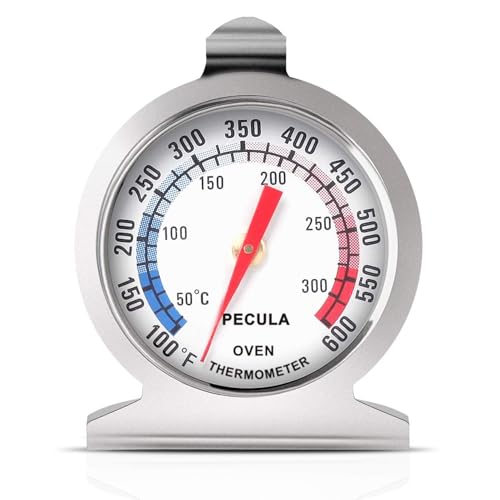
- Instant-read thermometer for oven checks
- Toothpick or cake tester
- Natural cocoa powder or Dutch-process cocoa powder, as called for
- Buttermilk, room temperature if possible
- Cake flour or all-purpose flour, depending on the recipe
- Red food coloring, preferably gel for stronger color
- Cream cheese, butter, and powdered sugar for frosting
Red velvet cupcake matrix
| Symptom | Most likely cause | Quick rescue step | Prevention step |
|---|---|---|---|
| Sunken centers | Underbaking, too much leavener, or oven running cool | Return 2 to 4 cupcakes to a 325°F oven for 3 to 5 minutes if the centers are still wet | Fill liners 2/3 full and verify oven temperature with a thermometer |
| Dry crumb | Too much flour, overbaking, or too little fat/liquid | Brush with 1 to 2 teaspoons simple syrup per cupcake | Weigh flour, stop baking when the tester shows a few moist crumbs, and keep buttermilk at room temperature |
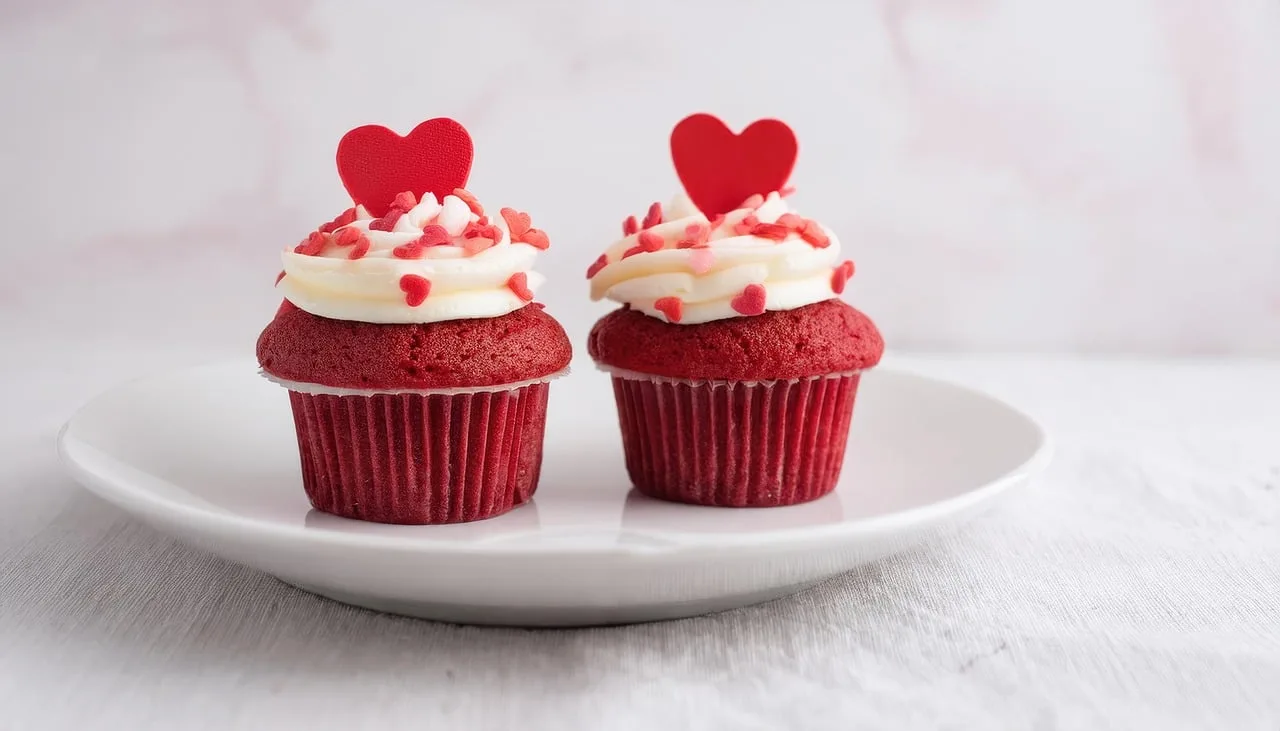
| Pale color | Weak coloring, too much Dutch-process cocoa, or fading from excess heat | Use gel coloring in the frosting for stronger contrast | Use 1 to 2 teaspoons natural cocoa, 1 to 2 tablespoons gel color, and stop baking as soon as the centers set |
| Dense texture | Overmixed batter, low acidity, or expired baking soda | Bake a fresh batch with room-temperature ingredients and a fresh leavener | Mix only until the flour disappears and keep the baking soda fresh |
| Bitter taste | Too much baking soda, overly dark cocoa, or burnt edges | Trim scorched edges and pair with a sweeter frosting | Measure baking soda exactly and keep cocoa in the 1 to 2 tablespoon range unless the recipe says otherwise |
| Runny frosting | Cream cheese or butter too warm, or too little powdered sugar | Chill 15 to 20 minutes, then beat in 2 tablespoons powdered sugar at a time | Keep ingredients cool, not cold, and stop mixing as soon as the frosting holds shape |
What makes red velvet batter fail
Red velvet batter depends on a narrow balance: a little cocoa, enough acid from buttermilk or vinegar, controlled baking soda, and just enough mixing to combine. Natural cocoa adds acidity and a lighter color; Dutch-process cocoa tastes smoother but is less acidic, so the batter may need more help from buttermilk or another acid to rise well.
Red food coloring matters too. Gel coloring gives stronger color with less liquid than liquid dye, which helps keep the liquid-to-dry ratio stable. Standard cupcake pans hold about 1/4 cup per cup, and liners should sit flat so batter rises upward instead of leaking sideways.
Why did my red velvet cupcakes sink in the middle?
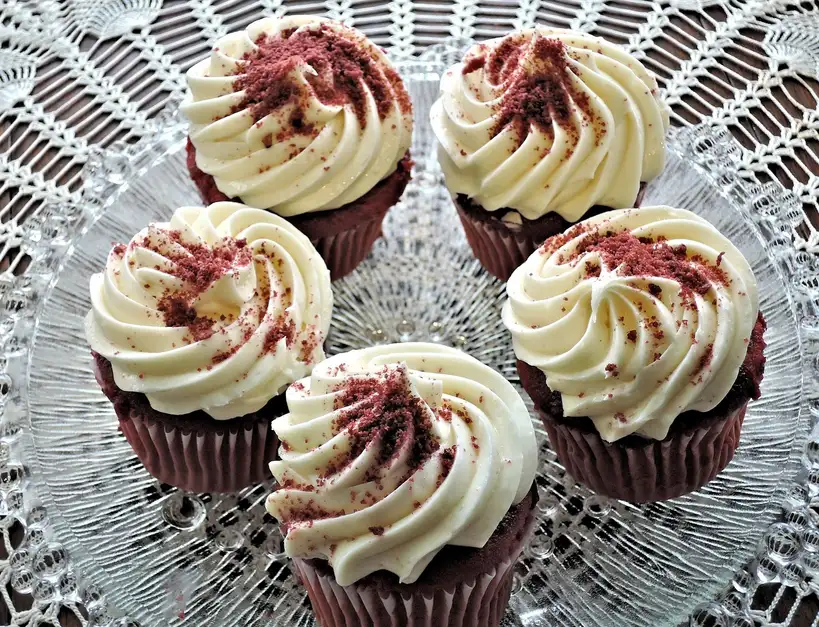
Sinking in the center usually means the structure set too late. Underbaking, too much baking soda, or an oven that runs cool can make the tops rise and then collapse after the cupcakes leave the heat. If the middle still looks wet, the batter likely needed more time, not more frosting.
Most likely causes
- Oven temperature below the recipe target, often around 325°F to 350°F for cupcakes
- Too much baking soda, which can make the batter rise fast and then fall
- Overfilled liners, which encourage tall domes and weak centers
Fast rescue steps
- Test the center. Press lightly on the top and insert a toothpick into the deepest spot. If it comes out with wet batter, return the pan to a 325°F oven for about 3 to 5 minutes.
- Shift the pan. Move the pan to the center rack if the oven has a hot lower zone. Rotate it once halfway through the bake if browning is uneven.
How to prevent it next time
Fill each liner about 2/3 full, not to the top. Check oven temperature with an oven thermometer, and use the amount of baking soda the recipe gives, not a rounded spoonful.
Why are my red velvet cupcakes dry or crumbly?
Dry cupcakes usually point to too much flour, too long in the oven, or a batter that lacked enough moisture from buttermilk, oil, or eggs. Cake flour helps keep the crumb tender because it has less protein than all-purpose flour, often around 7% to 9% protein versus about 10% to 12% for all-purpose flour.
Most likely causes: flour measured by scooping instead
- Flour measured by scooping instead of weighing
- Replacing buttermilk with plain milk without adding acid
- Baking past the point where the tester shows only a few moist crumbs
Fast rescue steps: brush the crumb
- Brush the crumb. Add 1 to 2 teaspoons simple syrup to each cupcake if it is already baked and cool. This softens the outer crumb without turning it soggy.
- Adjust the frosting. Use cream cheese frosting to add moisture at serving time, but keep the layer thin so the cake still reads as tender rather than heavy.
Why did my red velvet cupcakes turn brown or taste bitter?
Browning or bitterness often comes from cocoa choice, excess baking soda, or heat that is too high. Natural cocoa keeps more acidity and usually gives a warmer red-brown tone; Dutch-process cocoa is darker and less acidic, so it can mute red color unless the recipe is adjusted. Too much baking soda can also leave a sharp, soapy edge.
Most likely causes: using Dutch-process cocoa
- Using Dutch-process cocoa in a recipe built for natural cocoa
- Using liquid food coloring, which can fade during baking
- Too much baking soda, which raises browning and can taste metallic
Fast rescue steps: reduce visual browning
- Reduce visual browning. Check the oven at 325°F to 350°F and move the pan away from a hot top element or hot spot. A dark pan can brown the edges sooner, so shorten the bake by 1 to 2 minutes next time.
- Balance the finish. If the cupcakes taste sharp, pair them with a tangy cream cheese frosting and avoid adding extra baking soda to the batter.
Why are my red velvet cupcakes dense or flat?
Density usually means the batter lost air before baking or never had enough lift. Overmixing develops gluten, especially if all-purpose flour replaces cake flour without adjustment. Flat cupcakes can also come from weak baking soda, low acidity in the batter, or ingredients that were too cold to blend well.
Most likely causes: overmixing after the flour went
- Overmixing after the flour went in
- Expired baking soda that no longer reacts well with buttermilk
- Cold butter, eggs, or cream cheese in the frosting stage causing uneven blending earlier in the process
Fast rescue steps: mix less next round
- Mix less next round. Stir only until no dry flour remains. A few small lumps are safer than a fully beaten batter.
- Check the leavener. Replace baking soda if it is more than about 6 months old after opening, or if it no longer fizzes strongly with a drop of vinegar.
How to rescue batter, bake time, and frosting
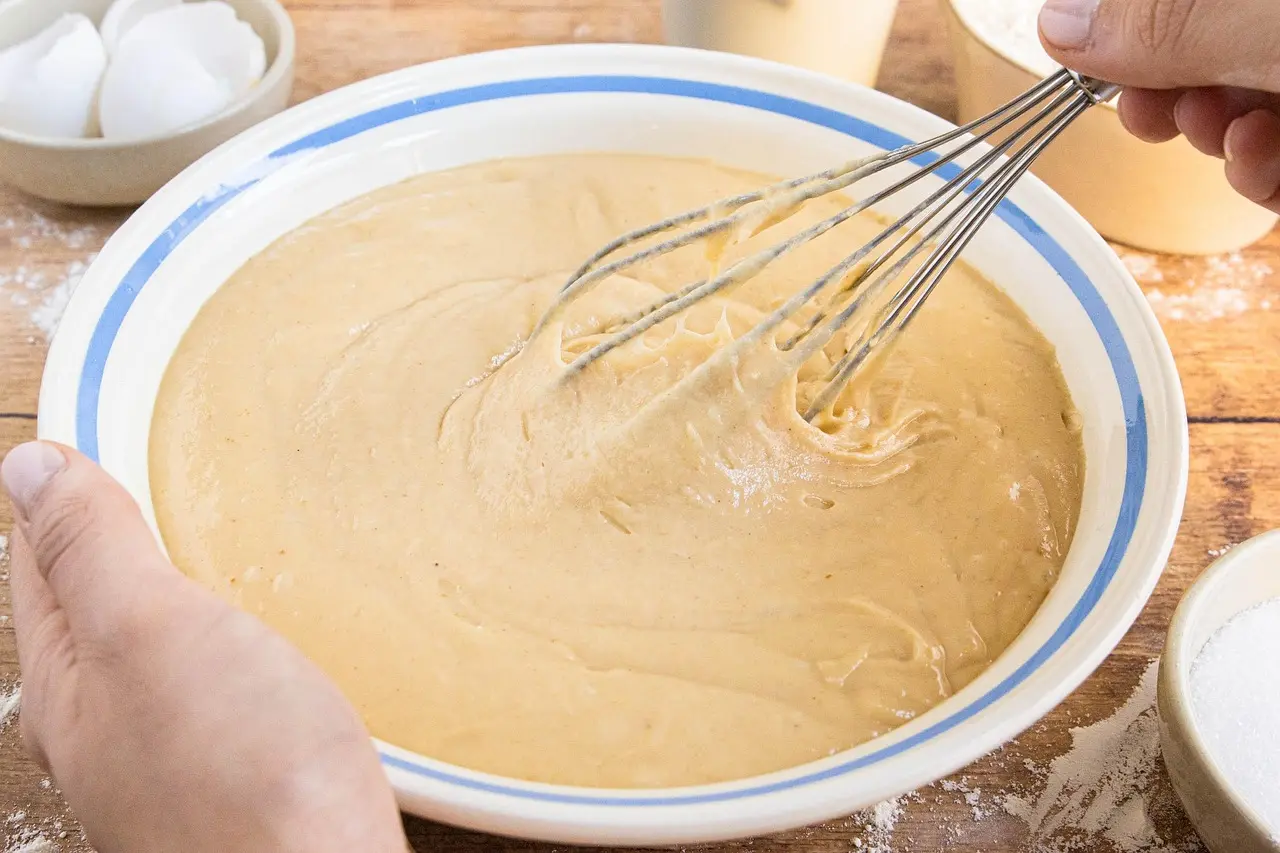
If the batter looks split or too thin, the fix depends on what changed last. Too much liquid from food coloring or a cold dairy ingredient can loosen the batter; too much mixing can also make it look broken. Cream cheese frosting can fail for the same reason a cupcake seems off: texture balance.
Batter that looks split or too thin
- Stop adding liquid. Pause as soon as the batter looks glossy but still holds a mound for a second before settling. If it is already too thin, whisk in 1 tablespoon flour at a time only until it thickens slightly.
- Check the order. Add dry ingredients in the order the recipe gives, usually alternating dry ingredients with buttermilk so the emulsion stays stable.
Overbaked or underbaked cupcakes
- Rescue underbaked cakes. Return them to a 325°F oven for 2 to 4 minutes, then recheck with a tester. If the tester comes out with wet batter after that, the centers may already be too fragile to save cleanly.
- Soften overbaked cakes. Wrap them loosely once cool and serve within a day, or brush with 1 to 2 teaspoons simple syrup per cupcake before frosting.
Runny or curdled frosting
- Chill and rebeat. Refrigerate the bowl for 15 to 20 minutes, then beat again on low. If it still runs, add powdered sugar 2 tablespoons at a time.
- Keep it cool. Cream cheese frosting pipes best when the bowl and beaters stay cool and the ingredients are not warm enough to melt the butter.
Picture a batch baked in a dark pan on the upper rack of a 375°F oven. The tops brown before the centers set, so the cupcakes dome, crack, and then sink as they cool. Lowering the rack and checking at 325°F would likely solve that same batch on the next try.
Common mistakes
- Measuring flour by scooping from the bag instead of weighing it
- Using liquid red dye when the recipe needs gel for strong color
- Swapping Dutch-process cocoa into a formula built around natural cocoa without adjusting acidity
- Filling liners more than 2/3 full
- Putting warm cupcakes on a plate instead of a cooling rack, which traps steam and encourages liner condensation
- Frosting before the cupcakes are fully cool, which softens the top and can make the frosting slide
- Ignoring oven hot spots and assuming the dial matches the real temperature
Say your cupcakes bake up red in the pan but look dull after 20 minutes on the counter. That usually means steam is condensing under the liners and on the surface. Move them to a cooling rack right after the pan is safe to handle so carryover heat can finish the crumb without trapping moisture.
Frequently asked questions
Why did my red velvet cupcakes turn brown instead of red?
Brown color often comes from Dutch-process cocoa, weak food coloring, or overbaking. Gel coloring gives stronger color than liquid dye, and natural cocoa usually keeps the batter closer to the classic red tone. Keep the oven in the 325°F to 350°F range and stop as soon as the centers set.
Why did my cupcakes stick to the liners?
Sticky liners usually mean the cupcakes were removed before they fully cooled or were stored while still warm. Cool them on a rack until no steam rises from the bottoms, then frost later. If the liners are very thin, a fuller-fat batter and complete cooling help the paper peel more cleanly.
What should I do if my cream cheese frosting is runny or curdled?
Chill the bowl for 15 to 20 minutes, then beat again on low speed. If it is still loose, add powdered sugar 2 tablespoons at a time until it holds soft peaks. For curdling, stop mixing as soon as the texture smooths out; overbeating can break the emulsion again.
Products related to this article
Sponsored / affiliate links. As an Amazon Associate I earn from qualifying purchases. I may earn additional commission from eligible campaigns.