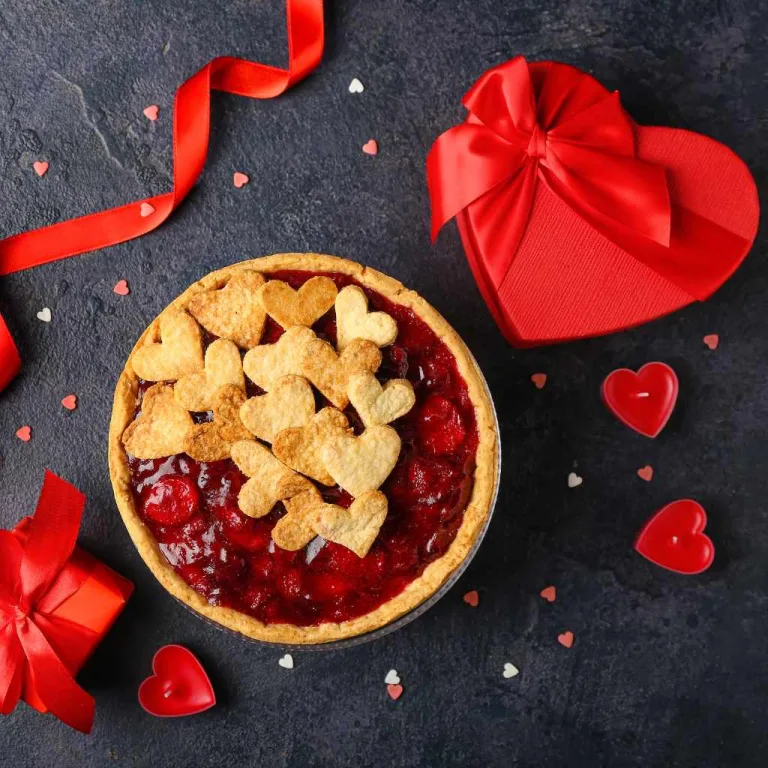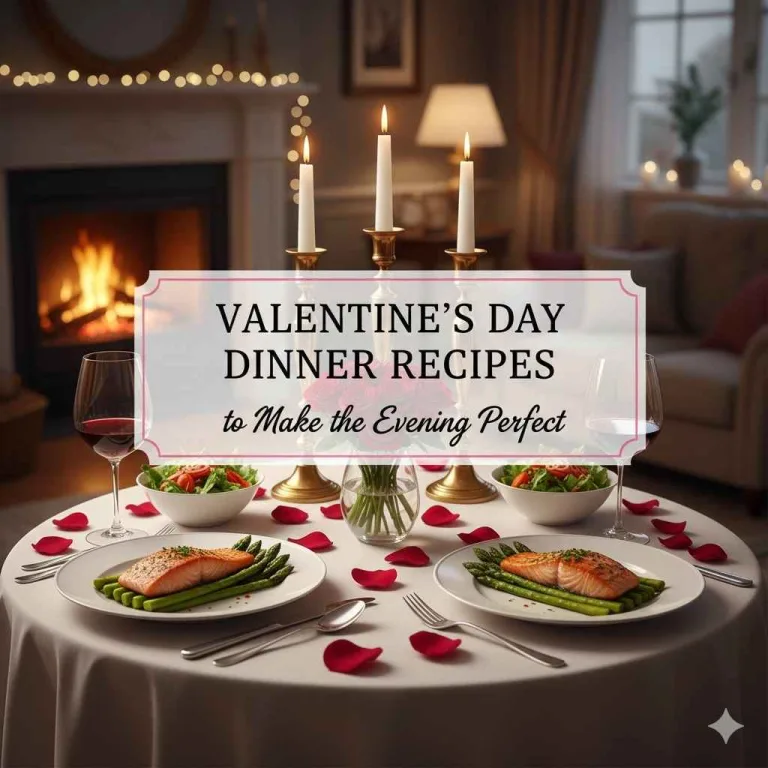
Valentine’s Day Recipe Ideas for Every Type of Occasion
The best Valentine’s Day recipe ideas start with one choice: pick your occasion first, a candlelit dinner for two, a Tuesday-night pasta for parents and kids, a classroom-safe sweet, or a buffet for six to twelve guests, then match dishes to your time, budget, and cooking skill. Skip that step and you get fussy food, bad timing, and a meal that misses the mood. Here you’ll get menu paths, simple recipe ideas, and planning help for a date night at home, kid-friendly snacks, family dinners, and Valentine’s parties.
Valentine’s Day falls on February 14 each year. Reputable reference s describe it as a feast day with Christian roots that later became strongly associated with romance, cards, flowers, candy, and gift-giving in modern culture, and that mixed identity matters in the kitchen because the food needs for a couple, a family, a classroom snack, and a party table are very different.
How should you choose Valentine’s Day recipes for your plan?


Choose Valentine’s Day recipe ideas by use case first, then by effort, equipment, and cleanup. A meal for two can handle tighter timing and smaller portions, while a family or party menu needs batch cooking, milder flavors, and dishes that wait well. One anchor dish keeps the whole plan steady.
Start with the use case
“Valentine’s Day recipe ideas” is too broad unless the cook defines who is eating. A date-night dinner at home wants two-person portions, some make-ahead breathing room, and a dessert that can wait in the fridge. A family meal needs flexible portions and familiar ingredients. Kid food needs mild flavors and simple assembly. Party food needs to sit well and serve fast.
That first choice also controls shopping. Buying one steak, one bag of salad, and a small dessert is a different task from feeding eight people with finger food and a self-serve sweet table.
Choose by effort, active cooking time, and cleanup
Easy does not mean bland. For this holiday, easy usually means few ingredients, short prep, clear doneness cues, and no dependence on split-second serving. Baked pasta, sheet-pan salmon, quesadillas, and mousse cups all fit that definition better than a sauce that must be whisked at the last minute.
Cleanup deserves its own vote. I usually get better results from one-pan mains and cold desserts than from stove-heavy meals with three hot components. In my own February tests, the meals that felt “special” without becoming stressful were the ones where I could stop cooking for five minutes, set plates, and not worry that a sauce would break or pasta would glue itself together.
Match the menu to equipment and budget
At-home cooking gives better budget control, but only if the menu fits the kitchen. If there is one oven and a crowded counter, choose a roast-or-bake main and keep the side uncooked, such as dressed greens or sliced fruit. If the stovetop is stronger than the oven, choose pasta, sautéed chicken cutlets, or grilled cheese with soup.
Ingredient availability also matters on a busy February 14 shop. Chicken thighs, pasta, potatoes, frozen ravioli, brownie mix, strawberries, and chocolate chips are easier to replace than specialty shellfish or fragile herbs. Planning a flexible backup ingredient works better on this holiday because popular items sell out faster than usual, especially berries, fresh basil, and small bakery desserts.
Build around one anchor dish
- Pick one main that fits the audience and equipment.
- Add one low-effort side for texture contrast, such as salad, roasted vegetables, or garlic bread.
- Choose dessert based on holding power: chilled if dinner timing is uncertain, warm if the rest of the menu is already calm.
- Decide what can be prepped earlier in the day.
- Cut one element if the stove, oven, or sink looks crowded.
For background on the holiday, see Encyclopaedia Britannica’s Valentine’s Day entry, History’s overview of the history of Valentine’s Day, and the Library of Congress on Valentine’s Day traditions. I use those sources for the date of the holiday, the Saint Valentine connection, and the modern card-and-candy traditions mentioned below.
Why a Digital Kitchen Scale Improves Valentine’s Desserts
Accurate weighing eliminates the guesswork that causes cocoa‑heavy cookie dough to swing between tender and dry, so you can consistently hit the perfect texture for intimate treats. The article explains that a digital kitchen scale pays off when you bake Valentine’s desserts more than twice a year or need repeatable small‑batch results. It compares scale precision to the shortcomings of measuring cups, outlines which sweets benefit most from weighing (like delicate macarons and butter‑rich ganaches), and offers a decision matrix to help you decide if the investment matches your cooking frequency and desired consistency.
Choosing Two-Serving Valentine’s Desserts by Time and Skill
Selecting the right Valentine’s Day dessert for two depends on available time, equipment, and skill level rather than just flavor preferences. This guide categorizes two-serving recipes into no-bake options ready in 15 minutes, skillet bakes requiring about 20 minutes, and make-ahead chilled tarts for planned dinners. Matching the dessert format to your schedule prevents wasted ingredients and ensures the sweet course complements rather than complicates the meal.
The resource also covers scaling techniques and specific recommendations for chocolate and berry desserts suited to intimate settings. Browse Valentine’s dessert recipes to find a manageable option that fits your timeline and kitchen setup without generating excessive leftovers.
Valentine’s Day menu-planning table
Menu-planning table by audience, time, equipment, and make-ahead window
| Menu idea | Audience | Prep time | Total active time | Equipment needed | Make-ahead window | Best use case |
|---|---|---|---|---|---|---|
| Cheese ravioli with browned butter, bagged salad, chocolate mousse cups | Couple | 15 minutes | 25 minutes | 1 pot, 1 skillet, mixing bowl, fridge | Dessert up to 1 day ahead | Two |
| Sheet-pan salmon, roasted potatoes, asparagus, dipped strawberries | Couple or family | 20 minutes | 30 minutes | Oven, sheet pan, saucepan or microwave | Strawberries several hours ahead | Two, family |
| Baked ziti, Caesar salad, brownie hearts | Family | 25 minutes | 35 minutes | 1 pot, baking dish, oven | Pasta assembled up to 1 day ahead | Family |
| Mini English muffin pizzas, veggie sticks, yogurt parfait cups | Kids | 20 minutes | 20 minutes | Sheet pan, oven, small bowls | Parfaits several hours ahead | Kids |
| Quesadilla bar with shredded chicken, beans, salsa, and fruit skewers | Kids or family | 25 minutes | 30 minutes | Skillet or griddle, sheet tray, bowls | Fillings up to 1 day ahead | Kids, family |
| Slider tray, pasta salad, cookie bars | Party | 30 minutes | 40 minutes | Oven, sheet pan, mixing bowl | Cookie bars up to 2 days ahead | Party |
| Baked potato bar with chili, toppings, and no-bake cheesecake cups | Party or family | 25 minutes | 35 minutes | Oven, pot or slow cooker, bowls, fridge | Cheesecake cups up to 2 days ahead | Family, party |
| Tomato soup, grilled cheese, store-bought truffles and berries | Beginners | 10 minutes | 20 minutes | 1 pot, 1 skillet | Soup earlier in the day | Two, beginners |
How to read the table
Prep time generally covers chopping, mixing, and assembly. Total active time can matter more on Valentine’s Day because it gives a sense of how long the cook needs to stay engaged. A menu with a longer oven stretch but short active time is often calmer than a shorter stovetop meal that demands constant attention.
Testing menus in this range reveals that the biggest timing miss is assuming “30 minutes” means dinner is on the table in 30 minutes. In a real home kitchen, I needed about 5 to 10 extra minutes for preheating, washing produce, finding containers, and plating dessert. For beginners, that buffer matters more than the official recipe time.
Best make-ahead options by audience
For couples, chilled desserts and salad prep buy the most calm. For families, baked pasta and pre-cut vegetables matter more. For kids, set out toppings so assembly becomes part of the meal. For parties, cookie bars, dips, pasta salad, and cheesecake cups often hold up better than hot appetizers that may need frequent refilling.
Low-cleanup swaps when tools or ingredients are limited
If there is no mixer, skip cake and make mousse cups, pudding parfaits, or dipped fruit. If there is no baking dish, use skillet quesadillas or pasta with jarred sauce. If chocolate is scarce, pivot to jam-filled thumbprint cookies, berry crisps, or cinnamon-sugar treats with a small heart-shaped finish instead of a full theme.
How Much Does a Valentine’s Day Dessert Spread Actually Cost?
A homemade Valentine’s Day dessert spread for two to four people typically costs between $25 and $40 when you plan around shared ingredients. The most cost-effective approach uses one base batter, one fruit, one chocolate, and one garnish across multiple treats, preventing duplicate purchases of extracts, cream, and toppings that quickly push home baking past takeout prices.
This dessert ingredient cost breakdown details exact per-dessert pricing, identifies which pantry staples are worth buying in bulk, and outlines the best three-to-five dessert combinations for couples, families, or small parties. By calculating what gets reused across cookies, brownies, and cakes before shopping, you keep the final bill predictable while still serving a full, impressive table.
What are easy Valentine’s Day recipe ideas?

Easy Valentine’s Day recipe ideas use few ingredients, short prep, and clear doneness cues. Think pasta, sheet-pan dinners, grilled sandwiches, quesadillas, mousse cups, and brownies. The best choices avoid last-minute sauces, expensive specialty items, and anything that ties up every burner at once.
Beginner mains with clear cues
Frozen cheese ravioli with browned butter and lemon is one of the safest holiday mains because the pasta tells the cook when it is ready, and the sauce is done when the butter smells nutty and turns amber. Jarred marinara with baked meatballs is another steady option.
Sheet-pan salmon with potatoes works well because the pan carries the timing. Chicken cutlets are also useful if the cook prefers the stovetop. They are done when the coating is golden and the center is no longer pink after a cut check. Ravioli plus browned butter takes about 22 minutes start to finish when the water is already heating, while cutlets take closer to 30 minutes once breading, wiping the counter, and batch-cooking are included.
Failure cases are common here. Browned butter goes from fragrant to too dark fast if the pan is thin or the heat is left high, so I pull it off the burner as soon as the milk solids turn hazelnut-brown. With salmon, crowded potatoes can stay underdone even if the fish is ready, so cut potatoes small and give them a 10-minute head start if they are thicker than bite-size.
Fast sides that do not add stress
- Bagged salad with shaved Parmesan and bottled vinaigrette
- Garlic bread from a bakery loaf
- Microwave green beans finished with butter and salt
- Roasted broccoli on the same pan as potatoes if the oven has room
Specific easy combinations I have repeated successfully:
- Ravioli with browned butter and lemon, using frozen cheese ravioli, butter, lemon zest, and black pepper; best for true beginners because the pasta gives a clear doneness cue.
- Sheet-pan salmon with baby potatoes, using salmon fillets, halved potatoes, olive oil, and asparagus; best for cooks comfortable checking two textures on one pan.
- Tomato soup and grilled cheese, using canned soup, sandwich bread, cheddar, and butter; lowest skill and easiest cleanup.
- Quesadillas with fruit, using tortillas, shredded cheese, rotisserie chicken, and salsa; good when kids are eating the same meal.
Low-risk desserts that hold well
Dessert should wait for the cook, not the other way around. Chocolate mousse cups, brownie bars, no-bake cheesecake jars, and dipped strawberries can all be finished before dinner starts. Warm skillet cookies are good too, but only if the main leaves the oven free.
My best-tested timing for dipped strawberries is 20 to 25 minutes total, including washing and drying, but only if the berries are completely dry before dipping. The main failure point is moisture: even a little water can make melted chocolate seize or slide off. Brownie bars are more forgiving and usually taste better if baked earlier and cut after fully cooling.
Shortcut ingredients that still fit the day
Shortcuts are useful when they reduce steps without hurting the mood of the meal. Good picks include frozen ravioli, pre-washed greens, rotisserie chicken, boxed brownie mix, refrigerated pizza dough, and high-quality ice cream. A simple garnish, a shared platter, or a small heart-shaped cutout is enough holiday cue.
What are good Valentine’s Day dinner ideas at home?
Good Valentine’s Day dinner ideas at home follow a calm three-part structure: one anchor main, one easy side, and one dessert made ahead or able to wait. That plan keeps shopping realistic, timing manageable, and cleanup lighter than restaurant-style cooking with multiple hot components.
A low-stress dinner formula
For many home cooks, the safest formula is baked or boiled main, uncooked or reheated side, chilled dessert. Examples include ravioli with salad and mousse, roast chicken with rolls and pudding cups, or baked salmon with roasted vegetables and dipped strawberries.
That structure works on weeknights because there is only one real pressure point: the main dish. Cooking this way allows the table to be set and the kitchen mostly wiped before the main comes off the heat, which changes the whole mood of the night.
Specific at-home dinner examples that feel a little more special without becoming restaurant-complicated:
- Cheese ravioli, arugula salad, and mousse cups; pantry-friendly and beginner-safe, with most of the “special” feeling coming from plating and a lemony butter finish.
- Sheet-pan salmon, asparagus, and dipped strawberries; medium skill, best if you already know how your oven runs.
- Chicken cutlets, bakery garlic bread, and bagged Caesar salad; higher active time but easy ingredients and familiar flavors.
- Baked gnocchi with sausage and peppers; stronger for families or casual date nights because it holds heat well.
Timing the stovetop, oven, and dessert
Start with dessert or any cold item first. Then prep vegetables, salad, or toppings. Put the main in the oven or start the water for pasta. Finish bread or quick vegetables during the final stretch. This order keeps the sink clearer and cuts the odds of overcooking the main while dessert is still unfinished.
In practice, I like this sequence for a pasta dinner: 10 minutes to make or plate dessert, 5 minutes to set salad, 10 minutes to boil water and cook pasta, 3 to 5 minutes to finish sauce, then serve. That lands closer to 30 minutes of real kitchen time than the 15-minute promise many quick recipes make.
Budget-friendly menu paths
At-home Valentine cooking can stay affordable when the menu uses pantry support. Pasta, potatoes, rice, frozen vegetables, canned tomatoes, and chocolate chips stretch the meal without making it feel spare. Chicken thighs often scale better than steaks, and a fruit crisp can feel more grounded than an expensive bakery dessert.
Cleanup-light menus
Try one of these if dishwashing is part of the stress:
- Tomato soup, grilled cheese, brownie bars
- Sheet-pan gnocchi with sausage and peppers, bagged salad, ice cream
- Baked potato bar, steamed broccoli, cheesecake cups
Is a Dutch Oven the Right Pot for an Intimate Dinner?
A Dutch oven earns its place in romantic home cooking when you regularly prepare braises, pasta, or bread for two. It delivers even heat and reduces the number of pans needed, which lowers stress and cleanup during a date-night meal. However, if your menu relies on quick searing alone, a lighter skillet is more practical.
The right size, material, and shape matter significantly for intimate dinners. Choosing incorrectly adds unnecessary weight and poor heat control to your evening. Our detailed breakdown compares Dutch ovens with cheaper alternatives and explains exactly when premium brands outperform budget options. Explore the full Dutch oven review to match the right pot to your Valentine’s Day menu.
Which Tableware Sets Best Frame an Intimate Dinner for Two?
The right plates determine whether a home-cooked meal looks intentional or accidental. Matte white or deep-toned dinnerware with low-profile rims frames plated food cleanly, while glossy finishes introduce glare that flattens presentation under candlelight. For a two-person table, coordinating just two to four pieces keeps the setting focused and avoids visual clutter.
Oversized or clashing plates distract from the food and undermine the mood you built through your menu. Choosing shapes and colors that photograph well also matters if you plan to capture the evening. This romantic dinner tableware guide evaluates specific sets based on plating control, photo appeal, and how effectively they establish an intimate atmosphere at home.
Selecting the Right Fondue Pot for Intimate Dinners
Serving fondue for two requires a vessel with precise capacity and heat control to prevent cooling or overflow. A 1.5- to 2-cup model works best, with electric options providing steadier temperatures for cheese or chocolate, while flame-free ceramic pots offer simpler desktop service. The mini fondue pot guide details how to compare capacity, heat stability, and cleanup efforts. This ensures you select a low-fuss option that keeps your dish at the ideal temperature without complicated setup, making it a reliable choice for romantic evening meals.
Which Heart-Shaped Baking Pan Produces the Cleanest Desserts?
A nonstick metal springform heart pan consistently yields the cleanest release for Valentine’s cakes and cheesecakes, avoiding the torn crumbs and blurred edges common with silicone or deep cake pans. Choosing the right bakeware prevents wasted desserts and ensures sharp, professional-looking results without excessive trimming.
This guide compares heart-shaped pan materials, sizes, and designs to match specific dessert types and serving needs. It covers pros and cons of each option so you can select equipment that simplifies baking rather than complicating it. For detailed comparisons and sizing advice, consult this heart pan review.
What are Valentine’s Day meal ideas for two?
Valentine’s Day meal ideas for two work best when portions scale cleanly and leftovers stay reasonable. Choose one main that feels shared, add one side that does not crowd the stove, and finish with a dessert built for two servings or a small platter for sharing.
Two-person mains that scale well
Good two-person mains include pan-seared chicken cutlets, salmon fillets, mushroom pasta, shrimp scampi, or baked feta pasta cut down to a small dish. Avoid recipes built for a stockpot or large casserole unless leftovers are welcome the next day.
If the cook wants a candlelit dinner with pasta, salmon, or chicken at home, shareable foods can help. Twirlable pasta, a small roast chicken, fondue-style melted chocolate, and a skillet cookie all slow the pace without adding much work.
Specific examples for two, with ingredient and skill cues:
- Mushroom pasta with cream or olive oil, using mushrooms, garlic, pasta, and Parmesan; medium skill because mushrooms need enough pan space to brown instead of steam.
- Salmon fillets with potatoes, using two fillets, baby potatoes, asparagus, and lemon; beginner to medium skill, depending on comfort with oven timing.
- Chicken cutlets with salad, using thin chicken breasts, breadcrumbs, and mixed greens; medium skill because splatter and timing are a little more active.
- Shrimp scampi-style pasta, using shrimp, butter, garlic, lemon, and spaghetti; fast but better for cooks who can avoid overcooking shrimp.
Starters and sides that keep the stove open
A two-person menu does not need a crowded first course. A plate of olives, sliced pears, toasted bread, or marinated artichokes can stand in for an appetizer while the main cooks. Salad is often the best side because it is fresh, quick, and ready whenever dinner lands.
Desserts made for two
Best bets include two mousse cups, two ramekins of berry crisp, a small skillet brownie, or two affogato-style bowls if coffee is on hand. Chocolate-forward desserts fit the holiday’s common gift pattern, since flowers, candy, and gifts are strongly linked with modern Valentine’s Day observance.
A dessert “for two” works better when it is actually portioned before dinner. If I leave one larger brownie or one big bowl of mousse to divide later, dinner drifts and the dessert feels like an afterthought. Two cups in the fridge is simpler and, honestly, more relaxing.
Make-ahead sequencing for a calm dinner
Set the table, chill drinks, make dessert, and prep the side in advance. Then the final cooking window can stay focused on the main. This matters on February 14 because the meal is usually carrying the emotional weight of the evening, and calm timing reads better than ambitious technique.
What are Valentine’s Day food ideas for kids and families?
Valentine’s Day food ideas for kids and families should lean on mild flavors, hands-on assembly, and easy swaps for allergies or school rules. The goal is a meal or treat that feels cheerful without forcing extra labor, expensive ingredients, or unfamiliar flavors onto a busy day.
Kid-friendly flavors and assembly meals
Mini pizzas, quesadillas, pancake boards, strawberry yogurt parfaits, and sandwich cutters work well because children can help build them. A little assembly also solves picky-eater issues since each child can choose toppings without requiring separate cooking.
School-safe presentation matters too. If treats are going to class, avoid messy fillings, dripping chocolate, or anything that needs refrigeration for long periods. The biggest kid-food win is not the shape but the predictability: foods children already know, arranged in a playful way, usually beat more elaborate themed recipes.
Specific kid and family ideas with ingredient and skill cues:
- Mini English muffin pizzas with jarred sauce and shredded mozzarella; beginner-friendly and good for hands-on assembly.
- Quesadilla wedges with shredded chicken, beans, and mild cheese; easy skillet meal with simple protein.
- Yogurt parfait cups with strawberries and granola; no-cook and useful for breakfast-for-dinner or class parties if refrigeration is available.
- Baked ziti with salad; family-friendly and better for larger households because leftovers reheat well.
Allergy-aware swaps
- Use sunflower seed butter instead of peanut butter where nut limits apply.
- Choose seed-free berry jam cups for younger children if texture is a concern.
- Swap dairy yogurt for coconut or oat-based yogurt if needed.
- Use rice cereal treats, popcorn mix, or fruit skewers when baked goods feel risky.
Family dinners that feel familiar
For a family table, baked ziti, skillet lasagna, meatball subs, chicken Parmesan sliders, and taco trays usually land well. These meals have enough holiday feel when paired with a simple dessert, yet the ingredients are common enough for a standard grocery run.
Testing family-style Valentine dinners shows that baked pasta is the most forgiving by far. It could sit for 10 minutes, portions were easy, and nobody noticed if dinner ran slightly late. Pancake boards and cutout sandwiches were fun, but they took more setup than a hot family dinner and felt better for breakfast or lunch than for the main evening meal.
Holiday cues without extra work
Heart-shaped presentation is useful only when it saves time or creates instant recognition. Toast cut with a cookie cutter, a heart-shaped brownie cut from a pan, or sliced strawberries on yogurt all work. Rebuilding the entire meal around color themes usually adds effort without improving flavor.
Kid-Friendly Valentine’s Breakfasts That Fit Your Morning Schedule
The right Valentine’s Day breakfast for kids depends entirely on your morning timeline and any allergy rules you need to follow. Rushed school days call for five-minute, no-cook options, while weekends allow for make-ahead bakes that kids can help assemble.
Matching the recipe format to your schedule prevents wasted food and meltdowns before the bus arrives. This guide also covers safe substitutions for egg, dairy, gluten, and nut-free needs so every plate complies with classroom rules. Compare fast, prep-ahead, and age-appropriate choices in this roundup of Valentine’s breakfast recipes to find what actually works for your household.
What are the best Valentine’s Day food ideas for a party?
The best Valentine’s Day food ideas for a party are batchable, self-serve, and easy to hold on a table. If you want a clearer starting point, browse a related roundup of easy Valentine’s Day recipes for a sweet celebration first, then build your buffet from the recipes that can sit well and scale cleanly. Good party menus avoid tiny à la minute bites and focus on sliders, dips, bars, boards, pasta salad, and portable desserts that can scale without falling apart.
Batchable appetizers and finger foods
Good party starters include baked spinach dip, meatballs in sauce, puff pastry pinwheels, deviled eggs, and caprese skewers. Each can be made in quantity without forcing the host to cook nonstop as guests arrive.
Specific party examples with skill and ingredient cues:
- Slider tray with deli rolls, cooked meatballs or burger patties, cheese, and a soft glaze; beginner-friendly and easy to batch.
- Baked spinach dip with cream cheese, spinach, and Parmesan; low-skill, but best if served with plenty of sturdy bread or crackers.
- Pasta salad with salami, mozzarella, and vinaigrette; make-ahead friendly and strong for room-temperature service.
- Cookie bars or brownies; easiest dessert for slicing in quantity without last-minute assembly.
Self-serve mains and buffet setups
For a larger gathering, build the center of the menu around sliders, a baked potato bar, chili, baked pasta, or taco filling held warm. These formats let guests serve themselves, which protects timing and avoids lines at the stove.
The smoothest party timing comes with two-temperature menus: one hot anchor, one room-temperature starch or salad, and one fully make-ahead dessert. The biggest failure case was trying to hold too many crisp foods at once. Fried or flaky items lose quality quickly unless guests eat immediately, so I lean toward foods that tolerate sitting.
Portable desserts that hold up
Choose cookie bars, brownies, truffles, mini cheesecakes, or dipped pretzels. Party dessert should be easy to pick up, stable at room temperature for a while, and simple to plate in batches. Chocolate-forward sweets still fit the holiday without requiring a fragile layer cake.
Scaling guidance without texture loss
When scaling for a party, increase the base recipe only if the cooking vessel can support it. If not, make two separate pans rather than one overfilled pan. Keep crunchy elements, herbs, and sauces separate until near serving so textures stay clean.
How do you build dessert into the menu without overcomplicating dinner?
Build dessert into the menu by choosing its role early: chilled, warm, or no-bake. If dinner needs active stove time, choose a chilled or no-bake sweet. If the main is already resting, a warm dessert can work. Dessert should fit the cooking flow, not fight it.
Warm, chilled, and no-bake choices
Warm desserts include skillet brownies, fruit crisp, and baked chocolate pudding. Chilled choices include mousse, cheesecake cups, and pudding parfaits. No-bake options include dipped strawberries, truffle bites, and mascarpone cups with crushed cookies.
My own rule is simple: if the main needs attention in the last 10 minutes, dessert should already be done. That is why chilled mousse and cheesecake cups show up so often in my Valentine planning. Warm desserts are wonderful, but only when the rest of dinner is basically on autopilot.
Chocolate-forward versus fruit-based finishes
Chocolate fits the holiday naturally because candy remains one of the modern traditions commonly linked with Valentine’s Day. Fruit-based desserts work better after heavier dinners. If the main is creamy pasta or rich meat, a berry crisp or poached pears may feel better than another dense chocolate layer.
Shareable portions and when heart-shaped presentation helps
Shareable desserts remove portion stress. A pan of brownies cut into hearts is easier than individual cakes. Heart shapes also make more sense on sturdy items such as sandwich toast, cookies, puff pastry, and brownies than on fragile frosted desserts.
Make-ahead storage and serving notes
Chilled desserts are strong because they can wait quietly in the refrigerator. Brownie bars also hold well if wrapped after cooling. Dipped fruit should be made close enough to serving that it stays fresh-looking, while crisp and skillet bakes are best held for a short rest before scooping.
One practical storage note from testing: cheesecake cups and mousse are best covered before they absorb refrigerator odors, while brownies cut more cleanly if I let them cool completely, chill briefly, then use a warm knife. Those little handling steps make homemade desserts look neater without adding much work.
Where do Valentine’s Day food traditions come from?
Valentine’s Day food traditions come from the holiday’s tie to affection, gift-giving, and shared messages rather than from one fixed meal. February 14 became linked with Saint Valentine, and over time the day became strongly associated with romance, greetings, sweets, and meals shared by couples, families, and groups.
The Saint Valentine link
Saint Valentine is associated with the feast day on February 14, and commonly cited references describe him as an early Christian martyr in Rome. The holiday also has Christian roots, while many modern customs developed much later. That background helps explain why the day carries ritual weight even when the modern expression is dinner at home or a school snack tray.
Why affection and messages matter to the food
Valentine’s Day has long been tied to messages, cards, and tokens of affection, so food became one of the easiest shared tokens alongside greeting cards, flowers, candy, and gifts. In practical terms, that is why desserts, boxed chocolates, shared dinners, and portable treats feel so central to the day even though there is no single required Valentine’s menu.
How romance, family, and party meals fit the modern holiday
Sources such as Britannica and History trace the holiday’s strong romance association through later European and English traditions, while modern American observance broadened it into a larger card-and-candy occasion. That is why Valentine’s Day recipe ideas now range from a two-person dinner to classroom-safe treats and buffet food for groups.
Frequently asked questions
What are easy Valentine’s Day recipe ideas?
Easy Valentine’s Day recipe ideas include ravioli with salad, sheet-pan salmon, tomato soup with grilled cheese, brownie bars, mousse cups, and dipped strawberries. They work because they use common ingredients, rely on clear doneness cues, and can be served without tight last-minute timing.
What are good Valentine’s Day dinner ideas at home?
Good Valentine’s Day dinner ideas at home pair one anchor main with one simple side and one dessert that can wait. Baked pasta with salad and brownies, salmon with potatoes and berries, or soup-and-sandwich with mousse all keep the meal calm, affordable, and realistic for home kitchens.
What are Valentine’s Day meal ideas for two?
Strong meal ideas for two include pasta, salmon fillets, chicken cutlets, small-batch risotto-style dishes, and a dessert made in two cups or one small skillet. The best menus keep portions tight, avoid too many pans, and let at least one part of dinner be made ahead.
What are Valentine’s Day food ideas for kids?
For kids, use mild flavors and interactive formats such as mini pizzas, quesadillas, yogurt parfaits, fruit skewers, and sandwich cutouts. If food is going to school, keep presentation tidy and choose allergy-aware swaps like seed butter, dairy-free yogurt, or simple fruit-and-cracker combinations.
What are easy Valentine’s Day dinner ideas for beginners?
Beginners should choose recipes with short ingredient lists and visible doneness cues, such as baked ziti, grilled cheese with soup, sheet-pan chicken and vegetables, or frozen ravioli with jarred sauce. Avoid menus that require multiple sauces, deep frying, or exact serving-second timing.
What is the origin of Valentine’s Day food traditions?
Valentine’s Day falls on February 14 each year and is tied to Saint Valentine and the holiday’s Christian feast-day background. Over time, the observance became closely linked with romance, greeting cards, flowers, candy, and gifts, which helped shared meals and desserts become central modern traditions.
Sources
- Encyclopaedia Britannica: Valentine’s Day
- History: History of Valentine’s Day
- Library of Congress: Valentine’s Day
Products related to this article
Sponsored / affiliate links. As an Amazon Associate I earn from qualifying purchases. I may earn additional commission from eligible campaigns.