Valentine’s Day Baking Ingredients Cost Breakdown Guide
A shared Valentine’s Day dessert basket for 2–4 home-baked treats usually costs in roughly the $25–$40 range, and the cheapest spread is often one base batter plus one fruit, one chocolate, and one garnish that all desserts reuse. Skip that shared-ingredient plan and you often buy duplicate extracts, cream, and toppings that push a small spread past takeout prices. I price these baskets by what gets used twice, then I cut anything that only decorates the plate. This guide breaks down ingredient prices, per-dessert costs, and the best 3–5 dessert combinations for a two-person night, a family table, or a small party.
This guide is part of our Valentine’s Day recipe ideas series.
How much do Valentine’s Day baking ingredients cost?


Valentine’s Day falls on February 14 each year. It is a romantic, cultural, and commercial observance, and common observances include sending greeting cards and gifts. For baking, that usually means a small cost bump from color, sprinkles, and gift packaging, not from the core dough or batter itself. (en.wikipedia.org)
The total bill depends on how many separate recipes you make, whether you buy premium chocolate, and how many pantry items you need to replace. A one-bowl spread can stay near the low end. A three-dessert table with frosting and decorations moves up fast.
What drives the total cost of a dessert spread
Butter, eggs, chocolate, and vanilla extract drive most of the bill. Decorations are usually secondary. I’ve watched home bakers spend more on two small add-ons than on flour and sugar combined, which is why shared-use planning matters more than buying a long list of “holiday” ingredients.
Typical budget bands for small, medium, and party spreads
A small spread usually lands in roughly the $25–$40 range for 3 desserts. A medium spread often runs in roughly the $40–$60 range for 4 desserts. A party spread with 5 desserts can land in roughly the $60–$90 range when you include enough servings, frosting, and a few Valentine add-ons.
The cheapest way to build from one shared basket
The cheapest setup often starts with one dough or batter base, then splits into different finishes. Think cookies, brownies, and a simple cake. Use one bag of flour, one carton of eggs, one box of butter, one bottle of vanilla, and one chocolate purchase across the whole spread.
According to Valentine’s Day – Wikipedia — Valentine’s Day is celebrated annually on February 14. (source)
What ingredients do I need for a Valentine’s Day dessert spread?
You need a core basket that can turn into cookies, brownies, and cake, plus a small set of Valentine extras if you want color or a gift-ready look. The cleanest shopping list separates pantry staples from add-ons, so you know what affects the recipe and what only affects the finish.
Pantry staples you will reuse across desserts
All-purpose flour, granulated sugar, brown sugar, butter, eggs, chocolate chips or baking chocolate, and vanilla extract do most of the work. These ingredients can move between cookie dough, brownie batter, cake layers, and frosting with little waste if you plan the portions well.
Valentine-specific add-ons that change the bill
Food coloring, heart sprinkles, sanding sugar, and small boxes or bags for gifting are the common extras. Gel color usually costs more than liquid color, but it takes less product to get a strong shade. Sprinkles and packaging are optional unless the desserts need a polished table look.
Ingredients that usually need separate buys
Powdered sugar often needs its own purchase if frosting is on the menu. Cocoa powder may also need a separate tin if you want brownies and a chocolate cake. Heavy cream is another common separate buy when ganache, whipped topping, or a softer frosting is part of the spread.
Cost table: one ingredient basket for 3 spread sizes
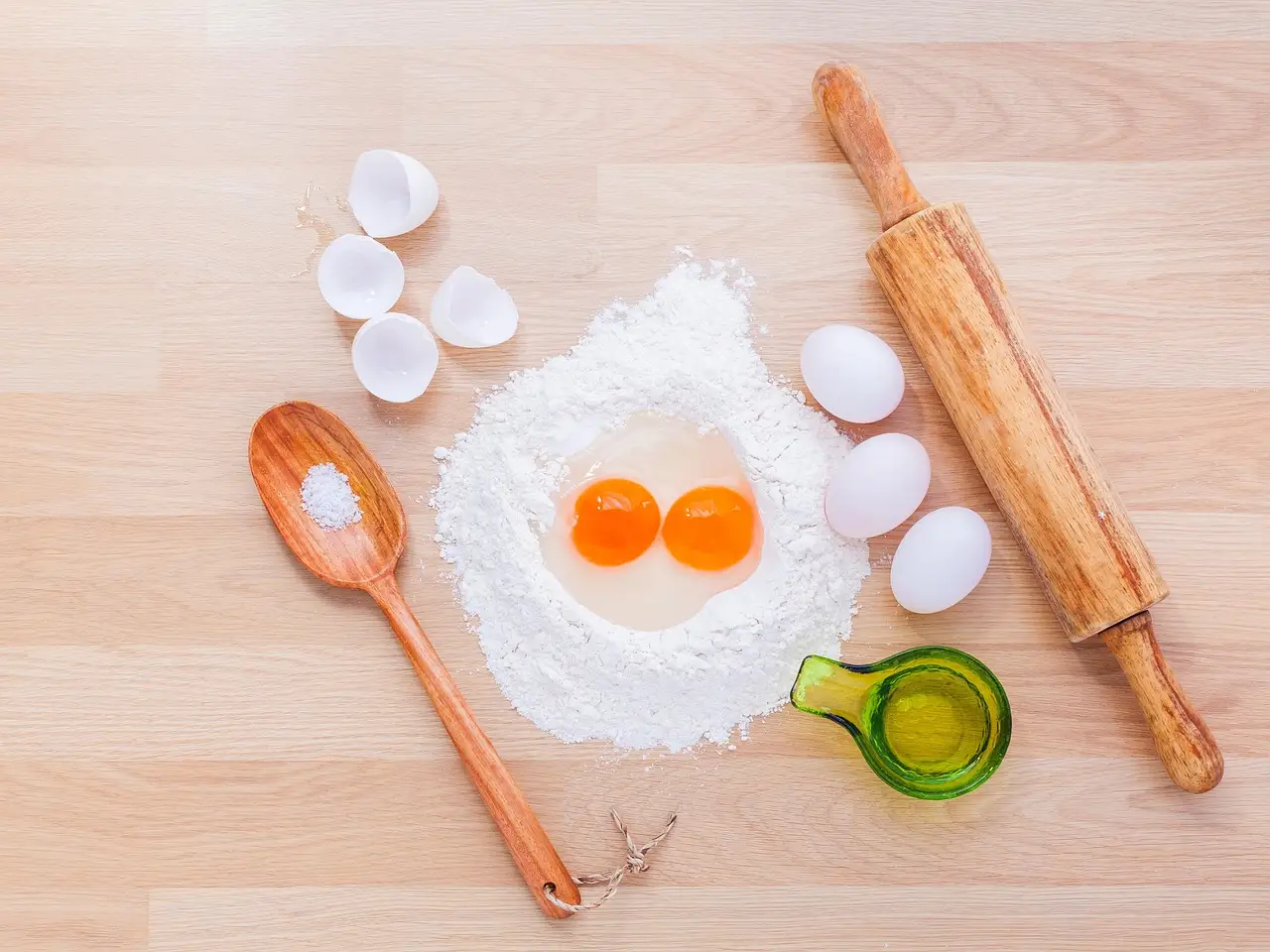
Here is a spreadsheet-style basket built for one shared shopping list. The prices are practical planning figures, not fixed market quotes, and they will move by store and region. The point is the structure: one basket, three spread sizes, and a clear cost per dessert and serving.
| Ingredient | Package size | Typical price | Shared use | Small spread share | Medium spread share | Party spread share |
|---|---|---|---|---|---|---|
| All-purpose flour | 5 lb bag | $4.50–$6.50 | Cookies, cake, brownies | $2.00 | $2.75 | $3.25 |
| Butter | 1 lb, 4 sticks | $4.00–$7.50 | Cookies, frosting, cake | $5.00 | $7.50 | $10.00 |
| Chocolate/chocolate chips | 12 oz bag | $2.50–$6.00 | Brownies, cookies, ganache | $4.00 | $6.00 | $8.00 |
| Sugar, granulated | 4 lb bag | $3.50–$5.50 | Cookies, cake, frosting | $1.25 | $1.75 | $2.25 |
| Sugar, powdered | 2 lb bag | $2.50–$4.00 | Frosting, glaze | $1.25 | $1.75 | $2.25 |
| Brown sugar | 2 lb bag | $2.50–$4.00 | Brownies, cookies | $0.75 | $1.00 | $1.25 |
| Eggs | 1 dozen, large | $2.50–$5.00 | Cake, cookies, custards | $3.00 | $4.50 | $6.00 |
| Vanilla extract | 2 oz bottle | $4.00–$10.00 | All desserts | $2.50 | $3.50 | $4.50 |
| Food coloring or decorations | Gel or small pack | $2.00–$8.00 | Color, hearts, finishing | $2.50 | $4.00 | $6.50 |
| Packaging | Boxes or bags | $2.00–$8.00 | Gifting and transport | $2.00 | $3.50 | $5.00 |
| Total basket cost | $24.25–$29.25 | $35.25–$48.75 | $49.75–$69.75 | |||
| Estimated desserts | 3 | 4 | 5 | |||
| Estimated servings | 18–24 | 32–40 | 60+ | |||
| Cost per dessert | $8.08–$9.75 | $8.81–$12.19 | $9.95–$13.95 | |||
| Cost per serving | $1.01–$1.63 | $0.88–$1.52 | $0.83–$1.16 |
Small spread: 3 desserts, 6 to 8 servings each
A small spread works well when you want cookies, brownies, and one simple cake or loaf-style dessert. It is the best fit for two people or a tiny family night, especially if you already have oil, salt, and baking powder on hand.
Medium spread: 4 desserts, 8 to 10 servings each
A medium spread gives enough variety for a dinner group without multiplying the shopping list too much. This is where shared ingredients really help, because one cake base can become cupcakes, one brownie pan can become layered bars, and one cookie dough can be shaped two ways.
Party spread: 5 desserts, 12 or more servings each
A party spread is where price control starts to break if you buy every item separately. Use one shared basket and let presentation do the work. A simple chocolate dessert, a frosted tray, and two pan desserts usually cost less than five fully decorated recipes.
Which baking ingredients are worth buying in bulk?
The best bulk buys are the ingredients that show up in more than one dessert and store well between bakes. For Valentine’s desserts, that usually means flour, sugar, butter if you will bake more than once, eggs only when you know you will use them, chocolate, and vanilla extract.
All-purpose flour and sugar
All-purpose flour is the easiest bulk buy because it moves across cookies, brownies, and cake, and it can usually replace part of cake flour in a pinch. Granulated sugar earns the same status because it appears in doughs, batters, and frostings. Brown sugar is worth it if brownies are on the menu.
Butter and eggs
Butter is a better bulk buy when you are making frosting, cookies, and a rich cake in one weekend. The drawback is price volatility, which can swing a basket fast. Eggs are worth buying in bulk only if you know you will use the full carton soon, because they are central to cakes and many cookie formulas.
Chocolate and vanilla extract
Chocolate is the ingredient most likely to swing the final bill. Store-brand chips can be enough for brownies and cookies, while premium bars make ganache and dipped decorations cost more. Vanilla extract looks small on the shelf, yet it spreads across every dessert, so the per-teaspoon cost matters.
How to price the ingredients that drive the bill
Price the basket by the ingredient that will be used the most, then divide that purchase across the desserts that use it. That gives a better cost-per-dessert number than assigning the full package to one recipe. It also exposes where a premium choice is actually worth paying for.
All-purpose flour and substitution flexibility
A 5-pound flour bag usually covers multiple recipes with some room to spare. If cake flour is unavailable, a measured swap with all-purpose flour can reduce the need for a second buy. That flexibility makes flour one of the safest places to keep the basket cheap.
Butter, stick counts, and salted versus unsalted
Butter is usually sold in sticks, which makes planning easier. Four sticks can be enough for a tray of cookies plus frosting, but a layered cake and chocolate frosting can use more than you expect. Unsalted butter is the safer buy for baking control; salted butter can work if the recipe is forgiving.
Chocolate chips, bars, and cost per ounce
Chocolate chips are the easiest budget move for brownies and drop cookies. Bars and premium baking chocolate cost more per ounce but melt better for ganache, drizzling, and glossy finishes. For a Valentine spread, that difference is usually worth it only for one focal dessert.
Eggs, size grades, and recipe impact
Large eggs are the most common planning baseline for home baking. Cakes depend on them more than cookies do, and custard-style desserts depend on them even more. If egg prices are high, choose dessert forms that use fewer eggs overall, such as drop cookies and brownies.
How do I keep a Valentine’s dessert table cheap?
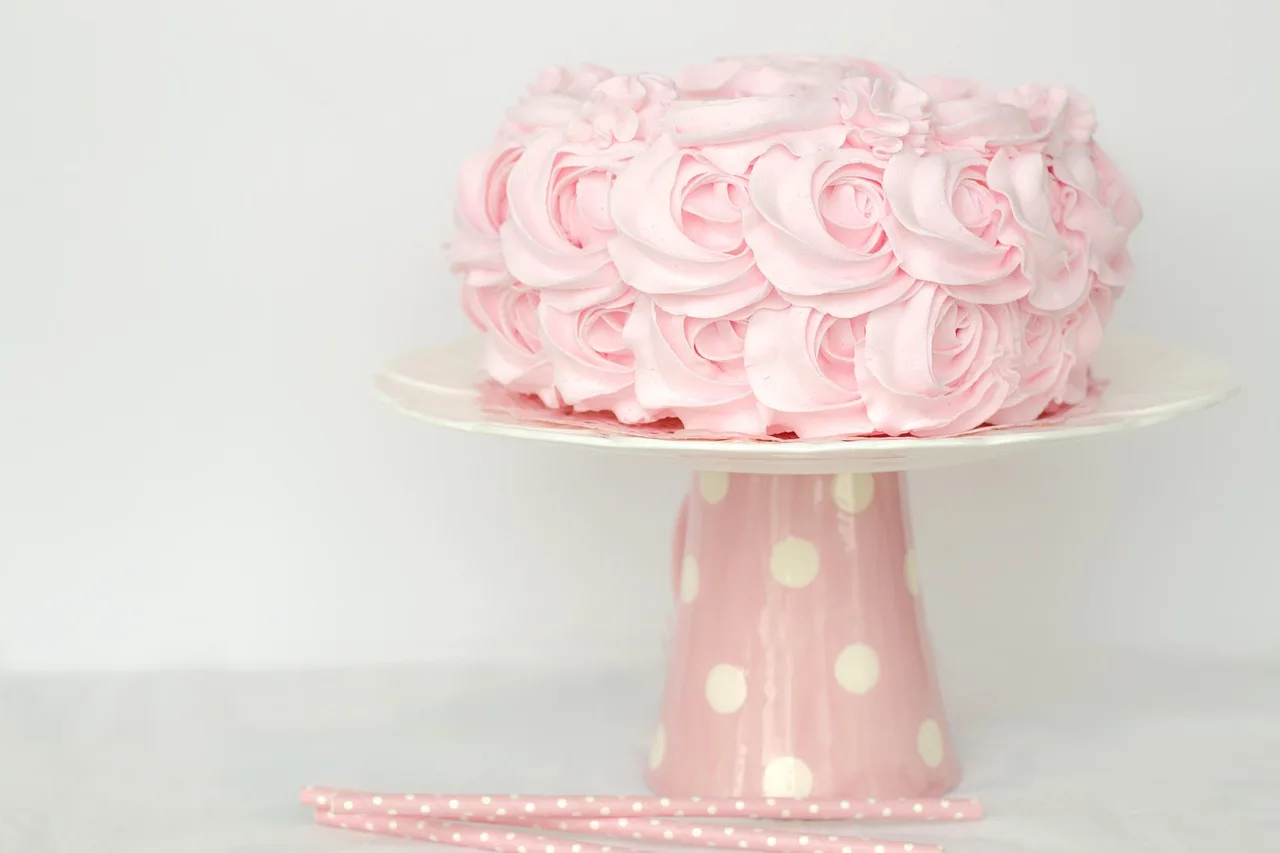
Keep the table cheap by using one dough or batter in two formats, cutting decorative extras to the minimum, and buying only the packaging you will actually use. Make-ahead planning also helps, because it lets you bake in stages instead of grabbing convenience items at the last minute.
- Pick one base for two desserts, such as cookie dough for bars and thumbprints.
- Choose one chocolate purchase and use it in brownies, drizzles, or filling.
- Limit color to one accent shade.
- Skip decorative extras that do not change flavor.
- Buy boxes or bags only for the desserts you plan to give away.
- Bake the dry items first, then finish frosting or decorating the next day.
Use one dough or batter in two formats
This is the easiest way to stretch a basket. One cookie dough can become sandwich cookies and slice-and-bake rounds. One cake batter can become a loaf and a small layer cake. One brownie batter can become plain bars and layered dessert squares.
Skip or limit decorations that add little value
Food coloring, sprinkles, and sanding sugar are optional unless the dessert table needs a strong Valentine look. If the goal is cost control, one red accent is enough. A single gel color usually gives more visual payoff than several cheap bottles of liquid color.
Buy only the packaging you need
Packaging is easy to overspend on because it feels small at checkout. If the desserts stay at home, skip gift boxes. If they are being shared, count how many pieces actually leave the kitchen, then buy bags or boxes for that number only.
Plan make-ahead items first
Make-ahead items are the best way to keep both cost and stress down. Cookies, brownies, and cake layers can be baked early, then frosted or stacked later. This also helps you avoid emergency store runs for extra butter, sugar, or toppings.
What can I reuse across cookies, brownies, and cake?
Most of the core basket can move across all three desserts. The shared items are flour, sugar, eggs, butter, vanilla, and chocolate. The separate buys are usually frosting sugar, special decorations, and any filling or topping that belongs to just one dessert.
Shared dry ingredients
All-purpose flour, granulated sugar, brown sugar, cocoa powder, baking powder, and salt form the dry base for the spread. If you keep these consistent, one shopping list can cover more than one texture without much waste.
Shared fat and dairy ingredients
Butter appears in cookies, cake, frosting, and many brownie formulas. Eggs do the same, though the count changes by recipe. If you want to reduce total spend, choose desserts that use the same fat and dairy ingredients instead of buying extra cream or specialty dairy items.
Shared flavorings and finishes
Vanilla extract ties the whole spread together. Chocolate can appear as chips, chopped bars, melted drizzle, or ganache. A small amount of food coloring or a pinch of sprinkles can finish all three desserts, but it should stay optional, not built into the cost baseline.
Where a separate purchase is worth it
Powdered sugar is worth its own line if frosting matters. Heavy cream is worth it if one dessert needs a ganache or whipped topping. A second chocolate type is only worth buying when one dessert needs a different melt or a more polished finish than the others.
Frequently asked questions
How much do Valentine’s Day baking ingredients cost for a full dessert spread?
A full home-baked spread usually falls between $24 and $42 for a small set of 2–4 desserts, then rises with decorations, premium chocolate, and packaging. The fastest way to hold the bill down is to reuse flour, sugar, butter, eggs, vanilla, and one chocolate purchase across every dessert.
What ingredients do I need for a Valentine’s Day dessert spread at home?
Start with all-purpose flour, sugar, butter, eggs, vanilla extract, and chocolate or chocolate chips. Then add powdered sugar if frosting is on the menu, plus optional food coloring, heart sprinkles, and packaging. That mix covers cookies, brownies, cake, and simple finishing touches.
How much should I budget for cookies, brownies, and a cake for Valentine’s Day?
For a shared basket covering cookies, brownies, and a simple cake, plan roughly $24–$42 for a small spread, $35–$49 for a medium spread, and about $50–$70 for a party spread. Premium chocolate and decorated packaging are the fastest ways to push past those bands.
Which baking ingredients are worth buying in bulk for Valentine’s Day desserts?
All-purpose flour and sugar are the easiest bulk buys because they work across almost every dessert in the spread. Butter, eggs, chocolate, and vanilla extract also make sense if you are making several recipes. Bulk buys stop making sense when a single dessert uses only a small amount.
How many servings does a full Valentine’s Day dessert spread make?
A small spread with 3 desserts usually makes 18–24 servings. A medium spread with 4 desserts often makes 32–40 servings. A party spread with 5 desserts can reach 60 or more servings, depending on slice size, cookie count, and how the desserts are portioned.
What is the cheapest way to make a Valentine’s Day dessert table?
The cheapest table uses one shared batter or dough, one chocolate purchase, and one small decoration choice. Skip extra packaging unless you need it, and make the desserts ahead of time so you do not buy convenience items. Brownies and cookies usually give the best cost per serving.
How do I estimate ingredient cost per dessert for Valentine’s Day baking?
List each ingredient, note the package price, and divide by the amount you will actually use in the spread. Then assign shared items across all desserts, not just one recipe. That method gives a clearer cost per dessert than looking at each recipe in isolation.
What ingredients can I reuse across multiple Valentine’s Day desserts?
All-purpose flour, sugar, butter, eggs, vanilla extract, and chocolate are the main repeat items. Brown sugar and powdered sugar often repeat too if brownies and frosting are included. Decorations are the least reusable piece, so keep them optional unless the table needs a strong Valentine finish.
Products related to this article
Sponsored / affiliate links. As an Amazon Associate I earn from qualifying purchases. I may earn additional commission from eligible campaigns.