Valentine’s Day Snack Board Size Chart
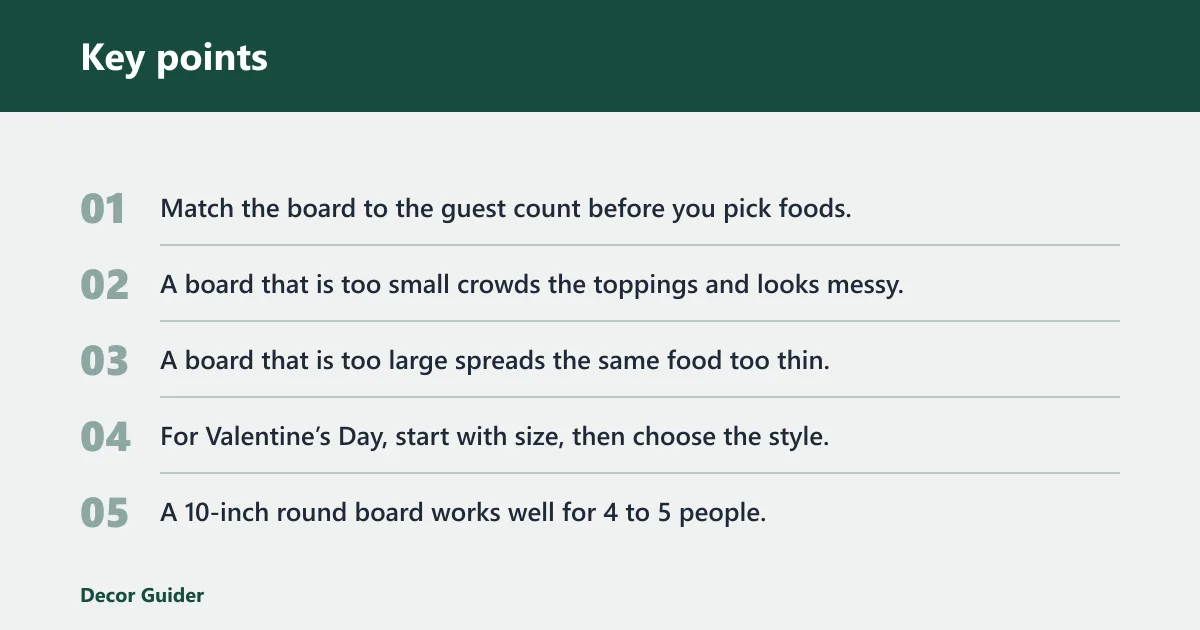
Match the board to the guest count before you pick foods. A board that is too small crowds the toppings and looks messy. A board that is too large spreads the same food too thin. For Valentine’s Day, start with size, then choose the style. A 10-inch round board works well for 4 to 5 people, a 14×18-inch rectangle suits about 10 guests, and two large boards are a better fit for 20.
Plan the surface and the portions together. A date-night board needs less food and tighter spacing. A party board needs more volume, more small bowls, and a shape that lets you repeat clusters without leaving wide gaps.
Why board size matters


What you’ll need
- Wood board, cutting board, serving tray, or a flat baking sheet
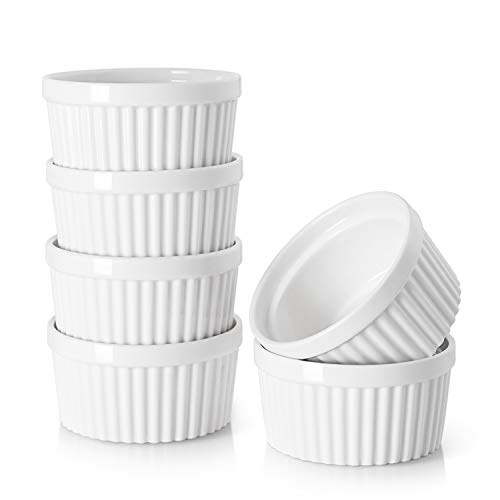
- Small bowls or ramekins for dip, candy, nuts, or jam
- Heart-shaped cutters for fruit, cheese, or sandwiches
- Strawberries, raspberries, grapes, or other red and pink fruit
- Cheese, crackers, candy, chocolate, and one savory item such as nuts or salami
- Food-safe paper if you need a temporary surface
Valentine snack board size chart
Use this chart as the sizing reference first, then adjust the food mix to fit the occasion. The counts below keep the board full without forcing you to overbuy. For kids, keep the portions lighter and the pieces smaller. For date night, use tighter clusters and fewer varieties. A 10-inch round board works well for 4 to 5 people, a 14×18-inch rectangle suits about 10 guests, and two large boards are a better fit for 20.
| Guest count | Recommended board or platter | Suggested food volume | Board shape | One board or two? | Note |
|---|---|---|---|---|---|
| 2 | 9 x 13-inch board or similar small platter | 8 to 12 ounces total | Round or small rectangular | One board | Best for date night; keep the spread compact and low to the board. |
| 4-6 | 10-inch round board | 16 to 24 ounces total | Round | One board | Good for a family snack board; kids do better with simpler clusters and less candy. |
| 8-10 | 14 x 18-inch rectangular tray | 32 to 40 ounces total | Rectangular | One board | Works well for grazing; use more bowls so the board stays organized. |
| 12-20 | Extra-large board, or two large wood boards | 48 to 80 ounces total | Large rectangle or two linked surfaces | Two boards for 20 | Best for a crowd; a paper-covered counter can stand in for part of the spread. |
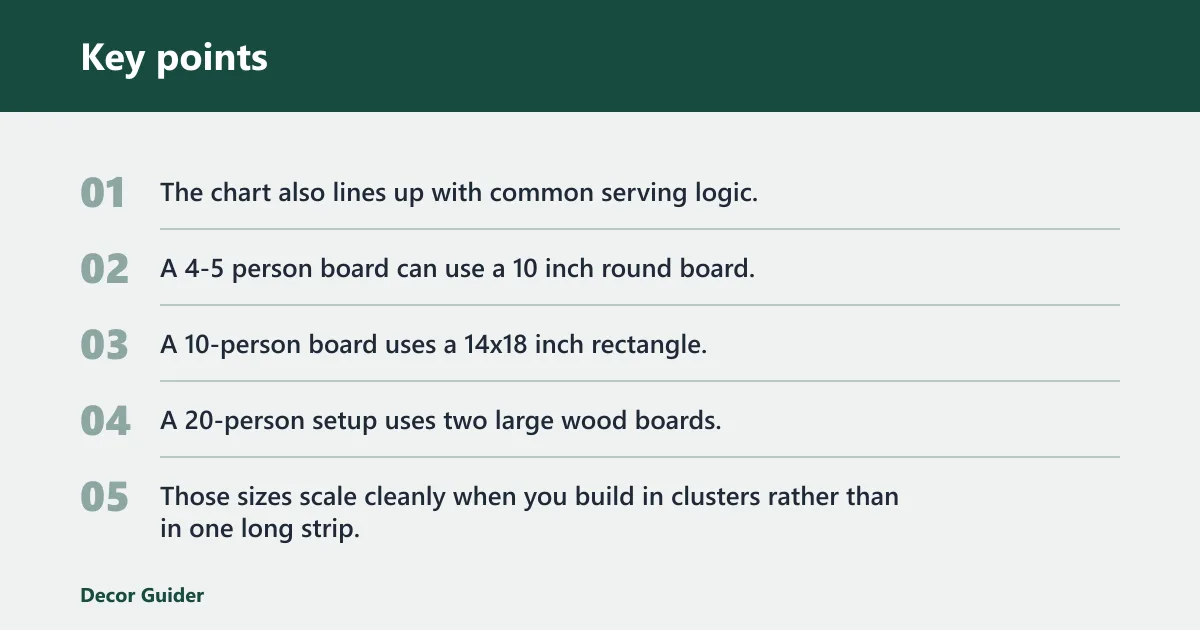
The chart also lines up with common serving logic. A 4-5 person board can use a 10 inch round board. A 10-person board uses a 14×18 inch rectangle. A 20-person setup uses two large wood boards. Those sizes scale cleanly when you build in clusters rather than in one long strip.
- Choose the surface for your guest count and clear it completely.
- Place bowls or ramekins first, because they anchor the layout.
- Add the largest items next, such as cheese blocks, folded salami, or stacked crackers.
- Group fruit, candy, and chocolate in tight clusters, not as scattered single pieces.
- Use heart-shaped cutters for one or two accent items, then stop before the theme takes over.
- Top up any open spaces with crackers, berries, or small chocolates, then recheck the full board.
If the board still looks thin, add 2 to 3 ounces of crackers or fruit to each open section and recheck the surface. That is usually enough to close the gaps without creating a pile. A common first-timer mistake is piling all the chocolate-covered treats into one corner and leaving the fruit and cheese sections undersized.
What board shape works best?
Round boards work best for intimate servings because the shape naturally centers a small amount of food and keeps the arrangement tidy. Rectangular trays are better for about 10 guests because they create more edge space for rows, bowls, and repeating clusters. For 20 guests, use two boards or one large surface.
Suppose you are serving four people on a 10-inch round board. A few cheese wedges, a short row of crackers, and two fruit clusters can look complete. If the same food goes on a 14 x 18-inch tray, it will look sparse unless you double the fruit or add another bowl.
How much food should you buy?
A common rule of thumb is about 4 to 6 ounces of food per person, with fruit, cheese, and crackers taking the largest share. Add candy and chocolate in smaller amounts, because they fill space fast. Sweet and savory both belong on the board, and red or pink foods help the theme without requiring extra volume.
Use this practical split: about half the food by weight from fruit and cheese, about a quarter from crackers or chips, and the rest from candy, chocolate, or other extras. For 2 people, that often means one small cheese, one fruit container, one cracker box, and one candy bowl. For 10 or 20, double or quadruple the fruit and cheese before you add more sweets.
Food mix by size
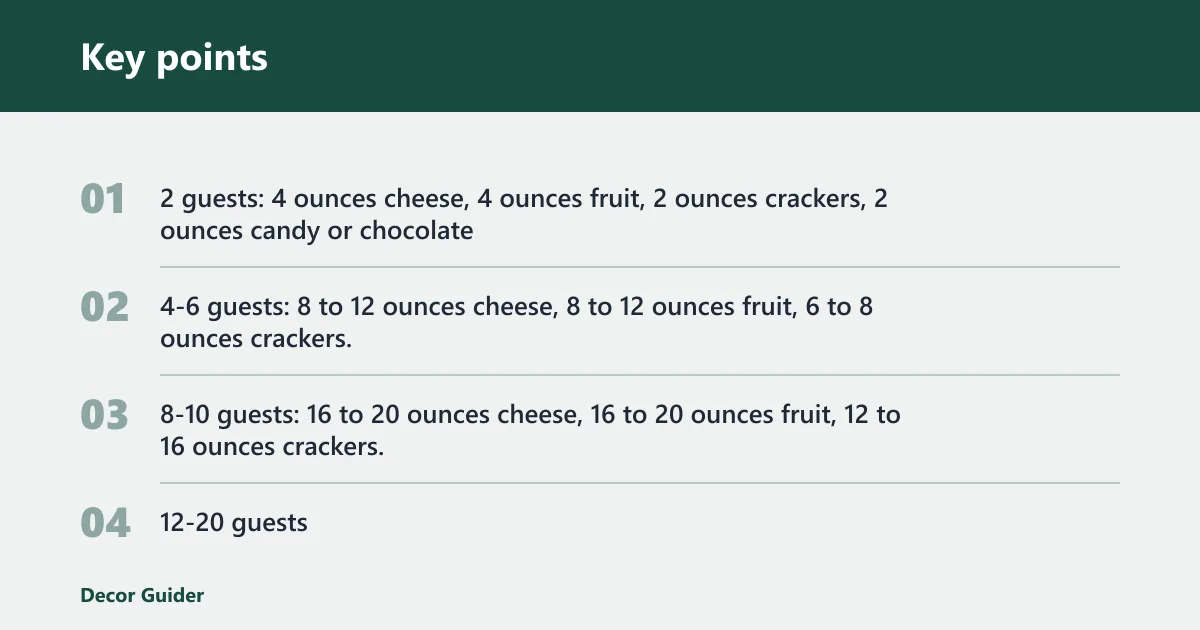
- 2 guests: 4 ounces cheese, 4 ounces fruit, 2 ounces crackers, 2 ounces candy or chocolate
- 4-6 guests: 8 to 12 ounces cheese, 8 to 12 ounces fruit, 6 to 8 ounces crackers, 4 to 6 ounces candy or chocolate
- 8-10 guests: 16 to 20 ounces cheese, 16 to 20 ounces fruit, 12 to 16 ounces crackers, 8 to 10 ounces candy or chocolate
- 12-20 guests: 24 to 40 ounces cheese, 24 to 40 ounces fruit, 20 to 32 ounces crackers, 12 to 20 ounces candy or chocolate
What can you use instead of a board?
A baking sheet works for casual servings, especially if you need a flat surface for a few people. A cutting board or serving tray is better for a small group. For larger parties, a food-safe paper-covered counter can act as a temporary base when you need more room than one platter allows.
If you use food-safe paper, keep the food in compact groups and use bowls for anything wet or sticky. That helps the spread stay clean and gives you a larger footprint without buying a bigger board. A large serving tray or platter is still the cleanest choice when you have one available.
How do you make it look full without overbuying?
Use repeated clusters, not a single layer of items. Put fruit in two or three small piles, stack crackers in short fans, and tuck candy into the gaps between larger foods. A full board comes from spacing and placement, not from piling on extra groceries.
Use the board’s edges first, then fill the middle. Heart-shaped pieces help because they read as decorative while taking up little room. If the board looks bare, add one more bowl or one more fruit cluster before you buy another package of every item.
How do you prep it ahead and keep it fresh?
Make-ahead prep is easiest when the board is large enough to hold separate zones. Wash and dry fruit before assembly, because surface moisture makes crackers soft and candy sticky. Assemble the dry items first, then add fruit near serving time. Chill briefly if needed, and cover the board before it goes out.
To slow browning, cut fruit close to serving time or use citrus on apples and pears. Keep chocolate and candy away from very wet fruit. For larger boards, chill only the parts that need it, then set the board out in stages so the surface does not sweat.
Picture a 10-person tray with strawberries, cheese cubes, crackers, and chocolate hearts. If the fruit goes on too early, the strawberries can soften the nearby crackers. A short chill and late fruit placement keep the texture better without changing the board size.
Common mistakes
The biggest mistakes are choosing the wrong surface, buying too much candy, and spacing the food too far apart. A small board for a crowd looks crowded fast. A huge board for two looks empty even when the food amount is fine.
Another problem is skipping the savory side. A Valentine board should include both sweet and savory treats, because the mix keeps the board from feeling like a dessert tray. Skip the extra themed pieces if they make the board harder to eat or harder to fit.
Frequently asked questions
What size board do I need for a Valentine’s Day snack board?
Use a 10-inch round board for 4 to 5 people, a 14×18-inch rectangle for about 10 guests, and two large boards for 20. Match the board to the food volume, not the room size.
How big should a snack board be for two people?
A small board is enough for two, and a 10-inch surface is a practical target. Keep the food around 8 to 12 ounces total, with one cheese, one fruit, one cracker, and a small sweet element. That gives you variety without making the board look overfilled.
How many snacks go on a Valentine’s Day snack board?
Count by ounces, not by item count. A useful target is about 4 to 6 ounces of food per person, with fruit and cheese taking most of the space. Add one or two sweet items and one savory item so the board feels complete without becoming cluttered.
What can I use if I don’t have a charcuterie board?
A baking sheet, cutting board, or serving tray will work. For a bigger crowd, a food-safe paper-covered counter gives you extra room and makes cleanup easier. Use bowls or ramekins to hold anything wet, sticky, or loose so the surface stays organized.
How do I make a snack board look full without overbuying?
Build in clusters and fill gaps with small pieces. Put the largest items down first, then add fruit, crackers, and candy in repeating groups. If the board still looks open, add 2 to 3 ounces of one item instead of buying more of everything.
Should a Valentine’s snack board include sweet and savory foods?
Yes. A balanced board should include both. Fruit, cheese, and crackers give the board structure, while candy and chocolate add the holiday feel. Red and pink foods help with the theme, but the savory side keeps the spread useful for real snacking.
What is the best platter shape for a Valentine’s Day snack board?
Round works best for 2 to 6 people because it feels centered and easy to fill. Rectangular trays work best around 10 people because they hold more rows and bowls. For 20 guests, use two boards or one large rectangular setup so the food does not stretch too thin.
Products related to this article
Sponsored / affiliate links. As an Amazon Associate I earn from qualifying purchases. I may earn additional commission from eligible campaigns.