Rosemary Salmon vs Garlic Butter Shrimp
Garlic Butter Shrimp wins on speed and gloss, while Rosemary Salmon gives you a fuller, more composed flavor. Pick shrimp for a quick date-night dinner and salmon for a plated main with more presence. Choose badly, and the meal can feel too heavy or too plain for the evening. This guide compares flavor, time, richness, and presentation so you can choose the better romantic seafood dinner for two.
| Decision factor | Rosemary Salmon | Garlic Butter Shrimp | Winner |
|---|---|---|---|
| Taste profile | Earthy rosemary, lemon, and salmon’s fuller flavor | Butter, garlic, and a brighter lemon finish | Rosemary Salmon for depth; Garlic Butter Shrimp for instant richness |
| Cook time | About 3–5 minutes per side when pan-seared | About 1–3 minutes per side depending on size and heat | Garlic Butter Shrimp |
| Difficulty | Needs tighter sear control for a moist center-cut fillet | Quick, but garlic and shrimp both punish high heat | Tie |
| Cost sensitivity | Often costlier per plate because fillets are larger | Can be more flexible if you buy shrimp by count and portion carefully | Garlic Butter Shrimp |
| Reheat quality | Usually better for leftovers if gently rewarmed | Can turn rubbery fast if reheated hard | Rosemary Salmon |
| Best use case | Main-course feel for a composed plated dinner | Fast, glossy, restaurant-style seafood for two | Tie |
Rosemary Salmon shrimp
Taste profile
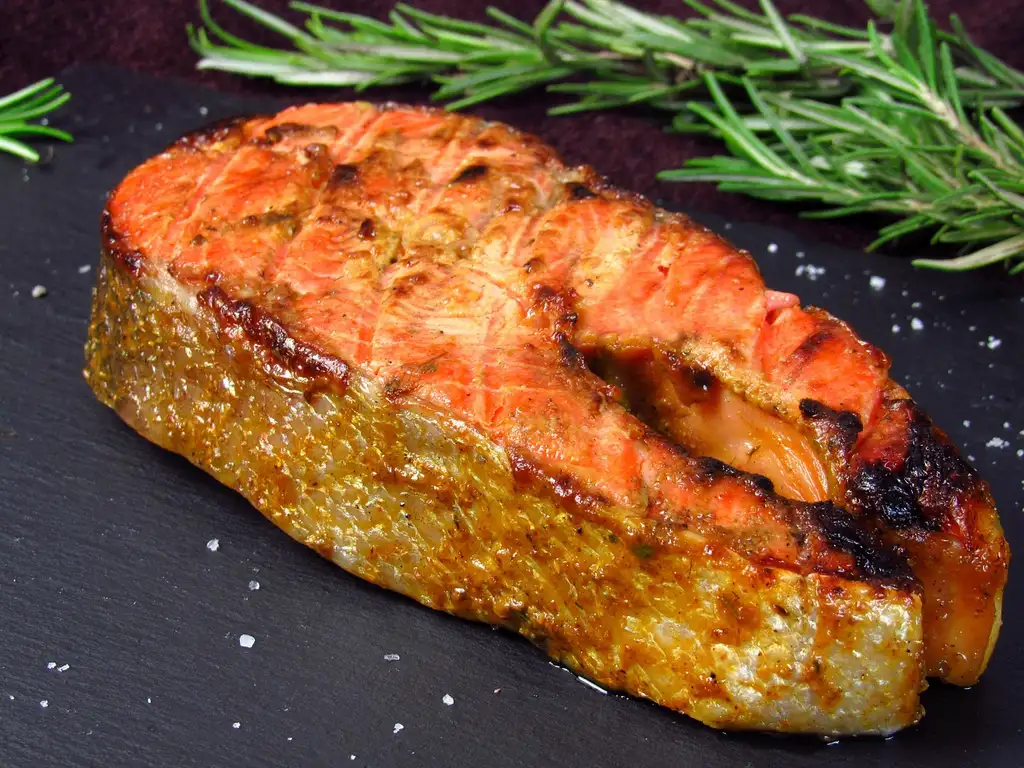
Rosemary Salmon leans savory and herbal. Rosemary adds a pine-like note that works well with lemon and garlic, and it gives salmon a clearer, more dinner-party style profile. Garlic Butter Shrimp is more direct: buttery, garlicky, and brighter when lemon is added.
Cook time, difficulty, and heat control
Shrimp wins on speed because they often cook fast, about 1–3 minutes per side depending on size and heat. Salmon usually needs about 3–5 minutes per side in a skillet, so it takes a bit longer and needs more attention to keep the center moist while the surface sears.
Cost sensitivity, reheat quality, and best use case
Garlic Butter Shrimp can be easier to scale down for two people if you buy by count and keep portions modest. Rosemary Salmon is the better leftover choice because salmon reheats more politely than shrimp, which can turn tough if warmed too aggressively. For a plated main with more presence, salmon usually has the edge.
What makes rosemary good with salmon?
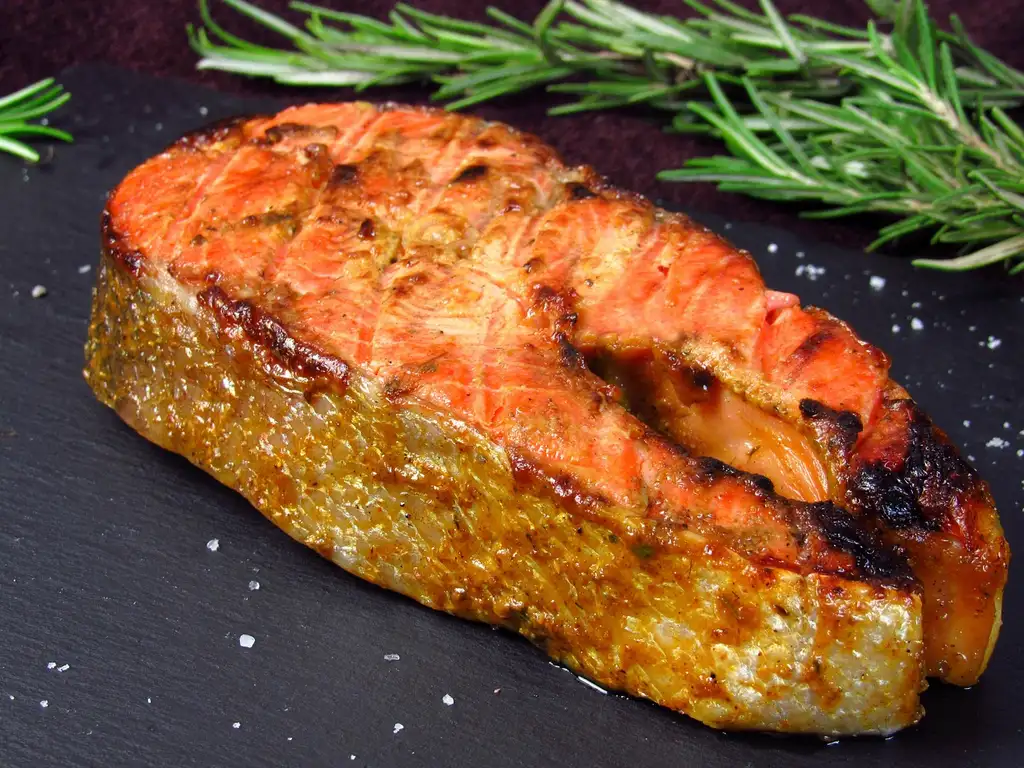
Rosemary works with salmon because it cuts through the fish’s natural richness without masking it. The herb adds a woody, savory note that feels cleaner than a heavy cream sauce, and lemon keeps the profile bright instead of flat. If you want the fish to taste composed rather than saucy, rosemary is a strong fit.
How rosemary changes salmon flavor
Use fresh rosemary for a sharper, more aromatic finish. If dried rosemary is all you have, use it sparingly. A little goes a long way. Too much can dominate the fish, especially on a mild fillet, so rosemary should read as an accent rather than the main flavor.
Best salmon cut, thickness, and sear cues
Choose center-cut or standard salmon fillets, ideally skin-on or cooked skin-side down first for better structure. A common portion is 6 to 8 oz per person, and thicker pieces are easier to sear without drying out. Salmon should flake easily but stay moist, not look chalky or dry at the edges.
When lemon, garlic, or butter fit the profile
Lemon supports rosemary by sharpening the herb’s flavor. Garlic can join the pan, but it should stay in the background so the salmon still tastes like salmon. Butter works best in a light pan sauce or finish, not as a heavy cloak that buries the herb profile.
Picture a 1-inch-thick center-cut fillet in a hot skillet: the skin crisps, the rosemary perfumes the pan, and lemon finishes the plate. If the same fillet gets buried under too much butter, the herb note weakens and the dish loses its clean edge.
Does garlic butter shrimp feel more date-night ready?
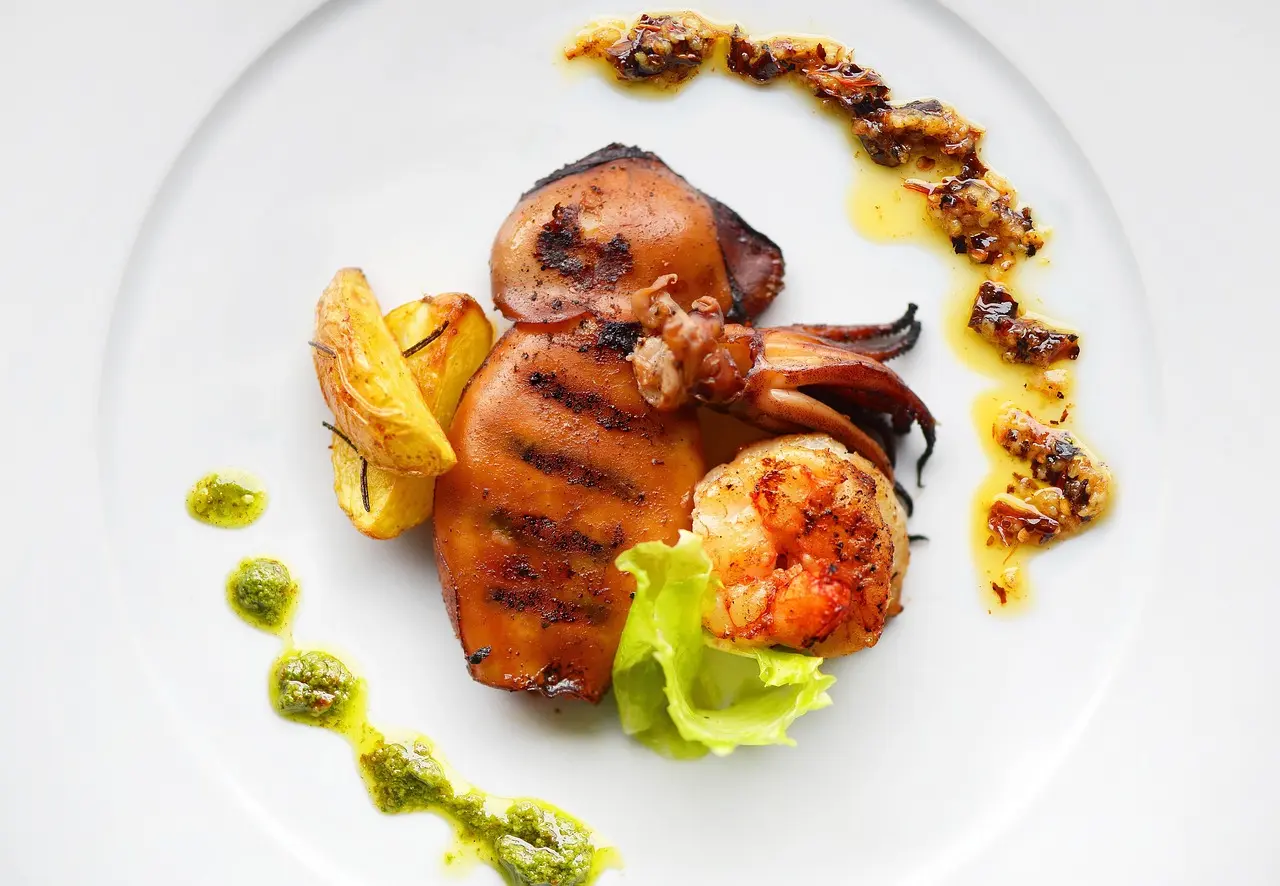
Yes, Garlic Butter Shrimp often reads as more immediately romantic on the plate because the sauce glistens and clings to the shrimp. It feels richer and faster than salmon, and the butter-garlic-lemon combination gives you a restaurant-style finish without much waiting. That said, it can feel heavier if the sauce gets too creamy.
Why butter sauce reads richer on the plate
Garlic butter sauce is built from butter, fresh minced garlic, and usually lemon juice or broth. Some richer versions add cream and Parmesan, which push the dish into a more indulgent lane. Keep the heat at medium or lower once garlic goes in so it stays sweet and pale instead of burning and turning bitter.
Garlic, lemon, and fresh herb balance
Garlic gives shrimp its strongest savory note. Lemon keeps the butter from tasting flat, and a small amount of fresh rosemary can work in the sauce when you want a more herbal profile without losing the shrimp’s sweet flavor. Fresh parsley often appears in these dishes too, but rosemary changes the comparison most clearly.
When cream and Parmesan make sense
Cream sauce makes sense if you want the meal to feel more restaurant-style and indulgent. A heavy cream base needs low or medium heat to avoid separation, especially once Parmesan is added. This version is best when you want sauce as the main event, not just a light glaze.
Suppose you serve shrimp over linguine with a butter sauce and a little lemon zest. The plate looks polished with very little effort, but if the pan stays too hot after the garlic goes in, the sauce can go bitter before the shrimp finish turning pink and opaque.
How do you cook both without overcooking?
Cook both carefully by matching heat to each protein. Salmon needs medium-high heat for searing, while garlic and sauce need medium or lower heat so they do not scorch. Shrimp cook faster than salmon, so if you cook both in one pan, the salmon usually starts first and the shrimp finish later.
Pan temperature cues for salmon and shrimp
A large skillet or a non-stick or cast iron pan works best for one-pan cooking. For salmon, the pan should be hot enough to sear the fish immediately when it hits the surface. For shrimp, lower the heat once the butter and garlic go in, because the sauce stage can outrun the seafood stage if the burner stays too high.
One-pan timing chart: which protein starts first
| Step | Rosemary Salmon | Garlic Butter Shrimp |
|---|---|---|
| 1 | Pat dry, season, and place in the hot skillet first | Wait; do not add yet |
| 2 | Sear 3–5 minutes on the first side | Wait; prep garlic and butter sauce ingredients |
| 3 | Flip and cook until it flakes easily but stays moist | Add shrimp after salmon is nearly done if cooking together |
| 4 | Rest briefly | Cook 1–3 minutes per side until pink and opaque |
Doneness benchmarks for flaky salmon and pink shrimp
Salmon is done when it flakes easily with a fork but still looks moist in the center. Shrimp are done when they turn pink and opaque and curl into a loose C shape. If shrimp curl into a tight O and feel springy, they may be overcooked.
Salmon and shrimp nutrition
Salmon usually brings more omega-3 fats, while shrimp is leaner and lower in fat. Protein is strong in both, but the final nutrition picture depends on the sauce and portion size. A butter-heavy or cream-heavy version can move either dish toward a richer plate.
Omega-3 fats, protein, and fat content
Salmon is generally the better choice if you want more omega-3s and a richer fish. Shrimp gives you a leaner protein with less fat before sauce is added. That makes shrimp a cleaner starting point if you want the meal to stay lighter.
How sauce choice changes the nutrition picture
Garlic butter adds fat quickly, and a cream sauce adds more. Lemon, broth, and herbs keep the plate lighter than cream and Parmesan. If nutrition matters more than indulgence, the sauce matters almost as much as the seafood.
Portion-size notes for two people
For salmon, 6 to 8 oz per person is a common dinner portion. Competitor recipes also use 1 large salmon fillet weighing 1–1.5 lb, or 2 salmon fillets paired with shrimp in mixed dinners. For shrimp, common counts include 16-20, 21-25, or 31-40 per lb; peeled and deveined shrimp are the easiest to cook evenly.
Best Valentine dinner choice
Choose Rosemary Salmon if you want a cleaner herbal profile and a main dish that feels composed on the plate. Choose Garlic Butter Shrimp if you want faster results, more gloss, and a richer first bite. For a two-person dinner, the better pick depends on whether you want elegance or immediacy.
Choose Rosemary Salmon if you want a cleaner herbal profile
Rosemary Salmon is the better choice when you want a more structured plate with lemon, herbs, and a moist center-cut fillet. It also works well if you expect leftovers, because salmon reheats better than shrimp when warmed gently. This is the safer choice for a more composed dinner.
Choose Garlic Butter Shrimp if you want faster, richer results
Garlic Butter Shrimp is the better choice when speed matters and you want a sauce-forward dinner. It fits well when the goal is a glossy, richer dish with minimal waiting. If you want the most “special occasion” feel in the shortest time, shrimp usually wins.
Which one plates better with pasta, rice, or vegetables?
Garlic Butter Shrimp has the edge with pasta because the sauce can coat the noodles. Salmon works especially well with rice, potatoes, asparagus, or a simple vegetable side, where the fish stays the center of the plate. Both benefit from bread, which helps gather the sauce.
Serving ideas for two
For a polished two-person dinner, keep the plate simple and tidy. Put the seafood on top of or beside one starch, then add one green vegetable and a final squeeze of lemon. The goal is a clear main, not a crowded plate.
Pasta, rice, potatoes, asparagus, and bread
Pasta suits Garlic Butter Shrimp best because the sauce settles into the noodles. Rice and potatoes suit Rosemary Salmon well because they absorb the pan juices without making the fish feel buried. Asparagus works with either dish, and bread helps if you want to keep the sauce on the table.
How to plate seafood for a polished look
Use a warm plate, place the protein slightly off-center, and spoon the sauce around it rather than over every inch. Keep garnishes small: lemon zest, chopped herbs, or a few grinds of black pepper. Clean edges make the meal look intentional.
Simple make-ahead steps that keep texture intact
Pat the seafood dry ahead of time and prep the garlic, lemon, and herbs before the pan goes on. If you need to hold one component, keep it loosely covered and warm, not steaming hot. Steam softens seared fish and can make shrimp rubbery.
- Dry the salmon and shrimp thoroughly before cooking.
- Season the salmon first, then set the shrimp aside until the pan is ready for them.
- Start the salmon in a hot skillet, then lower the heat before adding garlic or sauce ingredients.
- Add shrimp only after the sauce is ready to finish quickly.
- Serve immediately with a simple starch and one vegetable.


Frequently asked questions
Is rosemary good with salmon?
Yes. Rosemary is one of the better herbs for salmon because it gives the fish a savory, woodsy note that stands up to lemon and butter. Use it lightly so the herb supports the fish instead of hiding it. Fresh rosemary gives the brightest aroma.
Does rosemary go with salmon?
Yes, and it works especially well with center-cut fillets or skin-on pieces seared in a hot pan. Rosemary pairs naturally with lemon, garlic, and a small amount of butter. If you want a more composed dinner plate, rosemary is a strong match.
Can you use rosemary with fresh salmon?
Yes. Fresh salmon and fresh rosemary are a good combination when you want a clean, fragrant result. A little rosemary goes far, so keep the seasoning balanced and let the fish remain the main flavor. Lemon helps keep the dish bright.
What is healthier, salmon or shrimp?
It depends on what you mean by healthier. Salmon is usually higher in omega-3 fats, while shrimp is leaner and lower in fat. Sauce choice matters too, because butter, cream, and Parmesan can change the nutrition picture more than the seafood itself.
Is salmon and garlic a good combination?
Yes. Garlic works with salmon in both pan-seared and baked versions, especially when lemon is nearby to keep the flavor balanced. The key is not to burn the garlic, because it turns bitter fast. Use medium or lower heat once garlic hits the pan.
Can I make garlic butter salmon and shrimp in one pan?
Yes, but timing matters. Start the salmon first because it takes longer, then add shrimp later so both proteins finish together. Keep the sauce moving at medium or lower heat, and stop cooking as soon as the shrimp turn pink and opaque.
Products related to this article
Sponsored / affiliate links. As an Amazon Associate I earn from qualifying purchases. I may earn additional commission from eligible campaigns.