Ceramic Cookware Cost
Ceramic cookware usually ranges from about $20 to $150 for a single pan and about $60 to $300 for a set. The better buy is the one that still works after the coating price is long forgotten. Buy badly, and you may pay less at checkout but replace pans sooner, which raises the real cost per year. This guide breaks down price by pan type, what drives cost, and how to compare cheap and midrange options by lifespan.
Price drivers and typical costs for ceramic pans and sets


Ceramic cookware pricing depends on format first, then on core material, lid count, induction compatibility, and the length of the coating warranty or expected life. A light skillet with a basic aluminum core can sit near the low end, while a larger set with more lids, accessories, and induction-ready construction can move into premium territory fast.
Typical price bands for individual pans
Single ceramic frying pans usually cost less than full sets, but size matters. An 8-inch pan often lands at the low end because it uses less material, while 10-inch and 12-inch pans cost more because they need more coating, a larger base, and a stronger handle. Induction-ready versions and higher oven-safe ratings usually add to the price.
Pay for the size you need, then add only the features you will actually use. A pan that fits your cooktop and oven is worth more than a cheaper model that forces tradeoffs later.
Typical price bands for cookware sets
Sets are usually sold as 2-piece, 7-piece, 9-piece, 12-piece, or 16-piece bundles. Lower-priced sets often cover only the basics, while larger sets may include lids, utensils, or storage pieces. Good Housekeeping lists a 12-piece ceramic set at $80 and a 16-piece set at $409 on sale, which shows how wide the market can be.
Set value rises when the pieces are the ones you will keep on the counter and use often. It falls when the bundle repeats sizes you will not need or adds accessories that take up storage space without changing cooking results.
What changes the sticker price
The biggest price drivers are core material, induction compatibility, lid count, size, and brand tier. Zwilling lists aluminum as the material for 40 ceramic cookware results and induction compatibility for 21 ceramic cookware results, which shows that the same material family can still split into different price brackets depending on build and feature set.
Higher prices often reflect thicker construction, better lid fit, more polished handles, and broader cooktop compatibility. They do not automatically mean the coating lasts longer, so price and durability still need separate checks.
Ceramic frying pan prices
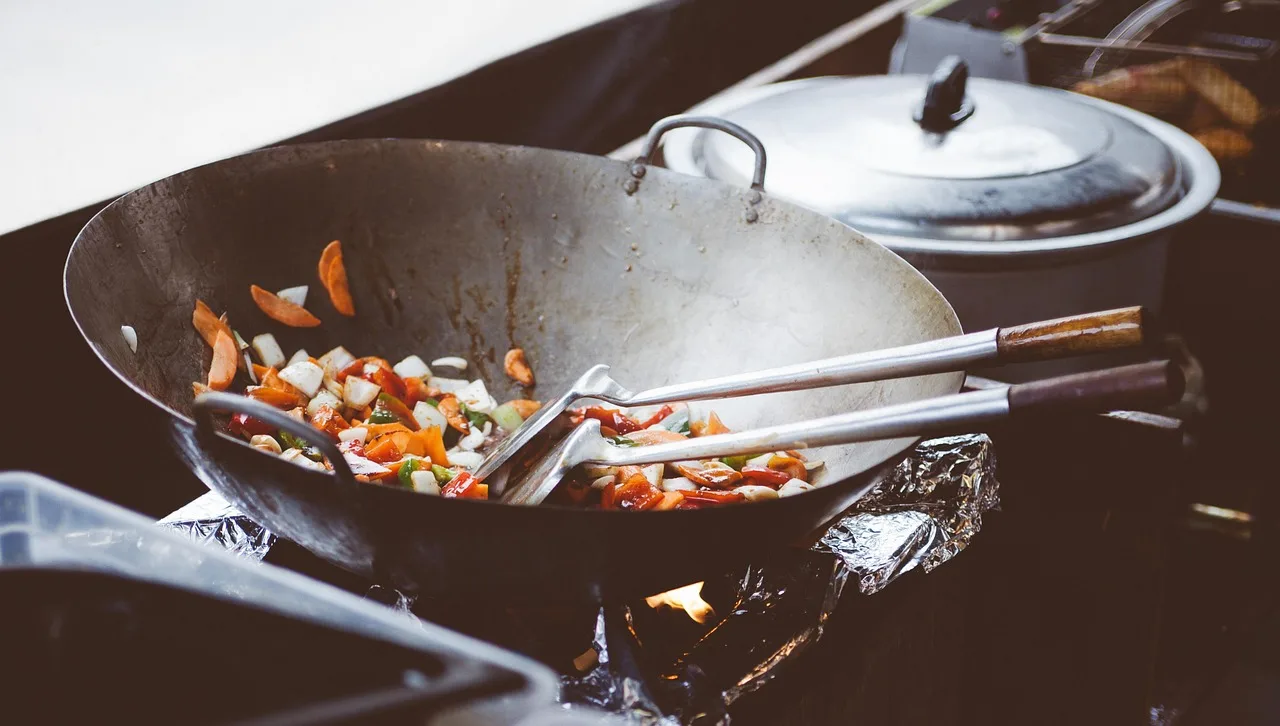
A fair price for a ceramic frying pan depends on size, core material, and whether you need induction compatibility. For many home cooks, a single pan is the smarter buy when replacing one worn skillet, trying ceramic for the first time, or matching an existing set instead of starting over.
8-inch, 10-inch, and 12-inch price ranges
An 8-inch ceramic frying pan is often the least expensive size and works well for eggs or single servings. A 10-inch pan is the most versatile size for everyday cooking, so it often commands a higher price. A 12-inch pan usually costs the most of the three because it uses more material and often includes a larger lid or heavier base.
For a fair-value purchase, compare size to household use. If one pan will handle most breakfasts and quick sautés, a 10-inch model is usually the best place to spend. If you cook for more people, a 12-inch pan can be worth the extra cost because it reduces crowding.
Induction-ready and oven-safe price differences
Induction-ready ceramic pans generally cost more because the base must work with magnetic cooktops, not just gas or electric burners. The same source notes one ceramic set that is oven-safe up to 600°F, but most buyers should treat oven-safe claims as a check item, not a reason to assume every pan can handle the same heat.
A pan that can move from stovetop to oven expands what you can cook, but the added capability can also raise the price. If you do not use induction or oven finishing, do not pay extra for those features.
When a single pan makes more sense than a set
A single pan makes more sense when you already own lids, want to replace a worn skillet, or only need one nonstick piece for eggs and pancakes. It also makes sense in small kitchens where storage is tight and nesting does not solve the space problem.
Suppose your only worn piece is a 10-inch skillet with scratched coating but the rest of your cookware still works. Buying one replacement pan is usually better than paying for a full set that duplicates sizes you already own.
Why do some ceramic pans cost more?
Some ceramic pans cost more because they bundle better materials, more accessories, or broader compatibility into the same purchase. Premium price can be justified when you need induction support, better lids, or a stronger handle and base, but it is less justified if the higher price only buys branding.
Brand tier differences
Brand tier changes price-to-performance balance. Budget brands usually focus on the lowest entry price, value brands aim for a better feature mix at midrange pricing, and premium brands often charge for finish, feature breadth, and broader size options. Taste of Home says Ninja ceramic cookware costs nearly half as much as competitors, which is a reminder that price gaps can be large even within the same category.
Zwilling’s site shows ceramic cookware in a $50-$99.99 band and also in a $500-$999.99 band. That spread matters because it means “ceramic cookware” does not point to one kind of product; it points to many construction levels and price points.
Core material and heat control
The core material matters because it affects heat distribution, weight, and induction compatibility. Aluminum is usually lighter and heats quickly, so it is common in ceramic cookware. Steel cores tend to be heavier, which can improve stability and sometimes help with induction, but they can feel less easy to handle.
Choice says ceramic cookware is generally lightweight compared with stainless steel and cast iron, and that is part of the appeal. Lighter pans are easier to move, but weight alone does not tell you how evenly the pan heats. The core construction does that work.
Lids, accessories, and storage value
Lids add value when they fit tightly and are used often. Accessories add less value when they are cheap extras that only make the box look fuller. Storage and nesting matter too: a set that stacks neatly can be worth more in a small kitchen than one with the same cooking ability but awkward shapes.
A common first-timer mistake is paying for a 12-piece set and then storing half the pieces in a cabinet because the lids, inserts, or smaller pans do not fit the way the buyer cooks. That extra clutter is part of the real cost.
Are ceramic cookware sets cheaper than pieces?
Yes, a set is often cheaper than buying each pan separately, but only if you will use most of the included pieces. The lowest sticker price does not always mean the best value, because unused lids, duplicate sizes, and bulky storage can erase the savings.
Set size and included items
Set sizes such as 2-piece, 7-piece, 9-piece, 12-piece, and 16-piece usually include a mix of fry pans, saucepans, stockpots, lids, and sometimes utensils. The more pieces included, the more the price reflects convenience and bundling rather than just cookware quality.
Good Housekeeping’s value pick is a 12-piece ceramic set priced at $80, while its top pick is a 16-piece set priced at $409 on sale. That gap shows why piece count alone does not determine value. The build, lid quality, and feature mix still matter.
Hidden costs from lids, extras, and storage
Hidden costs show up when a set needs special storage, when lids are sold separately later, or when accessories do not add to day-to-day cooking. Even a good sale can miss the mark if the set includes pans that do not fit your burner sizes or cabinet space.
Storage and nesting can raise value, but only if the stack is practical. If a set nests well and replaces several old pans at once, the savings are real. If it creates a storage problem, the effective cost goes up.
When buying pieces separately saves money
Buying pieces separately saves money when you already know which sizes you use most and you do not need a full bundle. It also helps if you want one high-use pan now and plan to add others later. That approach avoids paying for extras you may never use.
For renters and first-time buyers, starting with one 10-inch frying pan and one saucepan can be smarter than buying a full set. You get the sizes you will reach for most, then add pieces only when your cooking pattern proves it is necessary.
What affects ceramic cookware value most?
The biggest value drivers are coating wear, stain resistance, scratch resistance, chip risk, and how often you will have to replace the pan. A cheaper pan that fails in under three years can cost more annually than a pricier one that keeps working well for the same period.
Nonstick wear and replacement cycle
Ceramic nonstick is commonly marketed as PFAS-, PFOA-, and PTFE-free, but the coating still wears. The same source says ceramic cookware may need replacing every 2–3 years, which is why sticker price alone is a weak value signal. A low-cost pan with a short life can end up more expensive per year than a midrange pan that lasts longer.
Care affects wear directly. Hand washing is usually preferred, high heat shortens coating life, and a light oil wipe can help keep the surface performing better for longer. That is not a cure for wear, but it can slow down visible decline.
Stain, scratch, and chip resistance
Stain resistance matters because a pan that looks tired early often feels worse to use, even if it still releases food. Scratch resistance matters because metal tools, rough cleaning, and stacking can damage the surface. Chip risk is especially important around the rim and edges, where impacts happen most often.
Dishwasher-safe claims do not mean the coating is equally durable in a dishwasher. Heat, detergent, and repeated water exposure can still shorten the usable life of the finish.
Dishwasher-safe claims versus real durability
Many brands claim dishwasher safety, but hand washing remains the safer default for preserving the coating. That is because ceramic nonstick wear is tied to surface abrasion and heat exposure, not just food residue. The less abuse the coating takes, the more years you are likely to get from it.
For buyers comparing value brands with premium lines, ask whether the extra cost is buying a better core, better lids, or just a stronger dishwasher claim. Only the first two usually improve ownership value in a clear way.
Ceramic cookware cost-per-year calculator
This table turns sticker price into annual cost by using a simple replacement cycle. It assumes a 2- to 3-year lifespan and shows how the same cookware can look cheap or expensive once replacement timing is included. Use it to compare a single pan with a set before you buy.
| Format | Purchase price | Expected lifespan | Replacement cadence | Estimated annual cost |
|---|---|---|---|---|
| 8-inch frying pan | $20 | 2 years | Replace every 2 years | $10 per year |
| 10-inch frying pan | $35 | 3 years | Replace every 3 years | $11.67 per year |
| 12-inch frying pan | $60 | 3 years | Replace every 3 years | $20 per year |
| 7-piece set | $90 | 3 years | Replace every 3 years | $30 per year |
| 12-piece set | $80 | 2 years | Replace every 2 years | $40 per year |
| 16-piece premium set | $409 | 3 years | Replace every 3 years | $136.33 per year |
Budget, midrange, and premium buyer rules
Budget: buy one or two high-use pans only, and keep the price low enough that replacing them in 2–3 years still feels acceptable. This is the best fit if you cook simple meals and want a light, easy pan.
Midrange: pay more for a better core, induction compatibility, and a stronger lid or handle if you use the pan often. This tier usually gives the best balance of price and usable life.
Premium: buy only if you need the full feature set, the set size, or a specific compatibility requirement. A premium set can make sense, but only when the added pieces and build quality match your cooking pattern.
What should you check before buying on sale?
On sale, the first checks should be cooktop compatibility, oven-safe limit, coating care needs, and whether the discount is on a pan size you will actually use. A steep markdown is not good value if the pan does not fit your burner, oven, or storage space.
- Confirm induction compatibility if your cooktop needs it.
- Check the oven-safe limit and make sure it fits your recipes.
- Look for hand-wash guidance and avoid assuming dishwasher claims mean longer life.
- Review the lid count, because lid replacements can add cost later.
- Compare the sale price to the expected 2–3 year replacement cycle, not just the markdown.
Compatibility with your cooktop and oven
If you use induction, do not buy a ceramic pan unless the product is clearly marked induction-compatible. Some ceramic cookware listings include induction compatibility, so this feature exists, but it is not universal. Oven-safe limits matter too, especially if you finish dishes under heat or move pans from stovetop to oven.
Coating care and heat limits
Ceramic cookware is not a good option for high-heat cooking, and that matters even on sale. The same source says it is not a good option for high-heat cooking, so use low to moderate heat and avoid empty-pan overheating. That is how you protect the coating and get closer to the expected lifespan.
Signs a discount is a poor value
A sale is a poor value when the discount buys you a size you will not use, a pan without the right cooktop support, or a set with too many extras. It is also a weak deal if the coating already looks thin, the handle feels loose, or the lid fit seems poor. Cheap today is not cheap if replacement comes quickly.
Frequently asked questions
How much does ceramic cookware cost?
Prices rise with size, induction compatibility, lid count, and brand tier. The real value question is not just what you pay today, but how long the coating holds up before you replace it.
Why is ceramic cookware so expensive?
Higher prices often reflect more than the coating. You are paying for the core material, the size, the handle, the lid, and sometimes induction-ready construction. Premium brands can charge much more for the same basic category, but the added cost only pays off if the build quality and features match your needs.
What is a fair price for a ceramic frying pan?
A fair price depends on size. Small 8-inch pans should be cheaper than 10-inch and 12-inch models, and induction-ready versions should cost more than basic ones. A fair price is the one that fits your cooktop, your oven limit, and your replacement plan over the next few years.
Is expensive ceramic cookware worth it?
It can be, but only in specific cases. A pricier set is worth considering if you need induction compatibility, better lids, a larger bundle, or a stronger core. If you mainly want eggs, pancakes, and easy cleanup, a midrange pan often gives better value than a luxury set.
How long does ceramic cookware last before replacing?
The same source says ceramic cookware may need replacing every 2–3 years. That window can shorten if you use high heat, stack pans carelessly, or rely on the dishwasher. Gentle heat, hand washing, and light oil conditioning can help keep the coating usable longer.
Is a ceramic cookware set cheaper than buying pieces separately?
Usually yes, but only on paper. Sets can cost less per piece, yet they also include sizes, lids, or accessories you may not need. If you already know which pans you use most, buying pieces separately can save money and reduce storage waste.
Are budget ceramic pans any good?
Budget ceramic pans can be good enough for low-heat cooking, especially if you only need one skillet. The tradeoff is usually shorter coating life, weaker scratch resistance, or fewer compatibility features. A budget pan is fine when you expect to replace it sooner and keep the use case simple.
What should I check before buying ceramic cookware on sale?
Check induction compatibility, oven-safe limits, lid count, and care instructions before you buy. A sale is only a true bargain if the pan fits your cooktop and cooking style. Also look at the replacement window, because a cheap pan that wears out quickly can cost more over time than a better midrange option.
Products related to this article
Sponsored / affiliate links. As an Amazon Associate I earn from qualifying purchases. I may earn additional commission from eligible campaigns.