Aluminum Cookware How Much Does It Cost to Buy?
Aluminum cookware is often priced in a broad range, roughly from around $20 to $150 per piece, with raw aluminum typically lower and hard-anodized or aluminum-clad stainless often higher. The safer buy is anodized or hard-anodized aluminum; avoid raw uncoated aluminum for acidic foods. Choose badly and you may overpay for a pan that pits, stains, or reacts with tomatoes and vinegar. This guide compares raw, anodized, and coated aluminum against stainless steel and ceramic so you can buy with confidence.
Aluminum cookware price tiers


For a single pan, raw aluminum sits at the low end, hard-anodized aluminum usually lands in the middle to upper-middle, and nonstick aluminum often rises a step because of the coating system. Aluminum-clad stainless steel usually costs more than plain aluminum but often less than premium all-stainless lines with heavy multi-ply construction.
For sets, a basic aluminum or aluminum-nonstick set often starts around the low tens per piece when price is divided across the set, while premium hard-anodized sets can move higher because the surface treatment, lids, and handle hardware cost more. If a set adds induction-ready construction, oven-safe hardware, and heavier glass lids, expect the price to climb.
Single pan vs set pricing
A good way to think about aluminum cookware is by piece count and build quality, not just brand name. A 14-piece set can look inexpensive on a shelf, but the per-piece cost can still be solid once you account for lids and stockpots. For example, GreenPan Paris Pro is a 14-piece non-stick cookware set with 552 reviews, while Caraway’s 3-piece ceramic non-stick sauté pan set has 374 reviews and Caraway’s 11-piece ceramic non-stick cookware and bakeware set has 355 reviews. Those counts do not prove quality, but they do show how buyers often compare larger sets against smaller specialty bundles.
What raises the price
Three features usually push aluminum cookware upward: hard-anodized construction, a durable nonstick coating, and an induction-ready base. Stay-cool handles are also common in better sets, and Costco notes that many sets are induction-ready and oven-safe, with stay-cool handles as a common feature. Those features add convenience, and they add cost too.
Target’s aluminum cookware category includes 14 cookware items, and Target recommends looking for a cookware set that undergoes quality assurance tests and has certification. That is a practical buying filter. It tells you to compare build claims, not just the finish.
Where aluminum fits against stainless steel and ceramic
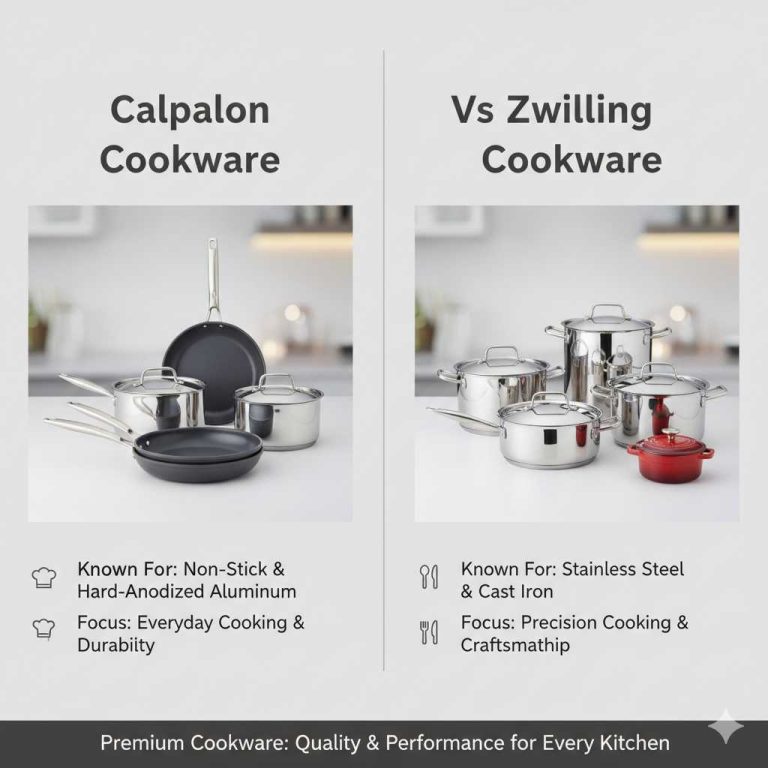
Aluminum usually undercuts heavy stainless steel on price and weight, and it often heats faster. Ceramic can sit anywhere from budget to premium, but ceramic-coated sets are often sold on nonstick appeal and aluminum-free search intent rather than on raw heat performance. If you want the lowest price per pan, raw aluminum often wins. If fewer reactivity concerns are a priority, hard-anodized or clad stainless is often a better choice than raw aluminum.
Is aluminum cookware safe?

Yes, aluminum cookware can be safe to use, but the surface matters. Raw aluminum is more reactive with acidic foods, while anodized and hard-anodized aluminum have a tougher surface that reduces that reactivity. Nonstick-coated aluminum adds food release, but the coating brings its own care limits.
Raw aluminum and acidic foods
Raw aluminum conducts heat well and stays light in the hand, which is why it cooks quickly. The tradeoff is reactivity. Tomato sauce, citrus, vinegar, and long simmering in a raw aluminum pot can sometimes increase discoloration, pitting, or a metallic taste. That does not mean every raw pan fails immediately, but it is the least forgiving choice for acidic cooking.
Suppose you simmer marinara in a raw aluminum saucepan for an hour. The sauce may darken the pan more than a neutral broth would, and repeated exposure can leave visible wear. That is one reason many buyers move to anodized or coated aluminum instead of plain raw metal.
Hard-anodized aluminum and lower reactivity
Hard-anodized aluminum has an oxidized surface layer that is generally considered harder and less reactive than raw aluminum. It is also better at resisting scratches from normal kitchen use. Many premium sets use it because it balances fast heating with better day-to-day durability.
Hard-anodized does not mean indestructible. It still benefits from gentle care, soft utensils, and hand-washing unless the manufacturer says otherwise. Harsh scouring can dull the finish, and severe overheating can still shorten the life of any attached coating or handle part.
Nonstick-coated aluminum and coating wear
Nonstick aluminum is popular because food releases easily and you can cook with less oil. The surface is useful for eggs, fish, pancakes, and low-stress sautéing. The downside is heat sensitivity and scratch risk. Metal utensils can damage the coating, and high heat can shorten its life.
A common first-timer mistake is using a nonstick aluminum skillet for a long, high-heat sear. The pan may work at first, but the coating can wear faster than it would with moderate-heat eggs or vegetables. Soft utensils and medium heat help the finish last longer.
Aluminum cookware decision table
| Cookware type | Typical price tier | Reactivity | Scratch resistance | Cleaning difficulty | Induction compatibility | Best use case |
|---|---|---|---|---|---|---|
| Raw aluminum | Low | Higher with acidic foods | Low to moderate | Moderate | Usually no unless it has a magnetic base | Quick-heating cookware for non-acidic foods |
| Hard-anodized aluminum | Mid to upper-mid | Lower than raw aluminum | Higher than raw aluminum | Easy to moderate | Sometimes, if the base is induction-ready | Everyday sautéing, simmering, and mixed-use sets |
| Nonstick aluminum | Mid | Low to moderate depending on coating and care | Low to moderate | Easy if the coating stays intact | Sometimes, if the base is induction-ready | Eggs, fish, pancakes, low-fat cooking |
| Aluminum-clad stainless steel | Mid to high | Low | High | Moderate | Many sets yes, depending on the base | Searing, simmering, and cooks who want stainless durability with faster heat response |
What type fits your cooking?
The best aluminum cookware depends on the foods you cook most often. For quick heat response, raw or clad aluminum works well. For low-stick cooking, nonstick aluminum is the most convenient. For induction and oven use, look for a model with a magnetic base and an oven-safe build rather than assuming every aluminum pan has both.
Best for quick heat response
Aluminum heats fast and cools fast. That makes it useful when you want a pan to respond quickly to burner changes, such as reducing a sauce or pulling back heat after a hard sauté. It is especially helpful in shallow pans where you want temperature shifts without waiting for a heavy base to catch up.
Best for low-stick cooking
Choose nonstick-coated aluminum if your main goal is easy release and simple cleanup. It fits breakfasts, tender fish, and low-fat cooking. The tradeoff is care discipline: soft utensils, moderate heat, and no aggressive scrubbing.
Best for induction and oven use
Look for an induction-ready base if you cook on induction, because plain aluminum is not magnetic. Many sets also advertise oven-safe construction, but that does not mean every handle, lid, or coating tolerates the same temperature. Check the manufacturer’s listing for your model, and follow the temperature limit in the owner’s manual.
Picture a 3-quart saucepan with a magnetic base and a metal handle. That pan may move from stovetop to oven for a roast sauce finish. A similar pan with a silicone grip may not. The base material alone does not answer the whole question.
How does aluminum compare with stainless steel?
Stainless steel is the common aluminum alternative when you want more resistance to reactivity and generally tougher wear. Aluminum usually heats faster and weighs less, while stainless often tolerates rougher use better. Many stainless pans still include an aluminum core or disc, so “stainless” does not always mean aluminum-free.
Reactivity and durability
Aluminum is more reactive in raw form, especially with acidic food. Stainless steel is more resistant to that problem. In durability terms, stainless usually resists scratches and staining better than raw aluminum, while hard-anodized aluminum narrows the gap.
Heat distribution and weight
Aluminum’s big advantage is heat response. It heats quickly and is easy to lift, which matters in large skillets and saucepans. Stainless steel often needs an aluminum core to distribute heat well, which is why many quality stainless pans are heavier and built in layers.
Induction compatibility
Plain aluminum is generally not induction-ready on its own. Stainless steel is often induction-compatible, depending on the steel blend and base design. If you cook on induction and want aluminum’s heat response, look for a clad or base-bonded design rather than bare aluminum.
How does aluminum compare with ceramic?
Ceramic cookware is often searched as an aluminum-free option, especially by buyers focused on a nonstick surface without the aluminum category. It can be useful, but ceramic is not automatically better. It tends to be more fragile, and its nonstick performance can wear with time and heat exposure.
Food release and care
Ceramic-coated cookware can release food well at first, and it often appeals to buyers who want an aluminum-free label. But it still needs gentle care, soft utensils, and moderate heat. If you want the easiest day-to-day cleanup, a well-kept nonstick aluminum pan can sometimes be simpler.
Fragility and coating concerns
Ceramic surfaces can chip or lose slickness if they are overheated or knocked around in storage. That is a real tradeoff if you want a set to last through frequent use. Hard-anodized aluminum usually offers better structural toughness, while ceramic leans more on the coating experience.
When ceramic makes sense
Ceramic makes sense if your main priority is an aluminum-free search result and you are comfortable treating the cookware gently. It is less attractive if you want a long-lasting pan for hard burner changes, metal utensil use, or frequent oven-to-stovetop switching.
Hand-wash care is the safest default for most aluminum cookware, especially anodized and nonstick versions. Use soft sponges, avoid harsh abrasives, and dry the pan after washing so water marks do not linger. If the maker says a model is dishwasher-safe, that still does not mean the finish will look the same after repeated machine cycles.
Hand-wash and utensil choices
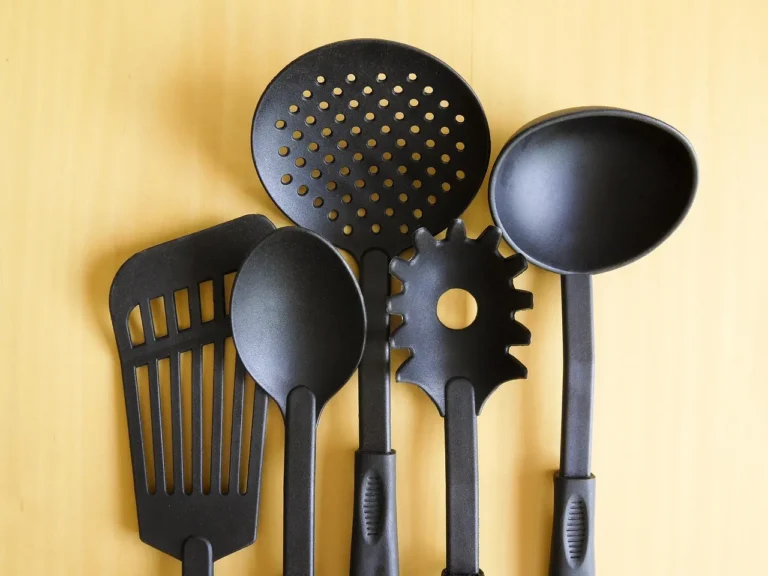
Use wooden, silicone, or other soft utensils on nonstick aluminum. For hard-anodized pans, soft tools still help preserve the finish. Avoid steel wool, scouring powders, and aggressive metal scrapers unless the manufacturer specifically permits them.
Cleaning discoloration and pitting
Discoloration alone is not always a safety problem, but pitting and rough patches are signs that the surface has been stressed. With raw aluminum, a gray or darkened interior after acidic cooking is more likely. With anodized or coated cookware, scratching and patchy wear matter more than simple color change.
When to replace worn cookware
A common rule of thumb is to replace a nonstick pan when the coating starts flaking, peeling, or losing food release across most of the cooking surface. Replace a warped pan if it no longer sits flat on the burner and heats unevenly. For aluminum-clad stainless, replacement is usually about structural damage or severe warping, not cosmetic marks.
- Check whether the pan is raw aluminum, anodized, nonstick-coated, or clad stainless.
- Match the finish to your food: acidic sauces need lower-reactivity surfaces.
- Confirm induction compatibility if you cook on an induction range.
- Check whether the model is oven-safe and note the temperature limit in the manual.
- Look for soft-handle comfort, lid fit, and a cleaning method you will follow consistently.
- Favor quality assurance testing and certification claims when comparing sets.
Say your main pan is a 10-inch nonstick skillet for eggs and vegetables, but you also make tomato sauce twice a week. Keep the nonstick skillet for breakfast and reach for anodized or stainless-clad cookware for the sauce. That split use helps the coating last longer and reduces reactivity concerns.
Frequently asked questions
How safe is aluminum cookware?
Aluminum cookware is generally safe when you match the material to the job. Raw aluminum is the least forgiving with acidic foods. Hard-anodized aluminum lowers reactivity, and nonstick-coated aluminum is safe when you protect the coating. Safety depends more on the finish and care than on the metal name alone.
Is aluminum cookware harmful?
It is not automatically harmful, but raw uncoated aluminum can react with tomatoes, vinegar, and other acidic foods. That can lead to discoloration or a metallic taste. If you want lower reactivity, choose hard-anodized aluminum, aluminum-clad stainless, or a different material entirely.
What is the difference between aluminum and stainless steel cookware?
Aluminum is lighter and usually heats faster. Stainless steel is more resistant to reactivity and often more durable for rough use. Many stainless pans still use an aluminum core or disc for heat spread, so the real comparison is often surface behavior plus base construction.
What is the difference between aluminum and ceramic cookware?
Aluminum cookware is about heat response and light weight, while ceramic is often chosen for aluminum-free search intent and easy release. Ceramic can be fragile and can lose nonstick performance over time. Aluminum, especially anodized or nonstick-coated, usually offers more predictable heat handling.
How do I clean aluminum cookware?
Hand-wash with mild soap and a soft sponge unless the manufacturer says otherwise. Avoid harsh abrasives, and dry the pan after washing. If food leaves discoloration, that does not always mean the pan is ruined. Pitting, peeling, or warping are more serious signs.
How much does aluminum cookware usually cost?
Single pieces usually run about $20 to $150, depending on whether the pan is raw, hard-anodized, nonstick-coated, or clad. Sets vary more widely because lid count, induction-ready bases, and oven-safe hardware add cost. The price jump is usually about construction, not just the label.
Products related to this article
Sponsored / affiliate links. As an Amazon Associate I earn from qualifying purchases. I may earn additional commission from eligible campaigns.