How to Batch Cook for Ramadan: A Simple Plan for the Week
Batch cook for Ramadan by planning about 2–3 core mains, 2 side components, and 1 suhoor base for the week, then portion and chill or freeze within about 2 hours. Weak planning can leave you cooking for hours, wasting food, and serving tired iftar and suhoor meals that make fasting harder. This guide covers a two-meal prep system, storage times, reheating, and a practical shopping and cooking plan.
What you’ll need
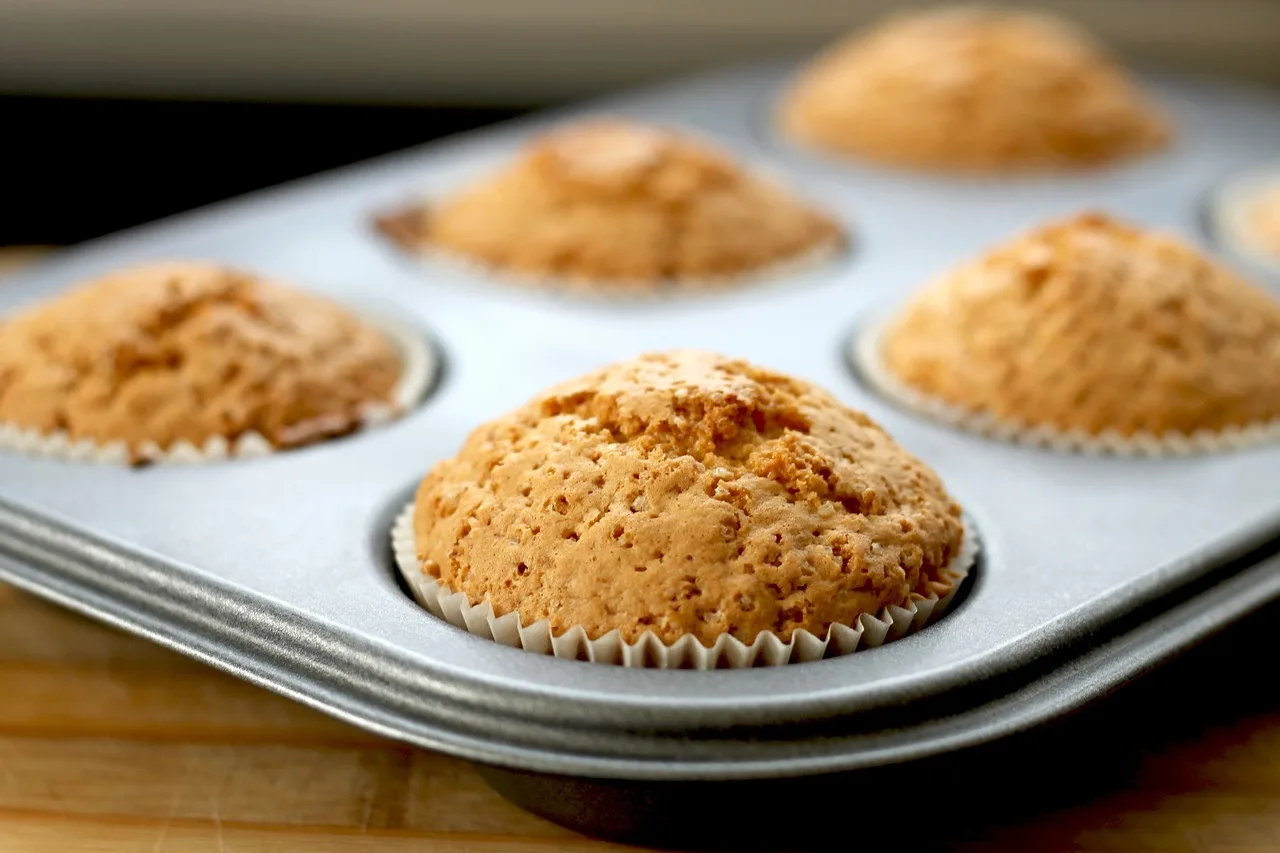

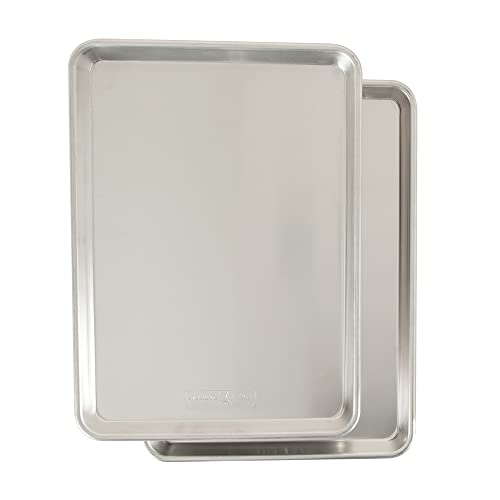
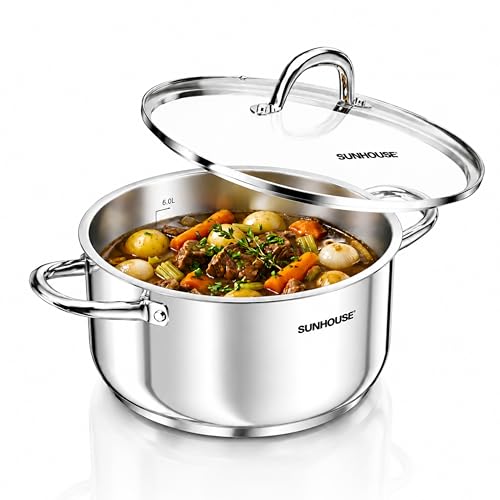
- Large sheet pans and deep pots for bulk cooking
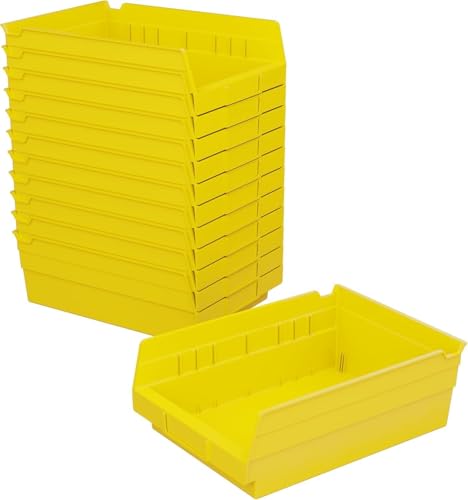
- Small and medium freezer-safe containers with airtight lids
- Resealable freezer bags for flatter portions of soup or sauce
- Labels and a marker for date marking and meal names
- Cooking spoon, ladle, tongs, and a cutting board
- Rice, couscous, bulgur, oats, or other grain staples
- Lentils, chickpeas, beans, or other pulses
- Chicken, beef, lamb, or vegetarian protein options
- Onions, garlic, tomatoes, carrots, peppers, greens, and citrus
- Olive oil, stock, tomato paste, yogurt, and frozen herbs
- Spices, masalas, chutneys, pickles, nuts, and snacks
How do you plan a Ramadan batch-cook week?
Start with a weekly menu that separates suhoor from iftar, then build around repeatable components instead of seven completely different meals. A solid plan gives you one breakfast-style suhoor base, one or two main dinners for iftar, and a few flexible sides that can move across both meals.
- Map the week. List seven suhoor meals and seven iftar meals before you cook. BBC Food classifies batch cooking as a collection of recipes, and Game of Spice recommends a written, ordered task list, which keeps the work clear before you turn on the stove.
- Choose your core dishes. Pick 2–3 freezer-friendly mains such as lentil curry, chilli con carne style mince, or spaghetti bolognese style sauce. Those dishes reheat well and fit either rice, bread, pasta, or flatbread.
- Add support components. Plan 2 side components and 1 suhoor base. Good options include cooked grains, roasted vegetables, yogurt sauce, overnight oats, or egg muffins.
- Group the work by energy. Put the chopping, boiling, and roasting earlier in the day if possible, then reserve the simplest tasks for later. During Ramadan, lower-energy evenings call for work that needs less attention, such as portioning, labeling, or cooling.
Suppose iftar is built around lentil curry on Monday and Wednesday, while suhoor uses oat pots on three mornings. You only need one pot of curry, one tray of vegetables, and one breakfast base, then you swap the grain, sauce, or topping to keep the meals different.
How do you build a shopping list for the week?
Build the shopping list from the menu first, then shop to match it. For Ramadan batch cooking, the smartest list groups ingredients by shelf life and use: grains and pulses first, then vegetables and fruit, then proteins, then dairy, nuts, condiments, and spices. A single store trip is easier when the list matches the cooking plan.
Bulk-buy staples to include
Buy the items that appear in more than one dish, especially staples that stretch across iftar and suhoor. BBC Food says batch cook recipes can save time and money by buying in bulk, which works best when the same ingredient appears in multiple meals.
- Grains and pulses: rice, couscous, bulgur, oats, lentils, chickpeas, beans
- Masalas, spices, and herbs: cumin, coriander, turmeric, paprika, cinnamon, fresh parsley, coriander leaves, mint
- Condiments and sauces: tomato paste, stock cubes, yogurt, tahini, chutney, pickles
- Vegetables and fruit: onions, garlic, carrots, peppers, tomatoes, spinach, lemons, bananas, dates
- Nuts and snacks: almonds, walnuts, seeds, dried fruit, crackers, flatbread
Keep quantities tied to the week. For example, if you want two soups, one curry, and three grain sides, buy enough onions, garlic, stock, and tomatoes for all three dishes together rather than separately. That cuts duplicate prep and makes the cart easier to manage.
Ramadan batch-cook table
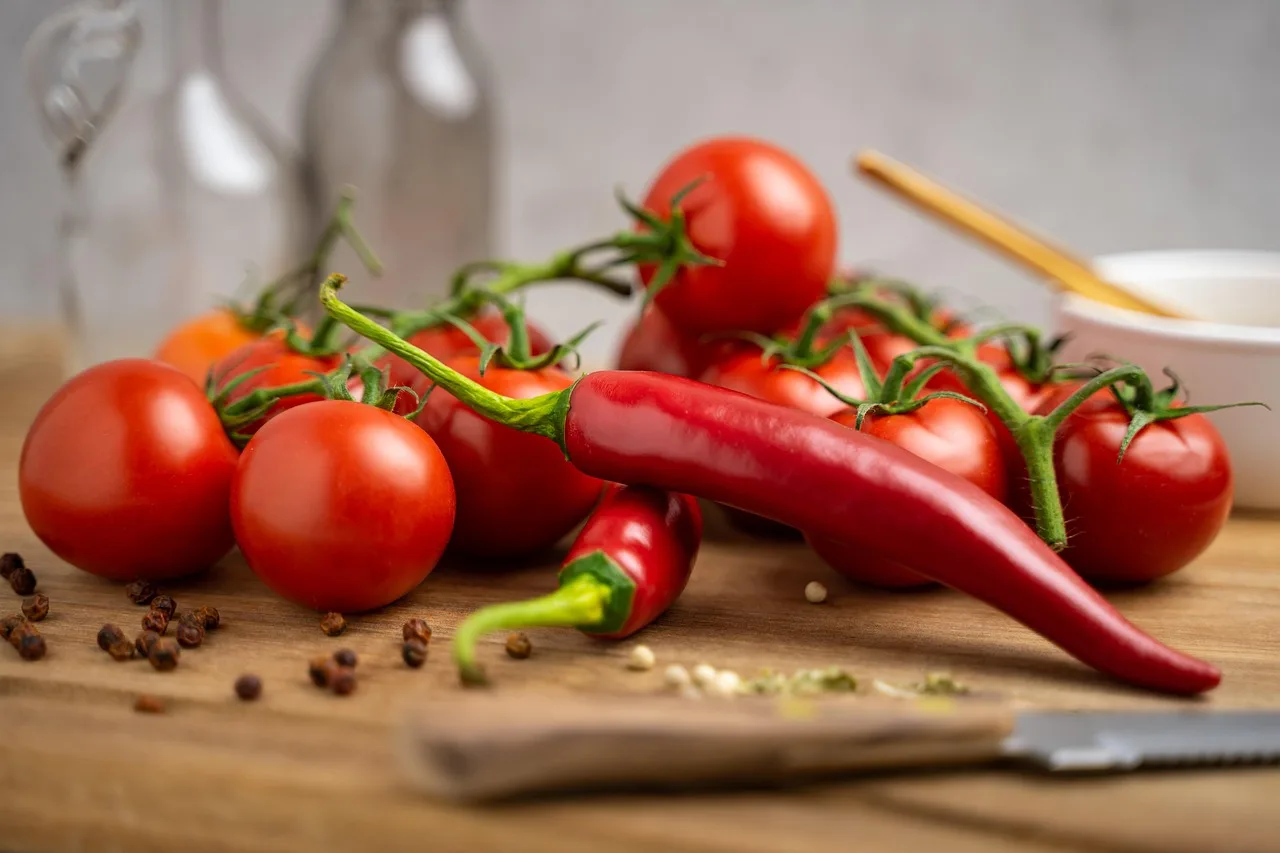
This schedule uses one prep day, one midweek top-up, and one freeze-and-refresh day. It treats batch cooking as a two-meal system: cook once for iftar and suhoor, then portion the components into meals you can reheat without starting from scratch.
| Prep day | Components to cook | Exact meals those components become for suhoor and iftar across 7 days |
|---|---|---|
| Day 1 | Lentil curry, roasted carrots and peppers, cooked basmati rice, yogurt-mint sauce | Mon iftar: lentil curry with rice and salad. Tue suhoor: rice bowl with yogurt-mint sauce. Wed iftar: lentil curry stuffed into flatbread. Thu suhoor: roasted vegetables with rice and yogurt. Fri iftar: lentil curry over rice. Sat suhoor: rice bowl with vegetables. Sun iftar: leftover curry with flatbread. |
| Day 3 | Easy chilli con carne style mince, boiled potatoes, chopped cucumber and tomato, fruit pots | Mon suhoor: potato bowl with fruit pot. Tue iftar: chilli over rice or potatoes. Wed suhoor: chilled cucumber, tomato, and mince wrap. Thu iftar: chilli baked potatoes. Fri suhoor: leftover potatoes with yogurt. Sat iftar: chilli with flatbread. Sun suhoor: fruit pot with potato hash. |
| Day 5 | Easy spaghetti bolognese style sauce, pasta, steamed greens, oat pots with dates and nuts | Mon suhoor: oat pot with dates and nuts. Tue iftar: spaghetti bolognese with greens. Wed suhoor: oat pot with fruit. Thu iftar: pasta bake with extra sauce. Fri suhoor: oats with yogurt and nuts. Sat iftar: bolognese over pasta or rice. Sun suhoor: oat pot with leftover fruit. |
How do you cook and store the right components?
Cook mix-and-match components that stay useful in the fridge and freezer, then combine them later in different ratios. BBC Food includes Easy chilli con carne, Easy spaghetti bolognese, and Lentil curry in its batch-cook collection, which shows how well sauce-based mains fit this kind of planning.
- Cook the longest items first. Start with grains, pulses, and sauces because they hold heat and set the base for the rest of the week. That also lets you reuse the same pot or pan while you move to vegetables.
- Roast and cool fast. Spread vegetables on a tray in a single layer so they cool sooner, then move them to containers once steam has dropped. Cool cooked food promptly and get it into the fridge or freezer within about 2 hours.
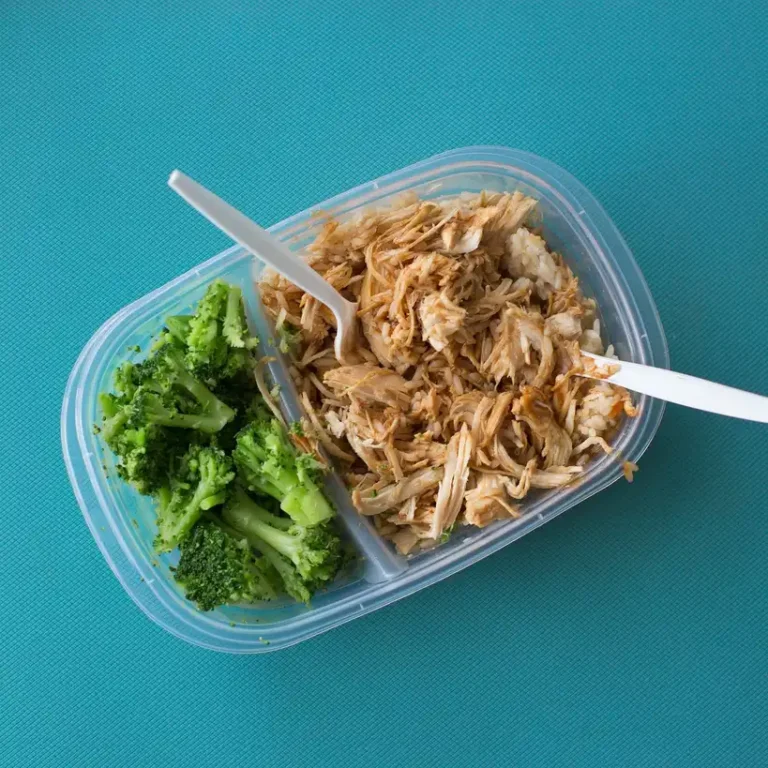
- Portion for one meal. Use small containers for suhoor and medium containers for iftar mains. Flat, shallow portions freeze and thaw more evenly than deep tubs.
- Label every pack. Mark the meal name and date on the lid or bag. Stackable storage saves space, and clear labels stop you from guessing what is inside.
- Freeze what will keep best. Sauce-based dishes, soups, stews, cooked beans, and grains usually freeze well. Keep crunchy toppings, fresh herbs, and yogurt separate so they stay fresh.
Say your family wants a low-effort iftar after a long fast. One container of lentil curry, one bag of rice, and a small tub of yogurt sauce can become a full meal in minutes, while a separate oat pot gives suhoor a steady start the next morning.
Freezer-safe containers and storage
Choose airtight, freezer-safe containers with lids that seal firmly. Fill them with a little space left at the top for liquids that expand as they freeze. Stackable containers help you organize by day, and date marking keeps the oldest food easy to reach first.
A common first-timer mistake is freezing one large pot in a single container. That makes thawing slow and uneven. Split the pot into single-meal portions instead, then label each portion with the dish name, date, and intended meal.
What can you freeze for iftar and suhoor?
Freeze dishes that reheat evenly and still taste good after thawing: lentil stew or curry, chilli con carne style dishes, spaghetti bolognese style sauces, casseroles, soups, cooked grains, and marinated proteins. For suhoor, freezer-friendly oat bakes, egg muffins, and breakfast burritos are useful because they reheat fast and give you a steadier morning meal.
Mix-and-match components
- Cooked grains: rice, bulgur, couscous, quinoa
- Roasted vegetables: carrots, peppers, courgette, onions, cauliflower
- Marinated proteins: chicken, beef, lamb, tofu
- Sauces and pastes: tomato sauce, curry base, herb sauce, yogurt sauce
Use those pieces to build different plates all week. Rice with lentil curry feels like a different meal from rice with roasted vegetables and yogurt, even though the base is the same. That is the point of component cooking during Ramadan.
Reheating safely
Thaw food in the fridge overnight when possible, then reheat until piping hot throughout. Stir sauces and soups halfway through heating so the temperature evens out. If food still seems cold in the middle, give it more time rather than serving it early.
For best texture, reheat rice with a spoon of water, warm sauces gently on the hob, and add fresh herbs, lemon, or yogurt after heating. That keeps the meal from tasting flat after several days in storage.
How do you batch cook for Ramadan without getting exhausted?
Split the work into short sessions and stop before fatigue turns the kitchen chaotic. During Ramadan, the easiest plan is one major cook day, one lighter top-up day, and a nightly reset that only labels, chills, and stacks the food. Game of Spice says meal prep can lighten the burden for the whole week, and that depends on pacing the tasks well.
- Start with a clean kitchen. Clear the sink and dishwasher first, then wash equipment as you go. A clean work area keeps the second half of the session simpler.
- Use one ordered list. Follow the task list in the order you wrote it, not by what looks urgent. That keeps ingredients moving from chopping to cooking to cooling without gaps.
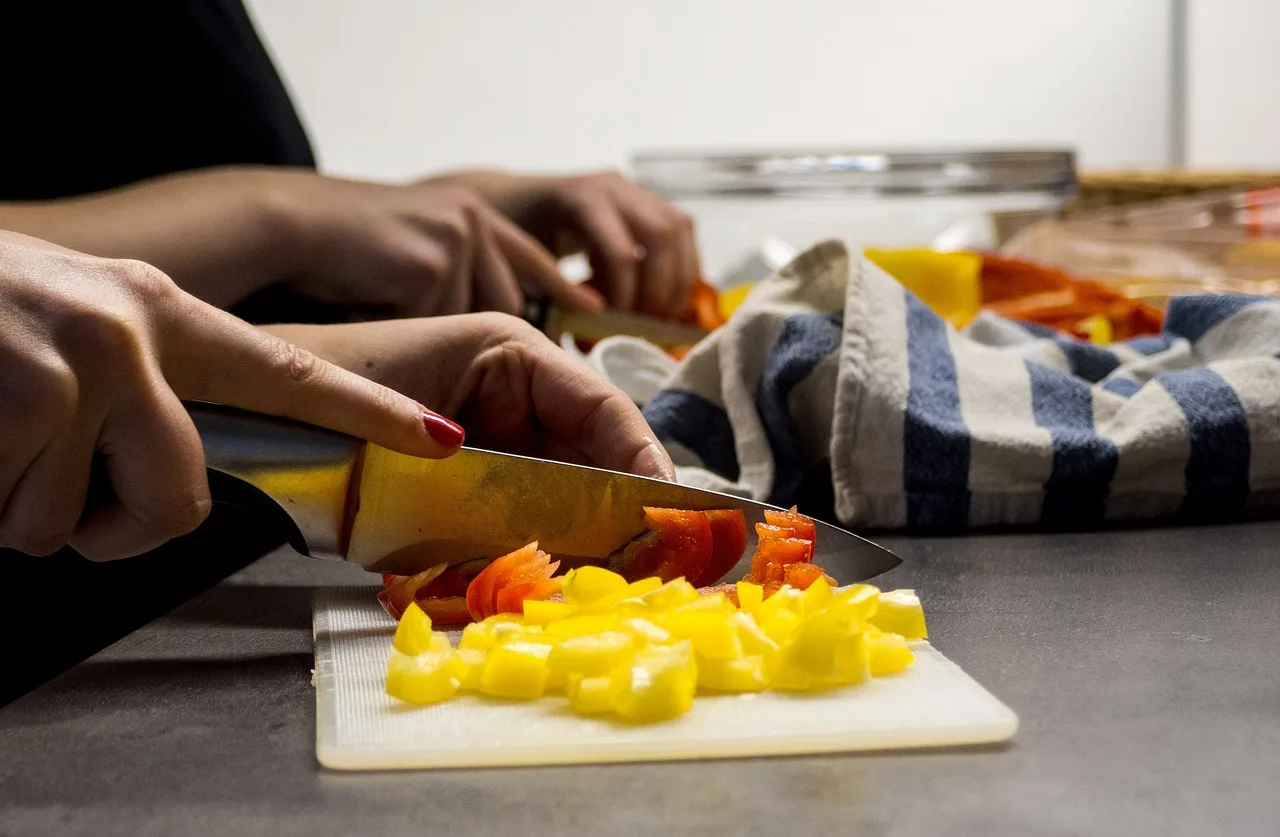
- Batch by station. One person can chop while another cooks the grain or sauce, even if the kitchen is small. If you are cooking alone, group similar jobs together, such as all chopping first, all simmering next.
- Top up only what you need. Reheat or cook about 250 ml to 500 ml of sauce, stock, or grain when the fridge starts to look thin. Recheck the portions after each addition so you do not overfill the containers.
Common mistakes
- Making too many dishes. Keep the week to a few repeatable components so you can reuse them for both iftar and suhoor.
- Skipping the meal split. If you cook only for dinner, suhoor becomes an afterthought. Plan one breakfast-style base and one dinner-style main.
- Freezing food in large blocks. Smaller portions thaw faster and are easier to serve after fasting.
- Ignoring labels. Without a date and meal name, food gets forgotten at the back of the freezer.
- Leaving fresh toppings in storage. Herbs, salad, yogurt, and crunchy nuts taste better when added just before serving.
Frequently asked questions
What foods are best to batch cook for iftar and suhoor?
Saucy mains, grains, soups, stews, and simple breakfast bakes work best. Lentil curry, chilli, bolognese-style sauce, oats, egg muffins, and cooked rice or bulgur all reheat well and adapt to different toppings. Add fresh salad or fruit at serving time for balance.
How long before Ramadan should I start meal prepping?
Start planning about one to two weeks ahead so there is time to build the menu, shop once, and clear freezer space. You do not need to cook everything early, but the schedule, containers, and shopping list should be ready before the first prep session.
What can I freeze for Ramadan meals and reheat safely?
Freeze soups, stews, curries, chilli, bolognese-style sauce, cooked grains, and marinated proteins. Cool them quickly, portion them in airtight containers, and thaw overnight in the fridge when possible. Reheat until steaming hot throughout before serving at iftar or suhoor.
How do I plan a Ramadan shopping list for batch cooking?
Build the list from your weekly menu and group it by category: grains, pulses, vegetables, protein, dairy, condiments, spices, and snacks. That makes one-trip shopping easier and reduces duplicate buys. Put the ingredients for shared components at the top of the list.
How do I keep batch-cooked food tasting fresh all week?
Keep sauces, grains, vegetables, and toppings separate until serving. Rotate texture by adding lemon, herbs, yogurt, pickles, or nuts at the end. Reheat gently, not harshly, and use the oldest portions first so the food stays good from one fast-breaking meal to the next.
Products related to this article
Sponsored / affiliate links. As an Amazon Associate I earn from qualifying purchases. I may earn additional commission from eligible campaigns.