Ramadan table decor cost: budget breakdown by guest count
Ramadan table decor cost often lands around $60–$120 for 8–10 guests, with larger spreads generally costing more. Candles, linens, and chargers do most of the damage to the budget. I have seen one-night décor eat into iftar money fast, and I have also seen a bare table feel unfinished. The fastest way to cut Ramadan table decor cost is to start with what you already own and buy only the pieces that change the table’s look. This guide breaks down costs by guest count and item type, plus what to reuse all month and where to spend or save.
This guide is part of our Ramadan recipes and meal ideas series.
How much does Ramadan table decor cost?


A realistic Ramadan table decor cost depends on guest count, what is already in the house, and whether the setup is for one iftar or repeated suhoor meals. For a modest family table, the spend can stay low when the runner, plates, and trays are already on hand. For a larger iftar with friends, the price climbs quickly because place settings and table length grow together.
Ramadan is the ninth month of the Islamic calendar. Fasting begins at dawn and ends at sunset, and the nightly meal that breaks the fast is iftar. That is why the table often needs both functional pieces and a clear festive look. The same setup may also need to work for suhur, the pre-dawn meal, so durability matters.
What a realistic total looks like for 4, 8, and 12 guests
For 4 guests, a simple table can stay in the lower range if one runner, one centerpiece, and a few candles do most of the work. At 8 guests, the cost rises because the table usually needs a longer runner, more plates, more napkins, and a larger serving tray. At 12 guests, the spread often needs multiple decor groups, which pushes the total into a higher tier.
The table below is a working worksheet, not a wish list. It separates the most common line items so the cost can be planned before anything is bought.
| Line item | Budget | Midrange | Premium | Reuse note |
|---|---|---|---|---|
| Runner | $8 | $18 | $35 | Reusable if washable fabric; single-use if paper |
| Centerpiece | $6 | $18 | $40 | Reusable all month and across seasons |
| Plates | $0–$16 | $24 | $60 | Reusable porcelain or glass lasts longest |
| Napkins | $4 | $12 | $28 | Cloth is reusable; paper is one-time |
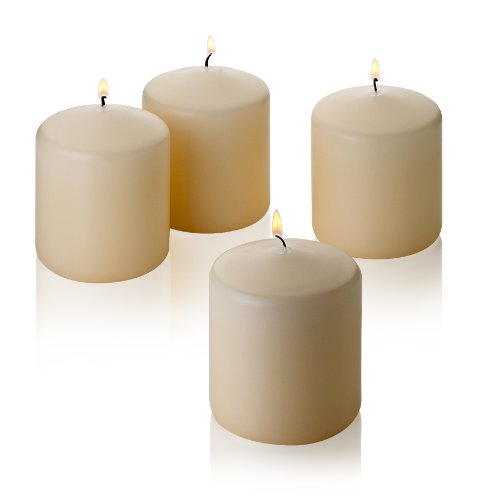
| Candles or LEDs | $5 | $14 | $32 | LEDs usually last through the full month |
| Lanterns | $10 | $26 | $55 | Reusable if stored well; metal holds up better |
| Serving tray | $10 | $24 | $48 | Reusable for dates, sweets, and serving |
Totaling those pieces gives a practical working range. For 4 guests, budget setup lands around $43–$55 if basic plates are already on hand, $96–$130 for midrange, and $250+ for premium. For 8 guests, the same planning usually lands around $68–$95, $148–$190, and $330+. For 12 guests, expect roughly $95–$140, $210–$270, and $430+.
According to Ramadan – Wikipedia — Ramadan lasts 29 to 30 days depending on crescent moon observation.
What drives the price of a Ramadan table setup?
Guest count is the biggest cost driver because it changes the length of the table, the number of place settings, and the size of the serving pieces. Materials come next. A washable runner costs more up front than a paper one, but it usually pays back over several evenings of iftar and suhoor.
Guest count and table length
A 4-person table can get by with one focal area, but 8 or 12 guests need more repetition so the table does not look empty at the ends. A Ramadan table runner should match table size, not just the center section. Short runners work for small square tables; long rectangular tables need a runner that reaches far enough to anchor the setting.
Material choices for textiles, plates, and trays
Washable cotton or linen-like textiles cost more than disposable décor, but they lower the true per-host cost when used through the month. Plates and glassware can be disposable for one iftar, yet that quickly becomes expensive and creates cleanup. A reusable tray, especially in metal or coated wood, is often one of the smartest purchases because it handles dates, sweets, and serving.
Real candles versus LED options
Real candles can look warm, but the safety tradeoff is real around children, cloth runners, and crowded settings. LED candles usually cost more than cheap tea lights at checkout, yet they reduce risk and can be used again for suhoor and later gatherings. Cluster use matters too; several small LEDs often read better than one oversized piece.
New purchases versus items already owned
The fastest way to cut Ramadan table decor cost is to start with what already works: plain plates, clear glasses, a neutral tray, and any washable runner in the right length. New purchases should fill a visual gap, not replace everything. That keeps the setup from becoming a one-time expense.
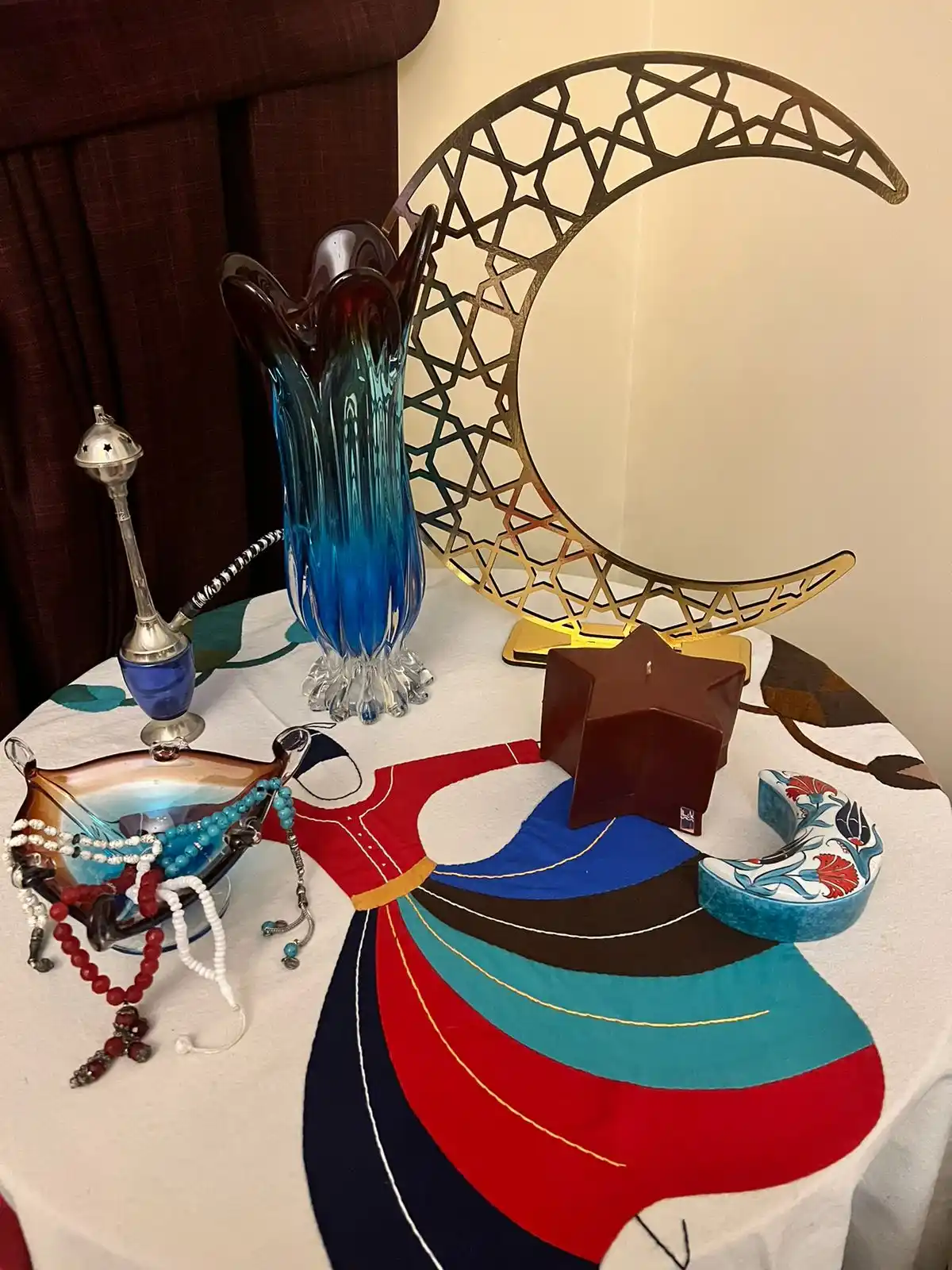
Ramadan table decor cost worksheet by item
This worksheet treats Ramadan table decor like a shopping plan. Use the low column when the table needs to feel finished on a tight budget. Use the midrange column when the setup should last all month. Use the premium column when the table is hosting family and friends and needs a more polished look.
Runner, centerpiece, and lantern cost bands
A Ramadan table runner should be wide enough to anchor the place settings and long enough to fit the table. For a small table, a budget runner may be enough. For larger tables, a midrange washable textile often makes more sense because it can be reused for suhoor and future gatherings. Lanterns can act as a centerpiece or accent, and metal versions usually wear better than fragile glass.
Plates, napkins, and glassware cost bands
Place settings drive the visible cost at every guest count. Disposable plates and napkins work for a one-off evening, but reusable plates and cloth napkins lower the cost per meal if the table is set several times during Ramadan. Clear glassware is worth keeping simple; the table already has dates, water, and the main meal to carry the look.
Candles, LEDs, and serving tray cost bands
Candles are the easiest place to overspend because the price changes sharply by size and finish. LED candles are usually the safer choice near textiles. A serving tray should be chosen for both size and material, since it will likely hold dates at iftar and sweets later. One sturdy tray can do the work of several decorative items.
| Guests | Budget total | Midrange total | Premium total | Best use case |
|---|---|---|---|---|
| 4 | $43–$55 | $96–$130 | $250+ | Small family iftar or shared suhoor |
| 8 | $68–$95 | $148–$190 | $330+ | Family and friends with fuller place settings |
| 12 | $95–$140 | $210–$270 | $430+ | Larger hosted iftar with repeated use all month |
What do I need to decorate a Ramadan table cheaply?
The cheapest finished table uses only a few visible pieces: a clean runner, one centerpiece, simple plates, napkins, and one serving tray for dates and sweets. Dates and water should be part of the setting because iftar traditionally opens with a date, and the first pour of water is often part of the moment. That keeps the table functional, not just decorative.
The lowest-cost pieces that still read as finished
Start with a neutral runner or even a folded cloth already in the home. Add a small centerpiece, such as a lantern or low candle cluster, and keep the plates consistent. A single tray with dates can give the table a deliberate focal point without adding much cost.
How to use dates and water as part of the setup
Dates work as both food and styling. Place them in a shallow bowl or on a tray, then pair them with clear glasses or a simple water pitcher. Tradition says Muslims break the fast by first eating a date, so this is one place where the decor and the meal align naturally.
Which items to skip first when trimming spend
Skip extra napkin rings, oversized lanterns, and duplicate accents before cutting the runner or the serving tray. Those accents look nice, but they do not help the table function. Disposable tableware should also be limited, because it can become expensive across a full month of evenings.
Where should you spend more, and where can you save?
Spend more on the items that touch food or get handled often: the serving tray, plates, and runner. Save on accents that can be reused later, such as lanterns and a simple centerpiece. A better tray or textile often pays for itself because it can serve both iftar and suhoor all month.
Spend on the pieces people touch most
A sturdy serving tray matters more than a second decorative candle set. The tray will carry dates, sweets, and perhaps small drinks, so material and size matter. Reusable plates and washable napkins also save money over time because they cut repeat purchases.
Save on accents that can be reused or swapped later
Lanterns are a strong example. A metal lantern may cost more than a simple glass piece, but it tends to hold up better and can be reused in other seasons. A centerpiece can also be changed cheaply with dates, greenery, or a candle cluster rather than buying a new object for every gathering.
Can you decorate a Ramadan table without buying a full new set?
Yes. The most practical Ramadan table decor cost plan often starts with existing plates, glassware, trays, and textiles, then adds only a few seasonal pieces. That keeps the setup flexible for iftar and suhoor and avoids buying a full new set just for one month.
Using existing plates, glassware, and trays
Plain white plates and clear glasses already fit most Ramadan tables. If the home has a wooden, metal, or marble-look tray, it can be used for dates or sweets immediately. The table will feel intentional as long as the pieces look coordinated and clean.
Mixing reusable basics with a few seasonal buys
One runner, one lantern, and one centerpiece can change the whole table without replacing the place settings. That approach also makes storage easier after Ramadan ends. It is usually smarter than buying matching pieces that only work once.
How to make one setup work for iftar and suhoor
Keep the table calm and practical. Use washable fabrics, stackable plates, and a tray that can move from dates at iftar to bread or fruit at suhoor. LED candles are especially useful here because they can stay on the table without the same safety concerns as open flame.
How do candles, lanterns, and serving trays affect the budget?
These three items often decide whether a table feels basic or polished. Candles vary most in price because of size and finish. Lanterns add more visual weight, especially in metal, while a good serving tray improves both the look and the function of the iftar table.
Real flame versus LED candle cost and safety
Real candles are usually the lower-cost route at checkout, but they ask for more caution around cloth runners and crowded tables. LED candles cost more up front, yet they can stay in use through several evenings. For families hosting children or moving dishes often, LED is the safer buy.
Metal versus glass lantern pricing and durability
Metal lanterns usually hold up better to storage and repeated use. Glass lanterns can look lighter and brighter, but they are more fragile and may need gentler handling. If the lantern will be used beyond Ramadan, metal often gives the better value.
Choosing a tray that works for dates, sweets, and serving
A serving tray should be sized to the table, not to the photo. Small trays are fine for dates and tea service, but a larger one may be needed for sweets, utensils, or a water set. The best tray is decorative enough to sit in the center and sturdy enough to carry food.
Frequently asked questions
What is a realistic budget for a Ramadan iftar table?
A realistic budget is the amount that covers the meal without pushing all the money into décor. For a family iftar, a simple décor budget can stay modest if the runner, plates, and trays are already on hand. For larger gatherings, the budget should rise with the number of place settings.
How much should I spend on centerpieces and tableware for Ramadan?
Centerpieces can stay modest because they are mainly visual. Tableware should take the larger share of the budget since it is handled, washed, and reused. A good rule is to spend more on plates, glasses, and napkins if the same setup will be used through the month.
What’s the difference between a budget and luxury Ramadan table setup?
A budget setup focuses on a few reusable basics and one clear focal point. A luxury setup usually adds higher-end textiles, heavier lanterns, coordinated place settings, and more decorative layers. The practical difference is not only appearance; it also changes storage, cleanup, and replacement cost.
Products related to this article
Sponsored / affiliate links. As an Amazon Associate I earn from qualifying purchases. I may earn additional commission from eligible campaigns.