Ramadan Kitchen Setup Cost: Budget Guide for Every Home
A practical Ramadan kitchen setup often falls in a few rough tiers: a lower-cost basics setup, a stronger suhoor-and-iftar setup, and a higher-cost version if you add hosting gear; buy in that order. Skip the plan, and you either spend twice on duplicate gadgets or miss the one pan, container, or appliance that saves time every night. This guide breaks down what to buy first for suhoor, iftar, batch prep, and light hosting, and what can wait until next year.

Must-have items for a Ramadan kitchen setup
The first purchases should cut daily friction. In most homes, that means one dependable cookware set, one appliance that handles a repeat task, and one storage system that keeps leftovers, prepped ingredients, and suhoor portions under control.
The 3 items to buy first
- A basic cookware set that covers soup, rice, eggs, pasta, and quick sauces.
- A small appliance that handles one repetitive task well, such as rice or reheat work.
- Airtight storage containers sized for single meals, family portions, and freezer use.
That order holds up because Ramadan cooking repeats the same patterns. Suhoor needs speed. Iftar needs timing. Batch prep needs containers more than novelty gadgets.
 As an Amazon Associate we earn from qualifying purchases. Prices and availability are accurate as of the date shown and are subject to change.
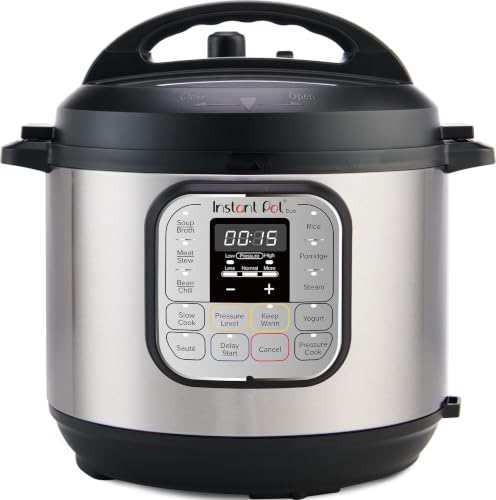
Instant Pot Duo 7-in-1 Mini
From the spec sheet and owner feedback, this compact cooker earns a spot when space is tight and one appliance needs to cover rice, steaming, warming, and simple one-pot meals. The drawback is capacity: 3 quarts is modest for larger families, so it works better as a suhoor helper or secondary cooker than a full-house workhorse.
As an Amazon Associate we earn from qualifying purchases. Prices and availability are accurate as of the date shown and are subject to change.

Cuisinart Chef’s Classic Stainless Steel Pots and Pans Set
This 10-piece stainless set is the kind of base kit that fits a Ramadan rotation without taking over the kitchen. The aluminum-encapsulated base helps with even heat, and the set gives enough pieces for soups, braises, and pan work. The tradeoff is storage footprint; stainless also asks for more technique than nonstick.
As an Amazon Associate we earn from qualifying purchases. Prices and availability are accurate as of the date shown and are subject to change.
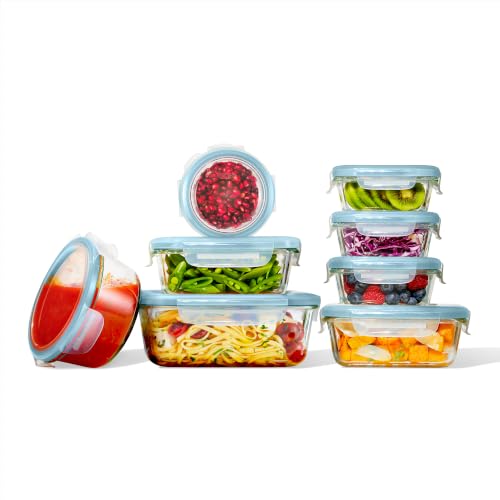
OXO Good Grips Smart Seal 16-Piece Glass Food Storage Container Set
Food storage is not a side issue in Ramadan. This set matters because airtight lids, stackability, and glass that tolerates temperature swings all reduce waste and make batch prep cleaner. The drawback is weight and breakage risk, so it is better for careful home use than for rough handling or constant transport.
According to 2026 Restaurant Kitchen Equipment Cost & Setup Guide — A full restaurant kitchen setup can cost over $300,000.
How much does Ramadan kitchen setup cost?
A useful Ramadan kitchen setup cost depends on whether the goal is a home refresh or a larger hosting setup. For most homes, starter costs stay low when purchases focus on cookware, one small appliance, and storage. Costs rise fast once serving ware, labor, and utility work enter the plan.
Starter, standard, and premium budget ranges
For a home kitchen, starter budgets often cover one pot-and-pan set, one compact appliance, and a few storage pieces. Standard budgets add better prep tools, more containers, and modest hosting ware. Premium budgets usually pay for convenience, extra serving pieces, and more capacity than a single household truly needs.
| Tier | Core items | Item-by-item allocation | Hosting add-on | Total budget |
|---|---|---|---|---|
| Starter | Basic cookware, 1 appliance, storage | Cookware $50–$120; appliance $40–$90; storage $20–$60 | $0–$40 for a tray or beverage pieces | $75–$300 |
| Standard | Better cookware, 2 appliances, more containers | Cookware $100–$220; appliances $90–$180; storage $40–$120 | $40–$150 for trays, warming gear, and serving ware | $300–$700 |
| Premium | High-capacity cookware, multiple appliances, hosting pieces | Cookware $180–$400; appliances $180–$450; storage $80–$180 | $150–$500 for trays, chafing, beverage station, and extras | $700+ |
Replacement-only budget versus full refresh
Replacement-only budgets are usually cheaper because they target one worn pot, one missing lid, or one tired appliance. A full refresh costs more because it forces matching sets, duplicate storage, and more hosting pieces. If the current kitchen still works, replacement-only is usually the smarter path.
Home kitchen cost versus small business cost
Home Ramadan budgets are much lower because they do not need commercial compliance, heavy extraction, or high-output service gear. The commercial figures are useful only as a contrast: a full restaurant kitchen setup can cost over $300,000, a compact café kitchen can start around $50,000, and a mid-sized commercial kitchen is estimated at $180,000 to $520,000.
Ramadan kitchen setup budget: what the money goes to
The budget should be split by use, not by shopping category alone. Cookware and appliances handle daily cooking. Storage and serving ware support batch prep and guests. Utilities, labor, and installation matter only when the kitchen needs work beyond simple plug-in items.
Cookware and utensils
Cookware is the first real decision because it affects every meal. A small household usually does well with two saucepans, one larger pot, one skillet, and one stockpot if soup or biryani is common. Stainless steel lasts well and stacks neatly. Nonstick is easier for eggs and quick cleanup, but it wears faster and needs gentler handling.
Small appliances and prep tools
The useful Ramadan appliance list is short. Rice cooker, air fryer, blender, food processor, and microwave cover most suhoor and iftar routines. More appliances can help, but only if they save time more often than they eat counter space.
Storage, serving ware, and disposables
Storage containers often get underestimated. Airtight lids protect food, stackable shapes save shelf space, and freezer-safe materials support batch prep. Serving ware matters once guests enter the plan: trays, warming dishes, date bowls, and beverage pieces all add cost, and disposable hosting supplies often become a recurring expense.
Utilities, labor, and installation
Hidden cost buckets can dwarf the visible shopping list. Design and permitting can range from $2,500 to $15,000 in commercial work, while equipment packages can range from $25,000 to $350,000. Hood and ventilation can range from $8,000 to $120,000, plumbing and gas can range from $6,000 to $80,000, electrical and wiring can range from $5,000 to $90,000, and install and labor can range from $8,000 to $120,000. Those figures are a warning sign for any setup that needs real construction, not a reason to overbuild a home kitchen.
What appliances do you need for Ramadan cooking on a budget?
A budget Ramadan setup usually needs only one or two appliances, not a full countertop lineup. The best choices are the ones that cut repeated work, match the menu, and do not create storage trouble. In a small apartment, that usually means compact, multiuse units over specialty gadgets.
Rice cooker versus microwave: when each earns its spot
A rice cooker is the better buy when rice, grains, or steamed sides appear several times a week. A microwave wins when reheating, thawing, and quick suhoor work matter more. If the kitchen already has a good microwave, a rice cooker becomes optional unless rice is central to the Ramadan menu.
Air fryer, blender, and food processor
An air fryer helps with crisp reheats, small batches of snacks, and lower-oil cooking. A blender is useful for smoothies, soups, and sauces. A food processor matters more for chopping, dough work, and repetitive prep. The choice should follow the menu, not the latest appliance trend.
When to buy one appliance that does two jobs
Dual-purpose appliances are the right choice when counter space is limited. A compact pressure cooker that also steams and warms, or an air fryer that can reheat and roast, usually gives better value than buying separate units. The drawback is compromise: each function is good, but rarely the best in class.
As an Amazon Associate we earn from qualifying purchases. Prices and availability are accurate as of the date shown and are subject to change.

Ninja AF101 Air Fryer
From specs and reviews, this model fits budget Ramadan cooking when the goal is quick reheating and small-batch crisping. It is useful for samosas, leftovers, and side dishes. The drawback is capacity: 4 quarts is fine for a small family, but it is not ideal for large iftar spreads.
As an Amazon Associate we earn from qualifying purchases. Prices and availability are accurate as of the date shown and are subject to change.

Dash Mini Waffle Maker
This is a niche add-on, not a core Ramadan purchase. It can help with quick suhoor snacks and tight-counter cooking, and the compact footprint is genuinely helpful. The drawback is obvious: single-purpose gear is easy to justify only if breakfast-style items come up often enough to earn cabinet space.
How much should you spend on cookware for Ramadan meals?
Cookware should be sized to the meal pattern, not the brand aisle. A small home kitchen usually needs a few pieces that heat evenly, stack well, and survive repeated use. Oversized sets often add clutter without improving Ramadan cooking.
Pot and pan count for a small home kitchen
For a small household, a practical count is often around four to six essential cookware pieces, such as a small saucepan, a medium saucepan, a stockpot, a skillet, and possibly a sauté pan or Dutch oven. That covers suhoor eggs, soup, rice, stews, and quick frying without filling every cabinet shelf.
Nonstick versus stainless steel
Nonstick is best for easy cleanup and low-fat cooking. Stainless steel is better for browning, durability, and long-term use. For Ramadan, stainless often makes more sense as the main set because soups, simmered dishes, and batch prep benefit from sturdier pans. Nonstick can still be useful as a single specialty pan.
Material, storage, and lifespan trade-offs
Storage space changes the value equation. Stainless pieces stack better, take heat well, and last longer if cared for. Nonstick saves time but usually needs replacing sooner. If the kitchen is small, durable stackable cookware usually beats a larger mixed set that constantly needs rearranging.
Nice-to-have upgrades for iftar hosting
Hosting gear belongs after the essentials, not before them. Trays, warming equipment, and drink stations matter when guests are common or iftar service is spread out. If the household mostly cooks for itself, these pieces can wait.
Trays and serving platters
Trays make transport and service easier, especially when food moves from kitchen to table in stages. A few sturdy platters are enough for most homes. Buying matching pieces is less important than choosing sizes that fit the table and the storage cabinet.
Warming gear and chafing dishes
Warming gear matters for long iftars and shared meals. In commercial service, a 4-8 pan bain-marie unit costs USD 400-1,200, and induction live-cooking stations are priced at USD 900-2,500. Those figures are far beyond a normal home need, but they explain why a simple warming tray or insulated server is often the smarter home choice.
Date and beverage station pieces
A date station, a water dispenser, and a simple tea or juice setup are low-effort hosting upgrades. They reduce table clutter and keep the kitchen from becoming a bottleneck. These pieces are easy to postpone unless guests arrive often.
Consumables and spares
Consumables look minor until Ramadan starts. Wraps, labels, spare lids, and disposable hosting supplies can create a quiet monthly drain. Budgeting them up front keeps the kitchen from feeling understocked midway through the month.
Airtight containers and freezer-safe boxes
Choose containers by portion size first. Single portions help with suhoor. Family portions help with iftar leftovers. Freezer-safe material matters if meals are cooked in advance. Airtight lids are the real requirement; decorative packaging is optional.
Labels, wraps, and disposable hosting supplies
Labels save time when many dishes are prepped at once. Wraps and disposable containers help with gifts, deliveries, or large family transfers. These are recurring costs, so they should be separated from the one-time setup budget.
Replacement lids, seals, and small parts
Small parts fail first. Lids crack, seals wear down, handles loosen, and appliance accessories disappear. A modest spare-parts buffer is worth keeping because a cheap replacement part often extends the life of an otherwise good container or tool.
Budget setups for starter, standard, and premium kitchens
The right setup depends on meal pattern, family size, and how often guests come over. A starter kitchen is enough for suhoor and simple iftar. A standard kitchen supports batch prep and family hosting. A premium kitchen only makes sense when cooking volume or hospitality is genuinely high.
| Setup | Best for | Core buys | Hosting add-on | Budget range |
|---|---|---|---|---|
| Starter | Small home, simple suhoor and iftar | Basic cookware, one appliance, a few containers | Optional tray and beverage pieces | $75–$300 |
| Standard | Family cooking, batch prep, occasional guests | Better cookware, two appliances, more storage | Trays, warming tray, date station | $300–$700 |
| Premium | Frequent guests, large batches, long service windows | Higher-capacity cookware, multiple appliances, extra storage | Chafing dishes, larger serving sets, beverage station | $700+ |
For renters or small apartments, the better rule is simple: buy plug-in items first, avoid anything that needs ventilation or gas work, and keep the setup portable. For homes with proper infrastructure, upgrades can include installed appliances or better extraction, but only when the kitchen gets used enough to justify them.
What hidden costs come with a Ramadan kitchen setup?
Hidden costs come from work behind the scenes, not from the cart itself. Electrical, gas, and plumbing changes can cost more than the appliance you planned to install. Delivery, labor, and checks add more pressure when the setup is larger than a plug-in refresh.
Electrical, gas, and plumbing work
Electrical and wiring can range from $5,000 to $90,000 in commercial contexts, and plumbing and gas can range from $6,000 to $80,000. For a home kitchen, the lesson is straightforward: if an upgrade needs dedicated power, new gas runs, or water changes, it should be treated as a project, not a shopping trip.
Ventilation and heat control
Ventilation matters most where cooking is heavy or the kitchen is small. Hood and ventilation can range from $8,000 to $120,000 in larger builds, but many homes only need a practical plan for heat removal and better airflow. In rentals and apartments, front-of-house heat reduction may matter more than upgrading the cook line itself.
Permits, delivery, and installation checks
Permits and inspections should be budgeted whenever work crosses into construction. Design and permitting can range from $2,500 to $15,000 in larger jobs, and install and labor can range from $8,000 to $120,000. Even modest projects can also involve delivery access, assembly time, and commissioning checks before the setup is ready.
Frequently asked questions
How do I budget for a Ramadan iftar kitchen setup?
Split the budget into four buckets: cookware, appliances, storage, and hosting extras. Put most of the money into cookware and storage first, then add one or two appliances. Save serving trays, warming gear, and beverage pieces for last unless guests are coming often.
What hidden costs come with setting up a kitchen for Ramadan?
Hidden costs usually come from delivery, extra storage, replacement lids, and disposable hosting supplies. If the kitchen needs electrical work, gas changes, plumbing, or ventilation work, those costs can jump fast. It is safer to treat those items as separate project budgets rather than as shopping add-ons.
Is it cheaper to buy a full kitchen setup or replace items one by one?
Replacing items one by one is usually cheaper if the current kitchen still works. Full setups only make sense when many pieces are missing or the space is being rebuilt. A phased approach lowers upfront spending and helps avoid buying tools that do not fit the meal pattern.
Products related to this article
Sponsored / affiliate links. As an Amazon Associate I earn from qualifying purchases. I may earn additional commission from eligible campaigns.