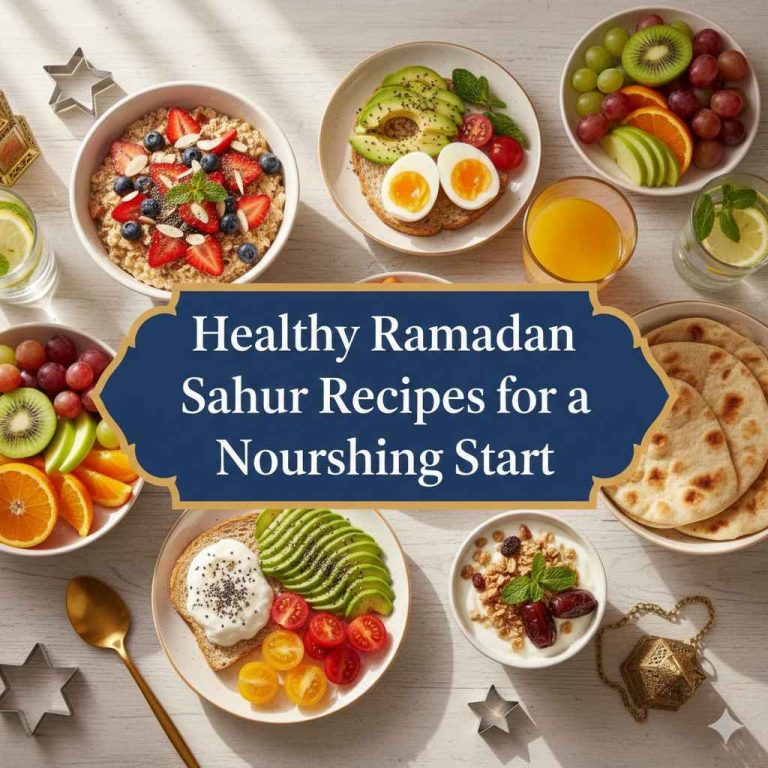
Ramadan Recipes and Meal Ideas for Suhoor and Iftar
Use a Ramadan recipes and meal ideas rotation: break fast with dates, water, and soup; follow with one protein, one starch, and one vegetable at iftar, then eat a protein-and-fiber suhoor that is quick to make. Without a system, nights turn into rushed cooking, heavy meals, and drained mornings. This guide gives easy suhoor and iftar ideas, crowd menus, quick drinks and snacks, and a weekly prep plan that cuts daily decisions.
Ramadan runs for 29 to 30 days on the Islamic lunar calendar, with the start and end set by moon sighting. Each fast starts before first light, around the Fajr prayer, and ends after sunset at Maghrib. The predawn meal is called suhur, and the evening meal that ends the fast is iftar.[1] For readers who want a broad background overview beyond the cited sources below, en.wikipedia.org is a general overview.
About this guide and how I tested it


I wrote this from the perspective of someone who cooks through Ramadan in real kitchens, not studio conditions. I have planned solo suhoors before early workdays, family iftars on weeknights, and guest tables where the hardest part is not the cooking itself but pacing the food so everyone can break fast calmly. The menus and shortcuts here come from repeated use: tray-bakes that reheat well, soups that can wait without splitting, suhoors that are actually finishable before dawn, and desserts I only put on the table when the rest of the meal stays light.
My own Ramadan food frame is mixed-cuisine and practical. Dates, soup, chai, keema-style mains, East African tea snacks, rice dinners, yogurt sauces, and fruit chaat all appear in my month, but not all at once. That cultural mix is intentional. It reflects how many households actually cook: tradition at the opening of iftar, then family-specific foods shaped by region, work schedules, and who is at the table that night.
Recipe notes in this guide are tested for batch-cooking and leftovers first. For example, saffron milk cake is recommended for guest nights because it holds beautifully when made ahead, but it can feel too rich if the menu already includes fried snacks. I also lean on red lentil soup, chicken soup, keema, one-pot rice, and overnight oats because I know from repeat use that they survive reheating, scaling, and tired-evening assembly.
Build Ramadan meals around a repeatable daily pattern
A simple rhythm that reduces decision fatigue
The easiest Ramadan kitchen runs on the same sequence each day: a steady suhoor, a light iftar opening, a sensible main meal, then dessert or tea later. That order matters. It keeps the first minutes of iftar calm and stops the table from feeling overloaded before anyone has even sat properly.
A common iftar opening is dates with water, eaten after sunset and often just before or just after Maghrib, depending on the household flow. That first step scales easily for one person, a family, or a room full of guests. From there, a light starter such as soup or fruit chaat buys time for prayer, settling in, and finishing the main.
Why separating starters from mains helps
Many Ramadan spreads go wrong because everything hits the table at once. Soup, fried snacks, rice, meat, salad, sweets, and tea all compete for space and attention. A lighter opening keeps appetite steady and stops the main meal from turning into background food.
This structure also helps with kitchen timing. Dates, water, soup, and a fruit plate can be ready in advance. The heavier dish can stay warm or finish in the oven while iftar starts.
How to match the pattern to your household
For solo cooks, the pattern can stay very small: dates, water, reheated soup, one tray-bake, and tea. For families, the same pattern works with a few more parts. For guests, add one fresh side and one crowd dessert instead of doubling the number of mains.
Eid al-Fitr comes at the end of Ramadan, but most of the month runs better on ordinary repeatable food, not celebration cooking every night.
Older drafts cited Ramadan – Wikipedia. In this revised version, the factual claims are supported by the sources listed at the end, and this link is kept only for archive continuity. (source)
What should I eat for suhoor to stay full longer?
Eat a suhoor built around protein, fiber, fluid, and enough salt to make the meal practical, not dry or skimpy. Good choices include eggs, yogurt, oats, wraps, leftovers, and smoothies with dates. The best suhoor is filling, fast to assemble, and easy to repeat on tired mornings. Building fluid into the meal itself can help with overnight hydration more reliably than trying to drink a large amount all at once.[2]
The four parts of a sustaining suhoor
Protein keeps the meal grounded. Eggs, Greek-style yogurt, labneh, cottage cheese, beans, leftover chicken, or tuna all work.
Fiber slows the meal down. Oats, wholegrain flatbread, fruit, chia, or cooked lentils help more than a sweet pastry eaten alone.
Fluid should be built into the plate. Yogurt bowls, overnight oats, fruit, soup leftovers, and smoothies pull hydration into the meal instead of leaving it as an afterthought.
Salt balance matters too. A pinch in eggs, labneh, or a wrap is practical. Very salty processed foods tend to make the next day harder.
Fast breakfast-style suhoor ideas
If you want more repeatable combinations, see our Ramadan suhoor ideas and date smoothies for suhoor for options built around the same protein-fiber-fluid pattern.
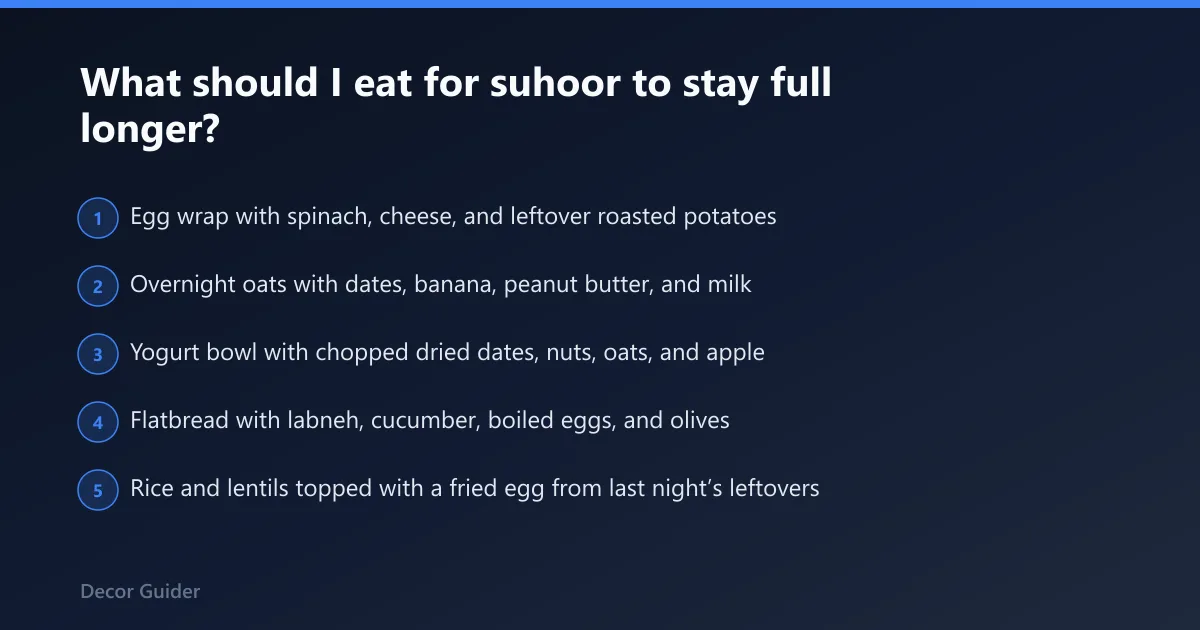
- Egg wrap with spinach, cheese, and leftover roasted potatoes
- Overnight oats with dates, banana, peanut butter, and milk
- Yogurt bowl with chopped dried dates, nuts, oats, and apple
- Flatbread with labneh, cucumber, boiled eggs, and olives
- Rice and lentils topped with a fried egg from last night’s leftovers
- Bean toast or bean-stuffed pita with yogurt on the side
Quick smoothies for rushed mornings
Smoothies earn their place at suhoor because they carry calories, fluid, and flavor in one glass when time is tight. Dates work especially well here. They add sweetness, body, and a caramel note that makes a plain smoothie taste finished.
- Date-banana smoothie with milk, oats, and cinnamon
- Date-coffee smoothie with yogurt and cocoa for very early workdays
- Mango-date smoothie with plain yogurt and a pinch of cardamom
- Berry-date smoothie with kefir or drinkable yogurt
Make-ahead suhoor for one person or a crowd
For one person, build a small fridge row: two jars of overnight oats, a container of boiled eggs, cut fruit, and one cooked grain or potato. For a family, set out a self-serve suhoor station with flatbreads, yogurt, eggs, fruit, and one reheatable savory item.
Leftovers are especially useful at suhoor when they are repackaged. Roast chicken becomes a wrap. Lentil soup becomes a mug meal with toast. Rice becomes egg fried rice with peas in a few minutes.
What foods should open iftar without making the meal too heavy?
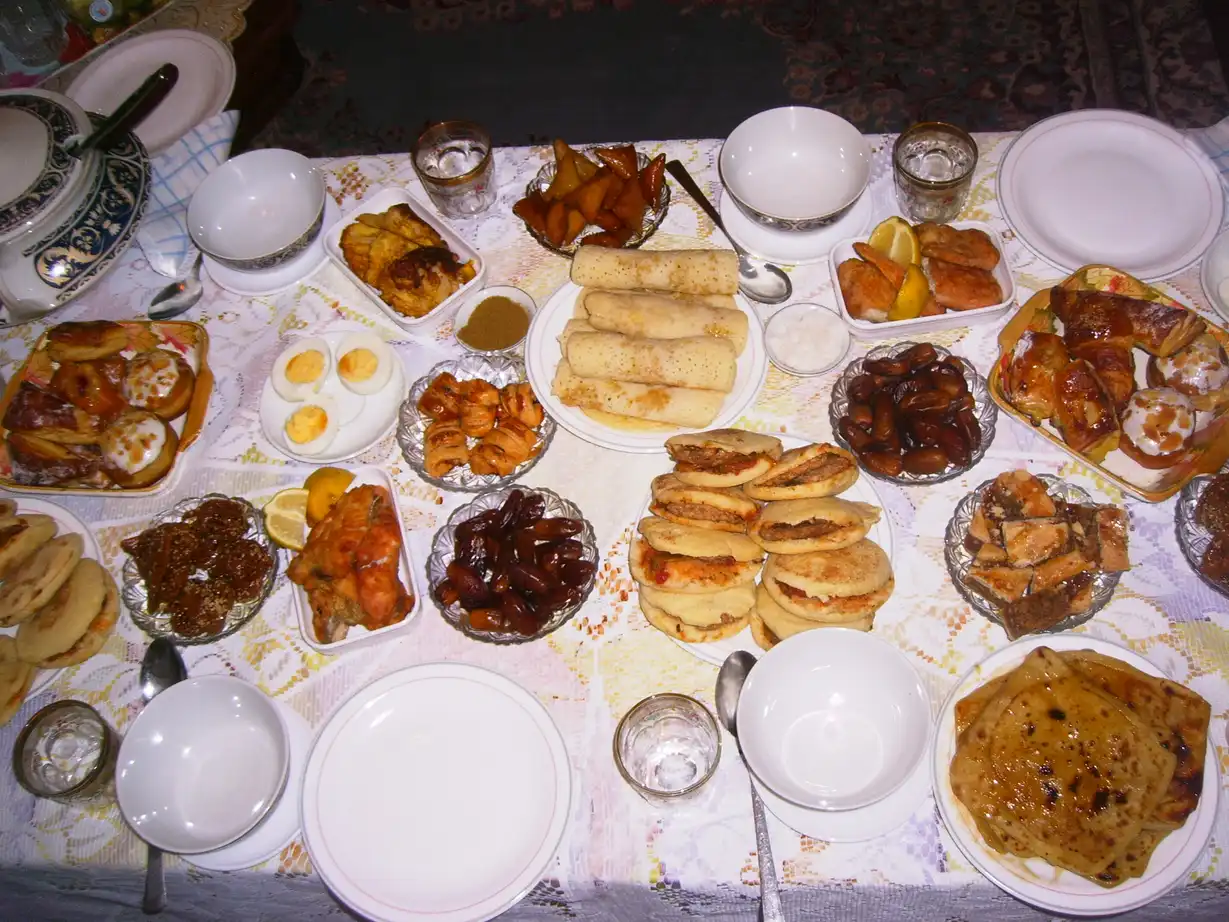
Open iftar with dates and water, then serve something light such as soup, fruit chaat, or a small savory bite before the main meal. This keeps the first course traditional and practical while avoiding the stuffed feeling that comes from bringing out fried snacks, rice, desserts, and tea all at once.
Dates and water first
The classic iftar opening is dates with water, often eaten right at the call for Maghrib because they are quick to set out and easy on an empty stomach. Fresh or dried dates both work. They also pair well with milk, nuts, and warm spices, so extra dates never go to waste during Ramadan.
Use them in a date milk drink, chopped into suhoor oats, blended into smoothies, or turned into dessert fillings. Once your structure is set, it also helps to keep a small list of reliable linked recipes such as red lentil soup for iftar, fruit chaat, and stuffed dates for dessert platters.
Light starters that work
Good iftar starters do one job: they wake up the appetite without replacing dinner. Reliable choices include:
- Lentil or chicken soup
- Fruit chaat with a simple lime, salt, and chaat masala dressing
- Small samosas or one savory pastry per person
- Cucumber, tomato, and chickpea salad plates
- Yogurt-based dips with cut vegetables or flatbread
When to serve chai or karak chai
Chai and karak chai are Ramadan staples, usually made with black tea and spices such as cardamom and cinnamon, often with evaporated milk. They fit best after the main meal or alongside a late snack table. Serving them immediately with dates and soup can crowd the stomach too early.
If the menu is very light, such as soup and snacks only, chai can come earlier. For heavier rice or baked mains, hold the tea until later. If you need a tested base, use our karak chai recipe or spiced milk chai as the post-dinner tea component rather than the opening drink.
How to pace the table
- Set out dates and water before sunset.
- Keep soup or fruit chaat ready to serve at once.
- Let the table pause before the main appears.
- Bring the main with one starch and one vegetable.
- Wait on dessert and chai until people actually want them.
What are some easy Ramadan meal ideas for weeknights?
Easy weeknight Ramadan meals come from one-pot, one-tray, or one-protein plans that feed iftar and help with the next suhoor. Think baked chicken with rice, keema with flatbread, lentil soup with sandwiches, or roasted salmon with potatoes. Simple meals feel better when starters and desserts stay light.
Low-effort mains built from one base
One cooked protein can carry two meals. Roast a tray of chicken thighs, then serve half at iftar with rice and vegetables. The rest can go into suhoor wraps, noodle bowls, or soup the next day.
- Baked chicken, rice, and roasted carrots
- Keema with peas, flatbread, and yogurt
- Salmon tray-bake with potatoes and green beans
- Chickpea and spinach curry with rice
- Lentil soup with grilled cheese or chicken sandwiches
Healthy Ramadan recipes that still feel filling
Filling Ramadan food does not need to be heavy. The most useful pattern is protein plus starch plus produce, with enough sauce or broth to make reheating pleasant. Soup, baked meats, beans, yogurt sauces, rice, potatoes, and cooked vegetables hold up far better than dry grilled food alone.
Fruit chaat is a strong example of a lighter side that still feels like part of iftar, especially when the dressing is sharp and the fruit is cold. It helps balance richer mains without becoming a diet plate.
Fallback meals for low-energy evenings
On these nights, I rely on freezer insurance and one fresh element. Keeping a page of iftar soup recipes and a short list of easy Ramadan dinners saves me from making decisions while hungry.
- Dates, soup from the freezer, rotisserie-style chicken, bagged salad, bread
- Dates, fruit chaat, bean quesadillas, yogurt dip
- Dates, instant lentil soup, omelet wraps, tea later
- Dates, leftover rice bowl with fried eggs and cucumber salad
What are good iftar recipes for a crowd?
Good crowd iftar menus use one light starter, one dependable main, one side, one dessert, and a simple drink plan. The strongest menus avoid too many last-minute dishes. Choose baked or braised mains, prep fruit and dates early, and save only one or two items for fresh finishing.
A crowd-friendly menu formula
For a family gathering or guest meal, use this formula:
- Starter: dates, water, soup, or fruit chaat
- Main: one rice dish, braise, curry, roast, or baked pasta
- Side: salad, roasted vegetables, or yogurt sauce
- Dessert: one tray dessert or cut fruit
- Drink: water first, chai later
What to make ahead and what to finish fresh
Make soup, rice, marinades, dessert, and chopped fruit ahead. Fresh salad dressing, herb garnishes, and hot bread are better handled near serving. This split cuts the usual rush around sunset.
Dates should be portioned before guests arrive. Fruit chaat can be prepped in parts, with dressing added close to serving so the fruit stays bright.
Dishes that scale well
Rice dishes, baked chicken, meatballs in sauce, lentil stews, and chickpea curries all scale cleanly. So do tray desserts. The best crowd menu feels generous because it is paced well, not because it uses the most dishes.
Saffron milk cake for celebratory iftars
Saffron milk cake can work well as a crowd dessert because it is baked ahead, soaked in saffron-infused milk, chilled, and cut to serve. It belongs on bigger Friday iftars, guest nights, and near the end of Ramadan when the table turns a bit more festive.
Because it is rich and cold, it pairs best with a lighter main meal or a fruit-based starter. If the dinner already includes heavy fried snacks, skip the cake and serve fruit or tea sweets instead. For a tested version, see saffron milk cake and pair it with a lighter soup from our Ramadan soup roundup.
Choosing the Right Serving Tray for Iftar
A serving tray sized 14–16 inches with raised edges prevents spills and reduces trips during iftar service. Selecting the correct dimensions ensures you can carry multiple tea glasses or dessert plates safely without flexing or overcrowding the table.
This Ramadan serving tray review evaluates capacity, grip, and material suitability for daily iftar, suhoor, and Eid hosting. It details practical performance factors like cleaning requirements and load limits to help you choose a tray that supports efficient meal service throughout the month.
Which snacks and drinks actually earn a place on the Ramadan table?
The best Ramadan snacks and drinks are the ones people reach for consistently without crowding the meal: chai or karak chai after dinner, one sweet snack, one lighter option, and a quick smoothie for suhoor. Snacks should support the meal rhythm, not turn every evening into a grazing session.
East African Ramadan snacks in context
Mandazi and kalimati fit beautifully into Ramadan, especially for tea time or a smaller iftar spread. Mandazi is a lightly sweet fried dough that pairs well with chai. Kalimati is often sweeter and more syrupy, so it may work better as the sweet item on the table rather than one snack among many others.
They do not need to appear every night. Once or twice in a weekly rotation is enough to keep them enjoyable and manageable. If that is your lane, these work well alongside mandazi, kalimati, and a late cup from homemade chai.
Chai and karak chai batch prep
Black tea, cardamom, cinnamon, and milk or evaporated milk build the familiar profile. For a busy household, brew a concentrated tea base earlier in the day. Reheat with milk after dinner so the tea tastes fresh without a full second round of cooking.
If the night already includes saffron milk cake or another sweet dessert, keep the chai less sweet. The table feels more balanced that way.
Quick drink ideas beyond tea
- Date milk with cinnamon
- Banana-date smoothie for suhoor
- Mango yogurt drink
- Cold milk with crushed pistachio and cardamom
- Blended cocoa-date drink for an early work morning
Choose one sweet snack and one light option
A practical spread might pair mandazi and fruit chaat, or kalimati and soup, or samosas and cucumber yogurt. Pairing one sweet item with one lighter choice keeps the table interesting without turning iftar into a snack buffet.
How do I plan Ramadan meals without getting exhausted?

Plan Ramadan by repeating a weekly rotation, batch-prepping a few base components, and giving every cooked item a second job. Meals get easier when soup, grains, proteins, cut fruit, and dough are ready ahead. Hydration also needs a plan built into meals, not vague reminders at the end.
Use a weekly rotation instead of starting from zero
Choosing dinner from scratch every day is tiring. A week-long cycle can remove much of that work. Keep the shape of the meal the same, then swap flavors as needed: soup one night, fruit chaat the next, baked chicken one night, keema the next.
Batch prep that pays off
- Wash and chop salad vegetables
- Cook one pot of rice or grains
- Roast or braise one main protein
- Boil eggs for suhoor
- Blend one sauce or yogurt dressing
- Portion dates, fruit, and snack items
- Mix dough or batter for mandazi if using later in the week
Downloadable-style Ramadan prep checklist
48 to 24 hours ahead
- Choose the week’s 3 to 4 mains and assign each leftover a second use.
- Shop for dates, yogurt, eggs, fruit, bread, grains, one main protein, and one freezer backup.
- Make or thaw one soup.
The day before or morning of
- Cook one starch base: 6 to 8 cups cooked rice for a family of four, or 2 to 3 cups for one to two people.
- Prep 8 to 12 boiled eggs for a family week, or 4 to 6 for solo cooking.
- Mix one yogurt sauce and chill fruit for iftar.
- Marinate or season the main protein.
One hour before iftar
- Set out dates and fill water jugs.
- Reheat soup gently.
- Finish one main, one starch, and one vegetable only.
- Hold chai and dessert for after dinner unless the menu is very light.
After dinner cleanup
- Pack suhoor portions immediately.
- Label leftovers with next use: wraps, rice bowl, soup, or freezer meal.
- Chill leftovers promptly; per USDA guidance, perishable cooked food should not sit out for more than 2 hours, and leftovers are best used within 3 to 4 days.[3]
Batch-cooking quantities that work in practice
For solo cooks, I usually batch one soup, one grain, and one protein for two days only. For families of four, a practical starting point is 8 chicken thighs or 2 whole trays of mixed pieces, 2 cups uncooked rice, 1 large pot of soup, and 1 yogurt sauce. For 8 to 10 guests, scale toward 16 to 20 pieces of chicken or an equivalent braise, 4 to 5 cups uncooked rice, 4 quarts of soup, 24 to 30 dates, one large salad or yogurt side, and one tray dessert. Those numbers are enough to feel hospitable without producing a week of tired leftovers.
Storage and leftover reuse
Leftovers are only useful when they reheat well and change shape. Keep sauces separate where possible. Slice proteins before storing. Package suhoor portions while cleaning up dinner, not the next morning when energy is low.
Rice can become fried rice with eggs. Roast vegetables can fill wraps. Extra soup can become a mug meal. A cooked chicken tray can move from iftar platter to wraps to soup stock support over two days.
A practical hydration plan
Hydration works better when tied to the meal pattern. Drink water at iftar with dates, again with the main meal, and again after tea or dessert. At suhoor, choose foods that carry fluid, such as yogurt, oats, fruit, smoothies, and soup leftovers, instead of relying on plain water alone.[2]
7-day Ramadan meal rotation
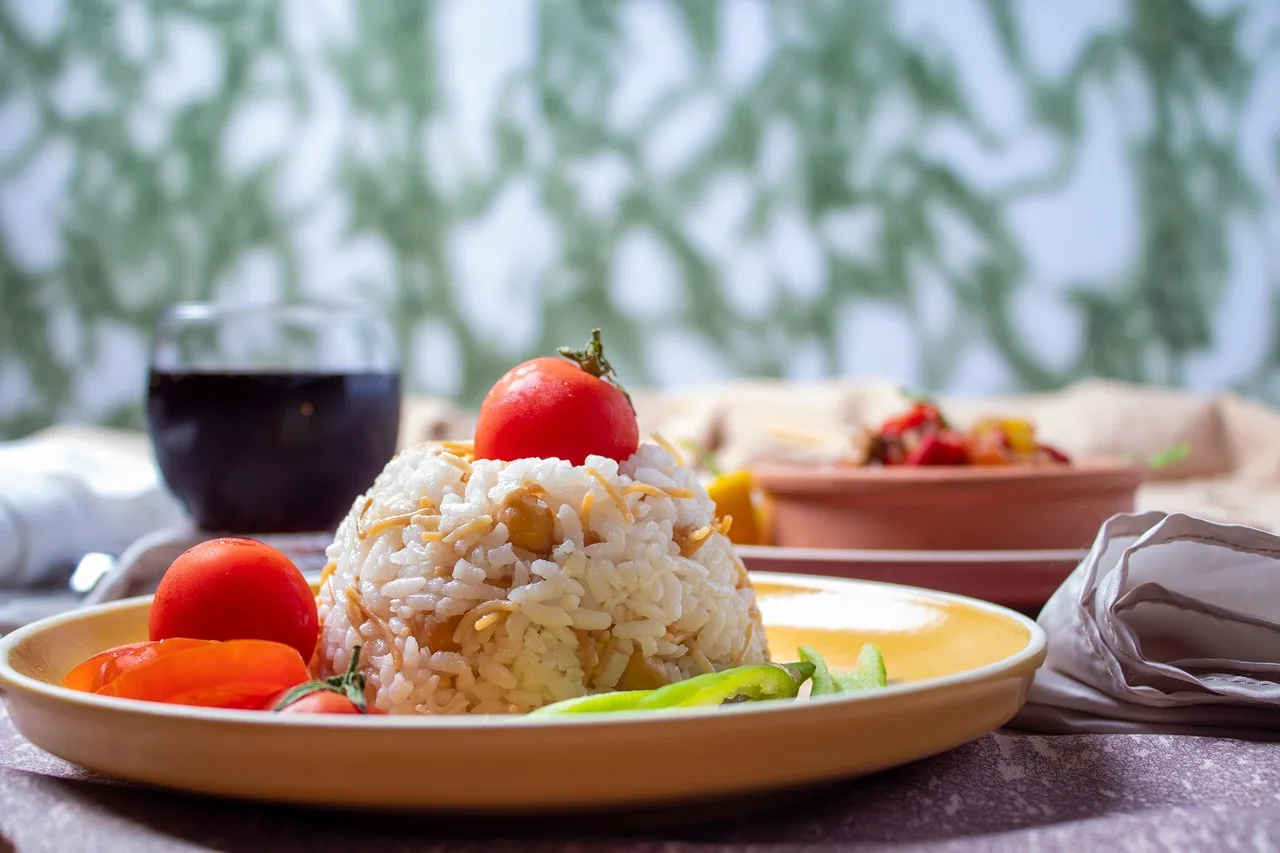
How to use this table
Use the table as a base week, not a strict script. Repeat the easiest days on work-heavy weeks. Upgrade one or two nights for guests. If the freezer is full, swap in stored soup, curry, or baked mains and keep the same suhoor and starter structure.
| Day | Suhoor | Iftar starter | Main | Dessert | Prep time | Make-ahead notes | Leftover reuse ideas |
|---|---|---|---|---|---|---|---|
| Day 1 | Overnight oats with dates, banana, and yogurt | Dates, water, red lentil soup | Baked chicken thighs, rice, roasted carrots | Karak chai | About 45 minutes | Make soup and oats ahead; marinate chicken earlier | Slice chicken for next-day wraps |
| Day 2 | Egg and spinach wraps with fruit | Dates, water, fruit chaat | Keema with peas, flatbread, cucumber yogurt | Mandazi with chai | About 35 minutes | Cook keema in advance; cut fruit earlier and dress later | Keema becomes stuffed pita for suhoor |
| Day 3 | Date-coffee smoothie and boiled eggs | Dates, water, chicken soup | Salmon tray-bake with potatoes and green beans | Orange slices and tea | About 30 minutes | Soup can be frozen; potatoes can be parboiled ahead | Flake salmon into rice bowls or sandwiches |
| Day 4 | Labneh, olives, flatbread, boiled eggs | Dates, water, small samosas and salad | Chickpea and spinach curry with rice | Kalimati | About 40 minutes | Curry improves after a rest; fry or bake samosas from frozen | Curry goes into baked potatoes or wraps |
| Day 5 | Yogurt bowl with oats, apple, nuts, and chopped dates | Dates, water, tomato soup | Turkey or beef meatballs in sauce, pasta or rice, salad | Saffron milk cake | About 50 minutes | Bake cake the day before; shape meatballs ahead | Meatballs become sub-style suhoor sandwiches |
| Day 6 | Leftover rice with fried eggs and cucumber | Dates, water, fruit chaat | One-pot chicken and rice with peas | Chai and fresh dates with nuts | About 45 minutes | Chop onions and herbs earlier; fruit can be chilled ahead | Rice becomes lunch boxes or stuffed peppers |
| Day 7 | Mango-date smoothie and cheese toast | Dates, water, lentil soup | Lamb or beef stew, couscous, roasted zucchini | Simple seared dates with ice cream or plain fruit | About 60 minutes | Stew can be made a day ahead; soup freezes well | Stew becomes hand pies or topped toast |
How to adjust the rotation
For guests, add one extra starter and use a tray dessert. For work nights, move the fastest meals to the busiest days. For freezer-heavy weeks, replace the main with frozen curry, soup, or braise and keep the same dates-water-starter sequence so the rhythm still holds.
How to adapt Ramadan cooking to your household
For busy professionals
The shortest path is a prepped suhoor and a two-part iftar: dates and soup first, then one reheatable main. Smoothies, boiled eggs, overnight oats, cooked rice, and roasted proteins carry a lot of the month when mornings are early and evenings are tight.
For families with children
Children usually do better with familiar mains and flexible snack boards. Keep iftar opening simple, then serve food they recognize: rice, chicken, pasta, meatballs, soup, fruit, and one sweet item. The system matters more than novelty.
For mixed-cuisine households
The structure can stay fixed while flavors rotate. One night can lean South Asian with keema and karak chai. Another can lean East African with mandazi on the side. Another can be roast chicken and vegetable soup. The meal rhythm stays the same even when the spices change.
For solo cooks
Small-batch Ramadan cooking works best when each dish has two lives. Cook half a tray of chicken, a small pot of soup, and one grain. Freeze one portion quickly. Repeat favorite suhoors often. Variety matters less than reducing waste and protecting energy.
Quick decision tree: solo cook, family, or guests?
If you are cooking for one: make 1 starter, 1 main, and no more than 1 sweet item for two days. Choose freezer-friendly soup, tray-baked protein, and a repeat suhoor.
If you are cooking for a household of 3 to 6: keep the same structure, but add one fresh side and batch enough starch for leftover lunches or suhoor bowls.
If you are hosting guests: do not add a second main first. Add one polished starter, scale the same main up, and finish with tea plus one tray dessert. If you still need more, add a salad or yogurt side before adding another protein.
Evaluating magazine recipes for suhoor and iftar
Not every seasonal cookbook or magazine issue delivers practical meals for fasting. The Ramadan issue review breaks down which recipes from Food Network Magazine actually hold up during dawn suhoor prep and evening iftar gatherings, versus those that only look good on the page.
It categorizes dishes by meal timing, guest readiness, and difficulty level so you avoid buying ingredients for recipes that won’t survive fasting fatigue. If you rely on print media for menu inspiration, evaluating an issue before purchasing prevents wasted money and unused groceries. The breakdown clarifies whether the publication leans toward beginner-friendly weeknight mains or more advanced decorative platters suited for hosting.
Choosing a Ramadan Table Runner That Handles Daily Iftars
A wipe-clean cotton or polyester blend runner in the 72 to 108 inch range keeps your iftar table looking intentional without adding stress. Light gold, cream, or deep green patterns read clearly for both daily dinners and Eid gatherings, while thin, shiny fabrics tend to wrinkle, stain, and clutter the visual space.
Our Ramadan table runner review compares practical designs by spill resistance, sizing accuracy, and long-term durability. It breaks down exactly which materials hold up through a full month of nightly meals so you can set the table quickly and focus on hosting instead of spot-cleaning.
Budget Your Ramadan Kitchen Setup Before You Buy
A practical Ramadan kitchen setup costs less when you buy in tiers: start with suhoor and iftar basics, add batch-prep tools next, and save hosting gear for last. Skipping this order leads to duplicate gadgets or missing the single pan that saves time every night.
This breakdown covers what to prioritize across starter, standard, and premium budgets, including cookware, appliances, and consumables. Planning your Ramadan kitchen budget before shopping prevents overspending and ensures you have exactly what you need for daily meals without scrambling mid-month.
Budget Your Ramadan Table Decor by Guest Count
Ramadan table decor typically costs $60–$120 for eight to ten guests, with candles, linens, and charger plates consuming most of the budget. Planning your spending around guest count prevents a single night of styling from draining funds meant for iftar groceries.
A practical approach is to build the tablescape around items you already own, purchasing only the few pieces that noticeably change the look. The supporting guide provides an item-by-item cost worksheet, highlights where to spend versus save, and explains how to reuse core elements throughout the month. Reviewing this Ramadan table decor cost breakdown helps you style a welcoming table without overspending before the meal even begins.
Choose a Ramadan Recipe Box That Actually Holds Up
A reliable Ramadan recipe box needs a sturdy lid, dividers for suhoor, iftar, and desserts, and enough capacity to hold 40 to 60 cards. Smaller decorative containers often look appealing but fail during daily meal prep, leading to damaged cards and disorganized planning.
The guide on Ramadan recipe box essentials breaks down durability, storage capacity, and organizing value. It includes a decision matrix to help you determine whether a dedicated box is worth the investment compared to loose cards or standard gift sets. Choosing the right container keeps your monthly rotation accessible and prevents recipes from ending up forgotten at the back of a shelf.
Selecting the Right Air Fryer for Ramadan Snacks
Air fryers significantly reduce frying time and maintain crispier textures for Ramadan staples like samosas and pakoras without heavy oil use. To determine if a single or dual-basket model fits your household needs, review the detailed breakdown in the best air fryer recommendations.
Choosing the correct basket size is critical to prevent crowding, which can cause uneven heating and soggy pastry. This guide compares top-rated options, helping you match your specific batch sizes and iftar timing to a machine that ensures consistent, high-quality results for both quick bites and larger family meals.
Organize Your Spices for Faster Suhoor and Iftar Prep
A countertop or wall-mounted tiered rack positioned within one arm’s reach of the stove cuts suhoor and iftar prep time significantly. Hidden or overstuffed storage slows you down, leads to duplicate bottles, and forces you to search while onions burn. The ideal setup holds 12–24 daily spices with labels visible at a glance.
Choosing between drawer inserts, carousels, wall mounts, or expandable shelves depends on your kitchen layout and workflow speed. This breakdown compares each option by visibility and access so you can build a faster cooking station before the month begins. Find the right fit in this guide to Ramadan spice rack setups.
Equip Your Kitchen for Fast Suhoor and Iftar Transitions
Preparing meals during Ramadan demands tools that handle rapid transitions between suhoor and iftar without slowing you down. A food-grade silicone spatula paired with a stainless steel spatula covers the essentials: stirring soups, scraping batters, and turning foods over high heat.
Choosing the right equipment prevents dish pile-ups when time is tight. The guide to Ramadan cooking utensils breaks down specific picks, including countertop holders for organization and complete sets ideal for gifting or one-time kitchen setups. It also provides a decision table so you can match each tool to your daily cooking routine, keeping prep efficient throughout the month.
Choose the Right Containers for Iftar Meal Prep
Storing iftar components in properly sized containers prevents waste and keeps batch-cooked dishes safe throughout Ramadan. The ideal capacity range falls between 600 ml and 1.4 liters, depending on whether you are portioning soups, mains, or sides.
A detailed breakdown of Ramadan meal prep containers compares rectangular borosilicate glass sets against BPA-free plastic options. Glass handles reheating hot leftovers without warping, while plastic suits budget-friendly batch cooking. The guide includes a sizing matrix to match container dimensions with specific dishes, helping you organize your refrigerator efficiently before each evening’s fast-breaking meal.
Frequently asked questions
What are some easy Ramadan meal ideas for suhoor and iftar?
Easy Ramadan meals start with repeatable building blocks: overnight oats, egg wraps, yogurt bowls, and smoothies for suhoor; then dates, water, soup, fruit chaat, and one simple main for iftar. Baked chicken, keema, lentil soup, chickpea curry, and rice bowls all fit busy weeknights well.
What are the best quick Ramadan snacks and drinks?
Useful quick Ramadan snacks and drinks include dates, fruit chaat, one savory bite, chai, karak chai, date milk, and suhoor smoothies. East African snacks such as mandazi and kalimati fit best once or twice a week, especially with tea, instead of appearing as nightly defaults.
What foods are traditionally eaten to break the fast?
Iftar is traditionally broken with dates and water. From there, many households move to soup or another light starter before a larger meal. Dates can be fresh or dried, and they also work well later in Ramadan meals through smoothies, milk drinks, filled pastries, and simple desserts.
Sources
- Encyclopaedia Britannica. “Ramadan.” Used for the basic definition of Ramadan, the lunar-month timing, and the terms suhur and iftar.
- NHS. “Water, drinks and your health,” and Harvard T.H. Chan School of Public Health. “Hydration.” Used for general hydration guidance and the practical point that fluid intake works best when distributed across eating hours.
- USDA Food Safety and Inspection Service. “Leftovers and Food Safety.” Used for the 2-hour room-temperature rule and the 3- to 4-day refrigerator guideline for cooked leftovers.
Products related to this article
Sponsored / affiliate links. As an Amazon Associate I earn from qualifying purchases. I may earn additional commission from eligible campaigns.