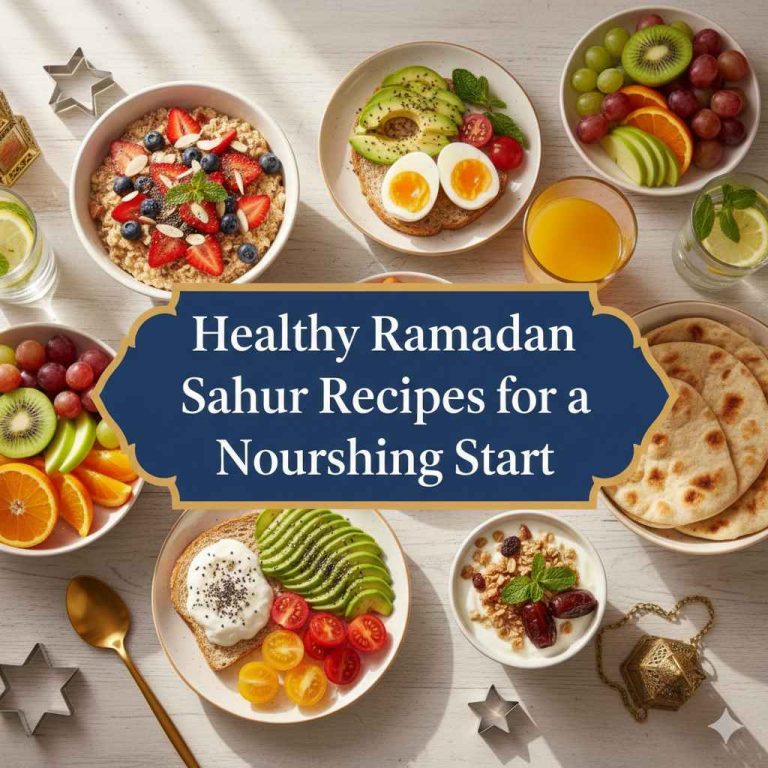
Ramadan Recipe Book Review for Busy Home Cooks
Buy The Ramadan Kitchen from Majosta if your Ramadan dinner routine needs a clear plan for suhoor, iftar, and low-effort cooking. Based on the published details, it is the strongest fit here for simple ingredients, a pared-back equipment list, one-pot hob recipes, a slow cooker section, and cook-once, eat-twice support.
Verdict

It is a practical pick for tired households that want fewer decisions and fewer dishes. Skip it if you want the broadest possible Ramadan and Eid celebration range, because the other titles in this group lean more toward family sharing or general Ramadan cooking than the suhoor-to-iftar workflow.
Pros and cons
- Pros: 100 family-friendly recipes, simple ingredients, and a pared-back equipment list.
- Pros: One-pot hob cooking, a slow cooker section, and cook-once, eat-twice ideas suit busy evenings.
- Pros: Freezer stash bags point to real make-ahead planning.
- Cons: The published details do not give a full chapter list or exact recipe names, so you cannot pre-screen every dish.
- Cons: It does not advertise a formal weekly Ramadan meal plan, so the planning burden is still partly on you.
Specs at a glance
| Detail | Verified information |
|---|---|
| Title | The Ramadan Kitchen: Nourishing Suhoor and Iftar Recipes for a Balanced and Energizing Fast (Ramadan Cookbook) |
| Brand | Majosta |
| Recipe count | 100 family-friendly recipes |
| Ingredient style | Simple ingredients |
| Equipment style | Pared-back equipment list |
| Cooking methods called out | One-pot wonders on the hob, slow cooker section, cook once, eat twice section |
| Make-ahead support | Freezer stash bags for prep ahead |
| Family fit | Designed to feed the whole family and can be made in bulk |
| Planning support | No formal weekly plan is stated in the product details provided |
Ramadan fit matrix
This matrix is a practical screen for busy home cooks. A high score means the recipe format is likely to suit fasting hours, late iftar prep, and low-cleanup cooking. A lower score does not mean a bad recipe; it usually means more active cooking, more dishes, or less predictable leftovers.
| Recipe type | Suhoor-friendly | Iftar-friendly | Make-ahead | Freezer-safe | Reheat-friendly | Low-cleanup |
|---|---|---|---|---|---|---|
| One-pot soup | 4/5, gentle on the stomach, easy to portion before dawn | 5/5, ideal starter for breaking the fast | 5/5, usually best made ahead | 4/5, soups usually freeze well unless dairy-heavy | 5/5, reheats predictably | 5/5, one pot keeps washing up low |
| Hob-cooked stew | 3/5, filling, but heavier at suhoor | 4/5, strong main for a family iftar | 4/5, can be cooked earlier in the day | 4/5, usually freezer-friendly | 5/5, sauce-based dishes tend to reheat well | 4/5, usually one main pan |
| Traybake dinner | 2/5, better for iftar than pre-dawn eating | 4/5, crowd-friendly and straightforward | 3/5, some parts can be prepped ahead | 3/5, texture depends on the ingredients | 3/5, acceptable, but not always as good as fresh | 4/5, usually one tray, sometimes a pan too |
| Slow cooker curry | 4/5, useful if you want a ready meal after Maghrib | 5/5, ideal when iftar timing is tight | 5/5, most of the work happens earlier | 5/5, curries usually freeze well | 5/5, strong reheat performance | 4/5, prep is modest, but the cooker still needs cleaning |
| Cook once, eat twice pasta | 3/5, convenient, but not always sustaining enough for suhoor | 4/5, good for a fast family meal | 4/5, portioning ahead helps | 3/5, pasta texture can soften after freezing | 3/5, best reheated carefully with a splash of liquid | 4/5, usually one pan plus a pot |
| Rice bowl | 4/5, can be filling and portable for early eating | 4/5, easy to scale up for family portions | 4/5, components can be made ahead | 3/5, rice freezes okay if cooled properly | 4/5, reheats well if moisture is controlled | 4/5, less cleanup than multi-component plates |
| Roasted vegetable main | 2/5, light for suhoor unless paired with protein | 3/5, better as a side than a full iftar main | 3/5, vegetables can be prepped early | 2/5, roasting changes texture after freezing | 2/5, reheats less neatly than sauced dishes | 4/5, sheet-pan cooking is tidy |
| Lentil-based dish | 5/5, sustaining and budget-friendly for suhoor | 4/5, good starter or light main | 5/5, ideal for batch cooking | 5/5, lentil dishes usually freeze well | 5/5, reheats with little loss | 5/5, usually low dish count |
| Stuffed bake | 3/5, useful if made in small portions | 4/5, family-friendly for iftar | 3/5, prep can be split across stages | 3/5, depends on filling and sauce | 4/5, sauced versions reheat better | 3/5, assembly adds some cleanup |
| Freezer stash meal | 5/5, strong for emergency suhoor or late breakfast | 5/5, very helpful when iftar starts running late | 5/5, built for advance work | 5/5, freezer use is the point | 5/5, designed for later reheating | 4/5, prep day is busier, but later cleanup drops |
Use the matrix as a filter, not a promise. A recipe can score well for iftar and still fail your household if it depends on ingredients you do not keep, or if your family wants lighter food after sunset and fuller food before dawn.
Who is this book for?
This book is for busy home cooks who want Ramadan dinners to feel planned rather than improvised. It suits families that need one shopping list, batch-cooking help, and recipes that can be made in bulk without turning the kitchen into a long-cleanup zone.
It is less useful if you want a highly specialized suhoor book, a strict budget book, or a collection built around very short ingredient lists only. The published details point to convenience, but not to a deeply constrained pantry approach.
Pros and cons for this reader
- Best for: households that cook once and stretch meals across two days.
- Best for: readers who want hob cooking, slow cooker options, and low-decision Ramadan planning.
- Less ideal for: cooks who want a formal weekly meal calendar or very narrow grocery lists.
- Less ideal for: households that need strong allergy or specialist-diet coverage, since that is not stated in the product details.
What works for busy Ramadan cooking?
The strongest point here is fit for real Ramadan timing. Simple ingredients, one-pot hob recipes, and a slow cooker section matter because they reduce evening pressure when energy is low and iftar needs to happen on schedule.
Batch cooking support is another plus. The cook once, eat twice section and freezer stash bags suggest the book is built for households that want extra portions ready for the next day, which can help with suhoor and late-night leftovers.
Simple ingredients and short shopping lists
The book is described as using simple ingredients and family-friendly recipes. That usually means fewer specialty purchases, easier substitutions, and less time spent chasing down a long ingredient list after work.
Say your household is breaking the fast with children and you need dinner on the table fast. A recipe built from pantry staples and a few fresh items is easier to repeat through the month than a dish that depends on one hard-to-find spice blend or imported product.
One-pot recipes and other low-dish methods
The one-pot wonders cooked on the hob in 30 minutes are the clearest sign that this book values cleanup as much as cooking. One-pot recipes matter in Ramadan because they cut the number of pans, reduce stovetop juggling, and make it easier to serve a warm meal quickly.
Picture a 6 pm iftar window with a tired cook and one burner free. A hob-based one-pot meal is a safer bet than a recipe that needs oven space, a separate sauce pan, and a final garnish stage.
Batch-cooking and leftover-friendly recipes
The cook once, eat twice section is useful because it turns one cooking session into two meals. That matters in Ramadan, when a household may need a quick lunch the next day or a pre-dawn meal that does not require starting from zero.
The freezer stash bags are also a practical clue. They suggest the book is thinking about storage, not just same-day cooking, which helps busy households reduce waste and stretch the grocery budget.
Does it help with suhoor and iftar?
Yes, based on the published details, this is one of the better-positioned Ramadan cookbooks for both ends of the fasting day. It is specifically aimed at suhoor and iftar recipes, and that focus is more useful than a generic family cookbook that only nods at Ramadan.
For suhoor, the best recipes are likely the ones that can be cooked ahead, frozen, or reheated without losing texture. For iftar, the most helpful recipes are those that work as starters or mains and do not need a long final rush before Maghrib.
Suhoor support
Suhoor cooking should be fast, filling, and forgiving. Recipes with lentils, grains, eggs, soups, or sauced leftovers are usually better than dry, delicate dishes because they hold up when reheated and keep the meal from feeling rushed.
The book’s freezer and cook once, eat twice features make it more useful for suhoor than a typical evening cookbook. You can portion ahead, warm food quickly, and avoid a full cook session before dawn.
Iftar timing and serving rhythm
Iftar works best when the book gives you something you can serve in stages. A soup starter, followed by a main that is already partly cooked or fully reheatable, lowers stress because you are not building the meal from scratch while everyone waits.
If you are feeding a family, the best iftar recipes are the ones that scale without much extra effort. The product details say the recipes are designed to feed the whole family and can be made in bulk, which is exactly the sort of support that matters when guests arrive or appetites run differently after fasting.
Reheat quality after fasting hours
Reheat quality matters more in Ramadan than in many other cooking seasons. Soups, curries, lentil dishes, and sauced mains usually survive reheating far better than crisp or delicate dishes, especially when they have to wait while the rest of the table is set.
A common first-timer mistake is making only fresh-to-table dishes every night. That approach sounds appealing, but it can push you into late cooking, extra washing up, and rushed serving when a simpler reheatable dish would have done the job better.
What does not hold up?
The main limitation is that the public product details do not show a full chapter list, so you cannot tell in advance how many recipes are soups, how many are mains, or how much the book leans toward specific cuisines. That makes deeper pre-buy planning harder than it should be.
It also does not advertise a formal weekly meal plan. For some buyers, that matters as much as the recipes themselves, because a plan cuts decision fatigue and helps you shop once for several days at a time.
Where it may slow you down
Even with simple ingredients, some family recipes still ask for more assembly than a busy Ramadan evening can comfortably absorb. Anything that needs multiple pans, careful timing, or several finish steps will work against the book’s convenience promise.
The product details also do not mention specific halal sourcing notes, allergy swaps, or kid-spice guidance. That does not mean the book lacks them, but it does mean buyers should not assume that kind of support is present.
Budget and dietary gaps
There is no stated cost-per-meal guidance. That matters because Ramadan shopping can get expensive when households buy extra meat, snacks, drinks, and dessert items at once.
If your main priority is budget control, you may still need to lean on your own pantry knowledge. The book sounds practical, but the published details do not show a built-in budget framework.
Alternatives

The Ramadan Cookbook: 80 Delicious Recipes Perfect for Ramadan, Eid, and Celebrating Throughout the Year from Countryman Press is the broader celebration pick. It gives you 80 recipes for Ramadan and Eid and works better if you want festive range across the month and beyond, but the public details do not show the same suhoor-and-iftar planning focus or the same make-ahead tooling as The Ramadan Kitchen.

- Family-focused recipe collection
- Includes 80 recipes
- Aims at shared meals
The Ramadan Family Cookbook: 80 recipes for enjoying with loved ones from Ebury Press is the most family-centered alternative. It is the better choice if your main goal is shared meals and a household-friendly cookbook with 80 recipes, but the listed details are thinner on the workflow tools that busy cooks need, such as one-pot timing, freezer support, and cook-once, eat-twice structure.
Should you buy it?
Buy this book if you want structured Ramadan cooking that fits a tired household: simple ingredients, low-dish methods, make-ahead support, and family-sized recipes are all part of the pitch. It looks especially strong for readers who want fewer dinner decisions and more repeatable weeknight rhythm.
Skip it if you need a strict meal plan, very short ingredient lists, or stronger dietary-specific guidance. Compared with piecing together online Ramadan recipes, this book is better when you want one source that already thinks about suhoor, iftar, batch cooking, and cleanup together.
Frequently asked questions
Is this Ramadan recipe book actually useful for busy home cooks?
Yes, the published details point to a strong fit for busy home cooks. The combination of simple ingredients, a pared-back equipment list, one-pot hob recipes, slow cooker support, and cook-once, eat-twice ideas is exactly what reduces evening pressure during Ramadan.
Does the book have make-ahead recipes for suhoor and iftar?
It appears to, based on the freezer stash bags, slow cooker section, and cook once, eat twice section. Those features are most useful when you want suhoor or iftar food ready in advance, although the product details do not list every make-ahead recipe by name.
How many recipes are in the book and are they beginner-friendly?
The book has 100 family-friendly recipes. That count is helpful, but beginner-friendly in practice comes from the recipe style too, and the simple ingredients and pared-back equipment list suggest a lower barrier than many themed cookbooks.
Does the book use simple ingredients or hard-to-find items?
The product details say it focuses on simple ingredients, which is a major plus for Ramadan shopping. That usually means fewer specialty purchases and less dinner-time stress, though the public listing does not prove that every recipe is pantry-only.
Can I freeze the recipes and reheat them well?
The freezer stash bags and cook once, eat twice section strongly suggest good make-ahead potential. Freezer-friendly dishes also tend to reheat better if they are sauced or soupy, which suits Ramadan better than crisp or delicate recipes.
Is this book better than just using online Ramadan recipes?
For many busy households, yes. Online recipes can be useful, but a cookbook with one-pot recipes, batch-cooking cues, and family-scale planning support is easier to use when you are tired and need a repeatable system rather than another search result.
Products related to this article
Sponsored / affiliate links. As an Amazon Associate I earn from qualifying purchases. I may earn additional commission from eligible campaigns.