Ramadan Food Storage Container Review: What to Buy
For Ramadan batch cooking, I’d buy a 12- to 18-piece set with three sizes, about 700 ml, 1.2 L, and 2 L, in glass or thick BPA-free polypropylene with tight, flat lids. Wrong sizes waste fridge space, leak during transport, and make suhoor and iftar leftovers awkward to use again. This review compares container materials, size mixes, stacking, and value for storing cooked curries, rice, soups, and prepped snacks across the month.
Verdict: the best Ramadan container system for most homes

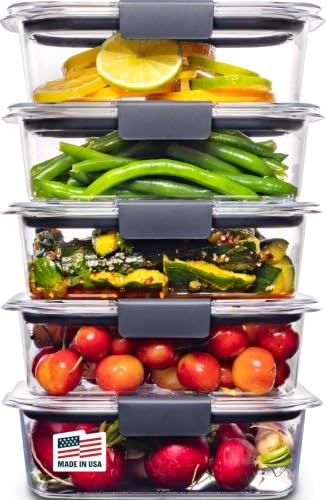

The best Ramadan container system for most homes is a mixed set: glass for rice, curries, and reheating; plastic for dry snacks and short-turn fridge use; one or two deeper containers for soup; and a few small jars for dates and sauces. That mix handles suhoor prep before dawn, iftar service after sunset, and the constant fridge turnover that happens when leftovers become tomorrow’s meal.
Best overall setup for batch-cooked iftar and suhoor
A mixed stack of 600 ml to 1.4 l containers is the most practical starting point. Use smaller pieces for sauces, chopped produce, and date portions, then medium and larger rectangles for rice, curry, and family leftovers. Flat lids matter more than fancy clip designs because they stack better and waste less shelf height.
Best pick for small kitchens
For tight fridges, I’d choose a compact rectangular system with matching lids and clear bases. It should nest well when empty and stack cleanly when full. Glass is useful here because it keeps contents visible, but lighter plastic still wins if the containers will move in and out of crowded shelves all day.
Best pick for larger families
Larger families need more wide rectangles and a few deep soup containers, not just many tiny boxes. A set with separate sizes for rice, stew, and chopped vegetables reduces re-packing. The right system here is the one that keeps several dishes ready without forcing every item into the same shape.
According to almanac.com — Ramadan begins at the first sighting of the crescent Moon on Tuesday, February 17, 2026.
What size food storage containers do I need for Ramadan meal prep?
Most homes need a small range, not one universal size. For Ramadan meal prep, a useful size range is from a few hundred milliliters for sauces and dates up to around 2 liters for rice, curry, and shared leftovers. The best shape is usually rectangular, because it stacks better than round tubs and uses fridge space more efficiently.
Sizing by food type
- Dates and snacks: small jars or tins, roughly 250 ml to 500 ml.
- Sauces: small square or round containers, roughly 200 ml to 400 ml.
- Rice: medium rectangles, roughly 700 ml to 1.4 L.
- Soup: deeper containers, roughly 1.0 L to 2.0 L.
- Chopped produce: shallow rectangles or squares, roughly 600 ml to 1.0 L.
- Family leftovers: larger rectangles, roughly 1.4 L to 2.0 L.
Sizing by household count
For one person, a small set with a few medium containers and one larger piece is often enough for suhoor and leftover lunch. For four people, the system needs several medium rectangles and at least two larger containers for shared dishes. For six people, add more deep pieces, because soup and rice disappear quickly and need separate storage.
Shape matters
Rectangular containers are the workhorses. Square pieces help for snacks and chopped vegetables. Jars suit dates, pickles, and sauces. Tins make sense for dry pantry items, but they are less useful for fridge turnover unless the lids seal tightly and the contents are not being reheated.
Pros and cons: glass, plastic, stainless steel, and silicone
Glass is usually the most useful material for Ramadan leftovers if reheating and stain control matter. Plastic is lighter and often cheaper. Stainless steel is strong for dry or chilled storage but is poor for microwave use. Silicone is good for collapsible storage and some freezer jobs, but it is less ideal for neat stacking in a crowded Ramadan fridge.
Glass for reheating, stain control, and fridge visibility
Glass works well for curry, tomato sauces, and rice because it resists staining and odor retention better than many plastic boxes. It also moves from fridge to microwave more confidently. The tradeoff is weight and break risk. In a busy kitchen, the lid often fails before the glass does, especially if it is bent, cracked, or stored under pressure.
Plastic for weight, cost, and everyday handling
Plastic containers are easier to carry, quicker to sort, and easier to buy in larger counts. They suit snacks, chopped vegetables, and short-fridge storage. The weak points are warping, odor retention, and clouding over time. Thin lids can also loosen after repeated washing, which is annoying when a soup container leaks on the shelf.
Stainless steel and silicone for specific storage jobs
Stainless steel is a strong pick for dry foods, cold salads, and transport, but it is not the best answer for reheating iftars in the microwave. Silicone helps when space is tight and collapse matters, though it is less rigid and can feel awkward under heavier leftovers. For Ramadan, these materials are specialists, not the main system.
Where each material fails in a busy Ramadan kitchen
Glass breaks under impact. Plastic warps with heat and picks up smells. Stainless steel cannot be used everywhere and hides contents, which slows fridge rotation. Silicone can bow under heavy soup and does not always stack with the same certainty as hard-sided boxes. A mixed set avoids depending on one weak point.
Which container features matter most for Ramadan leftovers?
The most important features are lid seal quality, shape stability, and whether the box can move from fridge to reheating without drama. For Ramadan leftovers, a good lid keeps soup in place, a flat base stacks well, and the container should survive daily opening, washing, and refilling without the rim bending or the clips loosening.
Lid types and sealing methods that hold up to soups and curries
Snap lids are common and convenient, but they can crack at the corners. Clip lids are firmer for transport, though the clips themselves can fail. Silicone gaskets help with leak resistance if they stay clean and seated properly. For curries and soup, the safest choice is a lid that closes evenly across the full rim.
Microwave, freezer, and dishwasher compatibility
Glass usually gives the easiest reheating path. Plastic is often fine for fridge and freezer use, but not every box tolerates high microwave heat. Stainless steel should stay out of the microwave. Dishwasher-safe labels matter, but the real test is whether the lid still seals after repeated hot washes.
Stackability, nesting, and fridge turnover
Stackability matters more during Ramadan than at other times because the fridge is opened often, especially between suhoor and iftar. Flat lids stack best. Deep domed lids waste space. Nesting is useful for storage before the month begins, but containers that nest too tightly can be annoying to separate once the pace picks up.
Odor retention, warping, and cracked lid checks
Check the rim before buying. If the lid edge flexes too easily, it will likely fail sooner. Thin plastic bases can warp after repeated heat, which makes stacking unstable. Odor retention usually shows up first in tomato sauces and curries. Once that starts, the box becomes less useful for mixed use.
Ramadan container sizing matrix for batch cooking
The right matrix pairs food type with volume, shape, and household count. For Ramadan, that matters because dates, soups, rice, and chopped produce do not perform the same way in storage. A good system saves space, limits leaks, and keeps leftovers moving from iftar to suhoor without constant repacking.
| Ramadan food | Best shape | Volume range | 1-person home | 4-person home | 6-person home |
|---|---|---|---|---|---|
| Dates / snacks | Jar or tin | 250 ml to 500 ml | 2 pieces | 3 pieces | 4 pieces |
| Sauces | Small square or round | 200 ml to 400 ml | 2 pieces | 4 pieces | 6 pieces |
| Rice | Rectangular | 700 ml to 1.4 L | 1 piece | 3 pieces | 4 pieces |
| Soup | Deep rectangular | 1.0 L to 2.0 L | 1 piece | 2 pieces | 3 pieces |
| Chopped produce | Shallow rectangle | 600 ml to 1.0 L | 2 pieces | 3 pieces | 4 pieces |
| Family leftovers | Large rectangular | 1.4 L to 2.0 L | 1 piece | 3 pieces | 4 pieces |
How many containers to buy for a full month
For a month of Ramadan meal prep, a one-person home usually needs around 6 to 8 useful containers. A four-person home is often served well by roughly a dozen to the mid-teens in pieces. A larger home like a six-person household may need roughly the mid-teens to around 20 pieces, since there are more separate dishes, leftovers, and more need to sort foods by meal and day.
Best container sets to buy: IKEA 365+, PRUTA, BESTÄMMA, and HAVSTOBIS
Among the named sets, the best value depends on whether you want size variety, low upfront cost, or a cleaner glass-first setup. IKEA also lists 190 food storage and organising items, and it recommends stackable containers with lids for efficient kitchen use and storage that keeps work surfaces clutter free. Those principles fit Ramadan well.
IKEA 365+ food container
IKEA shows an IKEA 365+ food container with lid in 1.0 l and 600 ml, and also shows sizes such as 750 ml and 1.4 l. The line is useful because it gives a practical spread for rice, curry, and chopped produce without forcing every container into the same volume. Rectangular versions are the most useful for fridge turnover, while the square and stainless steel version fits narrower jobs and transport.
PRUTA food container set
PRUTA is the budget-heavy option in this group. IKEA lists a PRUTA food container set with multiple pieces, in green, with lids included. That makes it a strong starter buy for households that need many small-to-medium pieces for snacks, chopped ingredients, and leftovers without spending on every container being glass.
BESTÄMMA food container set
IKEA lists a BESTÄMMA glass food container set of 3 at a listed price of 79.90 DH. This is the most compact glass-first option in the group. It suits shoppers who want a few dependable reheating containers rather than a full Ramadan system. The set is better as a supplement than as the only purchase.
HAVSTOBIS food container set
IKEA lists a HAVSTOBIS food container set of 5 in transparent/multicolour at 179 DH. It is a middle-ground buy for homes that want visible contents and a small range of sizes. It feels more giftable than utilitarian, which can matter if the goal is an Eid prep set for family or hosts.
Value notes: cost per container and cost per meal
On plain math, a 17-piece set spreads cost across many short-use jobs, while a 3-piece glass set has a higher cost per piece but better reheating value. For Ramadan, the better question is cost per meal saved. A container that turns one curry into two iftars is better value than a cheaper one that warps, leaks, or gets ignored.
Who is this for?
This system suits households that batch-cook for suhoor and iftar, keep a moving fridge, and want leftovers to return as a usable meal. It is less suited to people who only store dry pantry items, or anyone who wants a single material for every job. Ramadan kitchens do better with mixed pieces than with one perfect box.
Small kitchens with tight fridge space
Choose rectangles, flat lids, and fewer sizes. Clear glass helps you see what needs using first, while a small number of stackable plastic boxes handles overflow. Fridge organisers and baskets help keep sauces, dates, and chopped produce from spreading across shelves.
Large families cooking in batches
Go bigger on count and wider on shape. Large families need more 1.4 L to 2.0 L containers for rice and curry, plus several smaller boxes for sides and snacks. A mix-and-match system keeps each dish separate and avoids overfilling one container until the lid bulges.
Shoppers who want a mix-and-match setup
This is the best audience for the IKEA 365+ range plus a few PRUTA pieces. That combination covers reheating, snack storage, and leftover rotation without forcing every container to be the same material. It also makes replacement easier when one lid cracks or a single box disappears.
Gift buyers looking for Eid prep storage
For giftable storage, the glass sets are easier to present and more likely to feel like a lasting household tool. BESTÄMMA and HAVSTOBIS fit that role better than a bulk-only plastic set. They are good when the goal is a neat, practical gift rather than maximum quantity.
How do I organize Ramadan meal prep containers in a small kitchen?
Use one shelf for cooked leftovers, one bin for empty lids, and one basket for snack and date containers. Small kitchens need vertical order. Keep the most used pieces at eye level, and put rarely used tins or extra lids in a pantry organizer so the fridge stays open only for food in rotation.
- Sort containers by size before Ramadan starts.
- Match each lid to each base and remove broken pieces.
- Place deep soup containers on one shelf and flat rectangles on another.
- Use a basket for sauces, dates, and small jars.
- Keep one empty zone for tonight’s iftar leftovers.
Frequently asked questions
Are glass or plastic containers better for Ramadan leftovers?
Glass is usually better for reheating, stain resistance, and long-fridge storage of curry or tomato-based food. Plastic is lighter, cheaper, and easier to move in a packed fridge. For Ramadan, glass is best for main leftovers, while plastic is useful for snacks and short-term holding.
How many containers should I buy for suhoor and iftar prep?
A one-person home usually needs 6 to 8 pieces. Four people often need 12 to 16. Six people may need 16 to 20, especially if soups, rice, sauces, and chopped produce are all stored separately. More people means more container turnover, not just larger boxes.
What containers keep Ramadan foods fresh in the fridge?
Containers with tight, even-sealing lids and flat sides work best. Glass is strong for fridge visibility and odor control, while thicker plastic is useful for lighter foods and frequent handling. The best fridge containers are the ones that seal well, stack cleanly, and do not trap smells after curry or soup.
Can food storage containers handle dates, sauces, and leftovers?
Yes, but different foods need different formats. Dates and snacks fit jars or tins, sauces need small leak-resistant containers, and leftovers need deeper rectangles. A single box type usually fails one of those jobs. Dates want easy access; sauces want secure lids; leftovers want stackability and reheating tolerance.
Products related to this article
Sponsored / affiliate links. As an Amazon Associate I earn from qualifying purchases. I may earn additional commission from eligible campaigns.