Nonstick Pan vs Cast Iron Pan for Ramadan Cooking
Choose Nonstick Pan for suhoor when speed and easy cleanup matter, and choose Cast Iron Pan for Ramadan Cooking for iftar batch cooking when you need higher heat tolerance, better heat retention, and long service life. Pick the wrong one, and you can end up with slow cleanup before dawn or a pan that struggles with long, hot cooking sessions at sunset. This guide compares stove compatibility, cleanup, durability, and the best Ramadan use cases for each pan.
| Decision factor | Nonstick Pan | Cast Iron Pan for Ramadan Cooking | Winner |
|---|---|---|---|
| Suhoor speed and cleanup | Food releases easily, and cleanup often takes only a quick wash with a soft sponge. | Needs drying, oiling, and more cleanup time. | Nonstick Pan |
| High heat, searing, and broilers | Should not be left empty on high heat; Wirecutter advises avoiding use above 450 °F. | Handles very high heat and broilers without the same coating limits. | Cast Iron Pan for Ramadan Cooking |
| Oven cooking and traybakes | Model-specific; some pans are oven-safe, but ratings vary widely. | Excellent for roasting and baking in the oven. | Cast Iron Pan for Ramadan Cooking |
| Lifespan and ownership cost | Often lasts only a few years before the coating wears down. | Can last for decades with proper care and regular seasoning. | Cast Iron Pan for Ramadan Cooking |
| Delicate foods and low-fat cooking | Best for eggs, pancakes, fish, and omelets. | Works, but release is less forgiving unless seasoning is strong. | Nonstick Pan |
Suhoor speed and cleanup
Nonstick wins when you need to cook eggs, pancakes, or omelets quickly before dawn and move straight to washing up. That matters in Ramadan, where suhoor can leave little time for scrubbing, and a pan that releases food cleanly cuts down the work.
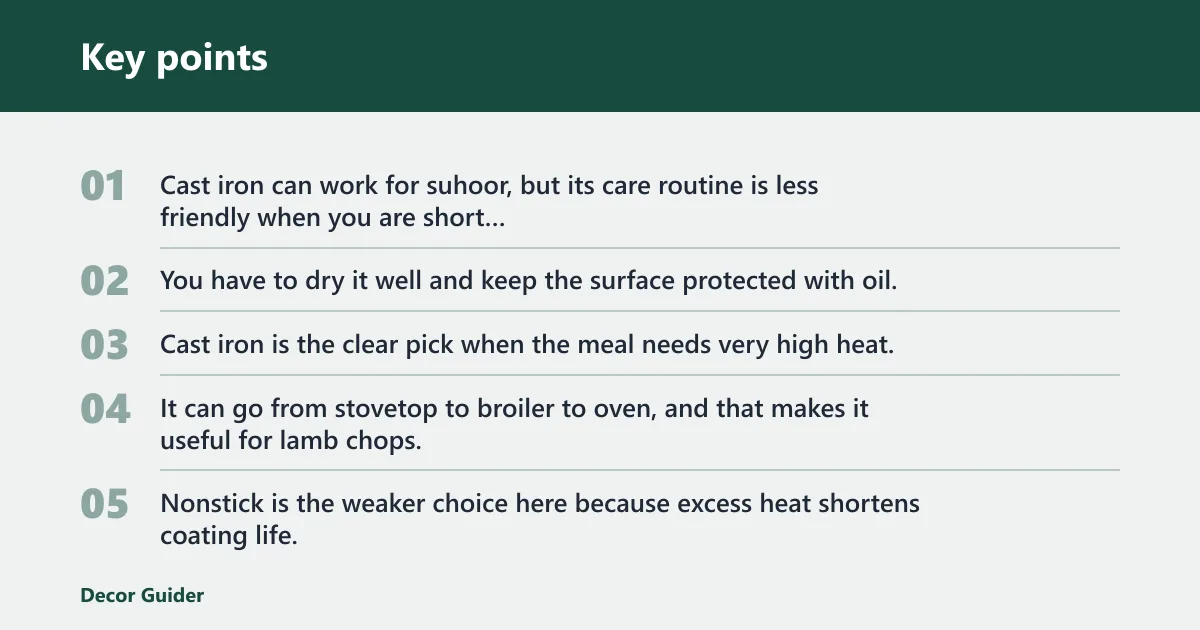
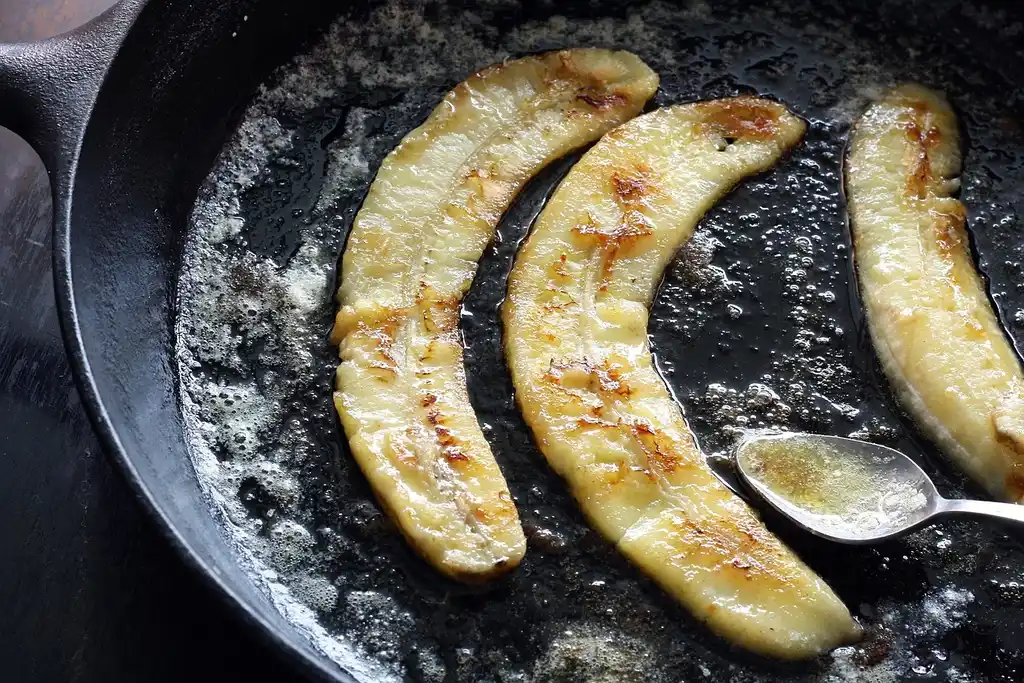
Cast iron can work for suhoor, but its care routine is less friendly when you are short on minutes. You have to dry it well and keep the surface protected with oil, which is more work than most early-morning meals require.
High heat, searing, and broilers
Cast iron is the clear pick when the meal needs very high heat. It can go from stovetop to broiler to oven, and that makes it useful for lamb chops, roasted vegetables, and dishes that start hot and finish in the oven.
Nonstick is the weaker choice here because excess heat shortens coating life. Wirecutter recommends avoiding nonstick pans heated above 450 °F, so it is the wrong tool for empty preheating, aggressive searing, or broiler use.
Lifespan and ownership cost
Nonstick has the shorter ownership horizon. Epicurious says a nonstick pan’s lifespan can be only a couple of years, which matters during Ramadan if you cook several times a day and depend on the surface to stay slick.
Cast iron has the better long-term value if you are willing to maintain it. A seasoned skillet can stay in service for years, and often for decades, because the cooking surface can be rebuilt with oil and heat rather than replaced.
Delicate foods and low-fat cooking
Nonstick is usually better for eggs, pancakes, fish, and omelets because the food releases with less sticking risk. That makes it useful for suhoor recipes that need a fast flip and a gentle surface.
Cast iron can handle these foods, but only if the seasoning is strong and the pan is properly preheated. Even then, it is less forgiving than a good nonstick pan when the goal is a delicate, low-stress release.
Nonstick pan vs cast iron pan: the Ramadan trade-off
The choice changes with the clock. For suhoor, the better pan is usually nonstick because you want quick cooking and fast cleanup; for iftar, cast iron earns its place when the menu gets hotter, heavier, and more oven-based.
Nonstick cookware often uses PTFE, sometimes called Teflon, or a ceramic coating. Modern PTFE nonstick is generally used at normal cooking temperatures, while PFOA is a historical manufacturing chemical that was phased out of cookware production.
Cast iron uses a seasoned surface made from polymerized oil. Popular Science notes that seasoning matters, and it recommends heating cast iron in a 450°F oven for seasoning; it also says a strong layer usually takes three or four rounds.
Pan decision table
| Dish type | Best pan | Why it wins | Caution notes |
|---|---|---|---|
| Eggs and omelets | Nonstick Pan | Clean release and minimal cleanup suit early suhoor cooking. | Keep heat low to medium; do not overheat an empty pan. |
| Pancakes and flatbreads | Nonstick Pan | The surface helps with easy flipping and even browning for quick breakfasts. | Use only the heat level your model allows. |
| Fried pastries and sambousek-style fillings | Cast Iron Pan for Ramadan Cooking | Better for steady heat and larger batches when the filling needs browning. | Watch the seasoning if the filling is wet or acidic. |
| Tomato-based sauces | Nonstick Pan | Tomato sauce is safer in nonstick than in cast iron, which can lose seasoning with acid. | Use a spoon or spatula that will not scratch the coating. |
| Reheated leftovers | Cast Iron Pan for Ramadan Cooking | Heat retention helps warm rice, bread, and cooked meats without quick temperature drop. | Use moderate heat so leftovers do not dry out. |
| Induction stoves | Cast Iron Pan for Ramadan Cooking | It is inherently induction-ready and works on every induction burner. | Some nonstick pans are induction-ready, but not all are; Good Housekeeping says the T-fal Signature set is not induction-ready. |
| Guest-heavy cooking days | Cast Iron Pan for Ramadan Cooking | It holds heat well for back-to-back cooking and oven finishing. | Weight and cleanup take more effort when you are cooking several dishes at once. |
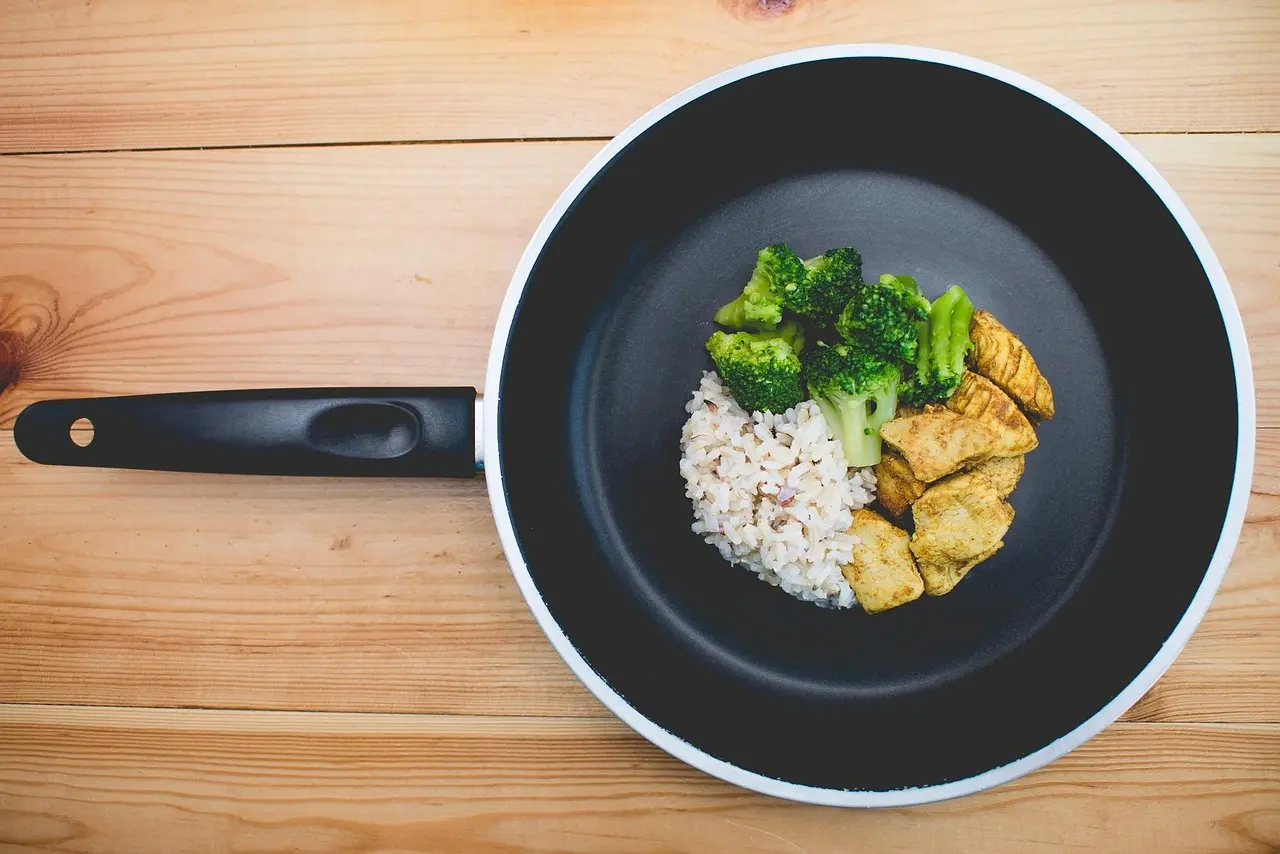
Suppose you are cooking a quick suhoor of two eggs and a small stack of pancakes on a 10-inch skillet. Nonstick makes that meal easier because the food releases cleanly and the pan can be washed quickly before dawn. The same setup in cast iron would work, but it would ask for more time and care afterward.
Picture a guest-heavy iftar where you need to sear chicken, finish vegetables in the oven, and keep reheated sides warm. Cast iron fits that sequence better because it tolerates high heat, moves into the oven, and holds temperature when the pan is packed with food.
Which pan is better for eggs, pancakes, and other suhoor foods?
Nonstick is usually better for eggs, pancakes, and other suhoor foods because it releases delicate food with less sticking and cleans up quickly after a short meal window. Cast iron can do the job, but it is less forgiving and takes more care at the end of a rushed morning.
Why nonstick usually wins for delicate foods
PTFE nonstick, the type Wirecutter says its picks use, is designed for low-friction cooking at normal temperatures. That makes it a strong fit for omelets, fried eggs, crepes, and fish fillets that can break apart if the surface grabs them.
Ceramic nonstick is often marketed as PFAS-free, which may matter to some buyers. It can also be rated for higher oven temperatures in some models, but it is typically less durable than traditional nonstick.
When cast iron still makes sense
Cast iron still makes sense if you want to cook a larger suhoor spread and keep food warm while you plate. It also helps if your breakfast includes browned onions, sautéed potatoes, or a bread side that benefits from more heat retention.
Even then, the cook has to respect the seasoning. A well-seasoned skillet behaves better than a bare or weakly maintained one, but it still is not as easy as nonstick for fragile eggs.
Cleanup after early-morning cooking
For suhoor, cleanup is part of the decision. Nonstick usually needs only a soft sponge and mild washing, while cast iron should not be soaked or left wet, which makes it less attractive when time is short.
Which pan is better for searing, roasting, and oven cooking?
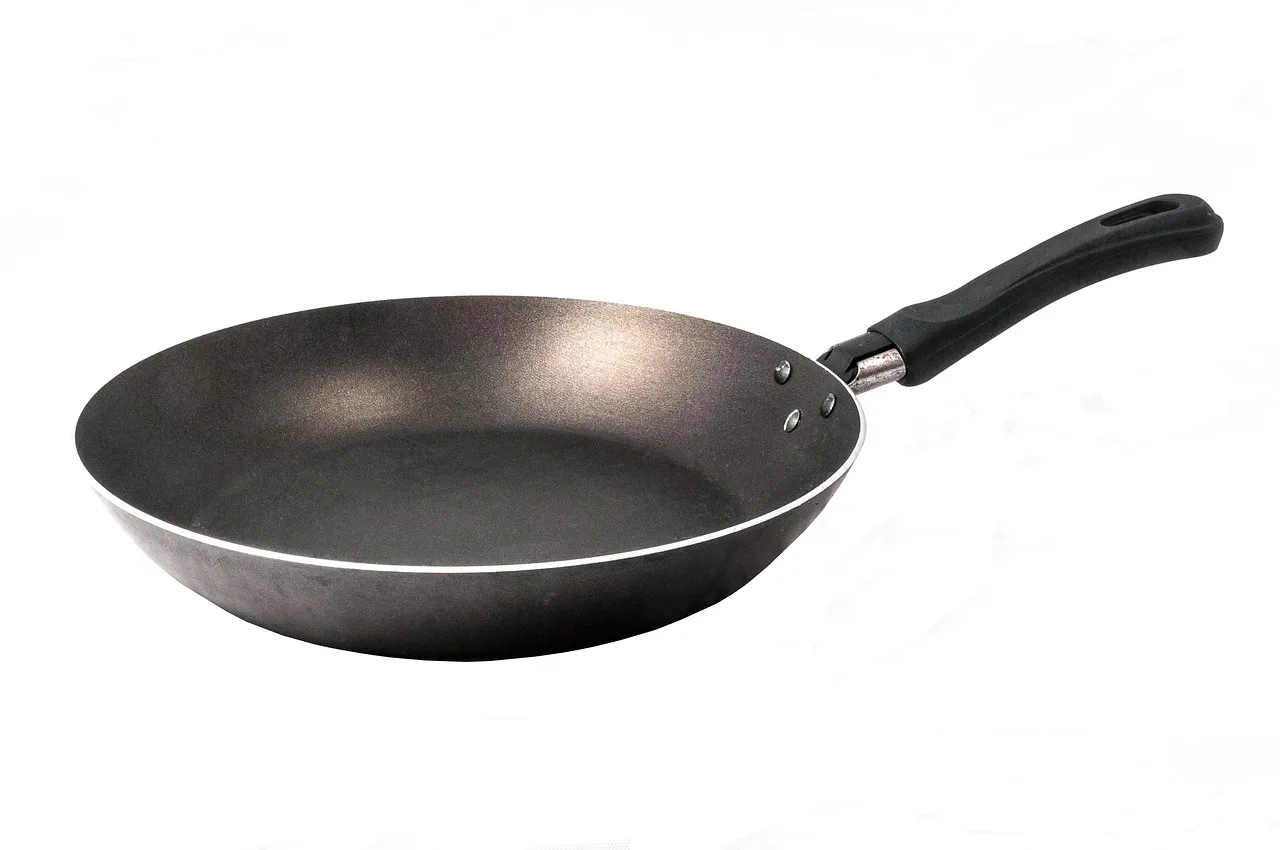
Cast iron is the better pan for searing, roasting, and most oven cooking because it handles very high heat and keeps performing when the recipe moves from stovetop to oven. Nonstick can cover some baked dishes, but only within the oven-safe rating for that specific model.
Cast iron heat tolerance
Cast iron can take intense heat and broilers without the same coating concerns that limit nonstick. That is useful for Ramadan dinners that start with a hard sear and finish with a roast or bake-and-serve finish.
The same source notes that cast iron should be coated with hardened oil called seasoning, which is what gives the pan its protective surface. That surface is durable, but only if you keep it dry and maintained.
Oven-safe ratings and traybakes
Oven-safe ratings are model-specific, and that matters. Many nonstick pans are rated for oven use in a broad range, often around 350°F to 600°F depending on the model.
That range matters for traybakes, bake-and-serve meals, and dishes that sit in the oven while the rest of iftar comes together. If your pan’s limit is lower than the recipe calls for, cast iron is the simpler choice.
When nonstick is the wrong tool
Nonstick is the wrong tool for empty preheating on high heat, hard searing, and broiler-heavy recipes. The coating can break down faster when overheated, and a rushed cook is more likely to damage the pan than to save time with it.
A common first-timer mistake is treating nonstick like cast iron for a hot sear. That can shorten the coating’s life quickly, especially during busy Ramadan cooking where pans may sit on the burner longer than planned.
Heat, safety, and coating limits
Modern nonstick is generally considered safe at normal cooking temperatures, but it should not be pushed into overheating. PTFE can degrade under excessive heat, so a pan that is accidentally left empty on a high burner is at risk.
PTFE and normal cooking temperatures
The same source says its nonstick picks are traditional nonstick pans coated in PTFE. That material is widely used because it gives excellent food release at everyday stovetop temperatures, which is exactly what suhoor cooking usually asks for.
PFOA is often mentioned in cookware safety discussions, but it is a historical manufacturing chemical rather than a current cookware ingredient. The point for buyers is simpler: the modern question is heat control, not the old processing chemical.
Why high heat shortens nonstick life
High heat shortens nonstick life because the coating wears faster when it is pushed beyond its intended range. Wirecutter’s advice to avoid heating nonstick above 450 °F is a practical guardrail, not an invitation to push close to that edge every day.
That warning matters in Ramadan, where timing pressures can tempt cooks to turn the burner up too far. Fast cooking is fine; overheating the pan is not.
Ceramic nonstick and PFAS-free claims
Ceramic nonstick is often marketed as PFAS-free, which appeals to readers who want a different coating story than traditional PTFE. The trade-off is durability, because ceramic coatings usually wear faster than traditional nonstick.
So the decision is not “ceramic equals better.” It is “ceramic may suit a buyer who wants PFAS-free marketing and higher oven heat, but it usually asks for more replacement risk over time.”
Durability and care during Ramadan
Nonstick and cast iron both have a place in the kitchen, but they age differently. Nonstick is convenient now and finite later; cast iron is more work now and longer-lasting later.
How long nonstick usually lasts
The same source says nonstick pans can last only a couple of years, which is why heavy Ramadan use can expose the coating’s limits quickly. If you cook several meals a day and use the pan for eggs, pancakes, and light sautés, the wear shows up faster.
That does not make nonstick a bad choice. It simply means the buyer should expect a shorter service life than with cast iron.
Why cast iron can last for years
Cast iron can last for years because the surface is maintained, not replaced. The same source notes that a strong seasoning layer usually takes three or four rounds, and once that surface is built, it can stand up to regular Ramadan cooking.
The downside is maintenance. You need to dry it thoroughly, avoid soaking it, and keep the surface lightly oiled so rust does not set in.
Drying, seasoning, and storage
After washing cast iron, dry it right away. Then apply a thin film of oil if the pan needs it and store it in a dry place; leaving moisture on the surface is the fastest way to create rust.
For nonstick, the care routine is simpler. Use gentle cleaning tools, avoid metal scraping unless the maker allows it, and keep the pan away from prolonged high heat that can stress the coating.
Choose Nonstick Pan if… / Choose Cast Iron Pan for Ramadan Cooking if…
Choose Nonstick Pan if your Ramadan menu leans toward suhoor eggs, pancakes, omelets, and quick fish fillets; you want the fastest cleanup; your cooking stays at low to medium heat; and you prefer a lighter pan with less maintenance.
Choose Cast Iron Pan for Ramadan Cooking if your iftar plan includes searing, roasting, broiler use, or oven-finishing; you cook for guests and need strong heat retention; you use an induction stove; and you are willing to dry, season, and store the pan carefully.


Frequently asked questions
Is a nonstick pan or cast iron better for Ramadan cooking?
For Ramadan, the better pan depends on the meal timing. Nonstick is usually better for suhoor because it saves time on eggs, pancakes, and cleanup. Cast iron is better for iftar when you need high heat, oven use, and the ability to handle bigger, hotter dishes.
How long does nonstick last compared with cast iron?
Nonstick usually has the shorter lifespan. The same source says it can last only a couple of years, while cast iron can last for years or decades if you dry it properly and keep the seasoning in good shape. That difference matters if you cook heavily all month.
Can I use nonstick on high heat for Ramadan recipes?
It is better not to. The same source recommends avoiding nonstick pans heated above 450 °F, and empty high-heat cooking can damage the coating. If your recipe needs a hard sear, broiler heat, or a hot oven finish, cast iron is the safer choice.
What foods should never go in cast iron during Ramadan cooking?
Very acidic foods are the main concern. Popular Science warns not to simmer tomato sauce in cast iron because acid can damage seasoning and create off flavors. For long tomato-based braises or sauces, use nonstick or another nonreactive pan instead.
Do I need both a nonstick pan and a cast iron pan?
Many Ramadan kitchens benefit from both. Nonstick handles fast suhoor meals and delicate foods, while cast iron covers high-heat iftar dishes, oven meals, and larger batches. If you cook both small breakfasts and heavier dinners, the two pans complement each other well.
How do I care for cast iron and nonstick during a busy month?
For cast iron, wash, dry, and oil the pan so rust does not form, and re-season when the surface starts to look dry or dull. For nonstick, avoid overheating, use gentle utensils, and clean it soon after cooking so the coating stays in good condition through the month.
Products related to this article
Sponsored / affiliate links. As an Amazon Associate I earn from qualifying purchases. I may earn additional commission from eligible campaigns.