Best Large Pots for Ramadan Cooking (2025): research shows
For family Ramadan cooking, a 10–12 quart Dutch oven can work well for soups, curries, and stews, while a 14–16 quart stockpot can suit biryani, pasta, and larger batches of soup. Pick too small a pot, and you split batches, overfill, or end up with unevenly cooked rice and meat. This guide matches pot size to the Ramadan dishes families actually cook, with buying advice by batch size, material, and stove type.
Quick comparison
| Product | Badge | Best for | Price | ||
|---|---|---|---|---|---|
 |
All-Clad D3® Stainless Steel 8 Qt Stockpot with Lid, MadeAll-Clad | Upgrade pick | 8-quart tri-ply stainless steel stockpot | $299.95
Price as of 9 Oct 2026
|
View |
 |
Instant Pot Duo 6 Qt 7-in-1 Electric Pressure Cooker,Instant Pot | Budget pick | 7-in-1 electric pressure cooker, 6-quart | $92.20
Price as of 9 Oct 2026
|
View |
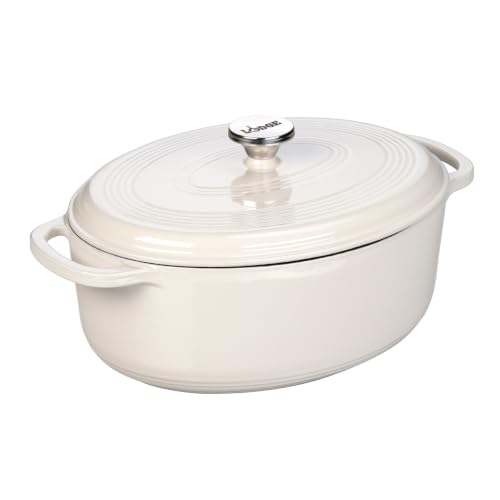 |
Lodge Enameled Cast Iron Oval Dutch Oven with Lid, 7 Quart,Lodge | Also great | 7-quart enameled cast iron Dutch oven | $99.90
Price as of 9 Oct 2026
|
View |
 |
Cooks Standard 12 Quart Large Stainless Steel Stock PotCooks Standard | Our pick | 12-quart stainless steel stockpot for large batches | $77.39
Price as of 9 Oct 2026
|
View |
Start with the cooking job, then match the pot shape to it. A tall stockpot handles volume and splatter better, while a heavy Dutch oven suits dishes that need steady heat and a tighter lid seal.
How we chose
The picks below are ranked by Ramadan use, not generic cookware marketing. The main filters were batch size, heat behavior, cooktop compatibility, lid fit, and how manageable the pot is when full.
Pot shape matters as much as capacity. A wide soup pot spreads heat differently from a tall stockpot, and a Dutch oven keeps thicker dishes calmer because its mass evens out temperature swings.
We also weighed practical failure points: boil-overs, scorching in thick curries, lids that leak too much steam, and handles that become awkward once the pot is full of rice, broth, or meat.
Finally, storage and lift comfort matter in small kitchens. A 14-quart pot that fits the recipe but not the cabinet is still a bad buy.
Stainless steel stockpot: best for soups and broths
- Professional-grade heat distribution for even cooking
- Durable, heirloom-quality construction with riveted handles
- Made in the USA with precision engineering
The All-Clad D3 Stainless Steel 8 Qt Stockpot is the top practical pick if you want one pot for the widest mix of family Ramadan cooking. Its tri-ply stainless build, riveted handles, and even heating profile make it a strong choice for soups, broths, and smaller curry batches.
This type of pot suits tall, liquid-heavy dishes because the sides help control splatter and reduce evaporation. A stockpot is also easier to stir than a deep Dutch oven when you are moving between soup, pasta, lentils, and broth-based iftar prep.
The drawback is capacity. At 8 quarts, it is not the best choice for very large biryani or a full guest-heavy rice service, and it gives less headroom than a 12- to 16-quart pot for big Ramadan gatherings.
For a stockpot, check two things: the lid should sit flat without wobble, and the base should be compatible with your cooktop. On induction, the base needs a magnetic layer and enough contact area to heat efficiently.
Dutch oven: best for curries and braises
- Versatile for braising, roasting, and slow cooking
- Oven-safe up to 500°F for baking and roasting
- Durable, non-toxic enamel finish for easy maintenance
The Lodge Enameled Cast Iron Oval Dutch Oven is the better pick when your Ramadan menu leans toward thick curries, braises, and long-simmered meat dishes. Heavy construction helps even out heat, and the oven-safe design matters when you move from stovetop searing to finishing in the oven.
This is the safer choice for dishes that scorch easily at the bottom. Thick curry, stew, and biryani base layers benefit from the heat retention and steadier response of enamel-coated cast iron, especially when you want a more controlled simmer.
The tradeoff is weight. A cast-iron Dutch oven is harder to lift when full, and the enamel finish still needs careful handling because chips can happen if it is banged against the sink, stovetop, or another pot.
Its oval shape can help with larger meat cuts, but it is not always as efficient as a round stockpot for broad-volume soup. For family cooking, that shape is best when the recipe needs depth, contact heat, and lid retention more than sheer liquid capacity.
Which large pot works best for biryani, rice, and stew?
For biryani and layered rice dishes, choose a wide pot with enough surface area for even layering and gentle steam control. For stew, choose a pot with more depth and a heavier base so meat and vegetables simmer without sticking or collapsing into a boil.
Biryani usually behaves better in a soup pot or a stockpot with a broad base than in a narrow vessel. Rice needs room to expand, and a cramped pot traps moisture in a way that can turn the bottom layer gummy while the top stays underdone.
For stew, a Dutch oven is often the safer choice because the thicker walls buffer heat. That matters when a pot sits over a burner for an hour or more and the sauce thickens enough to catch on the bottom.
A common first-timer mistake is using one pot for every dish because the lid fits. A 10-quart Dutch oven may be excellent for curry but too heavy and too compact for a festive biryani batch with layered rice, meat, and garnish.
Best shape for layered rice dishes
A soup pot or stockpot with a broader base is usually better for biryani than a very tall, narrow pot. You want more surface area for layering, even steam circulation, and easier spoon access when you fluff without crushing the grains.
Best material for long simmering
For long simmering, enamel-coated cast iron and heavy stainless steel are the most useful options. Cast iron holds heat very steadily, while stainless steel is lighter, more forgiving to clean, and better if you move the pot between stove types often.
When to choose a soup pot instead
Choose a soup pot when your Ramadan menu is broth-heavy and your pot needs a wide cooking surface for easy stirring. It is a smart middle ground for lentil soup, chicken soup, and curry that needs more room than a Dutch oven but less mass than cast iron.
Ramadan batch-size guide
Use dish type first, then set the pot size. A practical fill buffer is to keep the pot around two-thirds full for soups and broths, and closer to half full for rice, curry, and stew so you leave room for bubbling, stirring, and steam expansion.
| Dish | Recommended capacity | Best shape | Best material | Fill-level safety margin | Stovetop | Induction | Oven |
|---|---|---|---|---|---|---|---|
| Soup | 8–12 qt / 7.6–11.4 L | Stockpot or soup pot | Stainless steel | Leave at least one-third empty | Yes | Yes, if magnetic base | Sometimes, if lid and handles are oven-safe |
| Biryani | 10–16 qt / 9.5–15.1 L | Wide stockpot or soup pot | Stainless steel or enameled cast iron | Stay near half full for layering | Yes | Yes, if base is induction-ready | Yes, if the vessel is rated for oven use |
| Curry | 8–12 qt / 7.6–11.4 L | Dutch oven | Enamel-coated cast iron or stainless steel | Leave one-third to one-half empty | Yes | Yes, with flat magnetic base | Yes, for oven-safe models |
| Rice | 10–14 qt / 9.5–13.2 L | Wide pot with lid seal | Stainless steel | Keep below half full for expansion | Yes | Yes, if the base makes solid contact | Sometimes |
| Stew | 8–12 qt / 7.6–11.4 L | Dutch oven or deep soup pot | Heavy stainless steel or enameled cast iron | Leave one-third empty | Yes | Yes, if warping resistance is good | Yes, if oven-safe |
For stovetop safety, never fill a large pot to the rim. Boil-overs are more likely with starchy rice, lentil soup, and curry with tomato or dairy, and the mess gets worse when the lid traps foam against the edge.
Compatibility check: if you cook on induction, look for a magnetic base, a flat bottom, and a base diameter large enough to make stable contact with the ring. If you cook on gas or electric, warping resistance still matters because a thin base can wobble after repeated high heat.
Compatibility check: if you want oven use, confirm that both the lid and the handles are rated for oven temperatures. Glass lids often limit oven use more than metal lids, and side handles should leave enough oven mitt clearance for a secure lift.
How do you choose the right size and features?
For most family Ramadan cooking, 10–12 quarts is the most flexible range, while 14–16 quarts is better for larger guest lists and rice-heavy menus. The right choice depends on whether you cook soup and stew often or whether biryani and bulk rice are the main event.
Capacity in quarts and liters for family-size cooking
Use 8 quarts for smaller families and side dishes, 10–12 quarts for most family iftar cooking, and 14 quarts or more for large rice batches, soup service, or mixed guest meals. The useful size is always smaller than the maximum fill line, so leave room for stirring and steam.
Lid type and steam control
A tight-fitting lid matters because it holds aroma in and cuts evaporation during long simmering. Glass lids let you check progress more easily, but metal lids usually handle high heat and oven use better. A lid that vents too freely can dry out rice and thicken curry too fast.
Handle design and lifting comfort
Side handles should be large enough to grip with oven mitts and strong enough to support a full pot of broth or rice. When a pot is loaded, the handle shape matters as much as the pot itself, because awkward handles turn draining, moving, and serving into a strain.
Material choice for budget, heat, and cleanup
Stainless steel is nonreactive, durable, and easy to clean, especially when it has a multi-layer base. Aluminum is lighter and heats fast, which helps on a budget, but it can be reactive unless it is lined or hard-anodized. Enamel-coated cast iron holds heat very well, but it is heavy and can chip if handled roughly.
Suppose you are making lentil soup on a weeknight and biryani for a guest meal the next day. A stainless steel stockpot is easier to lift and wash, while a Dutch oven is better if the same menu includes a thick curry that needs slow heat and a lid seal.
Which one should you buy
Choose the All-Clad stockpot if you want a premium stainless option for soups, broths, and everyday Ramadan prep, and you are comfortable paying more for construction quality. Choose the Cooks Standard 12-quart stockpot if you need a larger, more budget-friendly batch pot with induction compatibility.
Choose the Lodge Dutch oven if your cooking leans toward curries, braises, and oven finishes, and you can handle the extra weight. If you need one pot for everything, a stainless stockpot is usually the safer first buy because it is lighter, easier to store, and less fussy for liquid-heavy dishes.
Skip a 7-quart pot if you regularly cook for guests. It can work for a smaller household, but it leaves little room for proper batch sizing once you add rice expansion, simmering foam, or meat and vegetables.
For small kitchens, a 12-quart stockpot often gives the best balance of capacity and storage. A 16-quart pot makes sense only if you have cabinet space and a real need for large rice or soup batches.
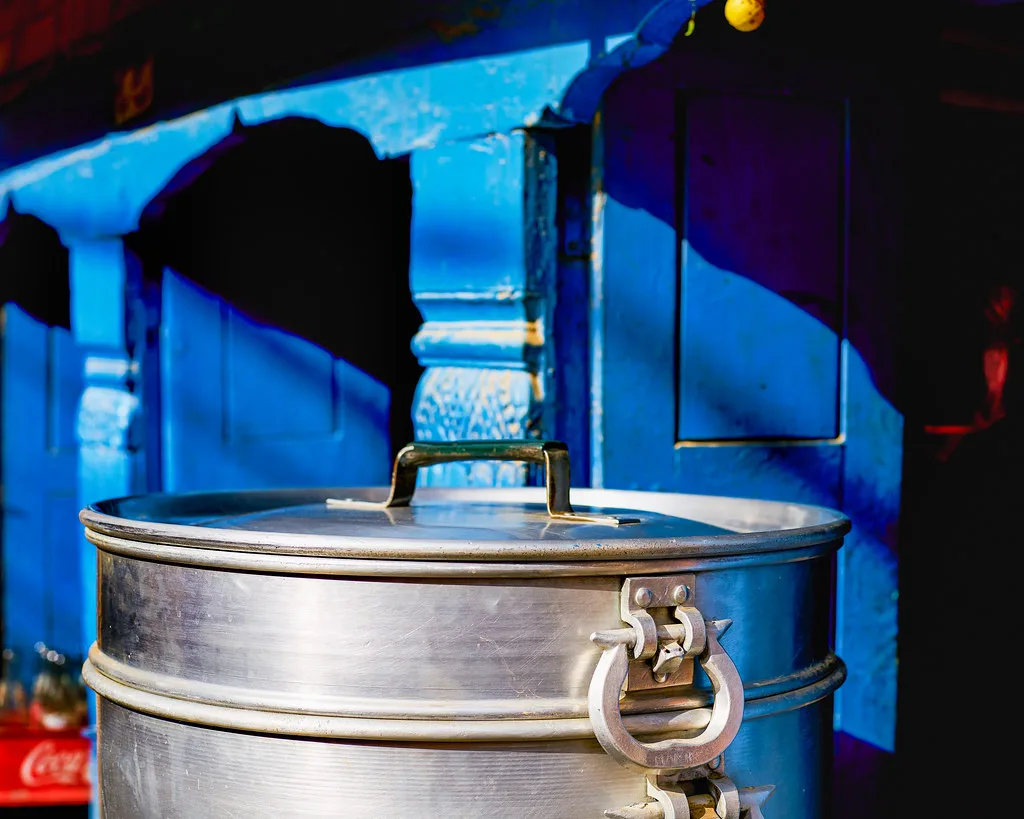
Stainless steel stockpot: best for soups and broths
- Large capacity for whole chickens or gallons of liquid
- Tri-ply clad bottom for even heat distribution
- Induction-compatible with sturdy riveted handles
The Cooks Standard 12 Quart Large Stainless Steel Stock Pot is a strong family Ramadan option if you need more capacity than an 8-quart model without moving into oversized territory. Its tri-ply clad bottom and induction-compatible base fit the cooking style of soups, broths, and large one-pot meals.
This pot is the practical middle path for households that cook for guests but still need something manageable on the stove. The riveted handles and stainless finish make it a sensible everyday choice, and the 12-quart size gives better headroom for boiling and simmering than smaller stockpots.
The drawback is that it is still a stockpot, not a thick-walled braising vessel. That means it is less forgiving than a Dutch oven when a curry base is very dense or when the heat sits too high for too long.
Use it when you want volume, easier lifting than cast iron, and induction-ready performance without jumping to a very expensive premium pot.
How do I clean and store a very large cooking pot?
Clean a large pot soon after cooking so starch, dairy, and spice residue do not set on the surface. For stainless steel, soak first, then use a non-abrasive cleaner. For enamel-coated cast iron, avoid metal tools and sudden temperature changes that can stress the finish.
Dry the pot completely before storing it, especially around the base, rim, and lid edge. In small kitchens, stacking lids separately, using a cabinet shelf near the stove, or hanging the pot by its handle can save space and make heavy cookware easier to reach.
Store oversized cookware where you can lift it without twisting. A full-size stockpot or Dutch oven is awkward in a high cabinet, and a cramped shelf increases the risk of dropping it while you are also carrying ingredients for iftar.
Frequently asked questions
What size pot is best for family Ramadan cooking?
For most families, 10–12 quarts is the most useful range because it handles soup, curry, and medium rice batches without forcing you to split the recipe. If you often host guests or make large biryani trays, move up to 14–16 quarts. Smaller than 8 quarts is usually tight for Ramadan meal prep.
Which large pot is best for biryani, soups, and curries?
Use a stockpot for biryani and soup, especially when you need more room for layering and liquid. Use a Dutch oven for curries, braises, and thick stews where steady heat matters more than raw capacity. If you want one flexible option, a stainless steel stockpot is the broadest all-around pick.
Is a stockpot or Dutch oven better for Ramadan cooking?
A stockpot is better for volume, lighter handling, and broth-based dishes. A Dutch oven is better for thick curries, braises, and long simmering because it holds heat more evenly. If your menu changes often, start with a stockpot. If your recipes are sauce-heavy, the Dutch oven is safer.
What pot material heats most evenly for big family meals?
Heavy enameled cast iron and multi-layer stainless steel are the most even-heating choices for large family meals. Cast iron is stronger on heat retention, while stainless steel is lighter and easier to clean. Aluminum heats fast, but it is best when lined or anodized so it stays stable and less reactive.
How do I choose a large pot for stovetop and oven use?
Look for an oven-safe body, lid, and handles if you plan to finish dishes in the oven. A Dutch oven usually fits this need best. For stovetop use on induction, check for a magnetic base and a flat bottom with enough diameter to contact the cooktop properly.
What features matter most in a large Ramadan cooking pot?
The most useful features are a lid that fits well, side handles that stay manageable with mitts, and a shape that suits the dish. After that, check heat behavior, weight, and cooktop compatibility. A pot that is too heavy or too narrow can make nightly cooking harder than it should be.
How do I clean and store a very large cooking pot?
Wash it as soon as possible, dry it fully, and store it where you can lift it without reaching overhead. Stainless steel is the easiest to maintain. Enamel-coated cast iron needs gentler handling, while aluminum should be checked for lining or coating before you use harsh scrubbers or strong cleaners.
What pot capacity do I need for iftar meal prep?
For iftar meal prep, 8–12 quarts covers most soups, curries, and modest rice batches. If you regularly cook for a larger table, 14 quarts or more gives better room for steaming and stirring. Keep in mind that rice and foam-heavy dishes need more safety space than a simple broth.
Products related to this article
Sponsored / affiliate links. As an Amazon Associate I earn from qualifying purchases. I may earn additional commission from eligible campaigns.