Ramadan Meal Prep Problems and Easy Fixes
Fix Ramadan meal prep problems by planning three anchor items per day: one make-ahead protein, one starch, and one fast-finish side. Without that structure, Suhoor gets rushed, Iftar gets late, and food safety slips when cooked dishes sit too long or storage is disorganized. This guide covers common prep failures, the best fixes by meal type and storage method, and time-saving plans for 30-minute, 60-minute, and weekend prep windows.
What you’ll need
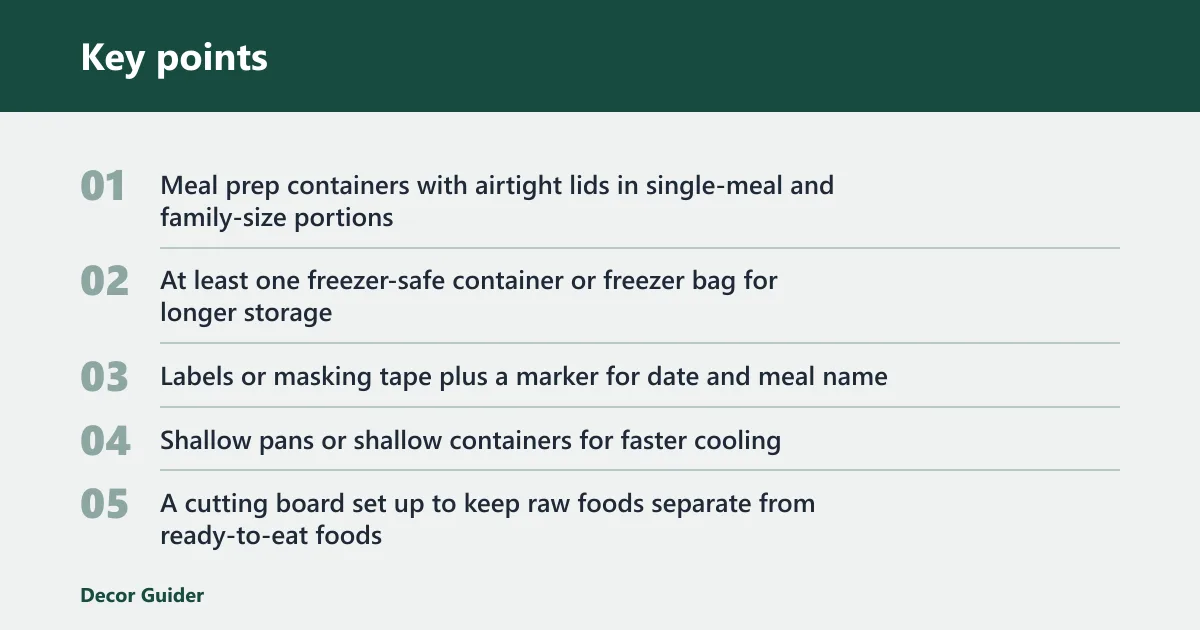

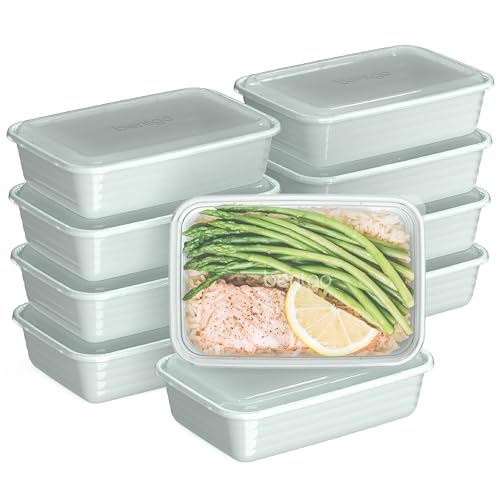

- Meal prep containers with airtight lids in single-meal and family-size portions
- At least one freezer-safe container or freezer bag for longer storage
- Labels or masking tape plus a marker for date and meal name
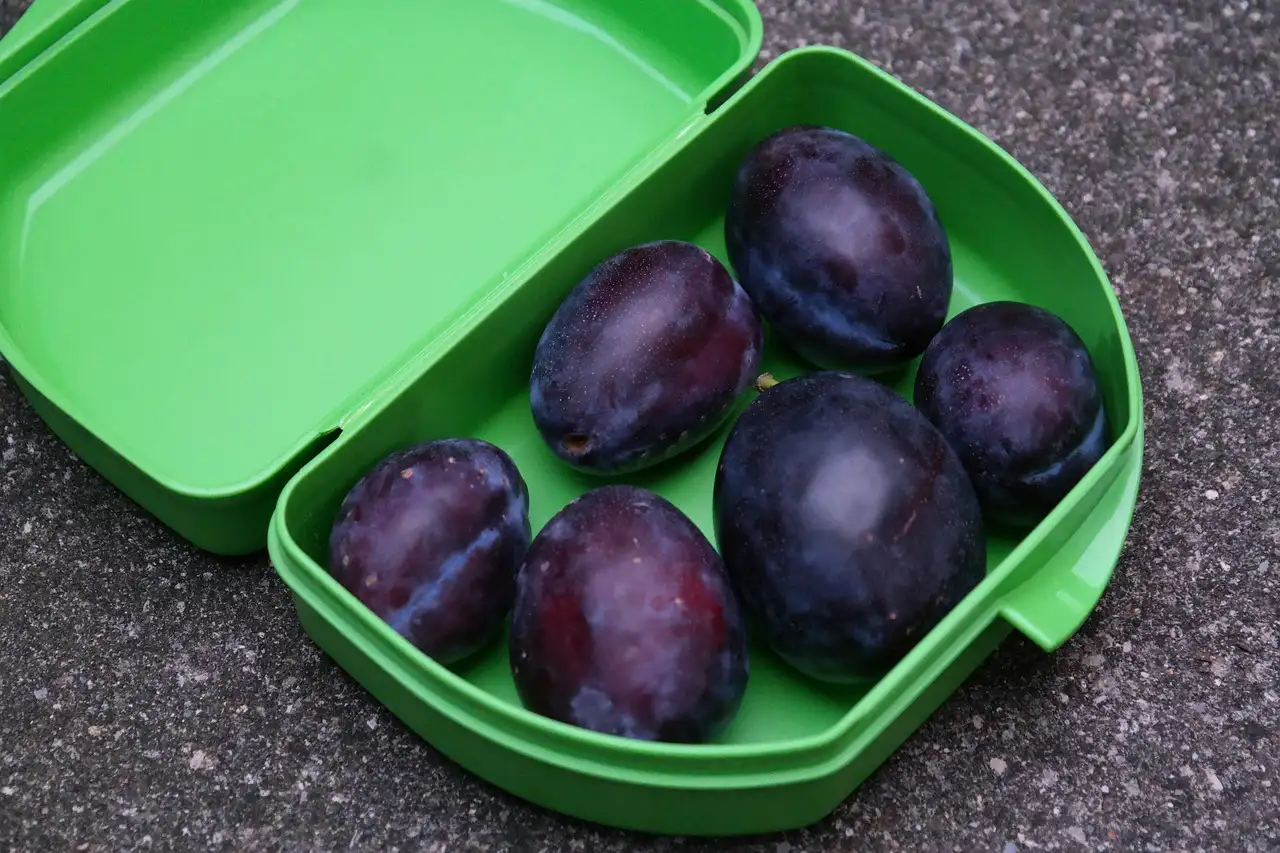
- Shallow pans or shallow containers for faster cooling
- A cutting board set up to keep raw foods separate from ready-to-eat foods
- Rice cooker, pot, sheet pan, skillet, and baking dish for batch cooking
- Microwave-safe containers for quick reheating
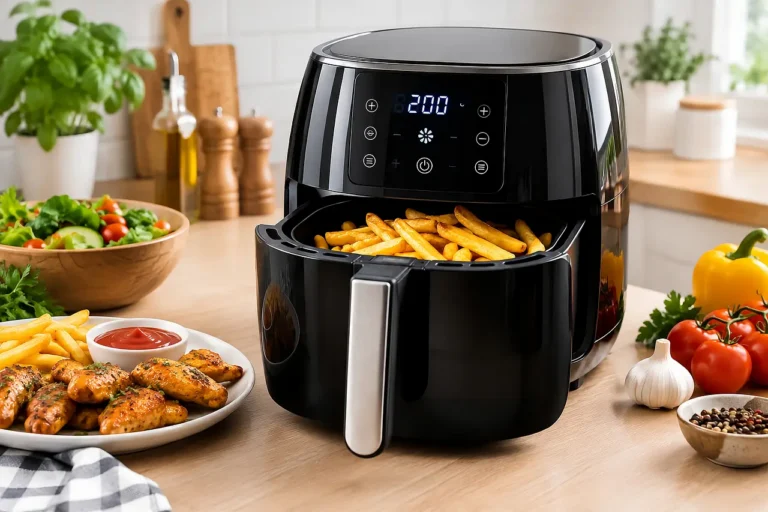
- Stovetop pot, oven, or air fryer for foods that need better texture than a microwave can give
- Shopping list for staples, produce, protein, snacks, and beverages
Basic prep tools for batch cooking
Batch cooking works best when you can cook, cool, portion, and label without stopping to hunt for supplies. Stack containers by size, and keep labels with the storage bins so food does not linger on the counter while you search for a marker.
Shopping list essentials for Suhoor and Iftar
Build the list around slow-digesting Suhoor foods and a faster Iftar flow. Put oats, eggs, yogurt, lentils, rice, whole grains, chicken, beans, soup vegetables, dates, fruit, and simple drinks first. Add snacks and beverages after the main meals are set.
How do you prepare for Ramadan without getting overwhelmed?
Start with a short prep window, then assign each dish to Suhoor, Iftar, or both. A 3-day plan suits a busy week; a 7-day plan works better for one weekend batch session. Set one cooking block and one packing block so prep stays contained.
Use a 3-day or 7-day prep window
- List the days you need covered.
- Pick one protein, one starch, and one side for each day.
- Cook the foods that hold texture best first: grains, soups, stews, and roasted proteins.
- Leave fast-finish items, like salad, fruit, and yogurt, for the day before serving.
Assign foods to Suhoor, Iftar, or both
Suhoor works best with foods that release energy slowly and are easy to grab before dawn. Iftar needs a faster serving flow, often starting with dates and water, then a light starter or soup before the main plate. Shared prep items are usually grains, cooked proteins, and chopped vegetables.
Say your work shift ends late and you have 30 minutes before sunset. Roast chicken thighs, cook rice, and portion cucumber-tomato salad separately. That gives you a fast Iftar plate and a Suhoor base for the next morning without repeating the full meal.
Ramadan meal prep troubleshooting matrix
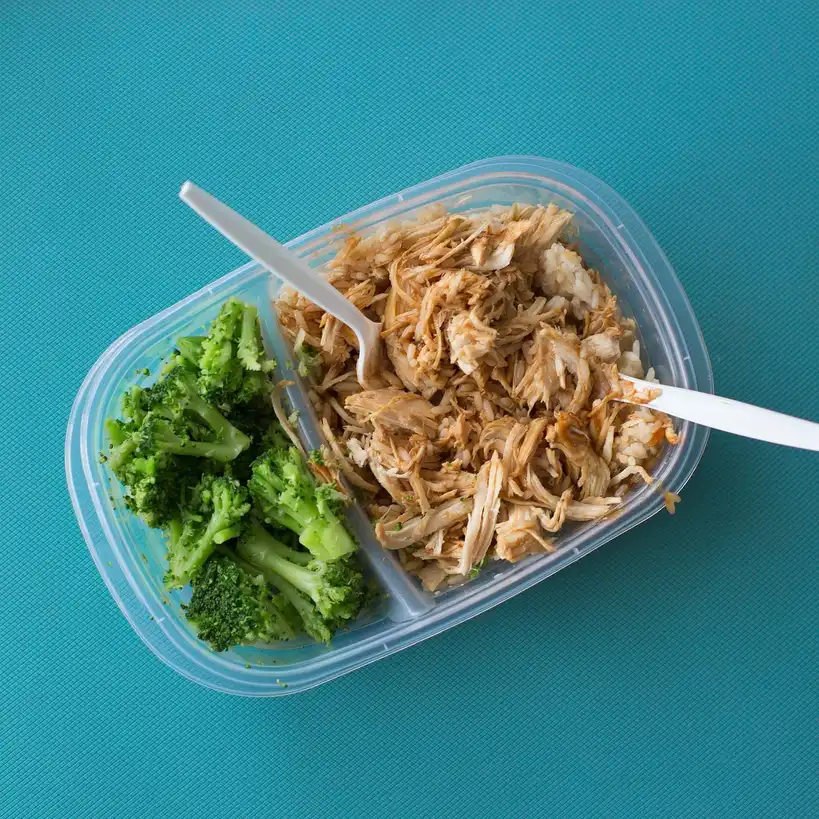
Use this matrix when a meal fails after cooking, chilling, freezing, or reheating. Match the problem to the likely cause, then take the fastest safe fix first. If the first fix does not solve it, move to the next storage or reheating method in the table.
| Problem | Likely cause | Fastest fix | What to prep instead | Storage window | Reheating method |
|---|---|---|---|---|---|
| Soggy rice, pasta, or roasted vegetables | Moisture trapped in the container or sauce added too early | Store sauce separately and reheat uncovered for the last minute | Grains, roasted proteins, and dry toppings packed apart | Fridge: 3 to 4 days | Microwave or oven; finish uncovered to dry the surface |
| Dry chicken, meat, or lentils | Overcooking or reheating without added moisture | Add about 1 to 2 tablespoons of broth, water, or sauce before reheating. | Stews, braises, saucy proteins, or curry-style fillings | Fridge: 3 to 4 days; freezer for longer holds | Stovetop or microwave with a lid partially covered |
| Freezer burn or bland freezer meals | Air in the package or weak seasoning after freezing | Press out air, freeze flat, and add fresh herbs or acid after reheating | Saucy soups, stews, chili, and marinated proteins | Freezer: best quality within 2 to 3 months | Thaw in the fridge, then reheat on the stovetop or microwave |
| Iftar runs late and everyone is eating at different times | Too many separate dishes and no serving order | Lead with dates, water, and soup, then serve the main dish | One-pan mains, pre-portioned soup, and ready fruit | Fridge: 3 to 4 days | Microwave for starter, stovetop or oven for the main dish |
| Suhoor feels heavy or salty | Too much fried food, cured meat, or salt-heavy sauce | Swap in yogurt, fruit, oats, eggs, or lentils and reduce salty add-ons | Oats, yogurt bowls, egg muffins, fruit, lentil soup | Fridge: 3 to 4 days | Microwave or eat cold if safe and appropriate |
How do you batch cook for Suhoor and Iftar safely?
Cook once, portion once, and cool quickly. Grains, proteins, soups, and stews hold up well because they reheat without falling apart as easily as fried foods or delicate salads. Keep the cooling step tight: get food into shallow containers and into the fridge within 2 hours.
Cook grains, proteins, soups, and stews in batches
- Cook one grain, one protein, and one vegetable or soup base together.
- Use sheet pans or wide pots so the food cooks evenly and cools faster afterward.
- Season lightly, then finish with fresh herbs, lemon, or yogurt after reheating if needed.
- Portion by meal before you store anything.
Cool food fast in shallow containers
Move cooked food into shallow containers right away so heat escapes faster. A common rule of thumb is to refrigerate within about 2 hours, and sooner if the room is hot. That helps protect food quality and safety at the same time.
Suppose a pot of lentil soup is divided into four shallow containers instead of left in one deep bowl. The soup cools faster, stacks better in the fridge, and is easier to reheat for Suhoor without overcooking the edges.
Portion before refrigerating or freezing
Pre-portion meals by the serving you actually eat. Single portions help solo fasters avoid waste, while family-size containers help with one-pan Iftar service. Use freezer-safe bags or containers for meals you will not finish within 3 to 4 days.
How do you store Ramadan prepped food?
Use the fridge for short-term meals and the freezer for anything beyond the next few days. Many cooked foods keep about 3 to 4 days in the refrigerator when stored cold and labeled. For longer holding, freeze meals in meal-size portions and set a thawing plan before you need them.
Refrigerator storage for the next 3 to 4 days
- Label each container with the meal name and date.
- Place ready-to-eat foods above raw foods.
- Keep sauces, herbs, and crispy toppings separate from wet foods.
- Use the oldest dated container first.
Freezer storage for longer holds
Freeze soups, stews, cooked grains, and marinated proteins in flat, labeled portions. Flat packs stack well and thaw faster. If texture matters, freeze the sauce with the food and reheat gently so the meal does not dry out.
Thawing and reheating rules that protect texture
Thaw in the refrigerator when possible, then reheat until the food is steaming hot. Use the microwave for speed, the stovetop for soups and stews, and the oven or air fryer when crispness matters. Add a spoonful of water or broth if the food looks dry before reheating.
Common mistakes
Soggy reheats, freezer burn, and bland leftovers are usually storage or timing problems, not recipe problems. The fix is to change where you store each component, how much moisture you add, and how much food you prep for the actual week.
Soggy reheats and dry leftovers
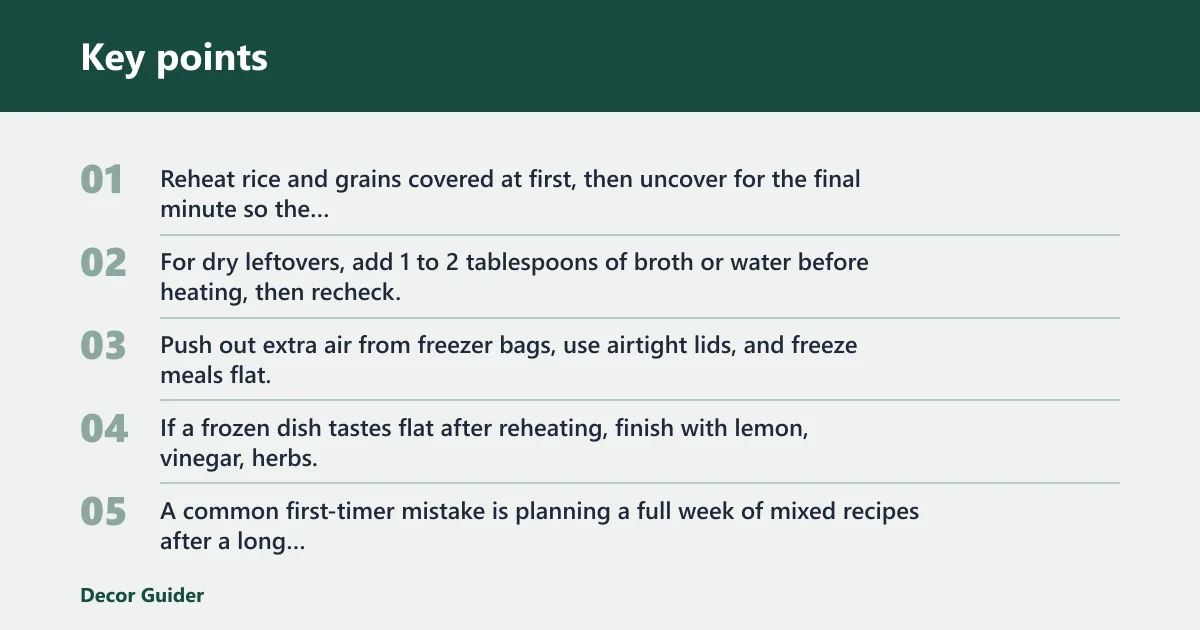
Keep sauces separate when possible. Reheat rice and grains covered at first, then uncover for the final minute so the surface does not stay wet. For dry leftovers, add 1 to 2 tablespoons of broth or water before heating, then recheck.
Freezer burn and bland freezer meals
Push out extra air from freezer bags, use airtight lids, and freeze meals flat. If a frozen dish tastes flat after reheating, finish with lemon, vinegar, herbs, or a fresh yogurt sauce rather than over-salting it before storage.
Too much prep for the time you actually have
A common first-timer mistake is planning a full week of mixed recipes after a long workday. If that happens, cut the plan to 3 days, cook one grain and one protein, and add fruit, yogurt, and salad to fill gaps. That is enough to keep Suhoor and Iftar moving.
How to avoid food waste during Ramadan
Plan around what you will actually eat in the first 3 to 4 days, then freeze the rest right away. Rotate produce from hardier items to more delicate ones, and build leftovers into the next meal instead of letting them sit behind newer containers.
Frequently asked questions
How do I prepare for Ramadan meal prep without getting overwhelmed?
Use a 3-day plan, not a full-month plan. Choose one protein, one starch, and one fast side for each day, then cook in one block and portion in another. That keeps shopping, cooking, and cleanup manageable when your schedule is tight.
What are the most common Ramadan meal prep problems?
The most common failures are soggy reheats, dry proteins, late Iftar service, and meals that feel too salty or too heavy for Suhoor. A labeled fridge, shallow containers, and separate sauces solve most of them before they start.
How can I batch cook for Suhoor and Iftar safely?
Cook grains, soups, stews, and proteins in portions that cool quickly. Get them into shallow containers and into the fridge within 2 hours. Reheat until steaming hot, and separate raw foods from ready-to-eat foods in storage.
What is the best way to store Ramadan prepped food in the fridge and freezer?
Use the fridge for meals you will eat within about 3 to 4 days, and freeze anything you will keep longer. Label each container with the date, keep raw foods below cooked foods, and freeze flat portions in airtight containers or bags.
How do I plan Suhoor and Iftar portions so I don’t cook twice?
Cook one base that works for both meals, then change the add-ons. For example, rice and chicken can become a Suhoor bowl with yogurt and fruit, or an Iftar plate with soup and vegetables. Portion the base first, then add the fresh sides.
What can I prep ahead for Ramadan if I work full time?
Prep the foods that keep well and reheat cleanly: cooked grains, lentil soup, roasted chicken, chopped vegetables, dates, fruit, and yogurt. Do the freshest items on the same day you serve them, and keep one freezer meal in reserve for a missed prep day.
Products related to this article
Sponsored / affiliate links. As an Amazon Associate I earn from qualifying purchases. I may earn additional commission from eligible campaigns.