Ramadan Fast Meal Planning Problems
A common 4-part Ramadan meal-planning rule is to plan two suhoor options, batch three iftar bases, limit new dishes, and keep one backup meal for tired nights. Without that, you lose time, spend more, and end up with meals that are hard to finish or hard to digest. This guide covers time limits, budget pressure, digestion, and decision fatigue, plus the simplest fix for each one.
What breaks in Ramadan meal plans and how to fix it

The most common breakdowns are predictable: suhoor gets skipped, perishables get overbought, separate dishes multiply, and no easy fallback meal is left for busy nights. Ramadan fasting begins at dawn and ends at sunset, so your plan has to fit two narrow eating windows and a hydration window between them.
Meal planning cuts last-minute cooking because you make food choices before the clock is tight. A flexible Ramadan meal plan can work better than a 30-menu calendar, especially when the same ingredients can be used for both iftar and suhoor.
Under-planning suhoor
Suhoor is the pre-dawn meal eaten before fasting begins, and it should be light but nutritious. The best version includes water, higher-fibre carbohydrates, and protein, because that combination holds longer than a sugary or pastry-heavy meal.
Complex carbohydrates such as oats, brown rice, sweet potatoes, and whole-grain bread are useful here because they release energy more slowly. Add protein such as eggs, lentils, chickpeas, beans, fish, chicken, lean meat, or tofu.
Overbuying perishables
Fresh food waste usually starts with a list that is too broad. If you buy too many delicate vegetables, fruit, and dairy items for one week, the fridge fills fast and food spoils before it is used.
Choose vegetables you can rotate across several meals, such as cucumber, tomatoes, carrots, leafy greens, broccoli, zucchini, and eggplant. That keeps the shopping list narrower and makes leftovers easier to reuse in salads, soups, stews, and main dishes.
Cooking too many separate dishes
Too many separate dishes create extra chopping, more pans, and more cleanup. A better structure is to build around repeatable ingredients so one batch can feed both iftar and suhoor in different forms.
For example, cooked lentils can become soup at iftar and a filling for wraps or grain bowls at suhoor. Cooked rice, roast vegetables, and grilled chicken can move through more than one meal without feeling repetitive.
Running out of fallback meals
Busy nights need a backup that requires almost no assembly. If no cooked food is ready, a fallback meal should still have water, a quick protein, a carbohydrate, and something mild on the stomach.
Keep a short list of emergency foods on hand: dates, canned lentils, canned chickpeas, eggs, whole-grain bread, oats, soup, yogurt if it suits the household, and fruit. That prevents a last-minute scramble from turning into a skipped meal or a heavy takeout order.
Why suhoor planning matters
Suhoor matters because it sets up the rest of the fast. A filling suhoor with fibre, protein, and water can help reduce energy crashes, headaches, and the urge to overeat at sunset.
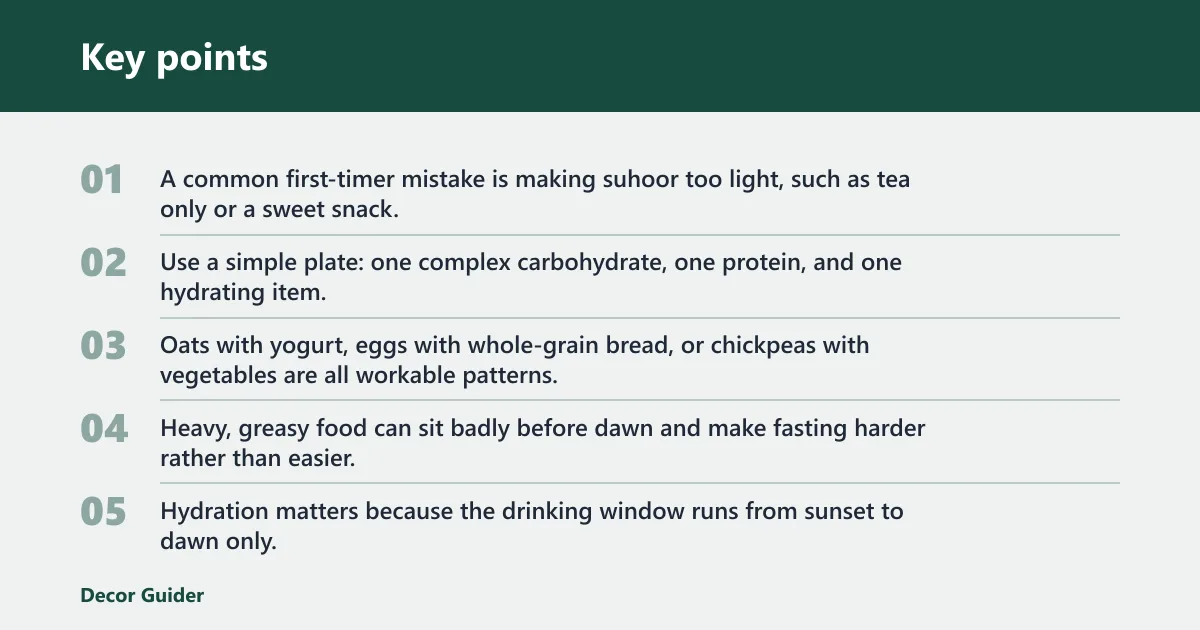
A common first-timer mistake is making suhoor too light, such as tea only or a sweet snack. That often leads to low energy by midday and stronger hunger later in the day.
What makes a filling suhoor
Use a simple plate: one complex carbohydrate, one protein, and one hydrating item. Oats with yogurt, eggs with whole-grain bread, or chickpeas with vegetables are all workable patterns.
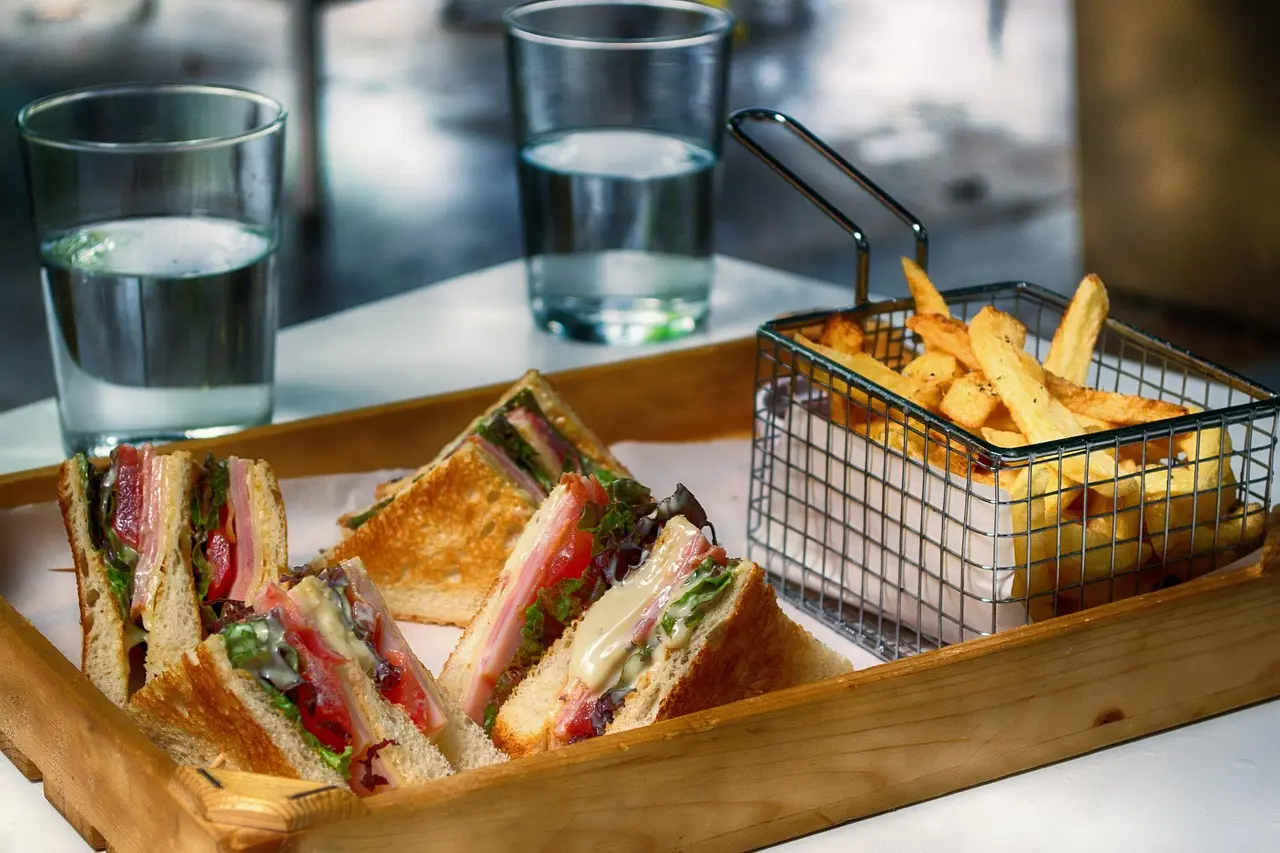
Keep the meal moderate in size. Heavy, greasy food can sit badly before dawn and make fasting harder rather than easier.
How hydration before dawn helps
Hydration matters because the drinking window runs from sunset to dawn only. Sipping water through the evening, plus eating water-rich foods, can help with headaches and fatigue the next day.
Watermelon, cucumber, soup, tomatoes, and broth-based dishes can support hydration without making the meal feel oversized. Do not try to make up for a dry day with one huge drink at bedtime.
How do you stop overeating at iftar?
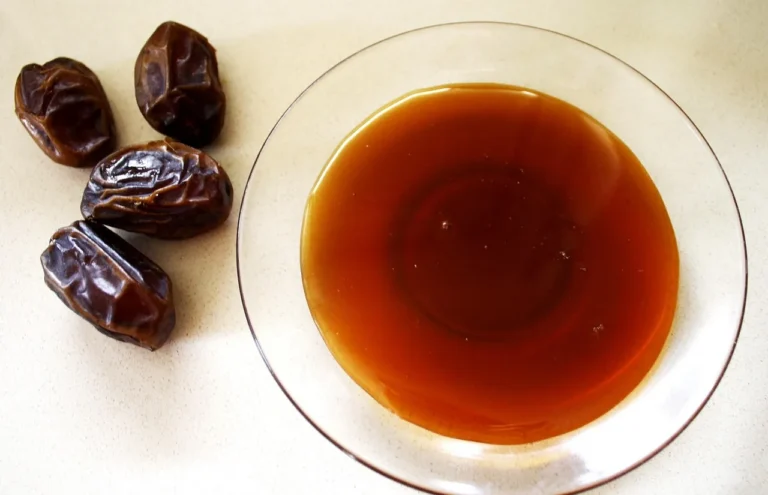
Stop overeating by breaking the fast in stages. Start with water and dates, wait a few minutes, then move to soup or salad before the main meal. That pacing gives your body time to register fullness before the plate gets too heavy.
The common iftar structure is water, dates, soup or salad, main meal, then fruit or dessert. Keeping the first course light is the simplest way to avoid discomfort, reflux, and the sleepiness that often follows a large first plate.
A paced iftar sequence
- Start with water and dates. Take a small portion, often about one to three dates, with water. This is the traditional way to break the fast and helps the meal begin gently.
- Pause before the main dish. Wait a few minutes, or longer if needed, before serving the full plate. A short pause helps prevent the “first bite, then everything” problem.
- Serve soup or salad first. Choose lentil soup, vegetable soup, chicken and vegetable soup, or tomato-based soup. These are easy iftar starters and can use the same vegetables you already bought.
- Keep the first plate lighter. Put a smaller amount of rice, bread, or protein on the first plate, then leave room for fruit if still hungry. That reduces the chance of overeating after a long fast.
Picture a family table where the main dish is ready at sunset, but the first plate also includes a heavy fried appetizer. The meal becomes harder to pace, and everyone tends to eat past comfort. A lighter first course fixes that without making the spread feel sparse.
Ramadan meal plan basics
Build the Ramadan meal plan around reusable ingredients, not a separate menu for every night. Plan iftar and suhoor as two linked meals, then repeat a small set of proteins, grains, and vegetables through the week.
Planning one week at a time is usually easier than planning the whole month. It also lets you adjust for guest nights, budget swings, and what is already in the pantry, refrigerator, and freezer.
Separate iftar and suhoor planning
Iftar and suhoor should not follow the same structure. Iftar can be more layered, with water, dates, soup or salad, a main meal, and fruit or dessert. Suhoor should stay simpler and lean on slow-release foods.
That difference matters because the appetite, timing, and digestion needs are different at sunset and before dawn. If both meals are planned the same way, one of them usually feels too heavy or too thin.
Use repeatable ingredients
Reusable ingredients keep the plan practical. A single pot of lentil soup can serve as an iftar starter, then reappear with bread the next day or be frozen in portions for later.
Use vegetables in more than one form. For example, tomatoes can go into salad, soup, and sauce, while carrots, zucchini, and broccoli can move from roasting to stew to soup.
What should a Ramadan grocery list include?
A practical Ramadan grocery list should include pantry basics, freezer-friendly items, repeat vegetables, fruit, proteins, grains, and hydration foods. Organize it by food category so shopping stays focused and you can compare what is already on hand before buying more.
Because ingredient prices can rise sharply in some Ramadan markets, budget control matters. Al Jazeera reported higher food costs in some markets, including Egypt, and calculated an Egyptian iftar serving at roughly 68 Egyptian pounds in 2024 and one serving of a featured iftar meal in India at about 149 rupees.
Pantry staples
- Dates
- Rice, oats, and pasta
- Whole-grain bread or wraps
- Canned lentils, chickpeas, and beans
- Broth, stock, or soup base
- Olive oil, salt, and basic spices
Freezer-friendly proteins and meals
Batch cooking and freezing are practical preparation steps before Ramadan. Freeze cooked chicken, soup, stews, lentils, and portioned grains in meal-sized containers so a low-energy night does not turn into a full cooking session.
Choose proteins that rotate well: chicken, fish, eggs, lentils, chickpeas, beans, lean meat, and tofu. These are useful because they can appear in different meals without forcing a brand-new recipe each time.
Vegetables, fruit, and hydration foods
- Cucumber and tomatoes for quick salads
- Carrots, leafy greens, broccoli, zucchini, and eggplant for soups and stews
- Fruit for after iftar or with suhoor
- Water, broth, and water-rich foods such as cucumber and soup
Ramadan meal planning problem map
This table maps common household failures to the simplest correction. Use it as a short diagnostic, not a perfect menu plan.
| Problem | Likely cause | 10-minute fix | Make-ahead prevention |
|---|---|---|---|
| Suhoor gets skipped | No prepped food before bed | Set out oats, bread, fruit, and water the night before | Cook about one suhoor grain and one protein twice a week. |
| Overbuying perishables | Shopping without checking the fridge first | Use what is already open before buying more | Check pantry, refrigerator, and freezer before each shop |
| Too many separate dishes | Each meal starts from scratch | Choose one protein, one grain, one vegetable | Plan reusable iftar and suhoor combinations |
| Freezer overload | Too many dishes frozen without a label plan | Group similar containers and move older items forward | Freeze portions in meal-sized containers with dates |
| Guest-night pressure | Trying to cook a full spread for every visit | Serve soup, one main, and one side only | Keep a guest-night backup such as soup and rice |
| Low-energy mornings | Suhoor is too sweet or too small | Eat oats with eggs or yogurt and bread | Keep complex carbohydrates ready for pre-dawn meals |
| Energy crash before sunset | Suhoor lacks fibre and protein | Add beans, eggs, or lentils plus whole grains | Repeat the same filling suhoor structure each week |
| Headache or fatigue | Weak hydration window planning | Drink water through the evening and serve soup | Place water at iftar, after prayer, and at suhoor |
| Iftar overeating | Large plate served immediately at sunset | Start with water and dates, then soup | Pre-portion the main dish before the fast ends |
| No cooked food ready | Plan had no backup meal | Use eggs, bread, canned lentils, or soup | Keep one emergency meal ready in the freezer |
How do you meal prep when your schedule is busy?
Meal prep works best when you cook once and use the food twice. Batch one or two bases, portion them, and build several meals from the same tray, pot, or container. That cuts decision fatigue and keeps weekday cooking short.
Soup rotation is especially useful because it gives iftar a fast starter without much extra work. Lentil soup, vegetable soup, chicken and vegetable soup, and tomato-based soup all reuse overlapping ingredients and freeze well.
Batch cook once, use twice
- Choose two bases. Pick one grain and one protein for the week, such as rice and chicken or oats and lentils. This keeps the plan narrow enough to finish.
- Cook a vegetable mix. Roast or sauté a tray of carrots, zucchini, broccoli, onions, or eggplant. Use it in soup, bowls, or a side dish.
- Portion for both meals. Split the food into iftar and suhoor portions before freezing. Small containers make it easier to grab a meal on a tired night.
- Label and date containers. Write the dish name and date on each container. That helps prevent freezer overload and food waste.
Suppose a household has two late workdays and one guest night in the same week. A batch of lentil soup, cooked rice, and roasted vegetables gives enough flexibility to cover all three without starting from zero each evening.
How to use soup rotation
Soup is the easiest iftar starter to repeat because it is light, filling, and simple to portion. It also helps the table move from fast-breaking to the main meal without a sharp jump in heaviness.
Use the same vegetable base in more than one soup. For example, carrots, celery if available, tomatoes, onions, and leafy greens can move through different pots without feeling repetitive.
What if you miss suhoor or have no cooked food?
If you miss suhoor or the fridge is empty, the fix is a fast fallback meal, not a complicated rescue recipe. Use whatever is already on hand that gives water, a carbohydrate, and protein, then reset the plan for the next night.
A missed suhoor usually leads to lower energy later in the day, so the next best move is to simplify the evening meal and prepare a stronger pre-dawn option for tomorrow.
Fast fallback meal ideas
- Oats made with water or milk, plus fruit and nuts if available
- Eggs with whole-grain bread and cucumber
- Soup with bread and a piece of fruit
- Canned chickpeas or lentils with rice
How to avoid the same problem tomorrow
- Reset the night before. Put water, a grain, and a protein on the counter before bed. That reduces the chance of a missed suhoor.
- Keep backup foods visible. Store dates, oats, canned lentils, and bread in one easy-to-reach place. Visible food is more likely to be used before it expires.
- Plan one small swap. Replace one complicated dish with a simpler one the next day. That keeps the whole week from slipping into takeout or waste.
Poor Ramadan meal timing is commonly linked with issues such as fatigue, headaches, constipation, bloating, indigestion, acid reflux, and heartburn. Those problems are more likely when meals are heavy, hydration is weak, or suhoor is skipped.
Who should not fast during Ramadan should be decided with medical and religious guidance, especially for people with illness, pregnancy, or other health concerns. General meal planning advice cannot replace that guidance.
Frequently asked questions
What are the most common Ramadan fast meal planning problems?
The biggest problems are under-planning suhoor, overbuying perishables, cooking too many separate dishes, and running out of easy fallback meals. Guest nights and budget pressure also make the plan harder. The simplest fix is a short reusable menu built around a few grains, proteins, vegetables, and soups.
How do I plan iftar and suhoor without wasting food?
Plan one week at a time and reuse the same ingredients in both meals. Buy a small set of vegetables, one or two proteins, and a few grains, then turn them into soup, bowls, or wraps. Check the pantry, refrigerator, and freezer before shopping.
Why is suhoor important for fasting all day?
Suhoor helps carry energy through the fast because it happens before fasting begins. A good suhoor uses higher-fibre carbohydrates plus protein, with water before dawn. That combination can help with fullness, lower energy crashes, and a steadier morning.
What can I do if I miss suhoor?
Use a simple fallback meal instead of skipping the day entirely. Oats, eggs, bread, soup, fruit, and water are practical options if they are already available. Then set out tomorrow’s food before bed so the same problem is less likely to repeat.
Products related to this article
Sponsored / affiliate links. As an Amazon Associate I earn from qualifying purchases. I may earn additional commission from eligible campaigns.