Ramadan Dessert Problems and How to Fix Them
Match the symptom to the dessert type first: grainy or split milk desserts usually need gentle rewarming and straining, while soggy fried-bread sweets need the wet parts held back until serving. Fast fixes work only when they fit the base; otherwise you can turn a salvageable Iftar sweet into a heavier, wetter one.
Why did your Ramadan dessert fail?
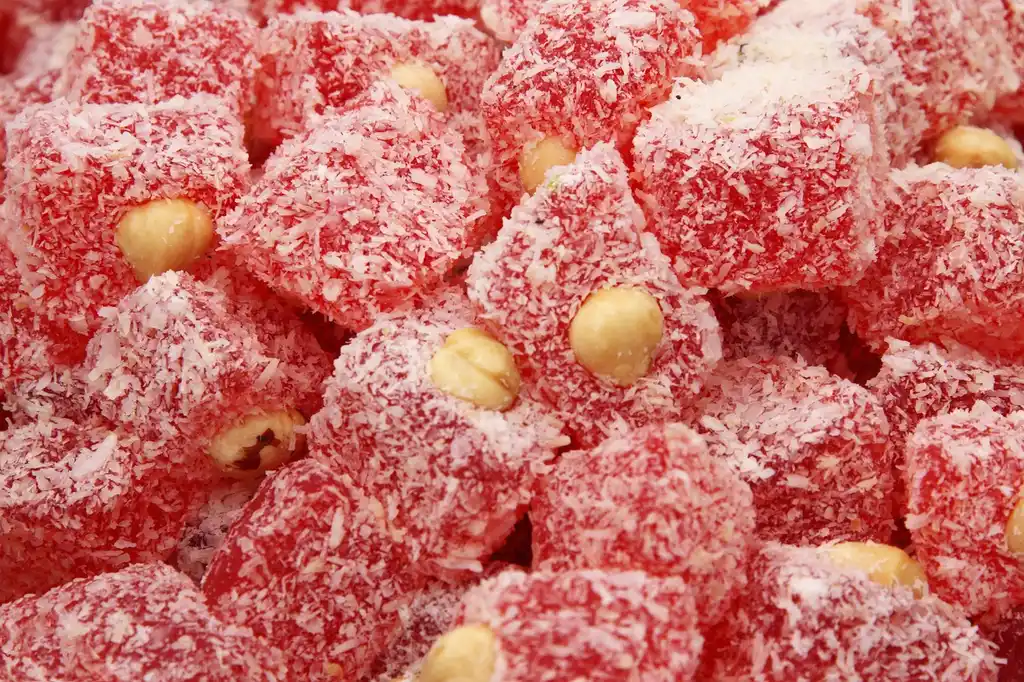

Most Ramadan dessert failures come from heat, timing, or the wrong liquids meeting the wrong base. Sheer khurma, phirni, and seviyan kheer can turn grainy or split if they boil hard. Shahi tukda and double ka meetha soften when syrup, rabri, and bread sit together too long.
Ramadan food timing and storage matter because many sweets are made ahead, chilled, and held for guests. For dairy desserts, chill within 2 hours of cooking, or within 1 hour if the room is above 32°C/90°F; if a milk dessert sat out longer than that, do not try to rescue it. Traditional choices such as Sheer Khurma, Phirni, and falooda rely on texture more than complexity.
What you’ll need
- A spoon for checking thickness
- A ladle for moving warm dessert without splashing
- A fine sieve for rescuing lumps or curdled milk solids
- Extra warm milk for milk-based puddings
- Hot water or simple syrup, only when the dessert type calls for it
- A clean pan for rebasing a split or lumpy mixture
- Covered containers for same-day holding and chilling
Ramadan dessert troubleshooting matrix
| dessert type | before/after chilling | exact symptom | likely cause | fastest fix | prevention | when it is no longer salvageable |
|---|---|---|---|---|---|---|
| Sheer Khurma | Before chilling | Looks grainy, split, or sandy | Milk boiled hard; dairy tightened and the vermicelli or dates are carrying graininess | Take off heat, whisk in 1 to 2 tbsp warm milk at a time, then strain if the texture stays speckled | Keep heat low, stir often, and chill only after the base is smooth | Discard if the milk smells sour, has obvious curds that will not smooth out, or sat out beyond food-safe time limits |
| Phirni | Before chilling | Lumpy, pasty, or unevenly set | Rice starch clumped during cooking; too much heat or not enough stirring | Press through a fine sieve while warm; add 1 tbsp warm milk only if it will not move | Soak and grind rice finely, cook on low heat, and stir often until smooth | Discard if it has a sour odor, mold, or watery separation that returns after stirring and reheating |
| Seviyan Kheer/Payasam | Before chilling | Mushy noodles or gluey thickness | Vermicelli cooked past tender; carryover heat kept softening it in the pan | Stop heating immediately, spread in a shallow dish, and loosen with 1 tbsp warm milk only if needed | Use a short simmer and remove the pan while the noodles still have a little bite | No longer salvageable if the vermicelli has broken down into a paste or the milk has separated after overcooking and holding hot |
| Shahi Tukda | After chilling | Bread is soft, watery, or collapsed under rabri | Bread absorbed syrup or topping too early | Drain the bread on a rack, rewarm the topping separately, and assemble just before serving | Keep bread, syrup, and rabri separate until the last minute | No longer salvageable if the bread has turned gummy through and through; then it becomes a soft pudding, not shahi tukda |
| Double ka Meetha | After chilling | Greasy, soggy, or flat-tasting bread | Too much syrup or topping; fried bread held under moisture too long | Blot surface oil, refresh with a light syrup brush, and add rabri only at serving time | Stop syruping early and store the fried bread separately from wet components | Not salvageable as a bread dessert if the slices are dense and waterlogged; only a reworked trifle-style plate makes sense then |
| Falooda | Before chilling | Blurred layers, diluted flavor, watery look | Warm components were layered together, or sabja and vermicelli were not chilled separately | Chill each component, then rebuild the glass just before serving | Keep milk, syrup, vermicelli, and sabja separate until service | Usually still salvageable unless the milk has curdled or the ice melt has diluted it beyond flavor |
| Moong Dal Halwa | Before chilling | Feels greasy on top, dense in the middle, or tastes raw | Dal was undercooked before ghee was added, or the roast was rushed | Return to low heat and cook off excess moisture; stir until the mixture looks cohesive and aromatic | Soak and grind properly, then cook the dal paste patiently before adding sugar and ghee | Not salvageable if it smells burnt, the raw-dal taste remains after extended cooking, or the ghee has fully separated and scorched |
How do you fix milk-based puddings fast?
Milk-based sweets need the gentlest rescue. Sheer khurma, phirni, and seviyan payasam or kheer can be saved if you stop the heat, smooth the base, and avoid adding more sugar before the texture is corrected. Condensed milk can help create body, but too much makes the pudding dense and overly sweet.
Sheer khurma: rescue graininess, split milk, and excess thickness
- Move the pan off the heat and stir for 30 seconds.
- Add 1 tbsp warm milk at a time and whisk until the grainy look loosens.
- If the texture still looks speckled, pass it through a fine sieve back into a clean pan.
- Return it to low heat for 1 to 2 minutes only, then stop.
Sheer khurma uses a sweetened milk base with dried dates and ghee, and it should finish silken, not heavy. Condensed milk can help here because the dessert needs body, but add it gradually so the dates and vermicelli do not get buried in sweetness. If the mixture curdles, look for visible curds and whey separation; if it is only lumpy from starch, a sieve and warm milk usually fix it.
Phirni: smooth a lumpy basmati-rice base without thinning it too much
- Cool the phirni for 2 minutes so the starch settles slightly.
- Press it through a fine sieve, using the back of a spoon.
- Add 1 tbsp warm milk only if the mixture will not pass through the sieve.
- Return it to the pan on low heat for 1 minute, then stop stirring once smooth.
Phirni is built from basmati rice, milk, and sugar, and it is traditionally eaten in earthen pots. If it tastes flat after chilling, stir in a pinch of cardamom or a few drops of rose water rather than more milk, which can loosen the set. A smooth phirni should look glossy and cohesive, not chalky or grainy.
Seviyan payasam or kheer: stop the vermicelli from overcooking
- Remove the pan as soon as the vermicelli turns tender with a little bite left.
- Spread the dessert in a shallow dish so carryover heat slows down.
- If it has already thickened too much, add 1 tbsp warm milk, stir, and recheck.
- Chill only after the noodles are no longer softening in the pan.
Seviyan Payasam and Seviyan Kheer are meant to be quick and easy, but the texture goes wrong fast. The ideal cue is tender vermicelli that still has a slight chew in the center; if it turns soft on the spoon, it will usually go mushy after resting. Condensed milk can save time, yet too much makes the pudding heavy and masks the vermicelli.
Say your sheer khurma looks fine on the stove but turns sandy after 20 minutes. That usually means the milk tightened from heat and the nuts or dates are carrying the texture. Gentle rewarming plus a sieve is the fastest rescue; more sugar will not fix it.
How do you rescue fried-bread desserts before they go soggy?
Fried-bread sweets need separation until the last minute. Shahi Tukda and Double ka Meetha both rely on bread that still has some structure, even after ghee frying. Once syrup or rabri soaks through, the crisp edge disappears fast, and a second heating usually makes the bread oily instead of crisp.
Shahi tukda: keep the bread crisp and the topping silky
- Lift the bread slices out of excess syrup or rabri with a spatula.
- Drain them on a rack for 1 to 2 minutes, not on paper that seals the bottom.
- Serve the topping beside the bread, then spoon it on just before eating.
- If the bread is already soft, retoast it briefly in a dry pan and replate.
Shahi Tukda uses bread toasted in ghee, so the bread should stay distinct from the creamy topping. It is an Iftar dessert idea for guests, which means late assembly matters more than extra garnish. Reheating the fried bread can help only if it is merely soft on the outside; once syrup has soaked through, reheating usually harms the texture and pushes the bread toward greasiness.
Double ka meetha: manage oil, moisture, and late assembly
- Pat the deep-fried bread slices lightly to remove surface oil.
- Keep the dry fruits and syrup separate until the end.
- Add only enough syrup to perfume the bread, then stop.
- Top with rabri or nut garnish at serving time, not during chilling.
Double ka Meetha is a Hyderabadi dessert built on deep-fried bread slices and dry fruits. If it tastes bland after chilling, a few drops of warm syrup and a fresh nut finish work better than another full pour, which can push it into soggy territory. Reheating the bread helps only before it has absorbed too much liquid; after that, the texture usually becomes oily rather than crisp.
What to do if the assembly is already soft
Suppose a tray of shahi tukda sat covered for an hour and the bread has gone limp. Move the bread to a rack, rewarm the topping separately, and rebuild each plate. That keeps the texture split between crisp and silky, which is the point of both desserts.
How do you stop vermicelli desserts from turning mushy?
Vermicelli sweets need short cooking and quick cooling. Overcooked seviyan becomes gluey because the noodles keep softening in the hot milk. Falooda brings a second risk: if the vermicelli, sabja seeds, rose syrup, and milk sit together too early, the glass layers blur and the drink tastes flat.
Choose the right simmer time for seviyan
- Cook vermicelli until it is just tender, then turn off the heat.
- Stir once and leave the pan uncovered for 1 minute.
- If the mixture thickens too much, add 1 tbsp warm milk and recheck.
- Chill only after the noodles stop softening in the pan.
A common first-timer mistake is letting seviyan sit in hot milk while the fruit or nuts are still being chopped. That extra minute can be enough to push the noodles from tender to mushy. The best cue is a soft but defined noodle that still has shape when lifted on a spoon.
Control liquid ratio in payasam and kheer
- Measure milk before cooking instead of adding it by eye.
- Keep the simmer low so evaporation stays predictable.
- If the kheer gets too dense, add 1 tbsp hot milk at a time.
- Stop once the spoon coats lightly rather than forming a paste.
Condensed milk can speed up a creamy finish, but it is best used where body matters more than a delicate set. In a dense kheer, more condensed milk usually deepens the sweetness before it solves the thickness. If the dessert starts to look pasty, it is already beyond the ideal consistency for chilling.
Keep falooda components separate until the last minute
- Chill the rose syrup, cooked vermicelli, sabja seeds, and milk separately.
- Build the glass in this order: syrup, vermicelli, sabja, milk, then crushed dry fruits.
- Assemble only when guests are ready to eat.
Falooda is a layered glass dessert with rose syrup, cooked vermicelli, sabja seeds, condensed milk, and crushed dry fruits. The layers stay cleaner when each part is cold and separate. If the milk is warm or the vermicelli is still steaming, the glass will blur and the rose flavor will flatten.
Common mistakes
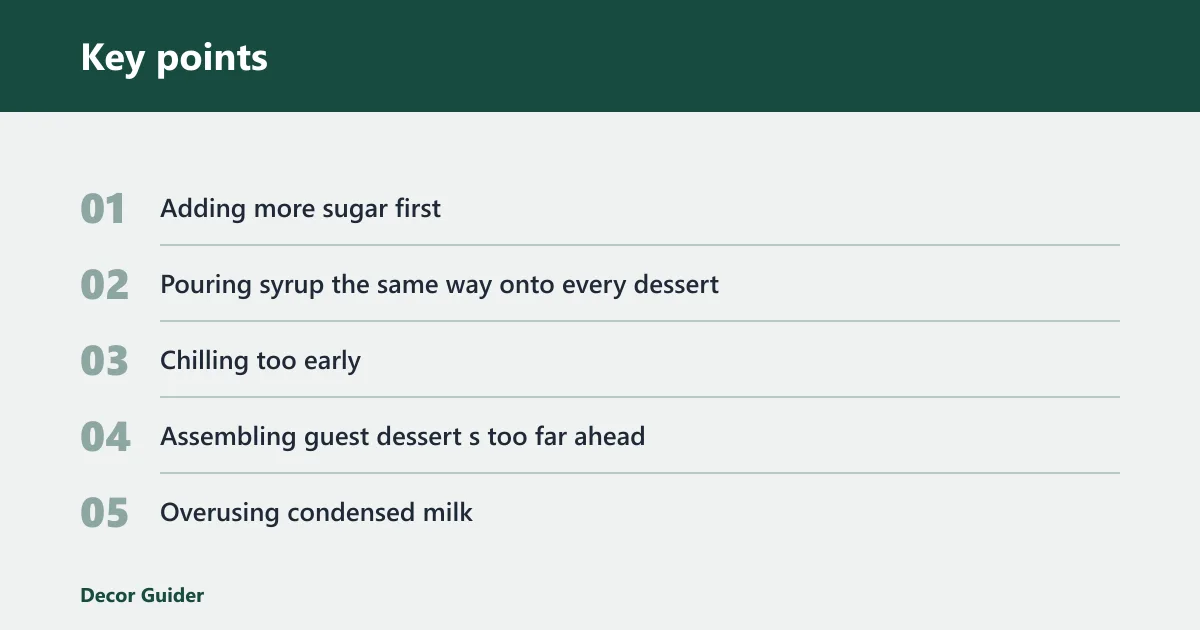
- Adding more sugar first: sweetness masks the fault for a minute, but it does not fix graininess, mushiness, or split milk.
- Pouring syrup the same way onto every dessert: fried bread, milk pudding, and vermicelli each absorb liquid at different rates.
- Chilling too early: a base that still needs smoothing can set with lumps locked in.
- Assembling guest desserts too far ahead: shahi tukda, double ka meetha, and falooda all suffer when the wet parts sit too long with the dry parts.
- Overusing condensed milk: it can give body, but too much makes the dessert heavy and sweet before it improves texture.
What if the dessert is too sweet?
Too much sweetness is easiest to fix before the dessert chills completely. Add a little unsweetened milk, a plain bread base, or a second component with less sugar, depending on the dessert. For fried-bread sweets, extra syrup usually makes the problem worse, so use a neutral garnish instead.
- For kheer or phirni: dilute with a small amount of unsweetened milk and warm gently.
- For sheer khurma: add more unsweetened milk and a few more nuts if the body still needs balance.
- For falooda: increase milk or ice cream portion without adding more syrup.
- For shahi tukda and double ka meetha: reduce extra syrup and serve with unsweetened rabri if available.
What if the dessert is too dense?
A dense dessert usually needs moisture, not more sugar. Add warm milk in small amounts, then stop as soon as the spoon moves easily. If the dessert already tastes heavy from condensed milk, thin it cautiously and serve sooner rather than trying to build more body.
- Stir in 1 tbsp warm milk at a time.
- Recheck after each addition so the dessert does not become loose.
- Do not add syrup to fix density in milk desserts; it only increases sweetness.
- If the base is already pasty, use it as a thicker layer in a plated dessert rather than forcing a pourable texture.
What should you do when dessert mistakes happen while fasting?
While fasting, the safest move is to pause the rescue and cool the food properly, not to keep tasting and adjusting. Work in small steps, cover the dessert, and finish the fix after iftar if needed. For dairy desserts, if the holding time is already unsafe, it is better to remake than to push a doubtful batch.
- Do not keep the dessert at room temperature while waiting to taste again.
- Cover it and move it to the fridge as soon as it is safe to do so.
- If you cannot check flavor while fasting, rely on texture cues such as spoon-coating, graininess, or separation.
Frequently asked questions
Why did my Ramadan dessert turn grainy or split?
That usually means the dairy was heated too hard or stirred after it started to tighten. Move it off the heat, whisk in 1 tbsp warm milk at a time, and strain if needed. For sheer khurma or phirni, low heat and slow stirring prevent the same problem next time.
What can I do if my kheer, phirni, or sheer khurma turns lumpy?
Pass the dessert through a fine sieve while it is still warm enough to move. If it will not pass, add 1 tbsp warm milk and try again. Keep the pan on low heat only after the texture is smooth, not while the lumps are still forming.
How do I stop vermicelli desserts from getting mushy?
Remove the pan when the vermicelli is just tender and cool it fast in a shallow dish. Do not leave it in hot milk while you prep garnish. For falooda, keep vermicelli, sabja, milk, and syrup separate until the glass is ready.
Why do fried bread desserts turn soggy after assembly?
They soften when syrup or rabri stays in contact with the bread too long. Keep the bread and toppings separate, then assemble at serving time. If they are already soft, drain off excess liquid and replate with a fresh, dry finish.
Does reheating fried-bread desserts help or hurt texture?
Reheating helps only when the bread is merely cool or lightly soft on the outside. It hurts once syrup has soaked through, because the bread usually turns oily before it crisps again. Rewarm the topping separately, not the fully assembled dessert.
How do I tell curdling from starch lumps?
Curdling usually shows as grainy curds, thin whey, or a sour smell, and it does not smooth out easily. Starch lumps are softer, more paste-like, and often dissolve with a sieve and a little warm milk. If the dairy has separated badly, it is safer to discard.
How do I keep Ramadan desserts fresh for Iftar guests?
Store the base and toppings separately, then combine them just before serving. Dairy desserts should be covered and chilled if they are not served the same day. Bread sweets stay better when the bread is held apart from syrup, rabri, and garnish until the table is ready.
What are the Ramadan-practice questions people ask most?
People usually want to know what can be made ahead, what should stay separate, and what is safe to chill overnight. The simple rule is that dairy-based desserts should be refrigerated promptly, while fried bread and layered drinks stay best when their parts are stored separately and assembled close to serving.
- Chill milk-based desserts promptly and keep them covered.
- Store syrup, rabri, bread, vermicelli, and sabja separately when possible.
- Assemble shahi tukda, double ka meetha, and falooda as late as practical.
To keep Ramadan food storage troubleshooting simple for Iftar guests, hold the base, syrup, and garnish apart whenever possible, then combine them close to serving. For dairy-based sweets, same-day room-temperature holding is safer than overnight sitting out; once they are chilled, keep them covered and bring them out only when guests are ready.
Products related to this article
Sponsored / affiliate links. As an Amazon Associate I earn from qualifying purchases. I may earn additional commission from eligible campaigns.