Ramadan Food Storage Troubleshooting
Cool cooked Ramadan meals within about 2 hours, then move them to shallow, airtight containers and refrigerate at about 4°C or below; freeze extras the same day. Skip that step and you risk spoilage, odors, soggy textures, and a fridge that cannot keep food cold enough. This guide fixes sweating lids, soggy leftovers, cross-contamination, and overpacked fridges with practical storage steps.
What you’ll need


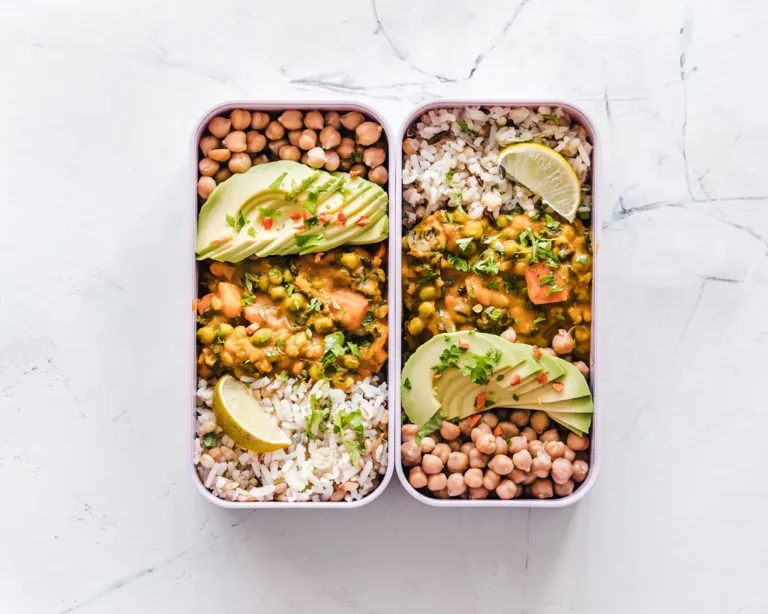
- Food-grade airtight containers in a few sizes, preferably transparent for quick checks
- Shallow containers for faster cooling and portioning
- Labels and a marker for date notes
- A refrigerator thermometer and a freezer thermometer
- Paper towels for leafy greens and moisture control
- Baking soda, lemon slices, or activated charcoal for odors
Ramadan food storage troubleshooting matrix
| Problem | Likely cause | Safe fix | Discard threshold | Best container or storage zone |
|---|---|---|---|---|
| Rice turns gummy or smells stale | It stayed warm too long, or steam collected in a deep lidded bowl | Portion into shallow containers, refrigerate promptly, and reheat only once | Discard if it was left out more than 2 hours or shows sour odor, slime, or mold | Shallow airtight container on a middle or top shelf |
| Soups and stews leak or sour | Container was overfilled, or the pot sat out while cooling slowly | Divide into shallow portions before chilling, then freeze extras the same day | Discard if left out more than 2 hours, or if the surface looks unusual or foamy | Shallow sealed container, then freezer at -18°C for longer storage |
| Meat or poultry smells off or drips | Raw and cooked foods were stored too close, or packaging leaked | Move raw meat to a sealed container on the bottom shelf below ready-to-eat food | Discard if it was warm too long, leaked onto other foods, or shows discoloration or slime | Bottom shelf, sealed leakproof container |
| Dairy-based dishes separate or take on odors | Door storage, warm spots, or unsealed containers | Keep in a tight container on a top or middle shelf and avoid the door | Discard if it curdles, bubbles, or sat out more than 2 hours | Opaque or transparent airtight container on a top shelf or middle shelf |
| Cut fruit weeps or tastes like other foods | Too much surface moisture and odor transfer | Dry pieces well, store chilled, and keep away from onions, fish, and strong sauces | Discard if it is slimy, fermented, or left unrefrigerated too long | Covered container in the crisper drawer or a protected middle shelf |
| Pastries go soft or pick up smells | Condensation and close contact with wet foods | Use a dry container and keep pastries away from steamy dishes and cut fruit | Discard if mold appears, filling smells sour, or the pastry was exposed to unsafe temperatures | Dry airtight container on a top shelf |
Can you put hot food in the fridge?
Yes. Put warm food into shallow portions, then refrigerate it promptly so it does not sit in the danger zone too long. If a large batch is left in a deep pot, the center cools slowly and can warm nearby items. Use smaller containers to speed cooling and cut condensation.
What to do instead of leaving food out too long
- Transfer the batch from the pot into shallow containers.
- Leave space between containers so cold air can move around them.
- Place them on a clear shelf, not in a crowded corner.
- Close the door promptly after loading.
If food stayed out more than 2 hours, discard it. That limit matters for cooked rice, stews, meat dishes, and dairy-based plates alike.
How to divide large batches so they cool faster
- Split a pot of soup or stew into several shallow containers right away.
- Pack rice in flat portions instead of one deep mass.
- Keep lids slightly ajar only until steam drops, then seal and label.
- Move the containers to the fridge without waiting for full cooling.
Say your lentil soup fills a deep stockpot. Divide it into three shallow containers first, then chill them. That is safer than waiting for the whole pot to cool on the counter.
How should you organize the fridge?
Use the fridge by shelf zone, but do not treat every model the same way. Top shelves are commonly used for cooked food, dairy, and desserts; bottom shelves are for raw meat and fish in sealed containers; the door is often used for drinks, sauces, and condiments. Keep airflow open and avoid packing shelves tight.
How overload changes cooling
- Move seldom-used drinks to the door and condiments to one shelf section.
- Keep ready-to-eat food above raw meat and poultry.
- Leave gaps between items so cold air reaches each container.
- Check the thermometer after reorganizing, then adjust if the reading is outside about 4°C or below.
A stable fridge temperature depends on airflow and a not-overpacked interior. Frequent door opening and warm containers can push temperature up, especially in a fridge loaded with iftar leftovers.
How do you stop spoilage and odor transfer?
Seal food in airtight containers, date-label every batch, and dry produce before chilling it. Moisture speeds sogginess and can spread odors. Baking soda, lemon slices, and activated charcoal can help with general smells, but they do not make spoiled food safe.
Keep odors from moving between foods
- Use tight lids for rice, curries, pastries, and fruit.
- Wrap leafy greens in paper towels before placing them in the crisper drawer.
- Keep strong-smelling foods away from desserts and cut fruit.
- Replace odor absorbers regularly and clean spills right away.
Suppose a tray of kebab sits beside sliced watermelon with no lid between them. The fruit can pick up the smell fast. Separate containers stop that transfer.
Common storage mistakes
Several failures keep showing up during Ramadan food storage troubleshooting. Packing the fridge too full blocks cooling. Storing raw meat above cooked food creates drip risk. Open bowls let moisture collect and odors spread. Reheating the same dish repeatedly also dries it out and raises handling risk.
Unsafe food can look and smell normal, so do not rely on scent alone. If a cooked dish was left out too long, had cross-contamination, or shows mold, slime, or unusual bubbling, discard it even if it seems fine.
Prevention: label leftovers with the day they were cooked and freeze extra portions the same day if you know they will not be eaten within the fridge window.
What is the best way to organize your fridge for Ramadan?
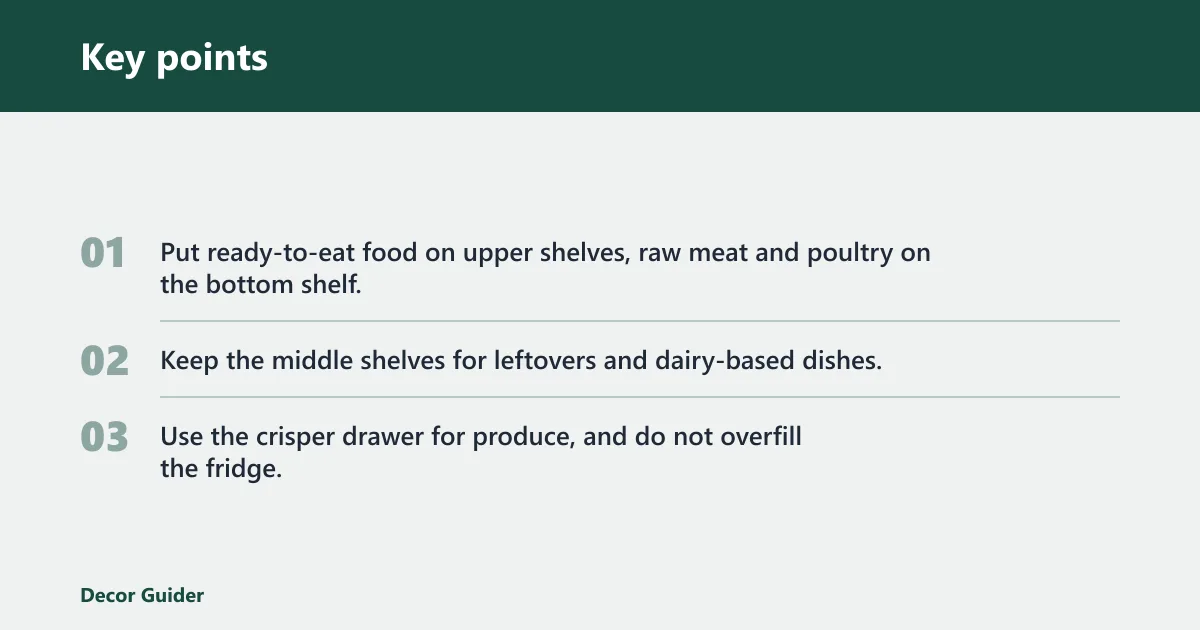
Put ready-to-eat food on upper shelves, raw meat and poultry on the bottom shelf, and drinks, sauces, and condiments in the door. Keep the middle shelves for leftovers and dairy-based dishes. Use the crisper drawer for produce, and do not overfill the fridge, because blocked airflow slows cooling.
How long can cooked Ramadan meals stay in the fridge?
Most cooked leftovers fit a 3 to 4 day fridge window, but storage time can vary by dish type, when the refrigerator stays at about 4°C or below. Freeze anything you will not finish in that window, and keep the freezer at -18°C. Reheat leftovers thoroughly before serving.
How do I prevent cross-contamination in Ramadan food storage?
Store raw meat and fish on the bottom shelf in sealed containers, never above cooked food. Keep juices contained, wash hands and utensils after handling raw items, and use separate containers for ready-to-eat food. If raw drips touched cooked food, discard the affected food if it cannot be cleaned and reheated safely.
Frequently asked questions
How should I store cooked food during Ramadan?
Divide the food into shallow airtight containers, label the date, and place it on a clear shelf as soon as it can go in the fridge. Keep cooked food above raw meat, and freeze portions you will not eat within 3 to 4 days. Reheat leftovers thoroughly before serving.
What is the best container for storing Ramadan leftovers?
Use food-grade airtight containers that seal well, stack neatly, and let you see what is inside. Transparent containers make date checks easier. Choose sizes that match single meals or family portions so you do not keep opening one large tub for repeated scoops.
How do I store soups, rice, and fruit safely during Ramadan?
Portion soups and rice into shallow containers for quick chilling, then refrigerate promptly or freeze extras the same day. Keep cut fruit dry, covered, and away from strong-smelling foods. Use the crisper drawer for produce and a labeled container for cooked starches.
Can I put hot food straight into the refrigerator?
Do not put a steaming pot straight in. Split it into shallow containers first so the load cools faster, then refrigerate promptly. If the food has been sitting out more than 2 hours, discard it rather than trying to save it.
How do I keep Ramadan food from spoiling quickly?
Keep the fridge near about 4°C or below, avoid overloading shelves, and limit door opening. Seal food, dry produce before chilling, and separate raw meat from ready-to-eat items. Freeze food that will not be eaten within a few days, and remove spoiled items at once.
What if you accidentally eat during ramadan?
Products related to this article
Sponsored / affiliate links. As an Amazon Associate I earn from qualifying purchases. I may earn additional commission from eligible campaigns.