Ramadan Suhur Cooking Problems
Fix Ramadan suhur cooking problems with a 15-minute plan: choose one slow-digesting base, one protein, one fruit or vegetable, and enough fluids for the morning ahead, then keep everything else assembly-only. Poor suhoor often leads to thirst, low energy, rushed mornings, and skipped meals before sunrise. This guide covers fast fixes for time pressure, small appetites, hydration, kids, and hot-weather menus.
What makes suhoor fail?



Suhoor fails when the meal is too hard to eat, too slow to make, or too heavy for the hours ahead. The most common problems are low appetite before dawn, too little time before the fast starts, and foods that leave you thirsty or hungry again too soon. The practical fix is a simple plate that is easy to assemble and easy to repeat.
Build the meal around the fast ahead
Keep the plate simple: one filling base, one protein, one fluid, and one easy extra if appetite allows. The goal is support for the fast ahead, not a large breakfast spread. Start with foods that are quick to assemble and easy to repeat.
- Base: bread, oatmeal, cereal, or bagels.
- Protein: eggs, hummus, or ful.
- Dairy: leban, yogurt, or Laughing Cow cheese.
- Sweet add-on: jam, sesame halva, dried fruit, or a thin Nutella layer.
Common reasons the morning goes wrong
Low appetite often means the food is too rich, too early, or too large. Thirst later in the day often points to salty fillings, fried items, or too much tea and coffee without enough water. Time pressure usually comes from starting from scratch instead of keeping a repeatable suhoor setup ready.
Suppose a family has 10 minutes before dawn. A pan of eggs, sliced fruit, and a pot of tea only becomes a usable suhoor if the bread, cups, and toppings are already out. If everything still needs cutting and cooking, the meal becomes a race instead of a routine.
Suhoor foods that actually keep you full
The best filling suhoor mixes slow energy with enough protein and fluid to make the fast feel more manageable. A practical plate usually combines bread or oats with eggs, hummus, ful, yogurt, or leban. Sweet add-ons help appetite, but they work best as a small support, not the main meal.
Protein foods
Eggs, hummus, and ful are often used as quick-cook protein options for suhoor. Eggs cook fast and can be boiled ahead. Hummus and ful can be served cold or warmed quickly, which helps on mornings when no one wants a long cooking session.
Carbohydrate staples
Bread, cereal, oatmeal, and bagels are the easiest suhoor bases for families. They are familiar, quick to serve, and easy to portion for different ages. Oatmeal works well when a warm meal is needed but time is short.
Dairy and spreadable foods
Leban, yogurt, Nutella, and Laughing Cow cheese are useful when cooking feels impossible. These foods are fast to spread, spoon, or pour, so they reduce kitchen workload. They also help build a meal from leftovers or pantry items.
Sweet add-ons
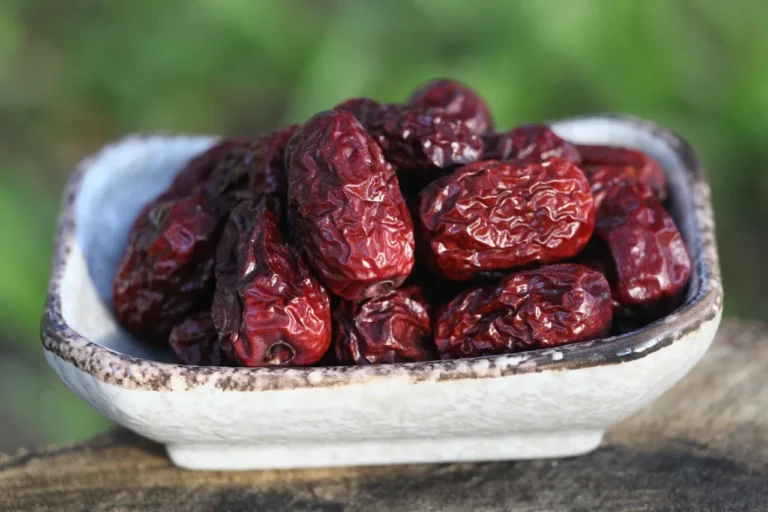
Jam, sesame halva, and dried fruit can make suhoor easier to eat when appetite is low. Use them in small amounts with bread, yogurt, or oats. A little sweetness can make the plate more acceptable without turning the meal into dessert.
- Choose one base. Put bread, cereal, oats, or bagels on the table first. This prevents overthinking and gives everyone a familiar starting point.
- Add one protein. Offer eggs, hummus, or ful. Even a small portion helps the meal last longer than bread alone.
- Finish with fluids. Set out water, leban, tea, or coffee in small cups. That makes drinking part of the meal instead of an afterthought.
How do you make suhoor faster?
Make suhoor faster by turning it into assembly, not cooking. Set up a no-cook suhoor with fridge and pantry items ready to go, so the table comes together in minutes. That matters most when dawn comes early and everyone moves at a different pace.
No-cook suhoor setup
A no-cook setup uses foods that only need opening, slicing, or spooning. Keep yogurt, leban, cheese, bread, jam, halva, fruit, and cold hummus within reach. This cuts the number of pans and keeps the kitchen cooler.
Make-ahead foods and storage
Boiled eggs, cooked ful, washed fruit, and portioned yogurt cups are often among the easiest make-ahead items. Store them in covered containers so the meal can be built quickly. Reheat only what truly needs heat, such as eggs, ful, or oatmeal.
One-platter assembly for busy mornings
Put everything on one large platter or tray so people can serve themselves without waiting. A platter with bread, eggs, cheese, yogurt, and fruit works for mixed ages and different appetites. It also reduces dishes, which matters when energy is low.
- Prep the night before. Slice bread, portion cheese, and chill drinks before sleep. This turns the morning into an assembly job.
- Cook only one hot item. Make eggs, oatmeal, or ful, not all three. One hot item is usually enough when the rest of the table is ready.
- Use a fixed tray. Set one tray with plates, spoons, cups, and napkins in the same place each night. Repetition saves the most time before dawn.
A common first-timer mistake is making three separate hot foods because everyone wants something different. That usually creates delay, heat, and cleanup. A better pattern is one shared base, then separate toppings such as jam, halva, cheese, or fruit.
How can I get enough hydration at suhoor without forcing too much food?
Hydration at suhoor should be simple, steady, and paired with food that does not make thirst worse later. Water matters most, but tea and coffee can fit if they do not replace fluids entirely. In hot weather and long fasts, it helps to drink enough before fasting starts and to keep salty foods smaller.
Water-first habits before fasting
Start with water before the meal or alongside it, then keep a second cup on the table. Small, repeated sips are easier than trying to drink a lot at once. Soupy or high-water foods can help, but they should not be the only strategy.
Tea and coffee at suhoor
Strong tea, sweet tea, and coffee are common at suhoor, but they should sit next to water rather than replace it. If caffeine tends to make mornings feel drier or less settled, keep the cup smaller and build the meal around water, leban, and food instead.
Hot-weather Ramadan and thirst control
Hot-weather Ramadan changes food choices because sleep disruption and heat make heavy meals less appealing. Lighter foods and more fluids are usually easier to manage than oily or very salty plates. Cool foods help when the room already feels warm before dawn.
- Choose yogurt, leban, fruit, and bread over fried foods.
- Keep salted snacks small if thirst is a problem.
- Use water as the default drink, then tea or coffee in smaller amounts.
How do you feed picky kids at suhoor?
Picky kids do best with one shared suhoor base and a few allowed choices, not separate meals. A family table can hold the same core foods while letting children choose the topping or side they prefer. That keeps breakfast manageable and lowers conflict before dawn.
Shared foods that work for mixed ages
Eggs, cereal, bread, yogurt, and cheese are the easiest shared foods because they can be portioned in small or large amounts. One child may want cereal, another eggs, and another a Nutella sandwich. The meal stays simple if the base is the same and only the topping changes.
Bedside serving and low-friction routines
Some families reduce friction by serving suhoor quietly or at the bedside for a child who wakes slowly. Lower lighting, quieter serving, and a predictable routine can help children settle into the meal without turning the kitchen into a source of stress.
Keeping one base meal and changing toppings
Make one base plate with bread, cheese, yogurt, or oatmeal, then set out toppings like jam, halva, or dried fruit. That lets children choose without turning the kitchen into a buffet line. It also keeps adults from cooking separate meals for each person.
- Set one shared base. Put bread, cereal, or eggs in the center of the table. Add two or three toppings so children can pick without negotiation.
- Offer visible choices. Keep the options small and clear, such as jam, cheese, or Nutella. Too many choices can slow the meal more than one disliked item.
- Use the same routine. Serve in the same order each night if possible. Predictability helps children wake, sit, and eat faster.
Suhoor for hot mornings and short nights
When nights are short and mornings are hot, suhoor should be lighter, faster, and less greasy. Heavy foods can make the meal harder to finish and may increase thirst later. In summer, the best choices are foods that cool the body down instead of weighing it down.
Summer timing and sleep disruption
Short sleep makes appetite and patience worse, so the meal needs to be simpler than usual. Keep the table ready the night before and avoid long cooking during the last minutes before dawn. That makes the meal possible even when everyone is tired.
Light meals that still feel filling
Use bread or oatmeal with yogurt, leban, eggs, or hummus. Add fruit if appetite is low and save richer foods for a day when the household is less rushed. The goal is enough fuel, not a heavy plate.
Picture a household that needs to leave food on the table in under 10 minutes because everyone is sleepy and the kitchen is warm. A tray with boiled eggs, sliced bread, yogurt, water, and fruit gives a workable suhoor without turning on the stove at all. That is often better than trying to cook a full meal half asleep.
Suhoor troubleshooting table

The fastest way to fix Ramadan suhur cooking problems is to match the symptom to the meal pattern. Use the table below to choose the quickest correction, then keep that pattern ready for the next morning. Each row gives one common failure case and one practical suhoor setup.
| Problem | Likely cause | Fastest fix | Best food type | Recommended suhoor pattern |
|---|---|---|---|---|
| No appetite | Meal feels too heavy, too early, or too large | Use a small plate with yogurt, bread, and fruit | Dairy and carbohydrate staples | yogurt + bread + banana + water |
| Not enough time | Too much cooking before dawn | Switch to a no-cook suhoor setup | Spreadable foods and ready-to-eat items | bread + leban + cheese + water |
| Too much thirst later | Meal is salty, fried, or low in fluids | Add water first and reduce salty foods | Water, leban, yogurt, fruit | oats + yogurt + banana + water |
| Kids refuse the meal | Too many rules, no choice, or unfamiliar food | Offer one base with two toppings | Bread, cereal, Nutella, jam, cheese | bread + Nutella + cucumber + water |
| Food feels too heavy | Too much oil, meat, or large portions | Replace fried foods with eggs or hummus | Protein foods and lighter starches | bread + boiled egg + cucumber + leban |
| Summer heat makes eating hard | Warm room and low sleep | Serve cold foods and reduce stove use | Yogurt, leban, fruit, cold sandwiches | yogurt + oats + fruit + water |
| Boredom with the same menu | Repeating the same plate without variation | Rotate toppings instead of changing the whole meal | Jam, sesame halva, dried fruit, cheese | bread + cheese + dates + water |
| One person wants a different meal | Family preferences do not match | Keep one shared base and one personal add-on | Bread with egg, cereal, or sandwich fillings | cereal + yogurt + fruit + water |
| Breakfast feels rushed and tense | No fixed routine or serving order | Use the same tray, cups, and timing each night | Any simple family suhoor | bread + egg + cucumber + water |
| Cooking feels impossible at 3 a.m. | Low energy after short sleep | Serve prepped food straight from the fridge | Boiled eggs, yogurt, bread, fruit | boiled egg + bread + yogurt + water |
| Salty snacks make the morning worse | Too much salt before fasting | Swap salty sides for fresh produce | Fruit, vegetables, plain dairy | oats + yogurt + cucumber + water |
Frequently asked questions
What are the most common suhoor cooking problems during Ramadan?
Common problems include low appetite, limited time, thirst later in the day, picky eaters, and meals that feel too heavy. A working suhoor usually solves all five at once by using a simple base, quick protein, enough fluids, and one or two family-approved add-ons.
How do I make suhoor faster when I’m short on time before dawn?
Use a no-cook or mostly assembled meal. Keep bread, yogurt, leban, cheese, fruit, and cooked eggs ready so the table can be set in minutes. If one hot item is needed, make only that item and build the rest from cold foods.
What should I cook for suhoor so everyone feels full longer?
Start with protein plus slow energy. Eggs, hummus, or ful with bread, oatmeal, or bagels usually holds better than bread alone. Add yogurt or leban for fluids, then use jam, halva, or dried fruit in small amounts if someone needs extra appetite support.
How do I handle picky kids at suhoor without making separate meals?
Keep one shared plate and change the toppings, not the whole meal. Bread, cereal, yogurt, cheese, Nutella, and jam cover many preferences without extra cooking. If a child dislikes bright light, lower the room light or serve in a calmer way.
What are the best make-ahead suhoor foods for busy mornings?
Boiled eggs, cooked ful, washed fruit, yogurt cups, bread, cheese, and portioned spreads are the easiest make-ahead foods. Store them in covered containers so the meal can be assembled quickly. Reheat only what needs heat, and keep the rest cold.
What happens if you eat during Ramadan?
If someone eats during the fasting hours of Ramadan, the answer depends on the person’s circumstance and their school of thought or local religious guidance. In general, eating intentionally breaks the fast, while unintentional mistakes are handled differently in many communities. When in doubt, follow trusted local guidance.
Products related to this article
Sponsored / affiliate links. As an Amazon Associate I earn from qualifying purchases. I may earn additional commission from eligible campaigns.