Ramadan Meal Prep Containers Review: Is It Worth It?
Ramadan meal prep containers are worth buying if you cook most nights and need several stackable, leak-resistant containers to help keep suhoor, iftar, and leftovers from taking over the fridge. I have seen the difference in busy kitchens. Without them, food gets buried, leaks spread, and tomorrow’s meal takes longer to find. The value is calmer fridge turnover, faster repacking, and less waste.
This guide is part of our Ramadan recipes and meal ideas series.
Ramadan meal prep containers: are they worth it?


The trade-off: faster fridge turnover versus extra storage gear
The trade-off is plain. Glass often handles reheating and stain control better, while BPA-free polypropylene is usually lighter and more budget-friendly for buying in bulk. If the containers cut ten minutes of nightly sorting and stop one curry leak a week, they earn their space. If they sit half empty and do not fit your shelves, they become clutter.
For Ramadan, the question is not whether containers are useful. It is whether the set matches how often you cook, how much you reheat, and how crowded the fridge gets after iftar.
What matters in Ramadan use: stacking, reheating, cleaning, and shelf fit
Four things matter more than glossy lids or marketing claims. Containers need to stack, reheat safely, clean quickly, and fit the fridge shelf height without wasted vertical space. Flat lids matter here because they reduce dead space above the container and make a crowded fridge easier to pack.
A taller container can hold the right amount of food and still fail the test if it will not clear a shelf. I run into that problem often in small kitchens.
According to Ramadan Food Storage Container Review: What to Buy — A useful Ramadan container range starts around 700 ml and goes up to 2 liters. (source)
Glass vs BPA-free polypropylene containers
Glass is usually the better choice for frequent reheating, curry, rice, and leftovers that stain or smell. BPA-free polypropylene is lighter, cheaper, and easier to move in bulk sets, which makes it useful for short-term fridge storage and households that repack food every night.
Glass food storage containers
Glass food storage containers are the better fit when food goes from fridge to microwave often. They resist stains, handle aromatic dishes well, and stay clear after repeated use. The trade-off is weight and break risk, so they are less forgiving when a fridge shelf is already crowded or when containers are handled by children.
DecorGuider’s glass pick is a Bestfull 12-pack set priced at $29.92. For households that want a mixed system, glass works best for the dishes that get reheated most.
BPA-free polypropylene containers
BPA-free polypropylene containers are the lighter option and are often the budget route for larger sets. They are practical for short-term fridge use, packed lunches, and foods that do not need long simmering reheat cycles. Over time, some plastic containers can warp or cloud, and lid fit can loosen with repeated washing.
DecorGuider’s budget pick is a Rubbermaid Brilliance Tritan plastic set priced at $23.73. That sort of set makes sense when the main goal is volume, not oven-like reheating performance.
Side-by-side comparison table: weight, break risk, reheating, stains, and cost
| Criterion | Glass food storage containers | BPA-free polypropylene containers |
|---|---|---|
| Weight | Heavier | Lighter |
| Break risk | Higher if dropped | Lower if dropped |
| Reheating convenience | Better for microwave-safe leftovers | Useful when labeled microwave-safe, but more material-dependent |
| Stain and odor control | Better | Can retain odor or cloud over time |
| Cost | Usually higher for comparable sets | Usually lower for bulk sets |
| Best Ramadan use | Curry, rice, leftovers | Bulk fridge storage, lighter daily handling |
Which container shape works best in a Ramadan fridge?
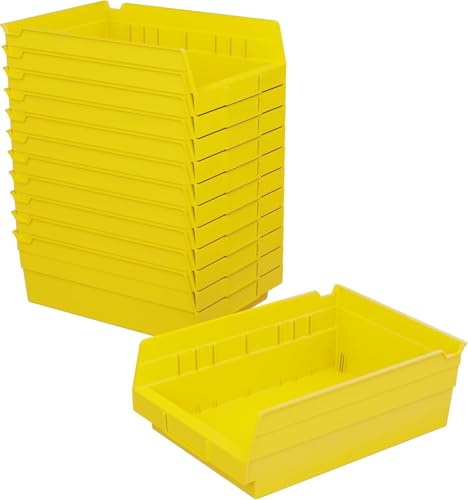
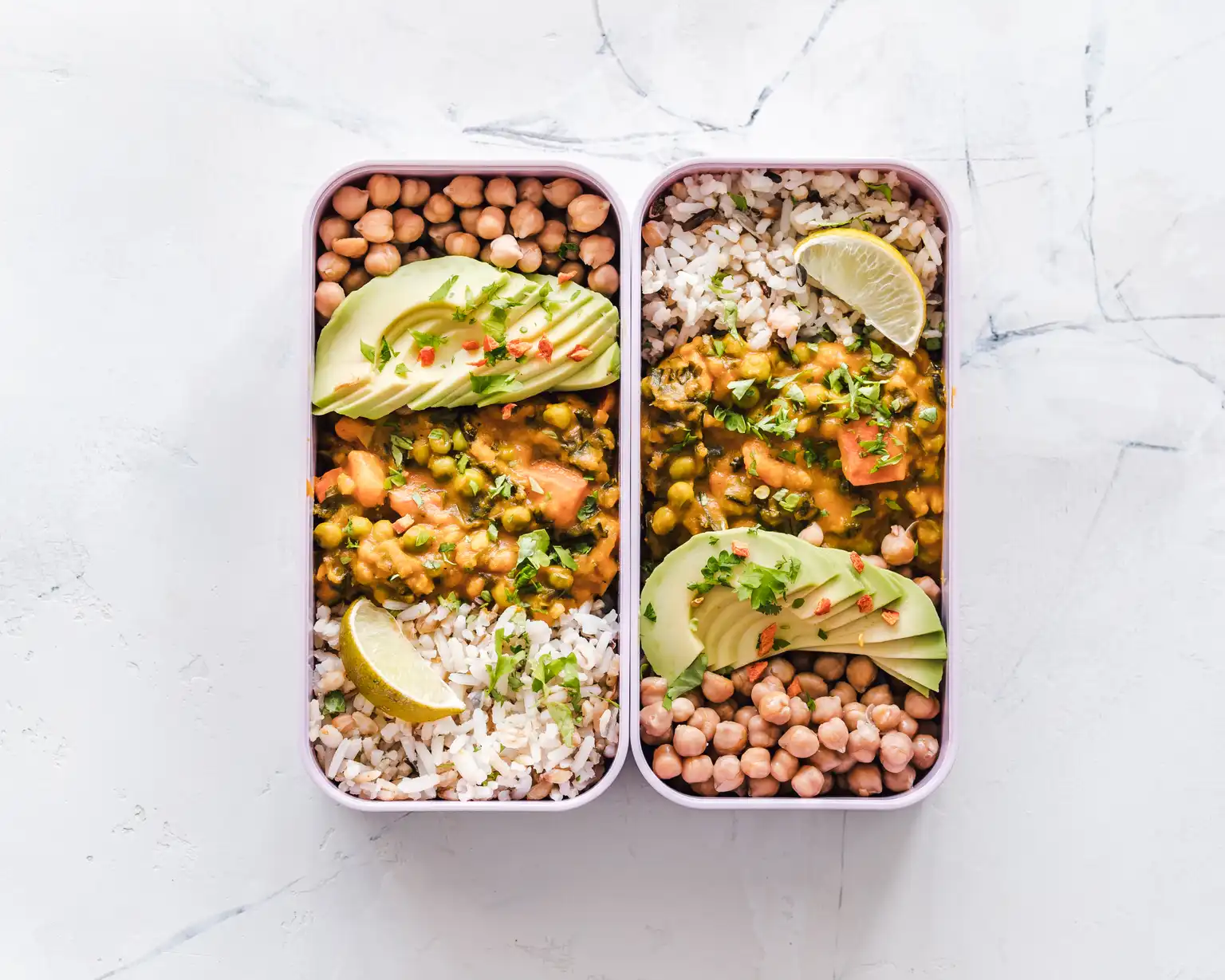
Rectangular meal prep containers usually work best because they waste less shelf space than round tubs and stack more cleanly. Round tubs are acceptable for some soups or mixed dishes, but they leave awkward gaps and make crowded fridges harder to pack. Flat lids matter because they reduce shelf-height waste.
Rectangular meal prep containers versus round tubs
Rectangular containers are the better default shape for Ramadan because they line up on shelves and fit beside trays, yogurt tubs, and bottles without leaving as many gaps. Round tubs can be fine for single dishes, but they usually reduce fridge utilization when the fridge is already full after groceries and iftar prep.
For most homes, the shape decision is less about style and more about how many containers can sit beside each other without tipping. Rectangles win that test more often.
Flat lids and shelf-height efficiency
Flat lids are not a bonus feature. They are a packing feature. In a crowded fridge, a flat lid lets another container sit above it with less wasted height, which matters when suhoor items, sauces, and leftovers all need space at once.
High-domed lids can be useful for tall portions, but they are a poor match for narrow shelves. The wrong lid shape can waste more space than the container volume itself.
When soup and deep containers make more sense
Soup and deep containers matter when the meal is brothy or when leftovers are liquid-heavy. A deeper profile, roughly 1.0 L to 2.0 L, is a better fit for lentils, stew, and soup than a shallow meal-prep box. They keep spills down and reduce the need for an extra bowl at reheating time.
What sizes do you actually need for suhoor and iftar?
The useful Ramadan range starts around 700 ml and goes up to 2 liters. Smaller containers handle dates, sauces, and snacks, while medium and larger containers are better for rice, curry, soup, and family leftovers. The best setup is usually mixed, not one universal size.
Small jars for dates, sauces, and snacks
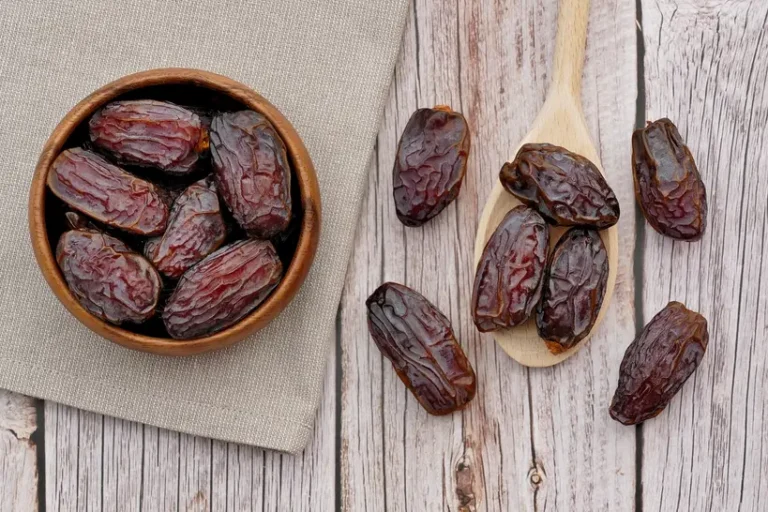
Small jars are ideal for dates and snack portions because they stop loose items from disappearing in larger tubs. DecorGuider says dates and snacks fit roughly 250 ml to 500 ml containers, and sauces fit roughly 200 ml to 400 ml containers. Mason jars can work well here, especially for quick grab-and-go storage.
DecorGuider lists Ball Regular Mouth Pint Glass Mason Jars as an option priced at $17.99. Small jars are best when you want tidy portions and fewer half-used sauce cups in the fridge.
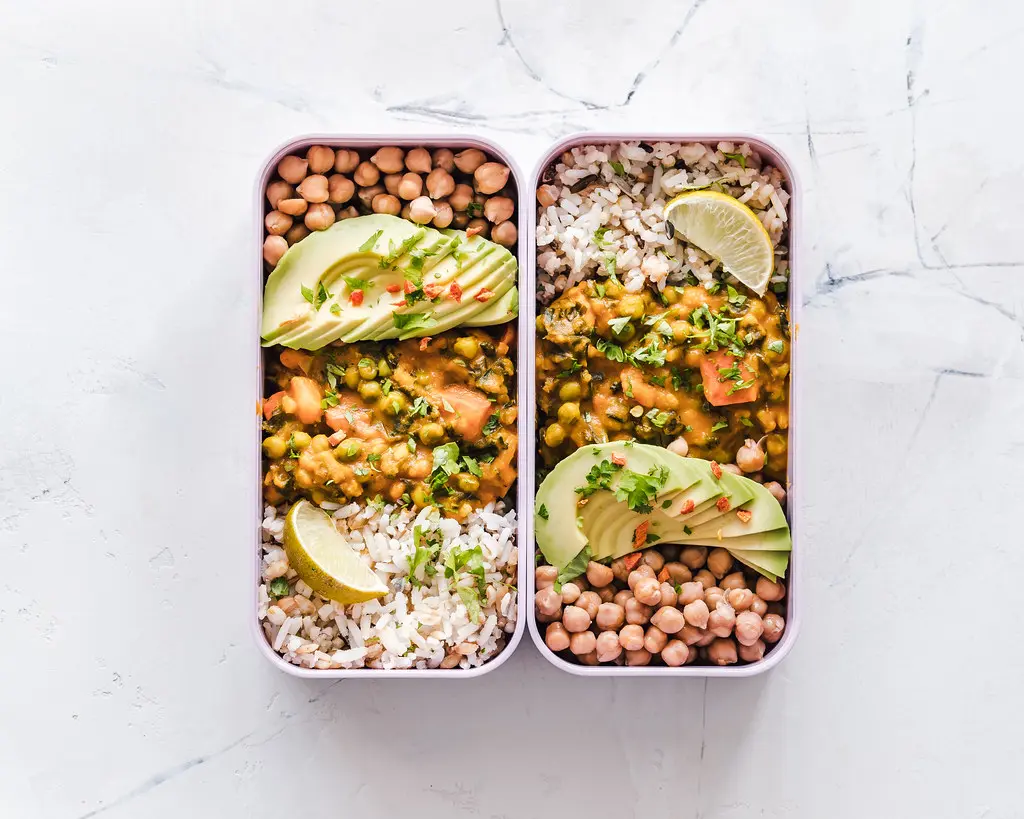
Medium containers for rice, curry, and leftovers
Medium containers do most of the work in Ramadan. Rice typically fits 700 ml to 1.4 L containers, and that range also handles many curry portions and mixed leftovers. For curry-heavy meals, glass has a clear edge because it is easier to reheat and less likely to keep orange stains or smells.
Family leftovers often need 1.4 L to 2.0 L containers. That is the size range that stops food from being split across too many boxes.
Soup and deep containers for brothy dishes
Soup often needs 1.0 L to 2.0 L containers, especially when the family portion is meant to survive until suhoor or the next day. Deep containers are better than flat ones because they hold liquid without forcing the lid into contact with the food. That lowers spill risk and keeps the fridge cleaner.
A mixed container system versus one universal size
A mixed container system works better than one universal size because Ramadan storage has different jobs. Suhoor prep needs smaller portions and quick access. Iftar leftovers need medium to large boxes. Snacks, dates, and sauces need small containers that do not waste shelf space.
Trying to force every dish into one size usually creates either wasted air space or overfilled containers. Both are clumsy in a crowded fridge.
Are meal prep containers good for batch cooking and freezing?
Yes, meal prep containers are useful for batch cooking and freezing when they are actually labeled microwave-safe, dishwasher-safe, and freezer-safe. Those claims matter because Ramadan prep often moves from freezer to fridge to microwave in a short cycle. The wrong lid or brittle plastic fails in that routine.
Microwave-safe, dishwasher-safe, and freezer-safe claims that matter
Microwave-safe containers reduce reheating friction, which matters when iftar timing is tight. Dishwasher-safe containers matter because repeated cleanup is the part most likely to wear people down. Freezer-safe containers help when dishes are batch cooked ahead of the week, then thawed in smaller portions as needed.
These claims are not interchangeable. A container can be fine for storage and still perform badly after repeated heat cycles.
When prep containers save time across the week
They save the most time when the household repeats the same meals in cycles. Batch-cooked rice, curry, and soup can be portioned once, then pulled out in order instead of being repacked every night. That reduces nightly fridge turnover and cuts the chance of opening three boxes before finding the right meal.
How to avoid lid fatigue, warping, and odor retention
Lid fatigue shows up when lids stop sealing tightly after repeated opening, washing, and storage under pressure. Warping is more likely with cheaper plastic after heat exposure, and odor retention can make containers unpleasant even when they are clean. Glass avoids most of those problems, though it brings break risk instead.
Flat lids should close firmly without a loose edge. If a lid starts to pop up, that container is no longer dependable for liquids or saucy dishes.
Ramadan container decision matrix by household size
Use the household size, food type, reheating method, and shelf height together. A container is worth buying when it fits the food, fits the shelf, and saves repacking time. The matrix below turns those conditions into a practical buying rule for single adults, couples, and families of 4-6.
| Household size | Container size | Food type | Reheating method | Fridge shelf height | Worth buying? |
|---|---|---|---|---|---|
| Single adult | 250 ml to 500 ml | Dates, sauces, snacks | No reheating or brief microwave use | Low to medium shelves | Yes, if you want cleaner portion control |
| Single adult | 700 ml to 1.0 L | Rice, curry, leftovers | Microwave-safe preferred | Medium shelves | Yes, especially for nightly iftar prep |
| Couple | 1.0 L to 1.4 L | Shared rice and curry | Microwave-safe | Medium shelves | Yes, if meals are cooked most nights |
| Couple | 200 ml to 400 ml | Sauces, condiments | No or light reheating | Any shelf | Yes, if sauces get used daily |
| Family of 4-6 | 1.4 L to 2.0 L | Leftovers, soup, family curry | Microwave-safe, dishwasher-safe | Tall shelves needed | Yes, for most households |
| Family of 4-6 | 250 ml to 500 ml | Dates, snacks, sauces | No or light reheating | Low shelves or door bins | Yes, for better sorting and less waste |
Single adults: what is worth buying
Single adults usually need a smaller mixed set with one or two medium boxes, a few small jars, and one deep container if soup is common. The container should fit a narrow shelf and not force a full fridge rearrange just to store one meal. Space efficiency matters more than volume.
Couples: what is worth buying
Couples do best with medium containers, a few sauce jars, and at least one larger box for leftovers. A 12- to 18-piece set usually covers this pattern well, especially when one partner packs suhoor while the other handles iftar. That size range reduces the need to wash containers mid-week.
Families of 4-6: what is worth buying
Families of 4-6 need more large containers and more duplicates of the sizes used every day. DecorGuider recommends a 12- to 18-piece set for most Ramadan homes, but larger families often benefit from the upper end of that range because one or two leftovers boxes disappear fast. Bulk sets also make more sense when lunchbox-style repacking happens daily.
Choose glass food storage containers if… / Choose BPA-free polypropylene containers if…
Choose glass food storage containers if you reheat curry, rice, and leftovers often, want better stain control, and can accept the extra weight and break risk. Choose BPA-free polypropylene containers if you want lighter bulk sets, lower upfront cost, and short-term fridge use. Skip a large set if you rarely cook at home or your fridge shelves are too shallow.
Choose glass food storage containers if you reheat curry, rice, and leftovers often
Glass is the stronger pick when microwave reheating is part of the daily Ramadan routine. It is also the safer choice for dishes that leave odor or stain marks, such as spiced rice and curry. If the household values durability across repeated heat cycles, glass earns its place faster.
Choose BPA-free polypropylene containers if you want lighter bulk sets and short-term fridge use
Plastic works when the priority is volume, weight, and price. It is easier to lift, easier to shuffle, and more forgiving in a busy kitchen. For short-term fridge storage or households that rotate food quickly, BPA-free polypropylene can be the practical answer, especially in larger mixed sets.
When to skip meal prep containers altogether
Skip a full container set if the fridge is already too shallow, the household cooks very little during Ramadan, or most food is eaten fresh the same night. Containers are useful only when they reduce repacking and stop items from being buried. If they create a second layer of clutter, they are not solving the real problem.
Frequently asked questions
Are Ramadan meal prep containers worth it for batch cooking?
Yes, if batch cooking is part of the plan. Containers save time when rice, curry, and soup are portioned once and used across the week. They also help with fridge order, which matters when multiple suhoor and iftar dishes compete for space after groceries are put away.
What size containers do I need for suhoor and iftar prep?
For suhoor, small containers around 250 ml to 500 ml are useful for dates, snacks, and sauces. For iftar, medium and larger containers matter more, especially the 700 ml to 2.0 L range. That range suits rice, curry, soup, and leftovers without forcing food into awkward portions.
Is glass or plastic better for Ramadan meal prep containers?
Glass is better for reheating and stain control, while BPA-free polypropylene is better when weight and price matter more. If curry and rice are reheated often, glass usually performs better. If the main need is a lighter bulk set for short-term fridge use, plastic is often the better compromise.
How many containers should a family of four buy for Ramadan?
A family of four usually does well with a 12- to 18-piece set, especially if the set includes small, medium, and larger sizes. That range helps cover suhoor portions, iftar leftovers, and snack storage without relying on one box for every job. More pieces are useful if lunches are packed too.
Will meal prep containers help reduce Ramadan food waste?
Yes, when they separate foods by portion and keep leftovers visible. Waste often happens when dishes get buried under new trays or sauces leak into other items. Clear, stackable containers reduce that mess and make it more likely that yesterday’s food gets eaten before it spoils.
Do stackable containers actually save space in a Ramadan fridge?
Yes, but only when the lids are flat and the shapes are rectangular. Stackable containers save space by using vertical height more efficiently and reducing awkward gaps on shelves. If the lids are domed or the containers are too tall for the shelf, the space gain disappears fast.
Products related to this article
Sponsored / affiliate links. As an Amazon Associate I earn from qualifying purchases. I may earn additional commission from eligible campaigns.