The Ramadan Pantry Planner review: is it worth buying?
The Ramadan Pantry Planner is worth buying if you want one Ramadan system for worship, meal prep, household tasks, and Eid prep; if you only need a simple checklist, free printables are enough. Poor planning costs time, repeat grocery runs, missed goals, and a home that feels reactive all month. This review compares the planner with free printables and other tools, and shows who will use it well.
This guide is part of our Ramadan recipes and meal ideas series.
Verdict

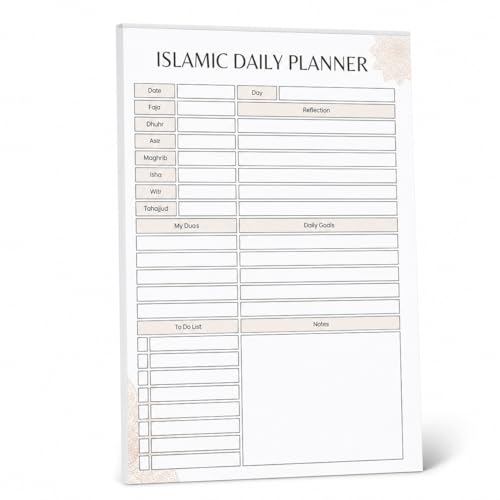
From the structure and the 99 questions claim, the main value is cutting friction. I see it matter most when Ramadan has many moving parts: suhoor timing, iftar cooking, Quran targets, prayer, charity, and family logistics. If those parts are already handled elsewhere, the planner can become extra paper.
Pros and cons
- Pros: one place for worship, meals, and household planning
- Pros: 30-day framing matches the month well
- Pros: timeblocking and built-in tracking reduce daily setup
- Cons: may feel busy for users who only want a short checklist
- Cons: many prompts can go unused in smaller households
- Cons: free printable guides can cover basics at zero cost
Who it’s for
This fits a Muslim household that wants one Ramadan operating system, especially parents, hosts, and busy workers who need meals and worship on the same page. It is less useful for a solo user who only wants prayer boxes, or for anyone already keeping Ramadan in a phone calendar and kitchen notes.
According to Ramadan Planner — The planner promises a 10-minute system.
Specs at a glance
| Item | What the planner offers | Practical note |
|---|---|---|
| Format | Physical and digital versions | Useful if you want paper on the counter or a file on a device |
| Bundle | Ramadan bundle option | Best if you want related pieces in one purchase |
| Shipping cues | Free US shipping over $75; free UK shipping over £55 | Can matter if you are adding items to reach the threshold |
| Core structure | 30-day system with daily priorities | Matches the length of Ramadan better than open-ended journals |
| Planning style | Timeblocking and built-in tracking | Helps reduce repeated decisions during the day |
| Focus | Shows exactly what to focus on | Best for people who feel scattered in Ramadan |
| Question count | 99 questions answered inside it | Suggests broad coverage, though not every prompt will matter to every user |
| Planning model | Daily, weekly, monthly, and final stretch planning | Four layers make sense for a month with changing energy and cooking load |

Who it is for
The best fit is a user who wants worship planning and household planning in one place without building a system from scratch. It also suits people who like paper prompts because they keep priorities visible, especially when fasting makes attention shorter and routines easier to miss.
It is less suited to users who already have a tight digital system, or to those who only need a prayer tracker. The planner’s broader scope is a benefit only if you will actually use the meal, charity, and Eid sections. Otherwise, the extra pages turn into clean margins and unused prompts.
Solo user
A solo user may use the prayer, Quran, and daily priorities pages most. Meal sections may be lighter, especially if suhoor and iftar are simple. Household coordination pages can feel oversized unless the person is also handling shopping, cleanup, or sharing meals with others.
Family household
A family household gets more value because Ramadan often means more shopping, more dishes, and more moving parts. The planner’s meal rotation and Eid lists are useful when several people need the same schedule. The weakest area is duplication if another adult already keeps a family calendar.
First-time planner
A first-time planner benefits from the guided structure. The 30-day framing, the focus prompts, and the built-in tracking lower setup time. The risk is overload. If the household is new to planning, too many sections can make the first week feel like homework.
Meal-heavy host
A meal-heavy host will get the most practical use from suhoor and iftar planning, shopping categories, storage notes, and cleanup cues. The planner is most helpful when food decisions are the main source of friction. It is less useful if hosting is already done with a separate catering or kitchen system.
Limited-budget buyer
A limited-budget buyer should compare the planner with free printables carefully. If the main need is a checklist, printable templates can handle it. If the buyer wants one place for worship, meals, and Eid prep, the planner can still be worth it, but only if it will be used across the full month.
What works

The planner works best as a day-by-day control panel. The 10-minute system is appealing because it keeps setup short, and the timeblocking approach helps protect priorities rather than fill every hour. That matters in Ramadan, when energy shifts between suhoor, work, prayer, and evening meals.
Daily priorities and timeblocking
Daily priorities are the main reason to buy this kind of planner. A short list of must-do items is easier to use than a long page of open prompts. Timeblocking turns intention into a day: suhoor prep, prayer windows, Quran reading, work blocks, and iftar prep can all sit in one schedule.
- Set the day’s worship target first.
- Reserve suhoor, iftar prep, and cleanup windows.
- Place Quran, prayer, and charity tasks around those anchors.
- Leave one buffer block for family changes or fatigue.
- Review the day before bed and adjust tomorrow’s plan.
Quran reading tracker and flexible targets
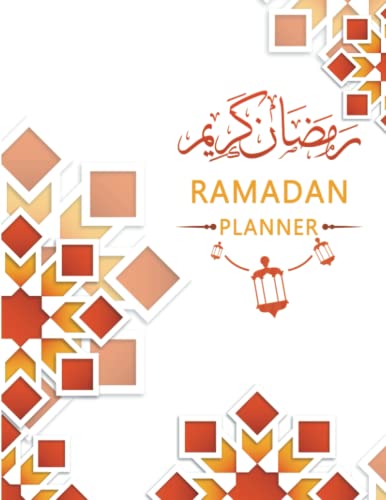
The Quran reading tracker should work well for people who measure in pages or minutes, not only in fixed goals. That flexibility matters because some days allow longer reading and some days do not. A good planner also leaves room for memorization review and a weekly insight or action, which keeps reading from becoming a box-tick.
This is where the 99 questions claim matters. A large set of prompts helps only if it maps to real use: pages, minutes, review, and follow-through. If a page asks for a target but not a backup plan, it will not help on nights when work runs late or children are awake.
Prayer, dhikr, and consistency prompts
Prayer and consistency prompts are the planner’s core value. The planner is meant to improve consistency and focus, and the built-in tracking backs that aim. For users who want a visible record of progress, that structure can make it easier to keep returning to the same habits.
Charity and service planning
Charity planning matters because Ramadan often includes regular giving, support for a local initiative, and volunteering. A planner is useful when it turns charity into an actual calendar item instead of a vague intention. Budget-conscious users benefit when the planner makes small, steady contributions easier to schedule.
Does it help with meals and household planning?
Yes, but only if the meal pages are used as working pages, not decoration. The planner helps most when it turns suhoor, iftar, shopping, storage, and cleanup into repeatable decisions. That is where a Ramadan operating system beats a devotional journal.
Suhoor planning and prep cues
Suhoor is the predawn meal, and the planner should help reduce morning scramble. Good use here means a short list of meal options, a prep note, and a tracker field for energy or preparation. That is useful because suhoor failures are often about speed, not food quality.
For households, the best suhoor pages are simple: one or two rotating options, a backup meal, and a note for what can be made ahead. If the planner only asks for inspiration and not action, it will not help much at 4 a.m.
Iftar rotation, backup meals, and shopping categories
Iftar is the nightly fast-breaking meal, and this is where the planner can earn its keep. Meal rotation planning saves decision time, especially for family households and hosts. The shopping categories are especially practical when grouped by pantry, fresh food, freezer, drinks, and household supplies, which reduces repeat store trips.
Storage matters too. A useful planner reminds the user which foods need freezer space, which dishes can sit overnight, and which ingredients will create cleanup pain later. Backup meals matter on tired nights. A simple soup or freezer item can prevent a last-minute takeout decision.
Storage, cleanup, and host planning
Host planning is often ignored in Ramadan tools, but it is one of the biggest friction points. A planner helps when it includes notes for dishware, serving time, leftovers, and cleanup tasks. Without those notes, the same person ends up cooking, serving, and packing away food with no break.
Household coordination for couples and parents
Couples and parents need division of labor more than motivation. The planner helps when one person handles shopping, another handles prep, and someone tracks prayer or Quran goals. It loses value when both adults duplicate the same list in two places and still miss the same tasks.
What does not work as well?
The biggest risk is planner overwhelm. When a Ramadan tool contains too many prompts, the user may use it for three days and then stop. That is the main failure mode to watch for, especially in homes that already rely on phone reminders, shared calendars, and sticky notes.
Planner overwhelm and abandoned pages
Unused pages are common when a planner tries to cover every possible need. A solo user may skip host planning, while a meal-heavy host may skip deep reflection prompts. Once the pages stop matching the household, the planner starts to feel like leftover paper instead of a system.
Where it feels repetitive or too broad
Some sections will repeat the same idea in different forms: priorities, goals, reflections, and weekly reviews can overlap. That is fine for users who like structure, but it can feel broad for users who already know what they need. A tight printable can be easier to keep up with.
Features that many users will not touch
Not every household will use every feature. A single user may ignore household coordination, while a busy parent may ignore longer reflection prompts. That is not a flaw by itself, but it does mean buyers should judge the planner by the sections they will actually use, not the sections that sound complete.
When a phone app or plain printable is enough
If the need is only a prayer tracker or a basic daily checklist, a phone app or free printable guide may be enough. That option is lighter, cheaper, and easier to abandon if plans change. The planner only wins when the user wants one printed system with meal and worship planning together.
What is included in the Ramadan Planner?
The planner includes a physical Ramadan planner, a digital Ramadan planner, and a bundle option. It also uses a 30-day structure built around daily priorities, prayer and Quran tracking, and consistency prompts. The main value is not volume; it is reducing the number of separate tools a household needs during the month.
Physical versus digital versions
The physical version is better for people who want the plan visible on a desk or kitchen counter. The digital version fits users who prefer to type, copy, or reuse pages without carrying paper. Choice here depends less on devotion and more on where the plan will actually get used.
Physical planning beats digital when the planner needs to stay near the fridge, the meal list, or the family table. Digital is the better call when the user already lives in a phone-based task system and wants Ramadan planning to sit beside work and family calendars.
Bundle option and shipping threshold cues
The brand also sells a Ramadan bundle, and the site advertises free US shipping over $75 and free UK shipping over £55. Those cues matter mostly for buyers who are adding related items. If the planner is the only purchase, shipping thresholds may change the value calculation.
What the 30-day structure actually contains
The 30-day structure is the strongest fit for Ramadan because it matches the month instead of stretching into an open journal. It includes daily, weekly, monthly, and final stretch planning, which can help users shift from setup to maintenance to end-of-month focus without changing tools.
Which planner format fits your setup?
The best format depends on household size, how much cooking happens, and whether the user prefers paper or screens. The planner is most useful when it reduces duplicate planning. If it creates another list that has to be copied elsewhere, the value drops quickly.
| Setup | Sections actually used | Sections likely ignored | Best format |
|---|---|---|---|
| Solo user | Daily priorities, prayer, Quran tracker, simple meal notes | Family coordination, host planning, large shopping lists | Digital if the person already plans on a phone; physical if a paper reminder helps |
| Family household | Meal rotation, shopping categories, cleanup, shared worship goals | Some reflection pages, detailed solo goal sections | Physical for shared visibility at home |
| First-time planner | Daily priorities, weekly review, basic trackers | Advanced charity planning, long reflection prompts | Physical for easier habit-building |
| Meal-heavy host | Iftar rotation, backup meals, pantry and freezer lists, storage notes | Some devotional prompts if the schedule is kitchen-heavy | Physical near the kitchen |
| Limited-budget buyer | Core tracking pages and Eid checklist | Extra prompts and duplicate planning pages | Free printable unless all-in-one planning is needed |
What should I look for in a Ramadan planner review?
Look for proof that the planner matches real Ramadan behavior, not just good intentions. A useful review should explain how it handles suhoor, iftar, Quran goals, charity, Eid prep, and household logistics. It should also say which pages get used and which are likely to sit blank.
The best review should answer whether the planner reduces friction or creates more work. It should compare physical versus digital use, note any shipping or bundle cues, and say plainly when a free printable is enough. If those points are missing, the review is probably selling mood rather than usefulness.
What is the best Ramadan planner for staying consistent?
The best Ramadan planner for staying consistent is the one that keeps the daily list short, the goals visible, and the next action obvious. A 30-day system with built-in tracking is better than a pretty notebook that asks for too much writing. Consistency comes from low friction, not from more pages.
For many users, the better choice is the planner that protects priorities rather than filling every hour. That matters for prayer, Quran, and family life. A planner that tries to track everything can create guilt instead of momentum when the day slips off schedule.
How do I choose between a Ramadan planner and printable guides?
Choose the planner if you want worship planning and household planning in one system, and choose printable guides if you only need the basics. Printable guides are ideal for users who already know what they will cook, when they will pray, and how they will track Quran progress.
The value question is simple. If the planner replaces several separate sheets, it may be worth the purchase. If it only duplicates a checklist you already have, free printables are the better buy. The cost-per-day case is strongest when the planner gets used across the full 30 days.
Is there a Ramadan planner that supports both worship and household planning?
Yes, and that is the strongest argument for this planner. It is built to cover prayer, Quran, charity, meals, shopping, and Eid prep in one place. That breadth makes sense for households that need one plan for both spiritual goals and domestic work.
The tradeoff is clutter. The more a planner tries to cover, the more likely some sections will go unused. The right buyer is the one who will use the worship prompts and the household pages together, not someone who only wants one side of Ramadan planning.
Does the Ramadan Planner help with meal planning?
Yes, it helps most when meals are a real source of stress. Suhoor planning, iftar rotation, shopping categories, storage notes, and cleanup tasks are all practical. It is especially useful for hosts and families who need to think about backup meals, freezer use, and how many dishes the kitchen can absorb.
It helps less when the household eats simply and repeats the same foods. In that case, a shorter checklist or meal note may be enough. The planner earns its place when meal prep otherwise causes repeat store runs, wasted food, or last-minute decisions during a fasting month.
Is the Ramadan Planner physical or digital?
It is both. The product offers a physical Ramadan planner and a digital Ramadan planner, which makes it easier to match the tool to the household. Physical is better for visible daily use, while digital suits people who want portability and faster edits.
That choice matters more than it sounds. A planner only works if it stays close to the decisions it supports. If the meal plan lives in the kitchen, paper wins. If the rest of the household is managed on a device, digital may be simpler.
How many questions does the Ramadan Planner answer?
The guide includes 99 questions answered inside it. That sounds comprehensive, and in practice it means the planner tries to cover common Ramadan decisions rather than only one narrow use case. The real test is whether those questions map to daily needs like meals, worship, charity, and Eid prep.
If the questions are too broad, some will feel decorative. If they are focused on actual daily choices, they can save time. The best way to judge that is to ask whether the questions help with prayer, Quran, shopping, and family logistics, not just reflection.
Frequently asked questions
Is the Ramadan Planner worth it?
It is worth it for users who want one system for worship, meals, charity, and Eid prep. It is not worth it if all you need is a simple checklist. The main value is less mental clutter and fewer separate planning tools during Ramadan.
What does the Ramadan Planner include?
It includes physical and digital versions, a bundle option, and a 30-day structure. The planner centers on daily priorities, timeblocking, tracking, and planning layers that cover daily, weekly, monthly, and final stretch needs. The 99 questions add breadth, though not every user will need all of them.
How do I choose between a Ramadan planner and printable guides?
Choose the planner if you want worship and household planning together in one place. Choose printable guides if you only need a basic checklist or a prayer tracker. Free printables usually win on price; the planner wins when it replaces several separate pages and gets used every day.
Does the Ramadan Planner help with meal planning?
Yes, especially for suhoor, iftar rotation, shopping categories, and cleanup. It is most useful for families and hosts who need to think ahead about backup meals, storage, and leftovers. If your meals are simple and repetitive, a shorter food list may be enough.
Is there a Ramadan planner that supports both worship and household planning?
Yes. This planner is built around both. It tracks worship, Quran, and charity while also giving room for meals, shopping, household tasks, and Eid prep. The tradeoff is that some sections will be unused in lighter households, so fit matters.
What should I look for in a Ramadan planner review?
Look for a clear judgment on fit, not just praise. A good review should explain who will actually use the pages, how it handles meals and worship, and whether the planner beats free printables for the buyer’s budget and schedule. It should also mention likely failure points, including abandoned pages.
Products related to this article
Sponsored / affiliate links. As an Amazon Associate I earn from qualifying purchases. I may earn additional commission from eligible campaigns.