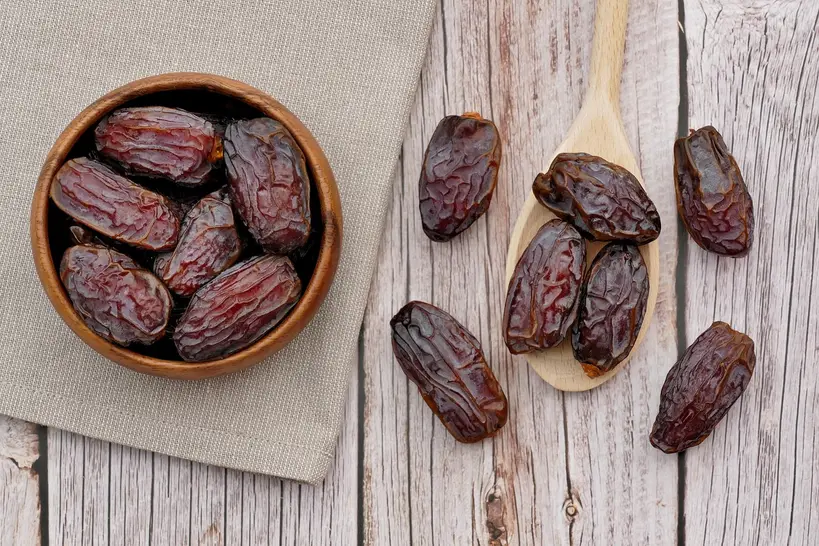
Dates vs Medjool Dates
Choose regular dates for everyday iftar platters, suhoor cooking, and baking when you want lower cost and easier chopping; choose Medjool Dates when you want bigger, softer fruit for stuffing, gifting, or a dessert-style snack. Picking the wrong type can leave you with dates that are too dry, too sweet, or too expensive for the job. This guide compares Dates vs Medjool Dates for iftar snacks, suhoor meals, baking, gifting, and pregnancy-related snacking, with a simple choose-this-not-that matrix.
| Decision factor | Dates | Medjool Dates | Winner |
|---|---|---|---|
| Everyday Ramadan value | Usually cheaper, especially in bulk | Usually pricier per pound | Dates |
| Baking and chopping | Firmer, easier to chop, better structure in batters and fillings | Soft and sticky, better for paste and moist fillings than neat chopping | Dates |
| Snacking and stuffing | Smaller and less plush for stuffing | Larger, softer, with a caramel flavor, ideal for stuffing and dessert-style snacking | Medjool Dates |
| Gift presentation | Practical, but less showy | Plumper and more premium-looking in gift boxes | Medjool Dates |
What actually sets Medjool dates apart
The core difference is simple: Dates are the broader category, and Medjool Dates are one variety within it. Medjool dates are generally larger, softer, stickier, and more caramel-like than many regular dates. That difference changes how they eat, bake, and gift.
For Ramadan shopping, that matters more than the label on the bag. A tray of dates for breaking the fast, a pan of date bars, and a box meant for guests do not need the same fruit.
Why the confusion happens
Many shoppers use “dates” to mean the common supermarket type, which is often Deglet Noor. Medjool is then treated like a separate product, even though it is still a date from the date palm, Phoenix dactylifera. That is why some comparisons sound like fruit versus fruit when they are really variety versus variety.
WebMD notes that the two most common U.S. date types are Deglet Noor and Medjool, and supermarket dates peak during Ramadan month. That is the buying window where the difference becomes obvious in price, size, and texture.
Which date should you buy for Ramadan?
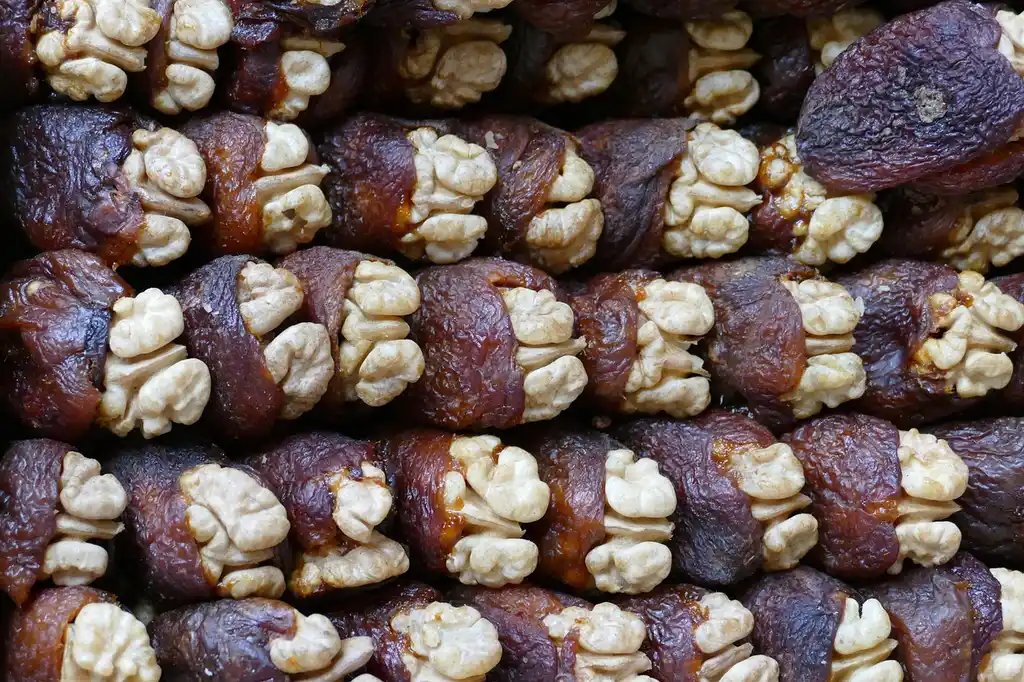
Use the job, not the label, to choose. Dates usually win for bakery work, chopped recipes, and budget-conscious Ramadan pantry planning, while Medjool Dates win for stuffing, snack plates, and gifting. If you want one box that does everything, regular dates are the safer default.
| Use case | Best variety | Sweetness | Texture | Approximate yield | Price sensitivity | Pregnancy-friendly note |
|---|---|---|---|---|---|---|
| Iftar snack plate | Medjool Dates | Higher | Soft, sticky | Fewer pieces needed per person | Lower sensitivity if serving a few guests | Pitted dates are easier to eat |
| Suhoor cooking | Dates | Moderate | Firmer, less cloying | Better chopped yield in oats, porridge, and bars | High sensitivity for bulk shopping | Pitted dates reduce prep time |
| Baking | Dates | Moderate | More structure | More even distribution in batter | High sensitivity for larger batches | Choose pitted dates for easier handling |
| Gifting | Medjool Dates | Higher | Plump and premium-looking | Fewer dates can still feel generous | Lower sensitivity if presentation matters | Pitted boxes are easier for shared snacking |
Suppose you need 20 date bars for a family iftar and a pan of sticky date cake for the next evening. Regular dates are the better base because they chop cleanly and stretch farther in the mix. Medjool Dates would make the filling softer and fuller, but they also raise the cost of the batch.
How to read sweetness, texture, yield, and price
Sweetness is not the only variable. Medjool Dates are often chosen because one piece feels like a full snack, while regular dates are easier to portion into recipes without taking over the flavor. That is why the better buy depends on whether you want a bite, a filling, or a sweetener.
Price per pound matters most when you are buying for Ramadan trays, school lunches, and repeated baking. Bulk buying can narrow the gap, but Medjool Dates still usually cost more than regular dates, so the premium makes more sense when appearance and softness matter.
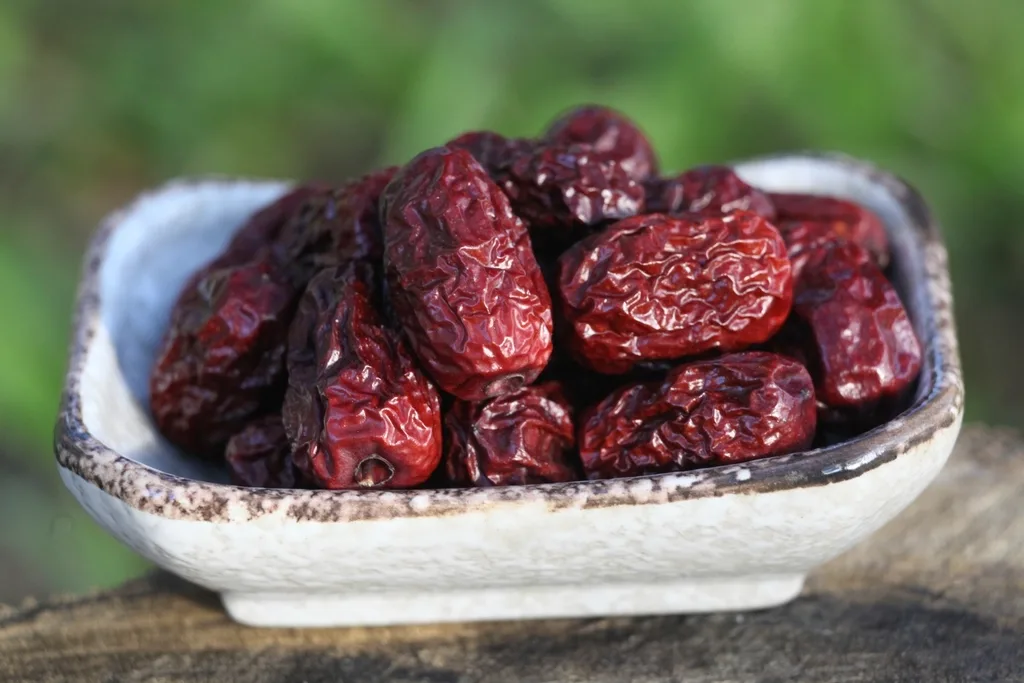
Are dates and medjool dates the same?
No. Dates are the fruit category from the date palm, Phoenix dactylifera, and Medjool Dates are one specific variety within that category. If you buy Medjool, you are still buying dates; you are just choosing a larger, softer, more caramel-like kind.
That distinction helps at the shelf. A shopper looking for the “regular” date often wants the common supermarket baseline, not a premium box. The same source lists Deglet Noor and Medjool as the two most common U.S. date types, which is why those names come up so often in Ramadan shopping.
What the source plant changes
All of these fruits come from the same source plant, but the eating experience changes by variety. Medjool Dates are generally larger than Deglet Noor dates, and regular dates are often sold as the firmer, less sweet option for general use.
That means the practical difference is not species-level. It is kitchen-level: size, moisture, sweetness, and how the fruit behaves once you pit, chop, or stuff it.
Medjool dates vs regular dates
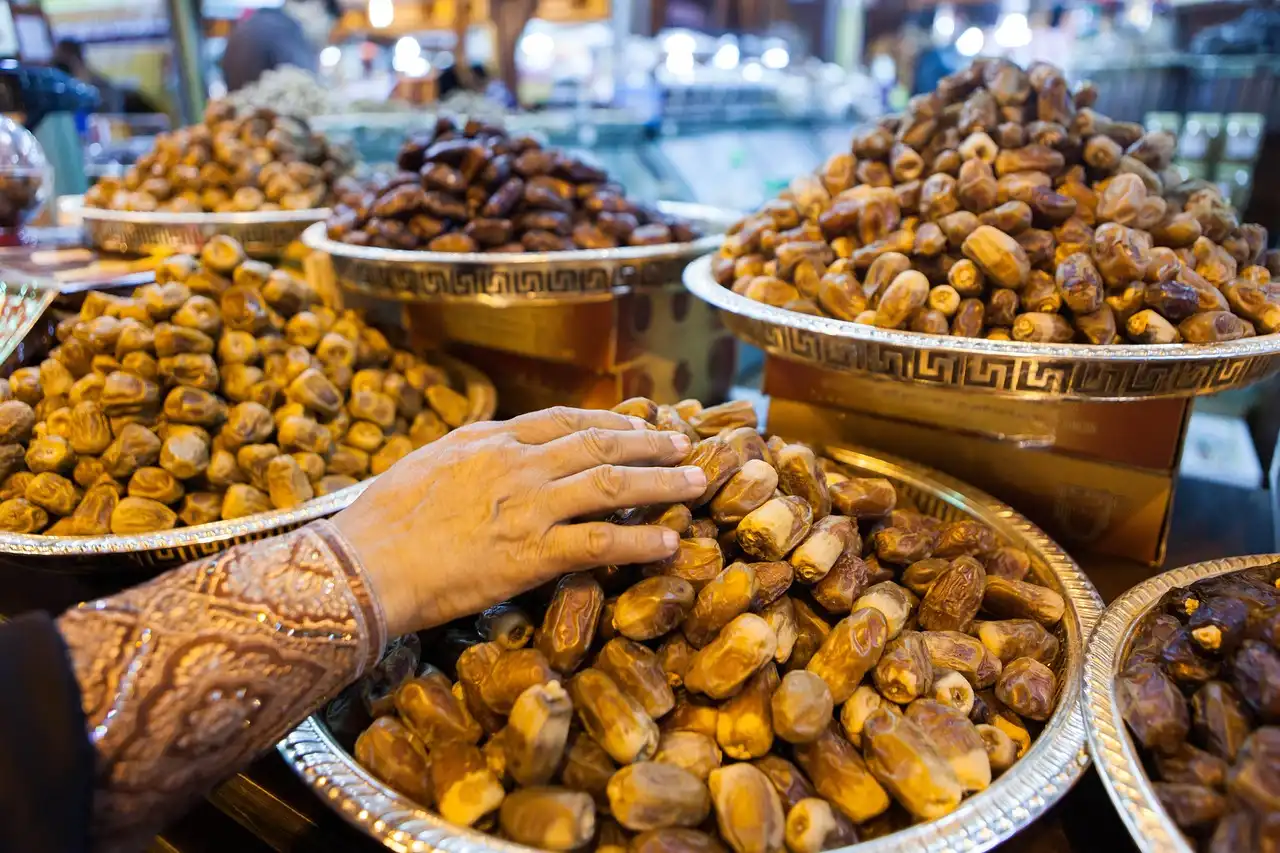
Medjool Dates are larger, darker, softer, and more caramel-like than regular supermarket dates. Regular dates are usually the better pick for baking, chopping, and value shopping, while Medjool Dates are better when you want a plush snack or a more luxurious presentation.
Nutrition comparisons depend on serving size, so the label matters. Just 2 Medjool dates, or 48 grams, provide 133 calories and 32 grams of sugar. The same source says one pitted Medjool date contains 66.5 calories and 1.6 grams of fiber, while Healthline lists 3.2 grams of fiber in 2 Medjool dates and says Medjool dates may have a glycemic index of 55.3.
Nutrition in practical terms
Fiber is one of the main reasons dates stay in the conversation for Ramadan meals. A source cited by WebMD gives 1.6 grams of fiber in one pitted Medjool date, and another source lists 3.2 grams in 2 Medjool dates. Potassium is also a major nutrient in both varieties, which is why they are often mentioned in discussions of energy and muscle function.
Medjool Dates are also noted for more calcium than some other varieties, but that is a smaller difference than texture or price. If blood sugar is a concern, portion size matters more than variety labels alone, and a cited glycemic index of 55.3 from one clinical trial should be treated as one data point, not a universal number for every batch.
Best uses in the kitchen
Regular dates fit chopped fillings, date sugar blends, and baked goods that need the fruit to disappear into the batter. Medjool Dates fit smoothies, stuffed snack plates, and date paste, where a soft texture is useful rather than a nuisance.
Medjool Days recommends regular dates for baking and Medjool Dates for snacking, smoothies, and desserts. That lines up with the way moisture changes the final texture.
Medjool dates vs Deglet Noor for baking
For baking, Deglet Noor is usually the safer choice because it is firmer and less sticky. Medjool Dates can work, but they push recipes toward a wetter, sweeter result and often need more chopping discipline or a smaller amount to keep structure intact.
Heal with Food notes that Medjool dates and regular pitted Deglet Noor dates both provide nearly 300 calories per 100 grams. So the baking choice is less about calorie difference and more about moisture, sweetness, and how much texture you want in the finished tray.
When to swap one for the other
Use Medjool Dates when a recipe calls for date paste, no-bake balls, or a filling that should stay soft. Use Deglet Noor when you want chopped pieces to hold their shape in muffins, bars, or a chopped topping.
A common first-timer mistake is to swap Medjool Dates 1:1 into a recipe built around firmer dates. The filling can turn heavy and overly sweet. If the recipe depends on dice or chunks, regular dates usually behave better.
Chopped dates, date sugar, and paste
Deglet Noor is often the better base for chopped dates and date sugar because it is less sticky. Medjool Dates are the easier route for paste, because their softness means less soaking and less grinding to get a smooth blend.
If you are making date syrup, stuffed truffles, or a blended filling for pastries, Medjool Dates can save time. If you are folding fruit into batter, regular dates usually give cleaner results.
Medjool dates, pitted dates, and pregnancy
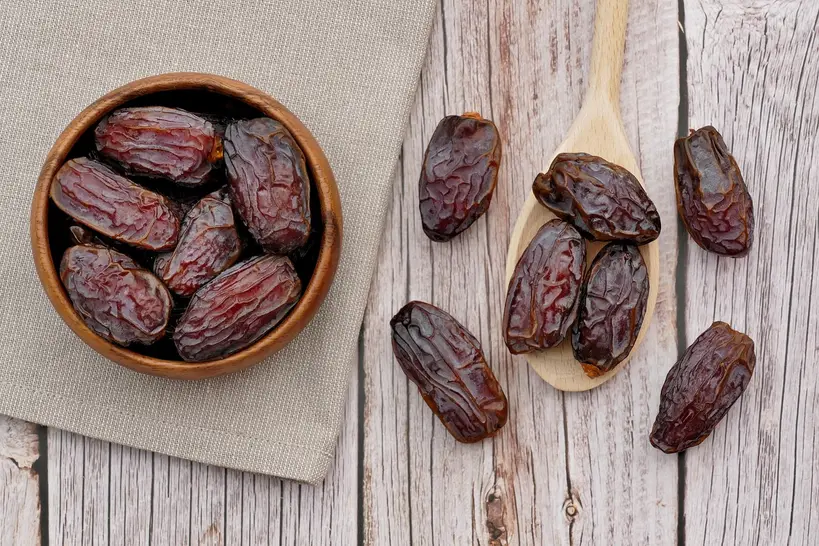
Pitted dates are easier to eat and prep, which is why they are often chosen for pregnancy snacking and quick kitchen use. They are not a separate variety, just dates with the pit removed. That said, no date variety should be treated as universally “pregnancy-safe” without considering portion size, blood sugar concerns, and personal dietary guidance.
People often search pregnancy questions because they want convenience, not a nutrition lecture. For that use case, pitted Medjool Dates are easier to chew and serve, while pitted regular dates are easier to chop into yogurt, oats, or a snack box.
Pitted versus unpitted
Unpitted dates require pit removal, which adds a small step before eating or cooking. Pitted dates reduce that work and are especially useful when you are preparing snacks for a group or packing food in advance.
Some Medjool Dates are sold pitted, but many arrive unpitted. The choice is about prep, not quality. A pitted fruit is simply faster to use.
Blood sugar moderation notes
If blood sugar is a concern, keep the portion modest and pair dates with protein or fat when appropriate. The cited Medjool figure of 55.3 for glycemic index comes from one clinical trial, so moderation is the useful takeaway, not a blanket claim that one variety is always better.
That matters in pregnancy too, where routine snacking can become frequent. A smaller, firmer date may be easier to portion; a larger Medjool Date may satisfy with one piece. The better pick is the one that fits the meal plan without turning into a sugar-heavy habit.
Choose Dates if… / Choose Medjool Dates if…
Choose Dates if you are buying for baking, chopping, bulk Ramadan shopping, or a lower-cost snack plate. Choose Medjool Dates if you want a larger fruit for stuffing, a softer bite for dessert-style snacking, or a gift box that looks premium without much extra effort.
- Choose Dates if you need better structure in muffins, bars, or chopped fillings.
- Choose Dates if you are feeding a crowd and want better value per pound.
- Choose Dates if you want easier chopping for suhoor prep.
- Choose Medjool Dates if you want a plush snack with a caramel-like flavor.
- Choose Medjool Dates if you plan to stuff them with nuts or cheese.
- Choose Medjool Dates if you are buying for gifting or a special Ramadan tray.
Picture a tray for iftar with ten guests and a bowl of almonds beside it. Medjool Dates make a stronger impression and need fewer pieces per person. Now picture a batch of oat bars for the week; regular dates are the more practical pick because they chop cleanly and distribute better.

- Ready for baking and cooking
- No added sugar
- Kosher certified
Frequently asked questions
What is the difference between dates and medjool dates?
The main differences are size, softness, sweetness, and price. Medjool Dates are usually larger, stickier, and more dessert-like, while regular dates are smaller, firmer, and better for chopping or baking. That is why regular dates often make more sense for everyday Ramadan cooking.
Dates vs medjool dates nutrition: which has more calories and sugar?
Per serving, Medjool Dates are the one with the cited calorie and sugar figures: 2 dates, or 48 grams, provide 133 calories and 32 grams of sugar. WebMD also lists one pitted Medjool date at 66.5 calories. For nutrition, serving size matters more than the label alone.
Are medjool dates better than other dates?
Not always. Medjool Dates are better when you want softness, a larger size, and a more luxurious snack. Regular dates are better when you need value, easier chopping, or a firmer texture for baking. “Better” depends on whether you are eating, baking, or gifting.
Medjool dates vs regular date: which is better for baking?
Regular dates are often better for baking because they are firmer and tend to hold structure more predictably in batter and fillings. Medjool Dates can work in soft bars or paste-heavy recipes, but they are usually too moist for recipes that need neat chunks or a drier crumb.
Pitted dates vs medjool dates: what is the difference?
Pitted dates are dates with the pit removed, so the term describes preparation, not variety. Medjool Dates are a specific type of date. You can have pitted Medjool Dates or pitted regular dates, and pitted fruit is generally easier to eat and use in recipes.
Ajwa dates vs medjool dates: which should I buy?
Buy Ajwa if your goal is a specific traditional variety for gifting or personal preference, and buy Medjool Dates if you want a larger, softer, more filling snack. Ajwa dates are often discussed more as a specialty choice, while Medjool is the larger, sweeter, more dessert-like option.
Deglet dates vs medjool dates for pregnancy: are they different?
Yes, mainly in texture and convenience. Deglet Noor is firmer and often easier to portion in snacks or recipes, while Medjool Dates are larger and softer. For pregnancy snacking, pitted dates are often the more practical choice because they reduce prep and make eating easier.
Medjool dates vs pitted dates for pregnancy: which is usually recommended?
Pitted dates are usually recommended for convenience, because they are easier to eat and prepare. If you prefer Medjool Dates, a pitted version can still work well. The more important point is to keep portions moderate and account for overall sugar intake, especially if that is already a concern.
Products related to this article
Sponsored / affiliate links. As an Amazon Associate I earn from qualifying purchases. I may earn additional commission from eligible campaigns.