Suhoor Meal Prep Problems and Fixes
Fix suhoor meal-prep problems by finding the failure first, then correcting one of four points: texture, timing, storage, or satiety. If you miss the cause, you often end up with soggy food, unsafe leftovers, or a meal that leaves you hungry before noon. This guide gives fast troubleshooting fixes, food-safety checks, hydration planning, and backup swaps so you do not have to start over.
What you’ll need


- Leakproof meal prep containers with tight-fitting lids
- Microwave-safe containers for reheating eggs, grains, soups, and beans
- Freezer bags for flat freezing and quick thawing
- A sheet pan for roasted vegetables, eggs, or chicken-style protein add-ins
- A rice cooker for brown rice, grains, and lentils
- An air fryer for crisp toppings or reheated proteins that dry out in the microwave
- Core foods: eggs, Greek yogurt, cottage cheese, beans, lentils, oats, whole grains, brown rice, and whole-wheat bread
- Flavor add-ons: spice blends, citrus, vinegar, salt, sauces kept separate, and fresh herbs
- Cold storage space that can hold containers flat and stacked
- A timer or phone alarm for the short prep window before Fajr
Suhoor troubleshooting matrix
| Symptom | Likely cause | Fix | Best prep format |
|---|---|---|---|
| Soggy oats | Too much liquid or fruit mixed in too early | Use 1 part oats to 1.5 parts liquid, keep toppings separate, and add fruit at eating time | No-cook |
| Bland bowls | Underseasoned base and no acid or fat balance | Add salt in the base, then finish with lemon, yogurt, tahini, olive oil, or herbs | Batch-cook |
| Watery yogurt | Fruit, cucumbers, or thawed berries released moisture | Drain add-ins, keep wet toppings in a side cup, or use Greek yogurt instead of thin yogurt | No-cook |
| Dry reheated eggs | Overheating or reheating without a moisture barrier | Heat in 20-second bursts, cover loosely, and add a spoon of yogurt or sauce after warming | Batch-cook |
| Freezer burn | Air in the bag or long freezer storage | Press air out, freeze flat, label with date, and use within about 1 to 3 months for best quality | Freezer prep |
| Container leaks | Loose lids, overfilled bowls, or thin sauces in the main compartment | Fill to below the lid line, test the seal with water, and pack sauces in separate cups | Any format |
| Food boredom | Same seasoning, same texture, same base all week | Rotate one grain, one protein, and one sauce each batch; swap herbs, spice blends, and toppings | Any format |
| Low satiety | Too little protein, fiber, or slow-digesting carbohydrate | Pair eggs, Greek yogurt, beans, lentils, or cottage cheese with oats, whole grains, brown rice, or whole-wheat bread | Any format |
| Spoilage from poor cooling | Hot food went into the fridge too slowly | Cool food in shallow containers, refrigerate promptly, and keep cooked food cold within 2 hours | Batch-cook |
| Soggy grains | Grains sat in sauce or were packed with wet vegetables | Store sauce separately and reheat grains with a tablespoon of water, then drain if needed | Batch-cook |
| Odor transfer | Thin plastic, loose seals, or strong foods stored together | Use airtight containers, double-bag pungent items, and keep curry, onion, and fish away from dairy bowls | Freezer prep |
| Uneven portions | Guessing instead of using a consistent container size | Use the same container volume for each meal and portion protein, grain, and vegetables before sealing | Any format |
| Icy thawed fruit | Fruit froze with excess surface moisture or thawed too slowly in the fridge | Pat fruit dry before freezing, freeze in a single layer, and add thawed fruit after draining any meltwater | Freezer prep |
| Rubbery rice | Too little liquid, too much reheating, or rice held hot too long | Cook with the correct water ratio, fluff after cooking, and reheat with a damp paper towel or a spoon of water | Batch-cook |
| Separated tahini or yogurt sauces | Emulsions broke during storage or the sauce was mixed too early | Whisk again before serving, add lemon or water a little at a time, and store the sauce in a small sealed cup | Any format |
| Soggy toast wraps | Warm filling, wet vegetables, or sauce sitting against bread overnight | Cool fillings before wrapping, use a barrier like lettuce or cheese, and keep sauce on the side until eating | No-cook |
| Fridge odor contamination | Strong-smelling foods were stored uncovered or too close to porous foods | Seal pungent foods tightly, store them on a lower shelf or in a second container, and keep dairy and bread away from odor-heavy items | Any format |
Why is your suhoor meal prep not working?
Most failures come from one of four places: the food was mixed in the wrong order, the storage container failed, the timing window before Fajr was too tight, or the meal lacked enough protein and fiber to last. Start by naming the symptom, then choose the smallest fix that matches the prep style.
Check the failure by category
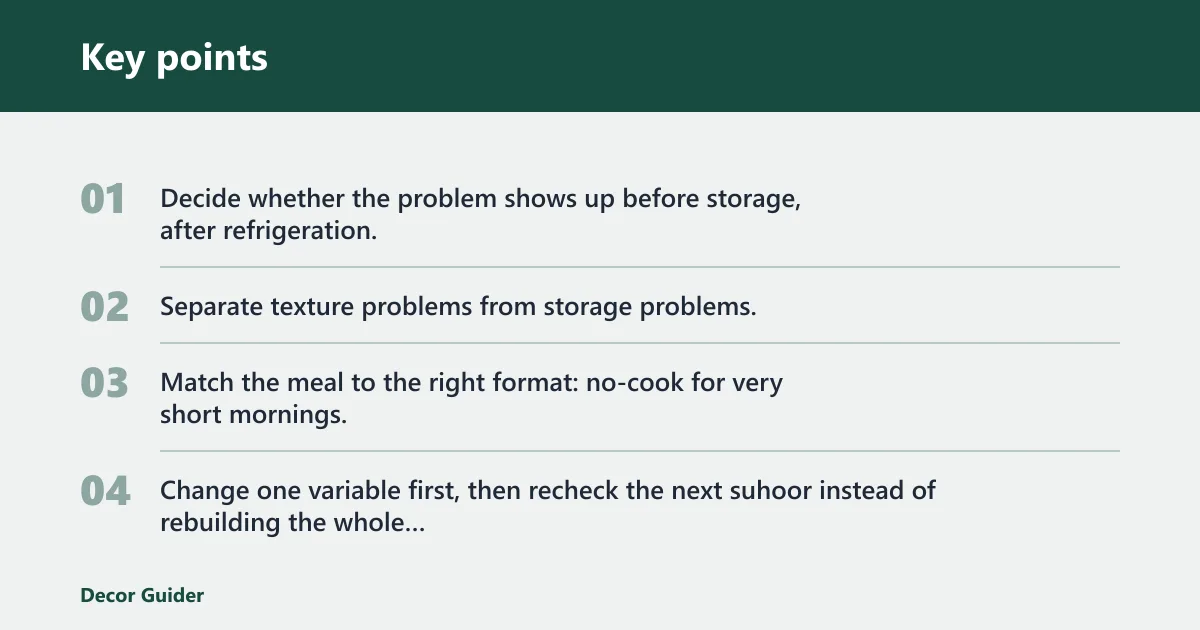
- Decide whether the problem shows up before storage, after refrigeration, or after reheating.
- Separate texture problems from storage problems; soggy oats need a different fix than leaking lids.
- Match the meal to the right format: no-cook for very short mornings, batch-cook for reheated grains and eggs, freezer prep for longer gaps.
- Change one variable first, then recheck the next suhoor instead of rebuilding the whole menu.
Use the smallest fix first
Say your oats turn soft and gluey by morning. Reduce the liquid by 2 tablespoons per serving and keep fruit on the side. If that still fails, move the fruit into a separate cup and switch to rolled oats rather than instant oats.
Suppose a yogurt bowl tastes flat even with fruit. Add 1 pinch of salt, 1 teaspoon of lemon juice, or 1 tablespoon of chopped herbs if the bowl is savory. That small shift often fixes the meal without changing the base.
How do you fix soggy overnight oats for suhoor?
Use less liquid, separate wet toppings, and keep the oat base thicker than you think you need. Soggy oats usually come from overhydration, thin yogurt, or fruit that releases juice overnight. If you want a longer-lasting bowl, add protein and fat after the oats set.
Fix the texture
- Measure 1 cup rolled oats to 1 1/2 cups liquid for a firmer texture.
- Stir in chia only if you want a thicker set; use 1 teaspoon, not a large scoop.
- Pack berries, bananas, nut butter, or seeds in a separate cup.
- Add crunchy toppings right before eating so they stay crisp.
Keep it from turning thin
Use Greek yogurt instead of thin yogurt when you want more body. If the bowl still loosens up, cut the liquid by 2 tablespoons next time and check the texture the following morning.
How do you make suhoor meal prep fill you up longer?
Build the meal around protein plus slow-digesting carbohydrates, then add fat and fiber in measured amounts. Eggs, Greek yogurt, cottage cheese, beans, and lentils help more than fruit alone. Oats, whole grains, brown rice, and whole-wheat bread slow the meal down so it lasts through the fasting window. For protein guidance, the Nutrition.gov protein overview and the Harvard Healthy Eating Plate both support building meals around protein-rich foods, vegetables, and quality carbohydrates.
Build a more filling plate
- Start with 20 to 30 grams of protein if your portion size allows it.
- Add one slow-digesting carb such as oats, brown rice, or whole-wheat bread.
- Use beans or lentils when you need more fiber without a huge volume jump.
- Finish with a measured fat source, such as tahini, olive oil, nuts, or seeds.
Match the portion to the gap
A short suhoor window before Fajr needs food that is dense, not bulky. If you are waking very early, keep the plate simple: eggs with toast, yogurt with oats, or lentils with rice. Too much volume can feel heavy without improving satiety.
How should you hydrate between iftar and fajr?
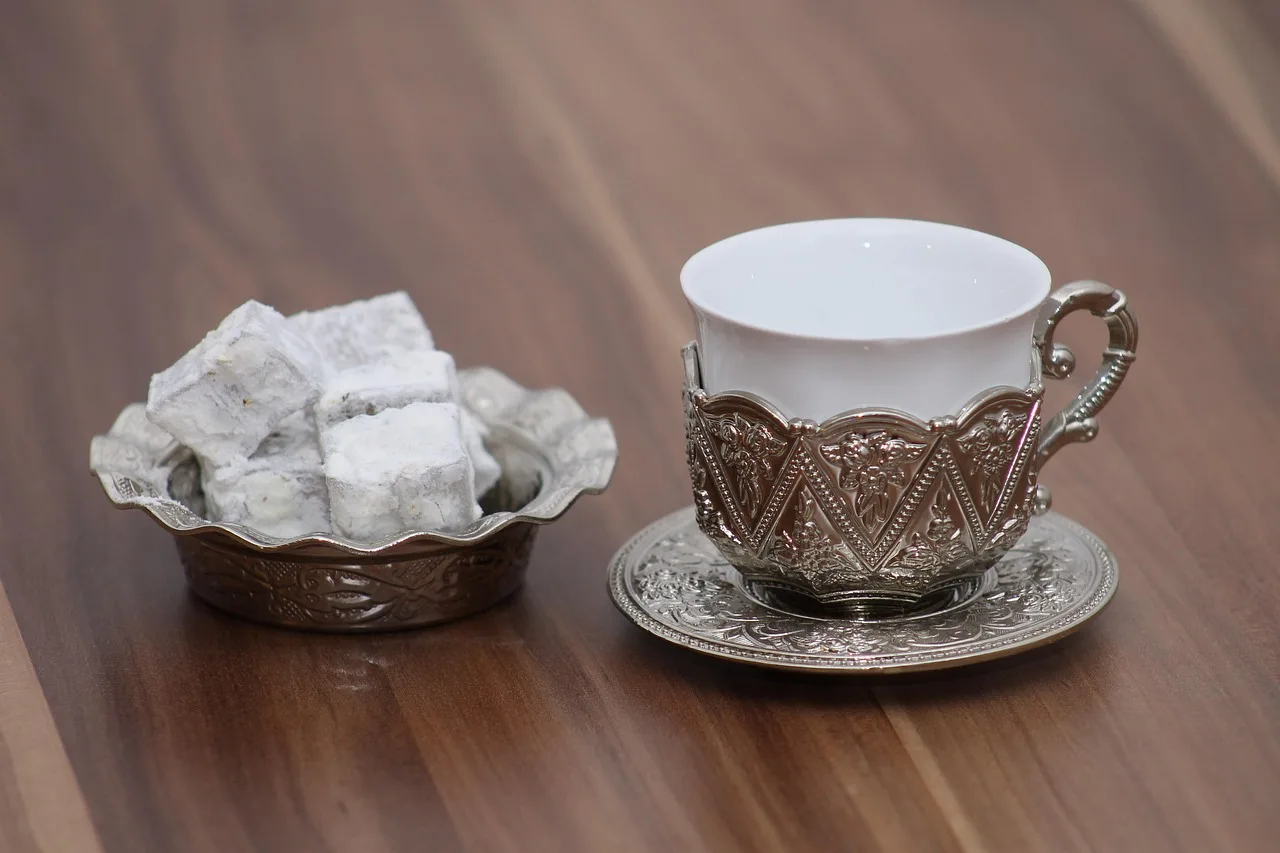
Hydration works best as a steady pattern, not a last-minute rush. Drink water in smaller amounts across the evening, then pair a moderate amount of fluid with suhoor so the meal does not feel too dry or too salty. Health authorities such as the USDA hydration guidance and the NHS fluids advice emphasize regular intake across the day rather than loading up all at once.
What to drink
- At iftar, start with water and a modest, easy-to-digest food so you are not chasing thirst with a heavy meal.
- Between iftar and bedtime, sip water gradually with dinner and snacks instead of drinking a large amount all at once.
- Near suhoor, drink enough to avoid waking thirsty, but do not overfill the stomach if that crowds out food.
- Use soups, milk, plain yogurt, cucumber, oranges, and other water-rich foods to add fluid without relying on plain water alone.
How hydration affects satiety and food choice
Some foods help hydration and fullness together, while others work against both. Water-rich foods and moderately salted meals can make suhoor more satisfying, but overly salty prep can increase thirst and make the fasting window harder. If the meal is already salty, balance it with plain water, yogurt, fruit, or unsalted grains rather than adding more seasoning.
Avoid overly salty prep
Use spices, herbs, lemon, vinegar, garlic, and toasted seeds for flavor before you reach for extra salt. Keep salty add-ins like cured meats, olives, pickles, seasoned cheese, and heavily salted sauces in smaller portions so the meal stays flavorful without becoming thirst-heavy.
Why does your suhoor food spoil so fast?
Food spoils faster when it cools too slowly, sits out too long, or is packed while still hot. Separate wet and dry ingredients, use shallow containers for faster chilling, and refrigerate promptly. Dairy bowls and cooked grains need the same cold handling as any other leftover. The FoodSafety.gov cold food storage chart says refrigerated leftovers should be used within 3 to 4 days for best quality and safety, and the USDA leftovers guidance says to refrigerate perishables within 2 hours.
Cool and store safely
- Move cooked food into shallow containers so the heat escapes faster.
- Let it cool briefly on the counter, then refrigerate within 2 hours.
- Store sauces, yogurt, and chopped produce separately when moisture is an issue.
- Keep the fridge cold and avoid leaving prepared food in the door for long periods.
Protect texture during storage
Use leakproof lids and stackable containers so the fridge stays organized. If a meal includes rice, beans, and vegetables, store the sauce on the side. That keeps the grain from turning wet and reduces the chance of spoilage from excess moisture.
How do you stop reheated suhoor food from drying out?
Dry reheated food usually means too much heat, too little moisture, or both. Reheat in short bursts, cover the food loosely, and add a spoon of water, broth, or sauce only when the dish needs it. Eggs and grains dry out faster than soups and stews, so they need more care. The USDA microwave food safety guidance recommends covering food, rotating or stirring, and checking that leftovers are heated to 165°F.
Reheat with control
- Use a microwave-safe container with a loose cover.
- Heat in 20 to 30 second bursts, stirring between rounds.
- Add 1 tablespoon of water or broth to grains before reheating if they look dry.
- Finish with sauce, yogurt, or olive oil after heating, not before.
Choose the right backup format
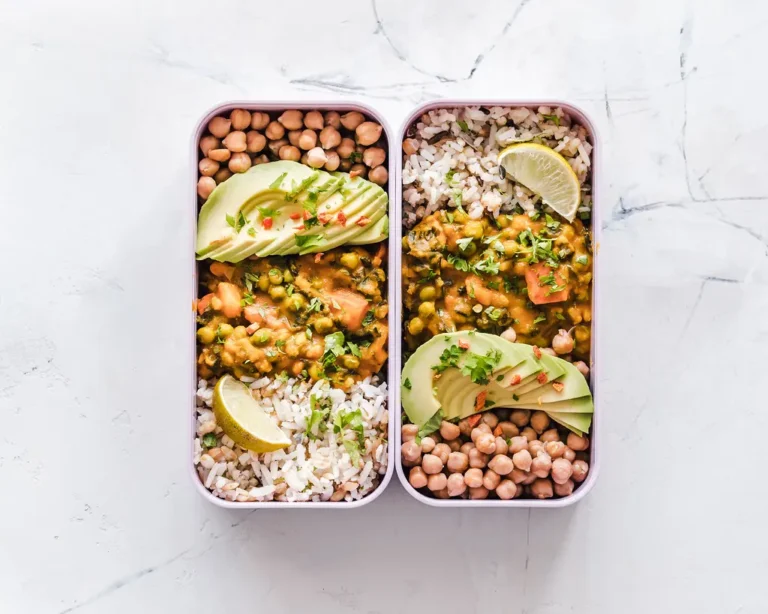
If reheated eggs still dry out, move that part of the meal to no-cook options on busy mornings. A cottage cheese bowl, Greek yogurt with oats, or beans on whole-wheat bread can carry the same satiety without reheating.
Common mistakes
- Overfilling containers, which pushes sauce into the lid and causes leaks
- Packing wet and dry ingredients together too early
- Reheating eggs or grains until they turn rubbery
- Using only salty or fried foods, which often leaves you thirsty and hungry later
- Making portions too small for the fasting window
- Eating the same flavor profile every day, which makes the plan harder to keep
Prevent the repeat failure
Use one container size for each meal type, keep sauces separate, and rotate seasonings across the week. A simple swap of cumin, za’atar, cinnamon, or curry powder can keep the same base from feeling repetitive.
What should you prep for suhoor when you have no time?
Choose no-cook meals that need only assembly: Greek yogurt with oats, nuts, and fruit; cottage cheese with whole-wheat toast; or beans with olive oil and bread. For more practical ideas, the same page also works as a guide to no-cook meals for suhoor and iftar. If you have 10 minutes, batch-cook eggs, rice, or lentils ahead and reheat only the part that benefits from heat.
Fastest formats by schedule
- For very early suhoor, use no-cook bowls and keep the components cold.
- For moderate prep time, batch-cook grains and protein together, then store sauce separately.
- For longer gaps, freeze cooked portions flat in freezer bags and thaw in the fridge overnight.
Pick the container for the job
Use microwave-safe containers for reheating and leakproof containers for overnight storage. Fridge stackability matters when you are packing several suhoor portions for a family or a full week.
Frequently asked questions
Why is my suhoor meal prep not working?
Look for the first point of failure: mixing order, storage, reheating, or satiety. If the meal breaks at more than one point, fix the storage and texture issue first, then adjust protein or grain portions. One change at a time makes the real cause easier to spot.
Why does my suhoor food spoil so fast?
Food often spoils because it cooled too slowly or stayed warm in the container too long. Put cooked food into shallow containers, refrigerate within 2 hours, and keep wet toppings separate from grains or eggs until mealtime.
How do I keep suhoor meal prep from getting bland?
Season the base, then finish with acid, salt, and fat in measured amounts. Keep sauces separate and rotate one spice blend, one herb, or one topping each batch so the same oats, eggs, or grains do not taste flat by day three.
What foods are best for suhoor meal prep?
Choose eggs, Greek yogurt, beans, lentils, cottage cheese, oats, whole grains, brown rice, and whole-wheat bread. That mix gives you protein and slow-digesting carbohydrate, which usually works better than a high-sugar or fried meal for the fasting window.
Sources
- USDA leftovers guidance
- FoodSafety.gov cold food storage chart
- USDA microwave food safety guidance
- Nutrition.gov protein
- Harvard Healthy Eating Plate
- USDA hydration guidance
- NHS fluids advice
Products related to this article
Sponsored / affiliate links. As an Amazon Associate I earn from qualifying purchases. I may earn additional commission from eligible campaigns.