Ramadan Grocery List Chart for a 30-Day Meal Plan
A Ramadan grocery list works best when you start with a 30-day count, then add 10–15% extra for staples, produce, and protein so you shop once and only top up perishables. Without that buffer, families run short on key ingredients mid-month, face extra store trips, spend more, and lose time during iftar prep. This guide gives a month-long chart by meal and category, with quantities, pantry checks, and a simple replenishment schedule.
Smart shopping breakdown for Ramadan staples


This chart is built for a 4-person family and uses three purchase rhythms: one trip for shelf-stable items, one weekly trip for fresh produce and dairy, and a mid-month top-up for items that go fastest. The quantities below are useful starting points, not fixed rules, so adjust for children, guests, and cooking style.
| Item | Recommended quantity for a 4-person family | Purchase timing | Substitution option |
|---|---|---|---|
| Dates | 2–3 kg total | Once, then mid-month top-up if needed | Dried apricots or extra fruit for serving |
| Bananas | 24–30 pieces | Once/week | Apples or pears |
| Apples | 16–20 pieces | Once/week | Oranges or grapes |
| Strawberries | 4–6 punnets | Once/week | Grapes or melon for fruit chaat |
| Rice | 8–10 kg | Once | Half rice, half pasta or couscous |
| Flour/atta | 10–12 kg | Once, then mid-month top-up | Paratha dough or ready-made flatbread |
| Lentils | 4–6 kg mixed | Once | Canned beans |
| Eggs | 6–8 dozen | Once/week | Yogurt-based suhoor dishes |
| Milk or yogurt | 8–12 liters or equivalent tubs | Once/week | UHT milk or shelf-stable yogurt drinks |
| Oil | 4–6 liters | Once | Blend with a smaller ghee pack |
| Ghee | 1.5–2.5 kg | Once | Use oil for most frying |
| Besan | 2–4 kg | Once | Tempura-style batter with flour |
| Frozen nuggets | 2–4 bags | Mid-month or once | Frozen fish fingers or patties |
| Burger patties | 2–4 packs | Mid-month or once | Shami kabab or grilled chicken |
| Fresh cream | 2–4 cartons | Once/week | Whipping cream or thick yogurt |
| Red syrup | 1–2 bottles | Once | Fruit juice concentrate |
| Jellies | 6–10 packs | Once | Pudding cups |
| Canned fruits | 4–6 cans | Once | Frozen fruit or fresh seasonal fruit |
How the chart is organized
The chart groups food by meal and buying rhythm. Shelf-stable items come first because they carry the month, while produce, dairy, and some snacks sit on weekly or mid-month refill lines. That structure helps you avoid buying food that spoils early or skipping basics used every few days.
How to use it for a 4-person family
Start by checking what is already in the pantry, freezer, and fridge. Then note which meals repeat most often: suhoor plates, iftar breaks, simple dinners, and dessert. A 4-person family often needs more bread, fruit, and dairy than a one-week menu suggests, because Ramadan meals repeat daily and guests can change portions fast.
- Count what is already on hand.
- Mark items that last the full month.
- Separate weekly fresh items from pantry staples.
- Add a mid-month refill column for dates, milk, fruit, and frying oil.
- Leave space for guest food and school or work lunches.
What should be on a Ramadan grocery list?
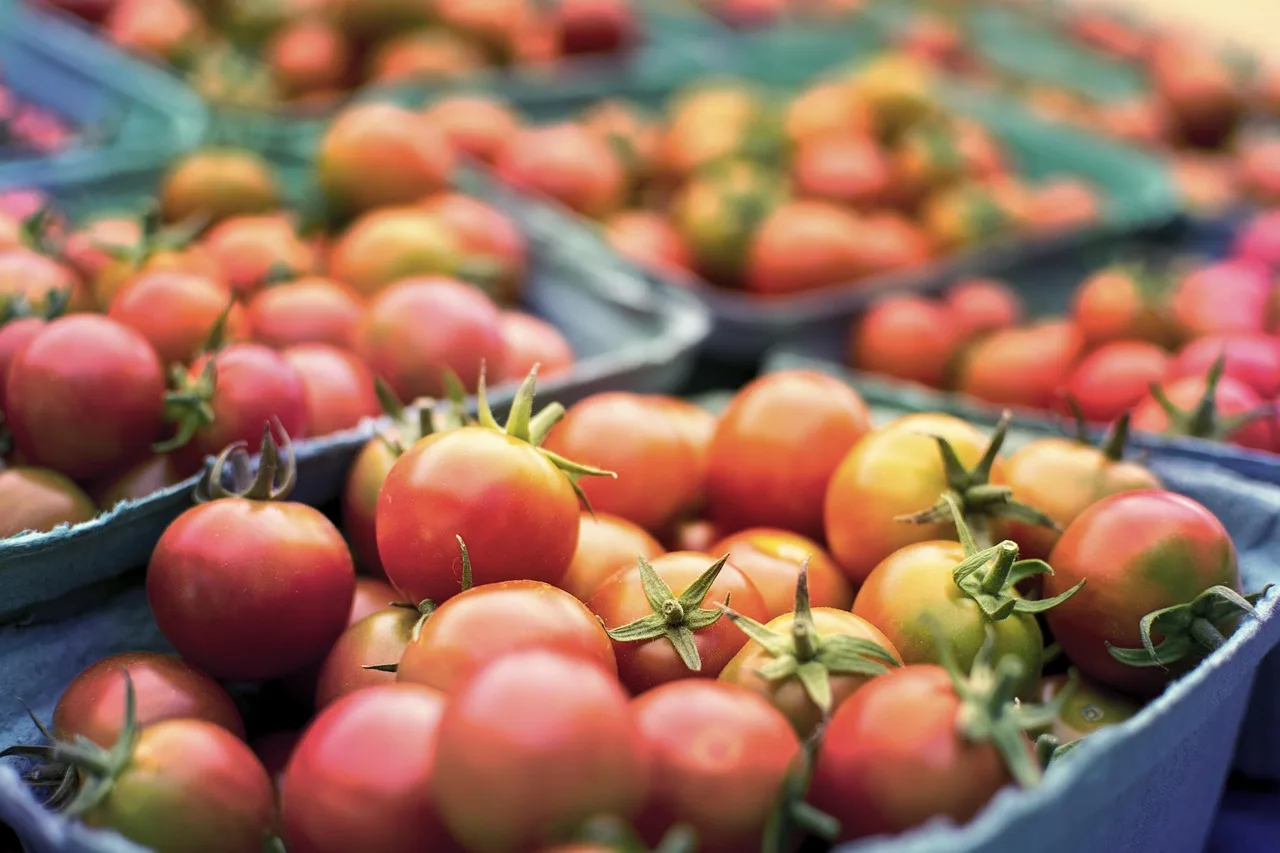
A Ramadan grocery list should include suhoor foods that hold hunger, iftar foods that break the fast cleanly, and pantry items that keep cooking moving. For a month plan, that means slow-digesting staples, fruit, protein, frying ingredients, and dessert components all belong on the list, along with the popular snacks.
Suhoor staples
Suhoor works best with slow-digesting foods, hydration support, and protein. Think oats, whole wheat bread, paratha ingredients, yogurt, milk, eggs, peanut butter, chickpeas, and bananas. Prep-ahead options matter here because mornings are short and the meal should be easy to serve.
For a 4-person family, a workable suhoor basket can include 2 large packs of oats, 2–3 dozen eggs for the first week, 4–6 loaves or bread packs depending on preference, and 2–3 kg of yogurt across the month. Add tea, milk, dates, and fruit to round it out.
Iftar foods
Iftar planning should start with the break-fast staple. METRO says its list covers “everything” for the month and frames the list around both Sehris and Iftaris. It also points to shami kabab and fruit chaat for iftar, which are useful anchors for a family chart.
Dates should be bought in a format that fits serving use: whole dates for breaking the fast, chopped dates for oatmeal or yogurt, and larger packs for guests. A common serving guide is 1 to 3 dates per person at break-fast, then more only if they are part of dessert or a snack plate.
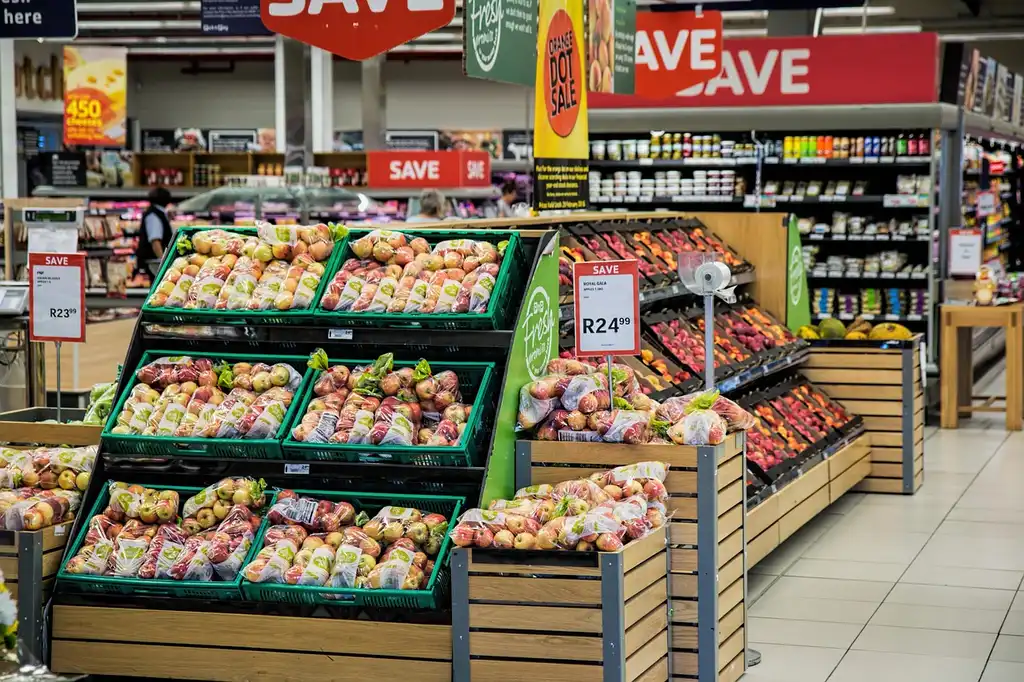
Fresh fruit belongs here too. METRO includes fresh bananas, apples, and strawberries, and those three also work well in fruit chaat. Apples and bananas last longer than berries, so use strawberries early in the week and keep the sturdier fruit for later days.
Dessert and pantry items
Ramadan desserts usually call for cream, syrup, jelly, canned fruit, and a base such as custard or vermicelli. METRO includes fresh cream and red syrup for fruit chaat, and it mentions canned fruits in its dessert range. These items are useful for quick trays when guests arrive or when dinner runs late.
Pantry overlap causes waste. If you already have flour, rice, lentils, and spices at home, list only the missing packs. That prevents double buying and keeps the month budget under control.
Suhoor foods to stock
Suhoor should lean on foods that digest slowly, support hydration, and need little morning work. Choose a mix of grains, protein, dairy, and fruit so the meal feels complete without becoming heavy. The best choices are practical, repeatable, and easy to portion.
Slow-digesting staples
Whole wheat bread, oats, brown or regular rice, paratha ingredients, and boiled potatoes are common suhoor anchors. They are easy to pair with yogurt, eggs, or beans. Keep some ready-to-eat options too, such as wrapped parathas or pre-cooked lentils for rushed mornings.
Protein sources
Eggs, yogurt, milk, chickpeas, lentils, cheese, and leftover chicken all help extend fullness. A 4-person family can keep 6 to 8 dozen eggs on the list if suhoor uses them often. If your family prefers vegetarian meals, increase yogurt, milk, and bean-based items instead.
Hydration-friendly add-ons
Water is essential, but food can help too. Bananas, yogurt, cucumber, and soups are useful additions at suhoor. Keep dates nearby as a quick bite, especially for children or adults who need something small and easy before dawn.
What are the best iftar foods?

The best iftar foods are easy to serve, quick to eat, and balanced across sweet, savory, and fresh items. Start with dates and water, then add fruit, a fried snack, and a main dish base. That mix gives you enough variety without forcing a full meal every night.
Dates and break-fast portions
Dates are the classic break-fast food because they are simple to portion and easy to store. Buy them in bulk if the family eats them daily, but keep a smaller serving bowl for the table so they do not disappear too quickly. Whole dates are best for the first bite; chopped dates work better in snacks and desserts.
Fruit chaat and fresh fruit
Fruit chaat should include apples, bananas, strawberries, and any seasonal fruit that is easy to dice. Fresh cream and red syrup can be used for a sweeter version, while plain lemon and chaat spice keep it lighter. Use strawberries early because they bruise faster than apples or bananas.
Fried snacks and main dish basics
Popular iftar snacks include samosas, pakoras, shami kabab, nuggets, and burger patties. Frozen snacks are useful for nights when time is tight, because they can move from freezer to table with very little prep. Keep one or two fast main dish options in the plan, such as chicken curry, lentils, or rice.
Picture a family that plans only samosa ingredients for the first week. By day 12, the oil is gone, the besan has run out, and the fridge still has no backup snack. A better chart sets aside a mid-month refill for frying items and a frozen snack pack for busy nights.
Frying and seasoning staples
Frying ingredients are the backbone of many Ramadan snack menus, but they also create the fastest pantry gaps. Buy oil, ghee, and besan in the first shop, then reserve a smaller refill if you cook pakoriyan or samosas more than twice a week. Seasoning mixes keep the cooking simple.
Oil, ghee, and besan
The same source recommends oil and ghee for frying pakoras and samosas. That matches the practical needs of a Ramadan kitchen, where one oil bottle can disappear quickly during snack-heavy weeks. Besan is the base for pakoriyan batter, while ghee helps with richer doughs and flavor.
Shan, National, and barbecue seasoning
Shan, National, and barbecue seasoning can save time on kababs, grilled chicken, and quick marinades. These mixes are useful because they cut the number of separate spices you need to measure. Keep at least one all-purpose spice mix and one grill-style blend in the pantry.
Basics for pakoriyan and samosas
For pakoriyan, the short list is besan, onions, potatoes, green chilies, coriander, salt, and frying oil. For samosas, keep wrappers or dough ingredients, potato filling, peas, and seasonings ready. Buying the filling ingredients once and the fresh herbs weekly keeps both cost and waste in check.
How do you plan Ramadan groceries for the month?
Monthly planning works best when you split the list into 7-day, 14-day, and full-month sections. That keeps the pantry from getting overloaded and makes it easier to refill fresh items before they spoil. The biggest mistakes are buying too much produce at once, forgetting dessert items, and repeating the same snack ingredients without checking stock.
7-day planning
A 7-day plan should cover fresh fruit, milk, yogurt, bread, eggs, and one snack set. This is the safest option for families that prefer shopping often or do not have much freezer space. It also works well for budget control because you only buy what you can use before the next shop.
14-day planning
A 14-day plan suits families that want fewer trips but still need fresh food to rotate. Buy the pantry items for two weeks and split produce into two rounds. This method reduces mid-week stress while still leaving room to adjust for guests, school schedules, or a change in cooking plan.
Full-month planning
A full-month plan is best for shelf-stable goods, frozen snacks, and the main pantry base. The same source says its list is built for the month, and that is the right model for rice, flour, lentils, oil, ghee, dates, spice mixes, and dessert packs. Fresh produce still needs weekly attention.
Suppose a family buys 10 kg of apples for the whole month because apples seem sturdy. By the third week, the fruit drawer is crowded and the softer produce is being ignored. The better move is to keep apples on the weekly list and move the long-life items, such as rice and oil, to the once-only list.
Printable grocery
A printable list should be blank enough to fill in, but structured enough to follow. Organize it by meal, then category, then purchase timing. FreePrintableGroceryList offers a Ramadan Grocery List printable and also a Blank Ramadan Shopping List under Holiday Grocery Lists, and says each list can be opened larger and downloaded.
Blank list format
Use a simple blank sheet with rows for item, quantity, store, and check-off box. Leave room for dates, fruit, protein, frozen items, frying staples, and dessert ingredients. This makes the list reusable for different household sizes without changing the structure each time.
Category-by-category layout
A categorized format is easier for online grocery ordering and for local store runs. Place suhoor, iftar, dessert, and pantry items in separate blocks. That way the shopper can compare store availability quickly and decide what can be ordered online versus what should be picked up in person.
Online and store shopping
The same source says buyers can shop online and get delivery, which is useful for heavy items such as rice, flour, oil, ghee, and canned goods. Use the local store for fresh fruit, dairy, and emergency replacements. A mixed shopping format usually cuts trips while keeping the cart accurate.
Frequently asked questions
What food do people eat on ramadan
People usually eat dates, fruit, bread, eggs, yogurt, lentils, rice, and cooked mains at suhoor and iftar. Fried snacks like samosas and pakoras are common, along with fruit chaat and simple desserts. The exact menu changes by household, but the shopping pattern is similar.
What food is best for suhoor and iftar
For suhoor, the best foods are slow-digesting staples with protein, such as oats, eggs, yogurt, whole wheat bread, and bananas. For iftar, start with dates and water, then add fruit, a snack, and a main dish. That combination supports portion control and easier prep.
What should be on a ramadan grocery list: a good Ramadan grocery list?
A good Ramadan grocery list includes dates, fresh fruit, bread, eggs, milk, yogurt, rice, lentils, oil, ghee, besan, spice mixes, frozen snacks, and dessert ingredients. The list should also separate weekly items from full-month staples so the pantry does not run short or overflow.
How do I plan ramadan groceries for the whole month?
Start with a pantry count, then divide the list into once-only staples, weekly fresh items, and mid-month refill items. Buy long-life goods first, and keep produce, dairy, and herbs on a shorter cycle. This reduces spoilage and keeps meal planning tied to real use.
How do I make a ramadan grocery list printable?
Create a blank chart with columns for item, quantity, store, and check box. Then divide it into suhoor, iftar, dessert, and pantry sections. A printable format works best when it leaves space for notes, because family size, guests, and menus can change through the month.
What can you eat during ramadan?
During non-fasting hours, you can eat any halal foods your household usually serves, but the practical goal is to balance energy and convenience. That means dates, fruit, light soups, protein, grains, snacks, and desserts in sensible portions, with enough staples on hand to cover the month.
Products related to this article
Sponsored / affiliate links. As an Amazon Associate I earn from qualifying purchases. I may earn additional commission from eligible campaigns.