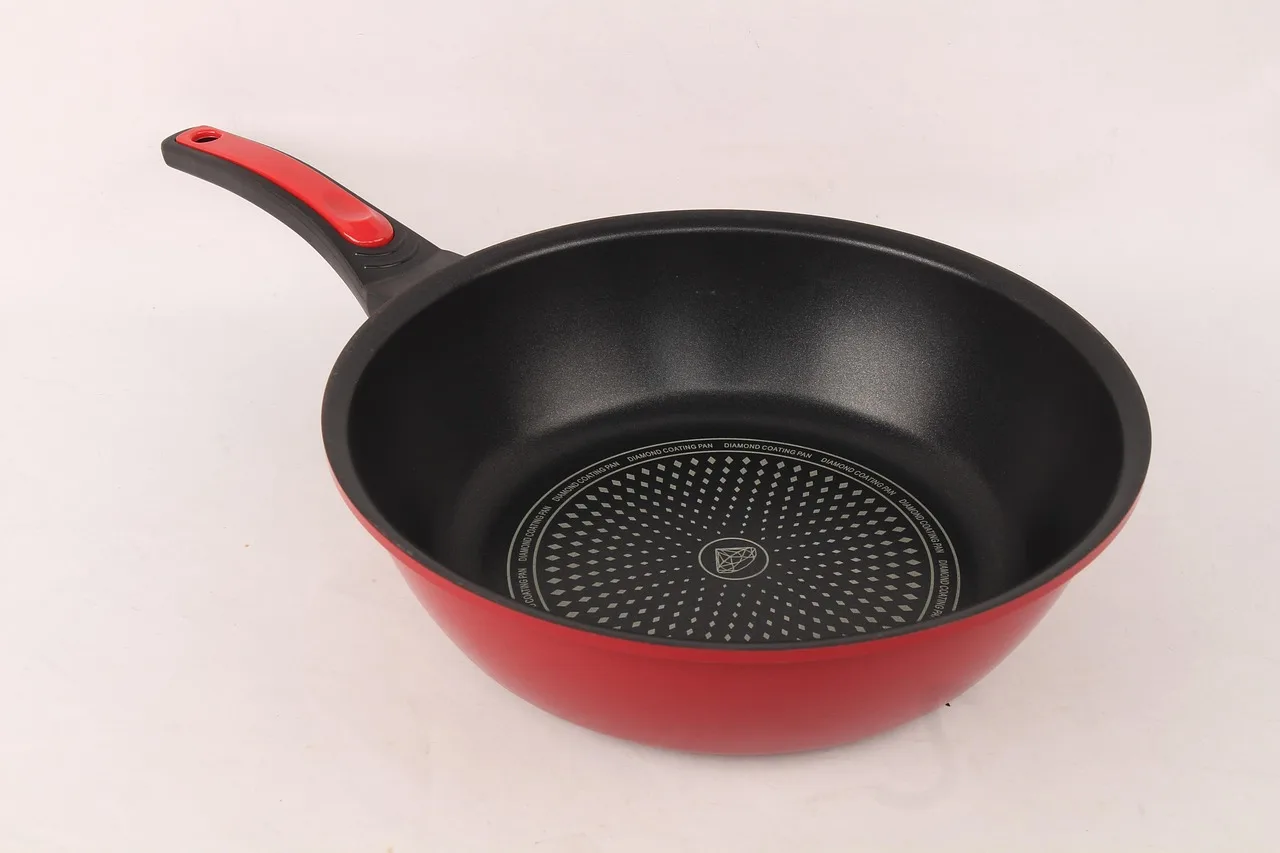
Women’s Cookware Safety Guide: Safe Picks for Home Cooking
Pick cookware by comfort first. Use stay-cool handles, lighter pans for one-hand lifting, and nickel-free cooking surfaces such as ceramic-coated or hard-anodized aluminum if stainless steel bothers your skin. Bad fit leads to hand strain, slips, hot-handle burns, and pans you stop reaching for. This guide covers safe materials, handle shapes, weights, lid design, and low-maintenance picks for home cooking.
For most home kitchens, the best all-around choice is a high-quality multi-ply stainless steel pan with a comfortable handle. It gives you tight heat control, durable construction, and easier cleanup than raw cast iron when you preheat it well. If you want less weight, ceramic-coated cookware or carbon steel may feel easier in the hand.
Top safe pick for home cooking


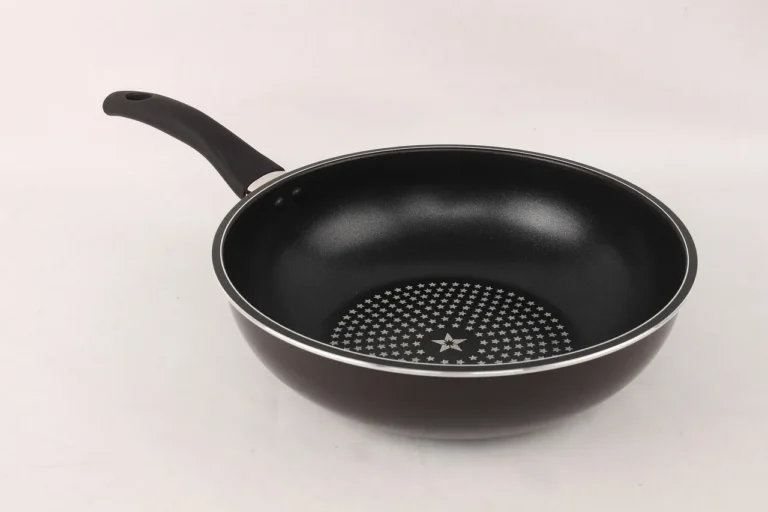
The top safe pick for everyday cooking is a multi-ply stainless steel skillet or sauté pan with a long, stay-cool handle and a balanced body that does not tip forward when empty. Stainless steel is durable, and high-quality multi-ply construction is widely valued for steady heat control. If you need lower weight, a lighter pan may be easier to lift, but stainless steel remains the strongest all-purpose starting point for most cooks.
Quick picks
| Best for | Material | Comfort note | Safety note |
|---|---|---|---|
| All-purpose stovetop cooking | Multi-ply stainless steel | Good balance, moderate weight, stable grip | Durable and high-quality; nickel-free options exist |
| Easy cleanup and lower-stick cooking | Ceramic cookware | Often lighter and easier to maneuver | Choose verified PFAS/PFOA/PFOS-free options |
| Maximum durability with seasoning care | Cast iron | Heavier, but secure once handled with two hands | Proper seasoning creates a natural non-stick patina |
| Lighter than cast iron | Carbon steel | Easier to lift than cast iron, still solid | Requires seasoning and routine maintenance |
| Braise and simmer with a barrier surface | Enameled cast iron | Heavy, but good for low-lift tasks | Glass-like coating fused to cast iron; quality matters |
Multi-ply stainless steel
Multi-ply stainless steel is the best fit for cooks who want a durable pan that handles sautéing, simmering, and browning without a coating. High-quality stainless steel is described as inert and durable in multi-ply constructions, and nickel-free options are available for sensitive users. It can still leach small amounts of nickel or chromium under some conditions, so people with nickel sensitivity should check the product listing carefully.
Ceramic and titanium-reinforced ceramic
Ceramic cookware can be a good low-stick option when you want easier cleanup and a lighter feel. Look for 100% ceramic, which is unglazed and made from natural clay and minerals, or for ceramic-based non-stick coatings described as PFAS/PFOA/PFOS-free. Titanium-reinforced ceramic is often described as a middle-ground option if a non-toxic cookware choice with a durability-minded coating is desired.
Cast iron and carbon steel
Cast iron is one of the safest material backbones for home cooking when you are willing to season it and maintain the surface. Properly seasoned cast iron develops a natural non-stick patina. Carbon steel works on the same basic idea, but it is lighter than cast iron, which helps if you want easier lifting with one hand or less wrist strain.
Enameled cast iron
Enameled cast iron combines the mass of cast iron with a glass-like coating fused to the cast iron. That barrier is useful for soups, braises, and acidic sauces, but quality matters because the safety of the coating depends on manufacturing. Lead and cadmium may be found in glazes or decorations on ceramic or enamelware, so unverified decorative pieces deserve extra caution.
Cookware safety matrix
This matrix puts safety, comfort, cleanup, and maintenance side by side. It works best when you are comparing material tradeoffs instead of chasing one “perfect” pan.
| Material | Safety profile | Handle comfort and weight | Cleanup effort | Reactivity with acidic foods | Maintenance level | Best scenario |
|---|---|---|---|---|---|---|
| Multi-ply stainless steel | Strong choice; nickel-free options available | Moderate weight; often balanced well | Moderate; easier with proper preheating and deglazing | Low in normal use | Low to moderate | Sautéing, boiling, sauces, everyday use |
| Cast iron | Safe backbone when seasoned properly | Heavy; two-hand lift often helps | Moderate; best when kept seasoned | Higher if seasoning is poor or damaged | Moderate to high | Searing, oven use, low-stick frying |
| Carbon steel | Safe backbone when seasoned properly | Lighter than cast iron; easier to lift | Moderate; seasoning needs upkeep | Higher if seasoning is poor or damaged | Moderate to high | Eggs, stir-fry, one-pan cooking |
| 100% ceramic | PFAS/PFOA/PFOS-free option | Often lighter and easier on the wrist | Easy to moderate | Low if the surface is intact | Low to moderate | Lower-stick cooking with simple cleanup |
| Enameled cast iron | Barrier surface, but quality varies | Heavy | Easy once cooled | Low if enamel is intact | Low to moderate | Simmering, braising, acidic sauces |
| Titanium-reinforced ceramic | Durability-minded non-toxic option | Often lighter than bare iron pans | Easy to moderate | Low if coating stays intact | Low to moderate | Daily use with less scrubbing |
| Traditional non-stick | Depends on coating; PFAS concern when heated | Often light and easy to move | Easy when undamaged | Low | Low until damage appears | Short-term low-stick use only if verified and intact |
What makes cookware safer?
Safer cookware reduces exposure to unwanted chemicals and lowers the chance that damaged surfaces will end up in your food. The key differences are material, coating quality, and condition. A pan can start out acceptable and still become a bad choice if the coating peels, a glaze is unverified, or the base is warped.
PFAS, PFOA, and what the labels mean
PFAS are “forever chemicals” used in traditional non-stick coatings, and they are a safety concern when heated cookware is used over time. PFOA was previously used in non-stick production and is largely phased out, but it still matters in older or unverified products. A pan labeled PFOA-free is not the same thing as PFAS-free, so those claims are best treated separately.
Lead, cadmium, and glaze risk
Lead and cadmium may be found in glazes or decorations on ceramic or enamelware. That does not mean every glazed pan is unsafe, but it does mean unverified imported or heavily decorated pieces deserve caution. Plain, reputable, food-contact cookware with clear material disclosures is easier to judge than decorative cookware with vague labeling.
Why surface damage changes the answer
Scratched, peeling, or deeply damaged nonstick is a different category from intact cookware. Once a coating is breaking down, the problem is no longer just heat behavior; the surface itself is failing. That is true even at lower heat, so damaged nonstick should not stay in regular use.
A common first-timer mistake is choosing a heavy skillet for stovetop use without checking the handle grip, then realizing later that it gets too hot and feels awkward to steady while cooking. If the coating is peeling or flaking, replace it rather than trying to reserve it for “gentler” meals.
Which cookware materials are safest?
The safest practical options for many home cooks are stainless steel, cast iron, carbon steel, ceramic, and glass-like enamel systems from reputable makers. The best choice depends on whether you value lower weight, easier cleanup, or a surface that handles acidic food with less concern. For sensitive users, nickel-free cookware and low-weight options deserve special attention.
Stainless steel
Stainless steel is a high-quality option because it is durable and performs well in multi-ply constructions. If you are sensitive to nickel, choose nickel-free options rather than assuming all stainless steel is the same. It is also one of the better choices for sautéing and pan sauces because it tolerates heat and deglazing well.
Cast iron and carbon steel: cast iron belongs
Cast iron belongs on the safe list when you are willing to season it. Proper seasoning creates a natural non-stick patina, which helps with eggs and searing. Carbon steel gives you a similar cooking surface with less weight, which can matter if your wrists fatigue easily or if you prefer a pan that is simpler to lift from burner to sink.
Ceramic, enameled cast iron, and titanium-reinforced ceramic
100% ceramic is unglazed and made from natural clay and minerals, while ceramic-based non-stick coatings are often marketed as PFAS/PFOA/PFOS-free. Titanium-reinforced ceramic is another non-toxic cookware option when you want added durability. Enameled cast iron adds a glass-like barrier, but the product still depends on good manufacturing and a sound coating.
If you cook tomato sauce twice a week and hate heavy pans, a lighter titanium-reinforced ceramic pan may suit you better than raw cast iron, provided the coating is from a verified maker and the handle stays comfortable during a full pour.
How do you choose cookware that feels comfortable?
Comfort matters because the right pan gets used more often and with fewer mistakes. For women who want safer cookware without wrist strain, the useful questions are simple: can you grip it securely, lift it without twisting your wrist, and move it when the handle is hot or crowded with food?
Handle shape and grip
Choose a handle that fills the hand without forcing a tight pinch. A smooth, narrow handle can feel slippery when wet, while a broad handle may spread pressure better during a full lift. If your hands fatigue easily, look for a handle with enough texture or contour to reduce squeezing.
Pan weight and balance
Weight affects comfort as much as it affects safety. A lighter pan is easier for one-hand lifting and better for cooks who deal with arthritic hands, but a pan that is too light can feel unstable when filled. Balance matters too: a pan that dips forward when empty is more likely to feel awkward when you stir or pour.
Heat management and wrist strain
Hot handles increase the risk of rushed movements, which is where burns and spills happen. Stay-cool handles help, but the lid, sidewalls, and the pan’s overall balance also matter. If a skillet feels safe only when you are bracing it with two hands, that is useful information, not a flaw in your grip.
- Check the lift first. Pick up the empty pan with one hand, then with two hands if needed. If it already feels awkward, it will feel worse once it is full of food.
- Inspect the handle surface. Look for contour, texture, and a shape that stays secure with a damp hand. Smooth metal handles can be fine, but they should not force a hard squeeze.
- Match the pan to your reach. Use lighter cookware for quick stovetop tasks and heavier cookware for slow braises or oven work. That reduces wrist strain and cuts down on drops.
What should you avoid when buying cookware?
Avoid cookware with vague safety claims, damaged surfaces, or materials that do not match your cooking habits. The safest pan on paper is the wrong choice if it is too heavy for you to lift comfortably or if the coating starts to fail. A good purchase balances material safety with the way you actually cook.
Unverified nonstick claims
Be cautious with old or undocumented nonstick cookware. If a listing does not clearly state whether the coating is PFAS-free or only PFOA-free, you do not have enough information. Old, unverified products are also where PFOA concerns stay relevant.
Damaged coatings and warped pans
Warped pans may heat unevenly and can slide or rock on the burner, which can make control harder. Scratched or peeling coatings are not acceptable for continued use. The issue is not only cleanup; it is the breakdown of the cooking surface itself.
Problematic glazes and bare aluminum
Be careful with ceramic or enamelware that lacks clear material disclosure, especially if it has heavy decoration. Lead and cadmium can be found in glazes or decorations on ceramic or enamelware. Also avoid uncoated aluminum for regular cooking if acidic dishes are made often, because it may leach into food, especially with ingredients like tomatoes.
Best cookware by cooking task
The safest cookware choice changes with the task. Eggs favor low-stick surfaces. Sautéing rewards responsive heat control. Acidic sauces benefit from surfaces that do not react easily. Matching the pan to the food often matters more than chasing a single universal material.
Eggs and low-stick cooking
For eggs, choose ceramic, seasoned cast iron, or seasoned carbon steel if you want a lower-stick surface without traditional nonstick coatings. Titanium-reinforced ceramic can also be a good choice if you want easier cleanup and less upkeep. If you want the least maintenance, ceramic is often the easiest fit.
Sautéing and everyday stovetop cooking
For sautéing, multi-ply stainless steel is often a strong everyday pick because it can provide good heat control and a reliable cooking surface. Carbon steel is a strong option if you want a lighter pan with a seasoned finish. Both work well when you want browning, deglazing, and frequent burner changes.
Simmering sauces and acidic foods
For tomato sauces, wine reductions, and other acidic recipes, enameled cast iron is a strong choice if the coating is intact and from a reputable maker. Stainless steel also works well here. Uncoated aluminum is the material to avoid most clearly in this group because acidic ingredients raise the leaching concern.
Picture a 10-inch skillet used for eggs in the morning and quick tomato sauce at night. A ceramic-coated pan may feel easiest, but if the coating starts to chip, switch to stainless steel or enameled cast iron for better long-term reliability.
Frequently asked questions
What is the safest cookware for everyday cooking?
For most home cooks, multi-ply stainless steel is the safest all-around choice because it is durable, easy to manage on the stove, and well suited to many foods. Cast iron and carbon steel are also safe when seasoned, while ceramic and enameled cast iron fit better if you want a lower-stick or barrier surface.
Is non-toxic cookware really better for your health?
It can be, especially if you are replacing worn nonstick, uncertain glazes, or older pans with clearer material disclosures. Non-toxic cookware helps reduce exposure to PFAS, PFOA concerns in older products, and possible glaze contaminants. It is most useful when the pan is also comfortable enough that you keep using it.
What cookware materials are considered PFAS-free?
100% ceramic and some ceramic-based non-stick coatings are commonly described as PFAS/PFOA/PFOS-free. Stainless steel, cast iron, carbon steel, and enameled cast iron are also non-PFAS material choices. Always check the product listing, because PFOA-free does not automatically mean PFAS-free.
Which cookware is easiest to clean without using harsh scrubbers?
Enamel-coated cookware and ceramic-coated cookware are usually the easiest to clean with a soft sponge when the surface is intact. Seasoned cast iron and carbon steel can also clean up well, but they need more maintenance discipline. Stainless steel is manageable too, especially when you preheat it properly.
Is stainless steel safer than nonstick cookware?
In many kitchens, yes. Stainless steel avoids the PFAS concern tied to traditional non-stick coatings and is durable in multi-ply constructions. People with nickel sensitivity should still check the product details, because some stainless steel can leach small amounts of nickel or chromium under certain conditions.
How do I choose cookware that is both safe and comfortable to use?
Start with the material, then judge the handle, balance, and weight. If you need lighter lifting or have arthritic hands, choose a lighter pan with a secure grip and a stable center of mass. If you cook acidic foods often, prioritize stainless steel or enameled cast iron over uncoated aluminum.
Products related to this article
Sponsored / affiliate links. As an Amazon Associate I earn from qualifying purchases. I may earn additional commission from eligible campaigns.
 Ipetboom Heavy Duty Secure Lock for Glass Doors and Drawers, Stainless Steel Cabinet Lock Kit with Sturdy Structure and Efficient Use, for Home and Office Security
 Mohawk Home Non Slip Rug Pad 3' x 5'- 1/4" Thick Felt + Latex Rubber Gripper - Dual Surface Cushion for Hardwood, Carpet, Tile Floors, Made in USA