How to Keep a Casserole Warm for a Holiday Dinner
Keep a casserole warm by holding it at or above 140°F, which is the USDA food-safety standard for hot holding; for a home oven, that usually means a low hold around 200°F, with the center checked by thermometer before serving. For short delays, a slow cooker on Keep Warm can work, and for brief transport an insulated wrap or cooler can buy time if the dish stays covered and you get it back into proper heat quickly. If food slips below 140°F for too long, texture suffers and safety risk rises, so the safest plan is to match the warmer to the serving window, the casserole type, and whether you need a crisp top.
This guide is part of our Holiday Hosting Cookware Guide: Roasting Pans, Dutch Ovens and Casseroles series.
What you’ll need


- Oven-safe baking dish or covered pan
- Foil or a tight-fitting lid
- Food thermometer for the center
- Chosen warming setup for the serving window
- Hot pads or insulated transport bag for moving the dish
What temperature should you hold it at?
Hold hot food at 140°F or above; USDA food-safety guidance uses 140°F as the minimum hot-holding temperature for cooked foods, and a food thermometer is the easiest way to confirm the center is still in range. A low oven around 200°F is a practical home setting for keeping a casserole warm while other dishes finish, but the real target is the food temperature, not the dial. Keep the cover on when moisture loss matters, then uncover briefly only if the topping needs a little surface recovery. If the casserole has been cooling in a transport bag or wrapped setup, recheck the center before serving; insulated holding is a bridge, not a replacement for heat.
How to warm casserole in oven
Use the oven only after the casserole is fully cooked and the center has reached a safe serving temperature. USDA/FSIS reheating guidance for leftovers calls for heating to 165°F, so if the casserole cooled too far, reheat it to that point before switching back to holding. A covered dish holds moisture better, while an uncovered top stays crisper but loses heat faster. If the top is crunchy, wait to cover it until the last stretch of holding time. For holiday hosting, this is the method that most often saves a side dish when the turkey, rolls, and gravy all need the same oven at once.
What about the oven drawer?
A dedicated oven drawer can hold finished food temporarily if the oven above is hot. It is a short holding option, not a long one, and it works best when dinner is nearly ready. Use it to bridge the gap while plates, sauce, or vegetables finish. Because drawer temperatures vary a lot by model, treat it as a convenience feature rather than a food-safety guarantee; a quick thermometer check is the only reliable way to know whether the casserole is staying above 140°F.
How long will it sit before serving?
Match the warmer to the serving window. Short holds need less equipment and less moisture control, while longer holds need steadier heat. The longer the wait, the more important it is to choose a setup that protects the casserole style instead of treating every dish the same. That matters at holiday meals, where one pan may be waiting for 20 minutes while another sits through a long buffet line.
15 to 30 minutes
Use the oven or a covered insulated method. This window works for creamy or cheesy casseroles that can stay covered without losing much texture. It also works when you need to finish gravy, carve meat, or clear the table. For a short hold like this, the center should still read at least 140°F, and the dish should stay covered unless you are restoring the top right before serving.
30 to 60 minutes
Use the oven drawer, a slow cooker on Keep Warm, or a covered oven hold at about 200°F for a short holding period. This is the point where starchy casseroles can dry at the edges if they sit uncovered. If the top should stay crisp, keep the cover loose and brief. This is also the point where a thermometer check matters most: if the center has fallen below 140°F, it is time to reheat rather than keep waiting.
1 to 3 hours
Use a chafing dish or another buffet-style warmer for holding food warm. Chafing dishes are built to hold food warm for hours, which makes them a better fit for potlucks, barbecues, and long holiday dinners than a standard baking dish sitting in a cooling oven. For a casserole this long, style matters: creamy baked dishes usually survive better than crunchy-topped ones, and the food should still be checked periodically to make sure it stays at 140°F or above.
Best warming method by serving window
| Time to serve | Recommended method | Casserole type fit | Common failure to avoid | Crisp-top suitability | Max realistic hold time | Travel suitability | Food-safety watchout |
|---|---|---|---|---|---|---|---|
| 15–30 minutes | Covered oven hold at 200°F or a covered insulated wrap | Creamy, cheesy, saucy casseroles | Edges drying while the center cools | Low unless uncovered at the end | About 30 minutes | Good for short transport only | Verify the center stays at 140°F or above before serving |
| 30–60 minutes | Oven drawer, slow cooker Keep Warm, or covered oven hold | Starchy casseroles, mixed vegetable casseroles | Soggy topping from trapped steam | Moderate if uncovered briefly at finish | About 1 hour | Fair for short transport, not a full trip | Reheat to 165°F if the casserole has fallen out of hot-hold range |
| 1–3 hours | Chafing dish or other buffet warmer | Party casseroles, buffet-style sides | Temperature drift from low, uneven heat | Low for crisp toppings | Up to 3 hours if heat is steady | Poor once it leaves the serving area | Monitor with a thermometer; do not let the food sit below 140°F |
| Transport to another house | Insulated cooler for the trip, then reheat on arrival if needed | Dense casseroles that travel well | Holding too long in transit without reheating | Usually poor unless the top is finished after arrival | About 30 minutes in active transport, then reheat | Best option for travel, but only as a bridge | Insulated transport is short-term only; if the trip runs long, reheat promptly on arrival |
Keep it warm step by step
- Finish the casserole completely, then move it to holding only after the center is hot and set.
- Cover it with foil or a lid if moisture loss is a risk, especially for creamy or cheesy fillings.
- Choose the warmer that fits the dish and the time you have; a toaster oven suits small portions better than a full 9-by-13-inch pan.
- Check the center before service, and reheat if the middle has cooled below serving temperature.
- Serve as soon as the texture starts to slip, because starchy layers dry and crunchy toppings soften with extra hold time.
Say your 9-by-13-inch broccoli casserole is ready 45 minutes before dinner. A covered 200°F oven keeps it in range while rolls finish. If you leave the foil sealed the whole time, the top softens; if you uncover it too early, the corners dry first. A thermometer inserted in the center should still read at least 140°F when you bring it out to serve, and if it falls lower you should reheat before the meal starts.
Suppose a small macaroni-and-cheese casserole needs only 20 minutes of waiting. A covered toaster oven may work, but a full-size casserole will crowd the cavity and hold unevenly. In that case, the main oven or a warming drawer is the better fit. This is also where holiday hosting goes wrong: mac and cheese is one of the first dishes to turn gummy at the edges if it sits too long in a tiny warmer, while the center can lag behind the surface.
If the casserole is a stuffing bake, the biggest risk is drying and crusting on top, so keep it tightly covered for most of the hold and uncover only at the end. Green bean casserole tends to lose its fried onion crunch fast, so finish the topping after reheating or accept a softer top. Sweet potato casserole can split or get dense if it sits too hot for too long, so aim for a shorter hold and a quick thermometer check rather than a long bake. For holiday service, those failure patterns matter more than the pan itself.
Can you keep a casserole warm for travel?
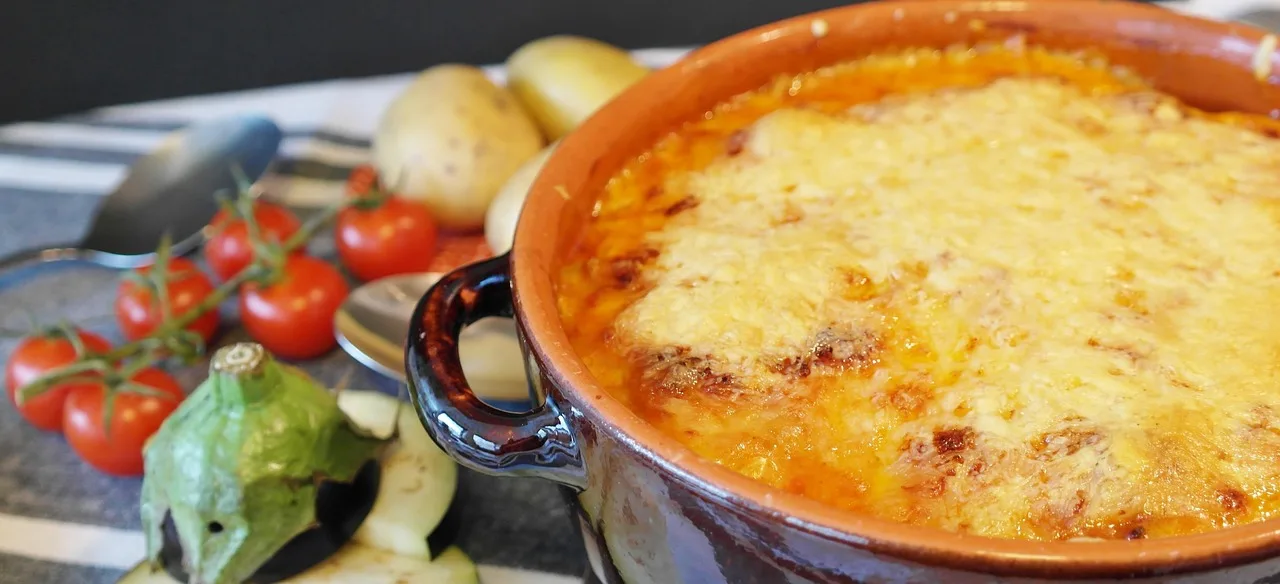
Yes, but a travel hold should be short. Use an insulated cooler for about 30 minutes, and preheat the cooler first with a pot of boiling water if you need a little more time. USDA/extension guidance for insulated transport is to treat it as a brief bridge, not a safe long-term warmer; once you are past that short window, reheat again on arrival instead of relying on insulation alone. Keep the dish covered, and check the center temperature before it goes on the table.
How do you keep a casserole warm for potluck travel?
Wrap the dish tightly, place it in an insulated cooler, and keep the lid closed until serving. For potluck travel, a casserole with a crisp topping is most likely to soften in transit, so save the final crunchy garnish until after arrival if possible. If the casserole has been in transit long enough that you are unsure about temperature, reheat it to 165°F on arrival, then hold it above 140°F until serving.
Can I use an instant Pot Keep warm setting?
Yes, but only with caution. Instant Pot Keep Warm can be useful for keeping a casserole or casserole-like filling warm after cooking, especially if you are serving from the insert and the dish is saucy or creamy. It is not ideal for crisp toppings, baked gratins, or anything that needs oven-style browning, and the setting can be too gentle for food that started cool. Use it as a short, monitored hold and confirm the center stays above 140°F.
Is the electric blanket warming hack safe?
Usually no. Wrapping a casserole in an electric blanket or using one as a substitute warmer is not a reliable food-safety method because it does not provide even, verifiable heat and may leave parts of the dish in the danger zone. It can also create a fire or electrical hazard if used near foil, moisture, or a leaking pan. If you need a backup for transport, use an insulated cooler or insulated bag; if you need holding heat, use an actual oven, warmer, slow cooker Keep Warm setting, or chafing dish.
Can I use a dishwasher dry cycle to keep a casserole warm?
No. A dishwasher dry cycle is not a food warmer and should not be used to hold cooked food. It is unsuitable because temperatures vary, heat distribution is uneven, and the appliance is not designed for safe food holding. Even if it feels warm inside, it is not a dependable way to keep a casserole at 140°F or above, and it should be ruled out completely.
Common mistakes
- Holding too long at too low a temperature: stop holding and serve once the texture starts to break down.
- Leaving crunchy toppings uncovered too early: cover the base, then uncover briefly only near serving time.
- Using a small warmer for a large casserole: a toaster oven is better for small items like rolls or dessert.
- Assuming every casserole keeps the same texture: creamy, cheesy, starchy, and crunchy-topped dishes fail in different ways.
- Letting travel stretch past the cooler window: reheat again on arrival if the trip runs long.
- Relying on guesswork instead of a thermometer: if the center is under 140°F, warm it more before serving.
- Using a non-food warmer such as an electric blanket or dishwasher dry cycle: these are not safe substitutes for a proper holding method.
If that didn’t work, try this next
If the casserole is cooling too fast, move it to a hotter holding method rather than leaving it longer in a weak one. A slow cooker on Keep Warm, a hot oven drawer, or a chafing dish will hold heat more evenly than a wrapped pan that has already drifted down.
If the topping is soggy, remove the cover for the last few minutes of holding. If the edges are dry, add a tight cover and shorten the hold next time. If the dish has already been out too long, reheat it fully and serve right away instead of trying to stretch the window. A center thermometer check is the tie-breaker: if it is not at 140°F or above, it is not ready to stay in hold mode yet.
Can I use a slow cooker to keep a casserole warm?
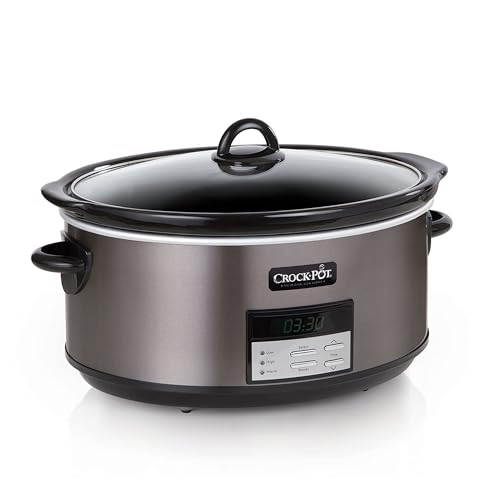
Yes. The Keep Warm setting is the right choice after cooking, especially when you need to hold a casserole without moving it to another pan. It works best for oven-baked or stovetop casseroles that can transfer cleanly and do not need a crisp top for the full hold. For best results, use it only after the food has already been heated through, and check that the center stays at 140°F or above.
How do you keep a casserole warm without drying it out?
Keep it covered for most of the hold, use a low oven setting around 200°F, and avoid repeated lid lifting. Creamy and cheesy casseroles dry out slower than starchy ones, but all of them suffer when hot air circulates over the surface too long. If the casserole has a crust or topping, uncover it only at the end, and if you are unsure whether it is still hot enough, check the center with a thermometer.
What is the best way to keep a casserole warm after baking?
For most holiday dinners, the best method is a covered hold in a 200°F oven if the oven has spare space. If the casserole must wait longer than an hour, move to a slow cooker Keep Warm setting or a chafing dish so the heat stays steadier. If the casserole cools below the safe hot-hold range, reheat it to 165°F first, then return it to a warm holding setup.
How long can a casserole stay warm in an insulated cooler?
About 30 minutes is the useful window for an insulated cooler. That is enough for a short drive or a delay before dinner, but it is not a long-hold method. For a longer gap, reheat the casserole again once you arrive. A cooler is best thought of as a short bridge between the kitchen and the next heat source, not as a final serving solution.
How to heat up a casserole
Reheat it in a covered oven-safe dish until the center is hot, then switch to holding. USDA/FSIS reheating guidance for leftovers calls for 165°F in the center, so use the thermometer first and the timer second. A common rule is to warm leftovers in the oven rather than the microwave if you want a firmer texture on top, especially with layered casseroles that need even heat.
Frequently asked questions
What temperature should I keep a casserole warm in the oven?
Use a low hold around 200°F. That temperature is suited to keeping food warm while other dishes finish. Keep the casserole covered if the filling is drying out, and uncover only near service if the top needs to stay a little crisp.
How can I keep a casserole warm for hours?
Move beyond a basic oven hold. A chafing dish is built to keep food warm for hours, and a slow cooker on Keep Warm is another solid choice if the casserole fits. Both work better than repeatedly reopening the oven.
How can I keep a casserole warm for hours?
Use a chafing dish for buffet-style service, or keep it in a slow cooker on Keep Warm if the shape fits. For a long holiday spread, those options hold heat better than a standard oven hold and are less likely to dry the edges. Even then, the center should still be checked periodically so the food stays at 140°F or above for the full serving window.
How do you keep a casserole warm for holiday dinner?
Use the shortest safe hold that fits the meal plan. A covered 200°F oven works for a brief wait, while a slow cooker Keep Warm setting or chafing dish fits longer holiday service. Keep the topping strategy tied to the casserole style, not to the clock alone. In a real holiday setup, that usually means a stuffing casserole gets tighter coverage, green bean casserole gets its crunchy topping timed late, and mac and cheese needs the closest thermometer watch if it sits near the buffet.
Products related to this article
Sponsored / affiliate links. As an Amazon Associate I earn from qualifying purchases. I may earn additional commission from eligible campaigns.