Best Casserole Dishes for Thanksgiving (2025): Based on Specs and Reviews
For Thanksgiving, the best casserole dish size is usually a 13-by-9-inch pan in the 3- to 5-quart range, because it fits most holiday sides without crowding the topping or drying out the center. For smaller tables, 2 quarts is often enough; for larger groups or deeper bakes, 4 quarts or more is safer. The right size depends on guest count, side density, browning needs, and whether the dish has to travel.

Quick answer
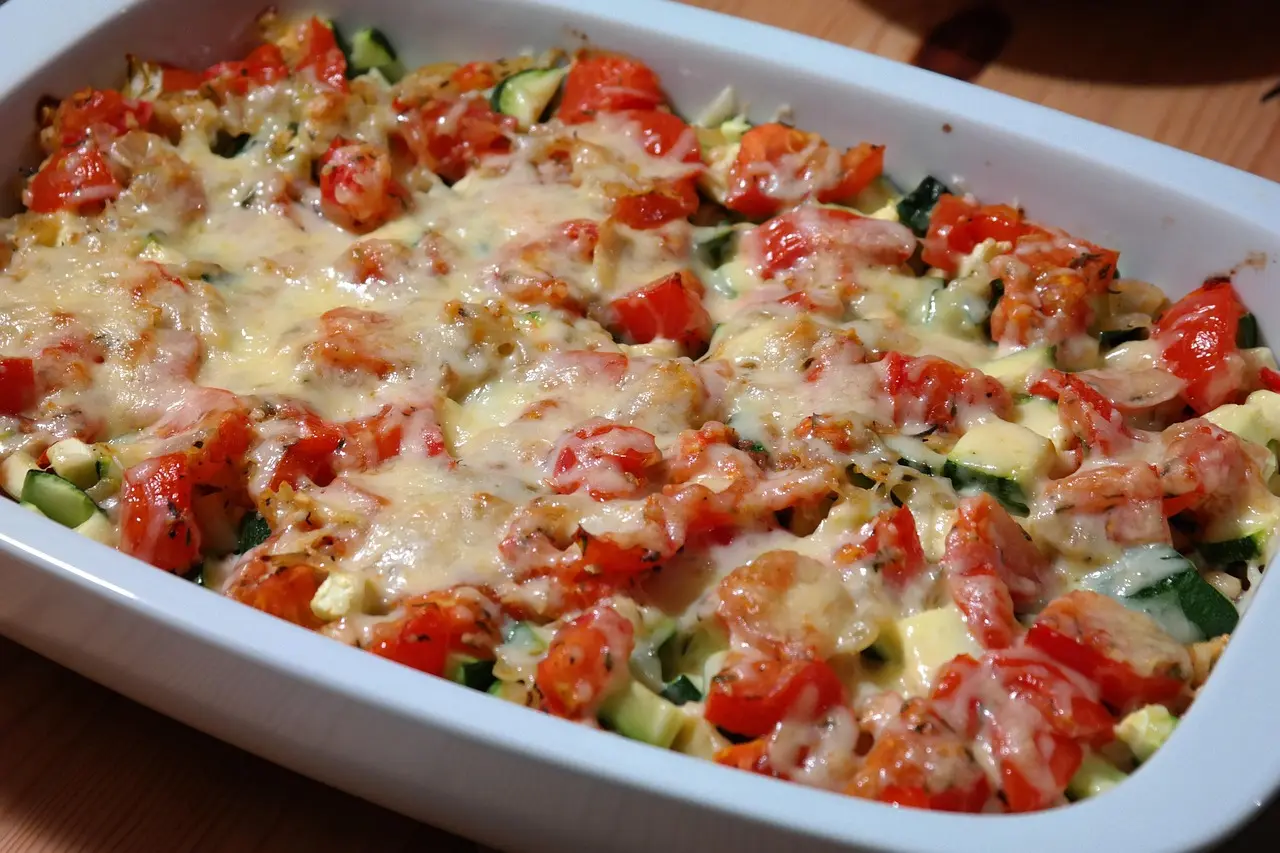
The best casserole dish size for Thanksgiving is usually a 13-by-9-inch rectangular dish in the 3- to 5-quart range. That size matches common side-dish recipes, gives toppings enough surface area to brown, and holds enough volume for about 8 to 10 servings without pushing food too deep or too thin.
How we chose
These recommendations are based on standard serving-size math, common pan capacities, and recipe guidance from established cookware brands and publishers. The practical rule is simple: the pan has to match the recipe’s intended depth, not just the headcount. Too-small pans spill; too-large pans can dry out starchy sides before the center is hot.
We also prioritized guidance that reflects real Thanksgiving use: a dish may need to move from oven to table, sit warm while the turkey rests, or go into the fridge with a lid. Glass, ceramic, and enameled cast iron are all common oven-safe choices, but the best material depends on whether you care most about browning, heat retention, or easy transport.
For serving math, many publishers treat a casserole side as roughly 4 to 6 ounces per person, which is why a 2-quart pan suits a small gathering, while a 4-quart pan is better for a full holiday spread. For capacities, many standard 9-by-13-inch dishes fall in the 3- to 5-quart range, though deep versions can hold more. Sources commonly note that deeper pans help prevent overflow but may soften crisp toppings.
Casserole size calculator by guest count and side type
| Guest count | Side type | Best dimensions | Quart range | Depth / topping guidance | Thanksgiving fit |
|---|---|---|---|---|---|
| 2 to 4 | Green bean casserole | 8×8-inch or similar compact square | 1.5 to 2 quarts | Use a shallow layer for crisp onions; add depth only if the recipe is very saucy. | Best when the casserole is one of several sides and you want a thicker topping layer. |
| 2 to 4 | Sweet potato casserole | 8×8-inch or 9×9-inch | 2 quarts | Good for marshmallows or streusel when you want strong browning and a compact center. | Best for small tables or when the sweet side is being served alongside multiple mains. |
| 4 to 6 | Stuffing | 9×9-inch or small rectangular baker | 2 to 3 quarts | Choose a medium depth so the center stays moist without burying the top crust. | Works well for a smaller family meal or a potluck side that will be reheated. |
| 6 to 8 | Mac and cheese | 13×9-inch | 3 to 4 quarts | Use enough depth to keep the sauce creamy; wider pans brown the top more evenly. | Best default for a crowd-pleasing baked pasta side with a breadcrumb or cheese top. |
| 8 to 10 | Green bean casserole | 13×9-inch | 3 to 4 quarts | Shallow to medium depth helps the onion topping stay crisp; avoid overly deep pans. | Good for a standard Thanksgiving table where the casserole needs to serve a full group. |
| 8 to 10 | Sweet potato casserole | 13×9-inch | 3 to 4 quarts | Use a pan that leaves room for marshmallows or streusel without crowding the rim. | Best when you want a substantial sweet side with visible browning on top. |
| 8 to 10 | Stuffing | 13×9-inch | 3 to 4 quarts | Medium depth keeps the center tender, but a shallower pan browns the top better. | Ideal for a traditional Thanksgiving dinner where stuffing is one of the anchor sides. |
| 8 to 10 | Mac and cheese | 13×9-inch, deep version if saucy | 4 to 5 quarts | Choose deeper walls for extra sauce; choose a shallower pan if the crust matters most. | Strong choice for a rich baked pasta that needs room for bubbling and cheese browning. |
| 12 to 14 | Green bean casserole | Deep 13×9-inch or large rectangular baker | 4 to 5 quarts | Depth helps if you are scaling up, but too much depth can mute the topping. | Use when the casserole must feed a larger crowd and still arrive at the table hot. |
| 12 to 14 | Sweet potato casserole | Large rectangular baker | 4 to 6 quarts | Give the topping room, but avoid overfilling; marshmallows and crumbs need headspace. | Best for a large, high-traffic holiday meal where one pan has to serve many guests. |
| 12 to 14 | Stuffing | Large rectangular baker | 4 to 6 quarts | Use a wide pan if you want a browned top; a deep pan keeps moisture but softens crust. | Works well when stuffing is being baked separately from the bird and served in bulk. |
| 12 to 14 | Mac and cheese | Large rectangular baker or deep 13×9-inch | 4 to 6 quarts | Wide surface area improves browning; deeper capacity protects a rich, custardy center. | Best for buffet-style serving or when mac and cheese is a second main alongside turkey. |
Use the table as a sizing shortcut: start with guest count, then adjust for recipe density and topping height. A loose, sauce-heavy casserole needs more depth; a breadcrumb or onion topping benefits from a wider pan. In Thanksgiving cooking, the best pan is often the one that balances headspace and browning, not the largest one available.
What size pan works best for a 13-by-9 casserole?
A 13-by-9 pan is usually the best all-purpose Thanksgiving casserole size because it sits in the practical middle ground for capacity, browning, and serving. Cookware brands commonly place 13-by-9 dishes in the 3- to 5-quart range, with deep versions holding even more. That makes it the safest choice for most holiday sides.
4-quart casserole dish: when do you need more depth?
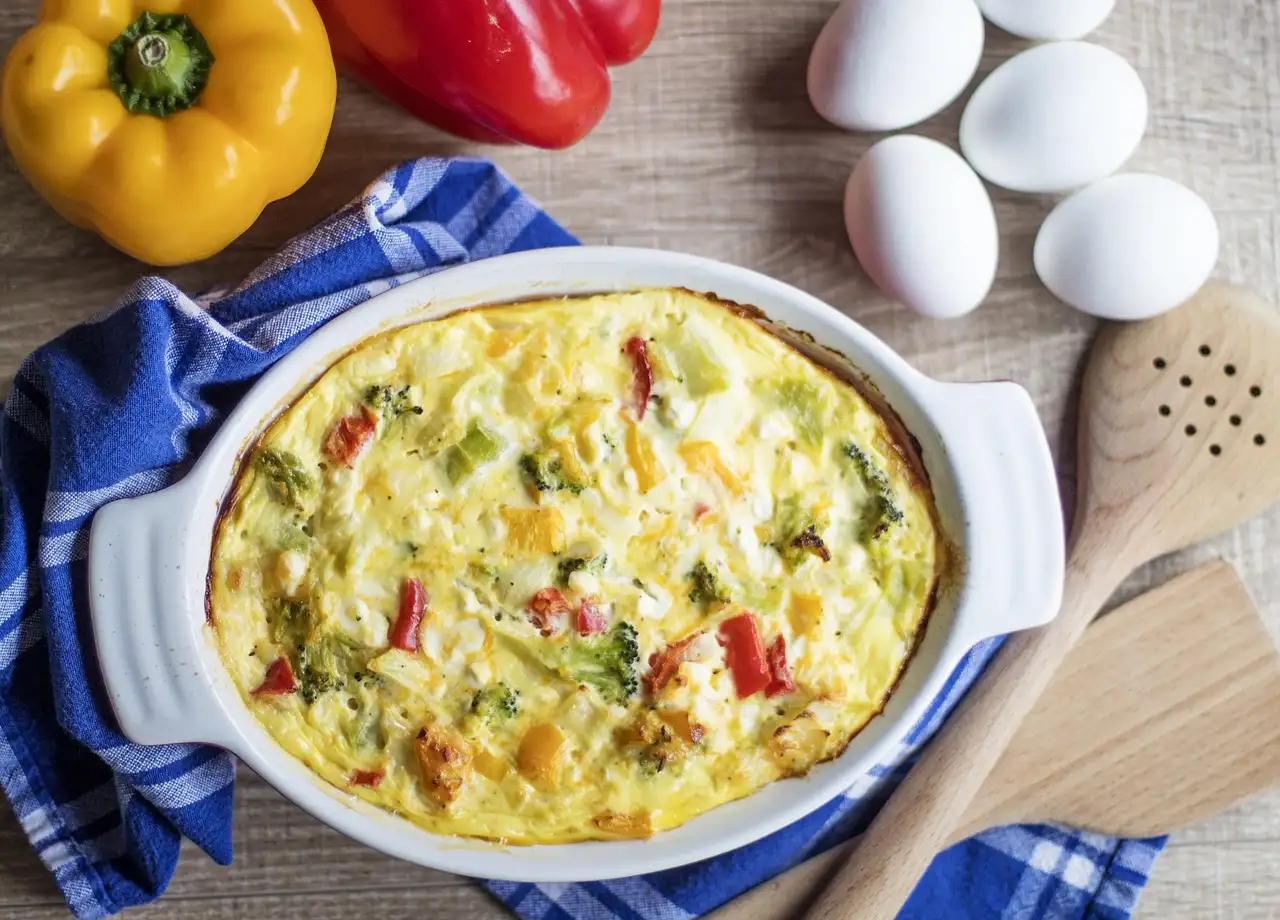

A 4-quart casserole dish is useful when the recipe is thick, layered, or likely to bubble up, because the added depth reduces spillover risk. It is especially helpful for holiday casseroles with rich sauces, mashed sweet potatoes, or stuffing that needs room to rise without overflowing. The tradeoff is a softer top if the pan is too deep.
Best for green bean casserole and sweet potato casserole
Green bean casserole and sweet potato casserole often work well in a 4-quart dish when you are feeding 8 to 12 people. The extra depth is useful for thicker fillings, but a wide enough pan still matters because holiday toppings need surface area to brown instead of steaming.
The practical caveat is browning. A deeper dish keeps splatter down and protects the center, but it can also reduce crispness at the top. If the topping is the main event, use a pan that is wide enough to leave the casserole fairly shallow; if overflow is the bigger concern, go deeper.
When deeper walls help or hurt
Deeper walls help most with wet, dense, or cheese-heavy casseroles. They hurt when you want a crusty top, because the extra depth slows evaporation and browning. For Thanksgiving, that means deep pans are better for saucy bakes and less ideal for onion-topped or marshmallow-topped sides that should finish crisp.
A good rule is to choose the shallowest pan that still gives you safe headspace. That protects the oven from spills without sacrificing the top layer. If the recipe is already rich and dense, a very deep dish can be more of a liability than a help.
2-quart casserole dish: when is the smaller size better?

A 2-quart casserole dish is the better choice for small gatherings, side dishes with strong structure, or recipes that should not spread too thin. For 2 to 4 people, it keeps the casserole compact and moist. It is also helpful when you are serving several dishes and want one side to stay tidy and easy to reheat.
Best for 2 to 4 people
For a small Thanksgiving, 2 quarts usually gives the best balance of thickness and serving size. It is a strong fit for smaller green bean casseroles, sweet potato sides, or stuffing bakes that would look too flat in a larger pan. The result is better texture and less risk of dry edges.
If a recipe was developed for a larger crowd, a smaller pan is not always a downgrade. It can actually improve the dish by keeping the filling deeper and the topping more controlled. The key caveat is that the recipe should still have room for bubbling; if it is filled to the brim, choose the bigger pan.
When a smaller dish avoids a thin top layer
A smaller dish is helpful when the topping should stay dense and the center should stay moist. That matters for small stuffing casseroles, compact vegetable bakes, and sweet sides with crumbs or marshmallows. The tradeoff is capacity: if you need leftovers or a very full serving, the 2-quart pan may be too small.
Which casserole dish should you buy for Thanksgiving?
If you only buy one casserole dish, choose a rectangular 13-by-9-inch pan in the 3- to 5-quart range. It is the most flexible size for Thanksgiving because it handles stuffing, mac and cheese, green bean casserole, and sweet potato casserole well. For most households, that one pan covers the widest range of recipes.
If your menu leans toward smaller, denser sides, a 2-quart dish is a useful backup. If you regularly cook for 12 or more people, a deep 4-quart or larger baker is a better match. The best choice is the pan that fits your usual recipe depth, not the pan with the biggest number on the label.
Material matters too. Glass is useful when you want to watch browning and keep leftovers covered; ceramic and stoneware are popular for even heating and presentation; enameled cast iron excels at heat retention. All three are common Thanksgiving-friendly materials, but each has different tradeoffs for weight, browning, and easy handling.
Material tradeoffs that matter at Thanksgiving
Glass is the simplest choice for checking doneness and seeing whether the edges are browning. Ceramic and stoneware are often favored for their even heating and oven-to-table appearance. Enameled cast iron holds heat well, which is helpful for serving, but it is heavier and can be less convenient when the dish needs to travel.
Oven-safe ratings also matter. Brands publish different maximum temperatures depending on the material and lid, so the safe rating on the dish should match the recipe. If you plan to finish a topping under high heat, confirm that the bakeware is rated for that temperature before you rely on it.
How many quarts is a typical casserole dish?

A typical casserole dish ranges from about 1 quart to 6 quarts, with many Thanksgiving-friendly recipes landing in the 2- to 5-quart range. That span reflects both serving size and recipe depth. Smaller dishes are better for compact portions, while larger dishes are better when the casserole needs to feed a crowd or hold a thick topping.
In practice, the quart count should match the recipe’s density as much as the guest count. A loose, saucy bake usually needs more room than a firm, layered casserole. For holiday cooking, the best pan is the one that prevents overflow without creating a flat, dry layer.
Is a 9×13 dish big enough for Thanksgiving casseroles?
Yes, a 9×13 dish is big enough for many Thanksgiving casseroles and is often the most useful single pan to own. It usually lands in the 3- to 5-quart range, which is why it works well for mac and cheese, stuffing bakes, green bean casserole, and other sides made for 8 to 10 guests.
The exception is topping height. If a recipe needs a very crisp surface, a shallower version can brown better than a very deep one. If the recipe is very saucy or you want a lid for transport, the deeper 9×13 style is usually the smarter choice.
Frequently asked questions
What size casserole dish do I need for Thanksgiving?
For most Thanksgiving sides, start with a 13-by-9-inch rectangular dish in the 3- to 5-quart range. If you are cooking for 2 to 4 people, a 2-quart dish is usually enough. If you are feeding a larger group, a 4-quart or larger baker gives you more room for bubbling fillings and toppings.
What is the best casserole dish size for a side dish for 8 people?
For 8 people, a 3- to 4-quart dish is usually the best fit, and a 13-by-9-inch pan is the most practical default. It gives enough depth for a full batch without making the casserole too tall, and it leaves enough surface area for browning on top. For many Thanksgiving sides, that is the sweet spot.
What size casserole dish for 2 people?
For 2 people, choose a 1- to 2-quart casserole dish, with 2 quarts being the safer pick if you want leftovers. A smaller pan keeps the food from spreading thin, which helps with moisture and texture. It is also easier to reheat and store in the fridge after dinner.
What size dish works best for green bean casserole?
Green bean casserole usually works best in a 2-quart to 4-quart dish, depending on how many people you are serving. For a small group, 2 quarts is enough. For a larger Thanksgiving table, a 13-by-9 or 4-quart dish gives you more room for sauce, beans, and a crisp onion topping.
Should I use a round or rectangular casserole dish?

Rectangular is usually better for Thanksgiving because it suits layered casseroles, slices cleanly, and makes portioning easier. Round or oval dishes can look nicer on the table, but they usually waste more space for the same footprint. For holiday sides that need even serving portions, rectangular is the more practical shape.
Sources
- USDA MyPlate and holiday serving guidance for portion planning.
- Cookware brand size and oven-safe specifications from Pyrex, Le Creuset, Anchor Hocking, and similar established manufacturers.
- Recipe and baking-pan guidance from established publishers for 9×13-inch and casserole-dish sizing.
- University extension and food-safety sources for oven-to-table handling and safe hot-food serving practices.
Products related to this article
Sponsored / affiliate links. As an Amazon Associate I earn from qualifying purchases. I may earn additional commission from eligible campaigns.