It’s 6:30 PM on a Tuesday. You open the fridge and see the leftover lasagna or tuna noodle casserole from Sunday. Your stomach wants it, but your memory says the last time you reheated a casserole, the cheese turned rubbery and the noodles went mushy. So you order pizza instead.
That’s a waste. Reheating a casserole isn’t hard once you understand what’s actually happening. Heat drives moisture out of the food, and most casseroles are mostly moisture. The trick is to slow that process down or add moisture back while you heat. This guide walks you through every method — oven, microwave, skillet, even straight from the freezer — so you can pick the right one for the dish in front of you.
M MCIRCO
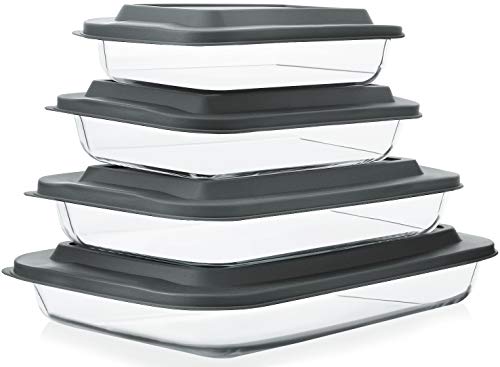
M MCIRCO 8 Piece Deep Glass Baking…
- PREMIUM LARGE BAKING PAN SET: Our baking dishes are made of borosilicate glass, can be used in microwave, oven, freezer and dishwa…
- TIGHT FITTING LIDS: 8-piece baking dishes set includes 4 baking dishes and 4 gray plastic tight fitting lids, which are designed t…
- ELEGANT DESIGN: The clear glass baking pan makes a nice, attractive presentation for enjoyable baking time, a charming decoration…
As an Amazon Associate I earn from qualifying purchases.
You’ll get exact temperatures, times, and a few tricks like the water bath that most home cooks skip. No vague advice. Just a decision-based system that works.
Having the right dish makes a real difference here. A set like the M MCIRCO 8 Piece Deep Glass Baking Dish with Lids lets you bake, store, and reheat in the same container. The borosilicate glass handles the oven and microwave, and the tight lids keep leftovers from picking up fridge odors. You can also skip the transfer step, which means less mess and fewer dishes to wash.
Which Reheating Method Should You Use?
Stop searching for a universal answer. There isn’t one. The right method depends on three things: what’s in the casserole, how much you’re reheating, and how much time you have.
Here’s a quick decision tree to get you pointed in the right direction.
- Creamy or saucy casserole (chicken divan, tuna noodle, scalloped potatoes): Use the oven at 325°F. The lower heat keeps the sauce from breaking and separating.
- Pasta or rice casserole (lasagna, baked ziti, rice casserole): Oven at 350°F with a splash of liquid added. The grains soak up moisture and rehydrate without turning to paste.
- Crispy or cheesy topping (green bean casserole with fried onions, tater tot casserole): Oven at 375°F, but add the topping partway through so it crisps without burning.
- Single serving, in a hurry: Microwave at 50% power in 60-second bursts. It won’t be perfect, but it’ll be edible in three minutes.
- Single serving, want it crispy: Skillet on medium-low with a lid. You get browning on the bottom and even heating throughout.
That’s the short version. The rest of this guide explains exactly how to execute each one.
The Oven Method: The Gold Standard
The oven is the best way to reheat a casserole because it heats evenly from all sides. Microwaves create hot spots. Skillets only heat the bottom. The oven surrounds the food with consistent heat, which means the middle gets warm at the same rate as the edges.
There’s a trade-off: it takes time. Plan for 20 to 45 minutes depending on the size and density of the casserole. If you’re reheating a single serving, the oven feels like overkill. But for a full dish or even half a dish, it’s worth the wait.
Step-by-Step Oven Method
- Preheat the oven to 325°F to 350°F. Lower is better for creamy dishes; higher works for crispy toppings.
- Take the casserole out of the fridge and let it sit on the counter for 15 minutes. This reduces the temperature shock and helps it heat more evenly.
- Sprinkle a tablespoon or two of water, milk, or broth over the top. This replaces moisture lost during refrigeration and initial baking.
- Cover the dish tightly with aluminum foil. The foil traps steam, which keeps the casserole moist.
- Bake for 20 minutes for a single serving, 30 minutes for a half dish, and 40 to 45 minutes for a full casserole.
- Check the internal temperature with an instant-read thermometer. You want it at 165°F in the center.
- If the topping needs crisping, remove the foil for the last 5 to 10 minutes. Keep an eye on it — breadcrumbs and fried onions go from brown to burnt fast.
One thing people get wrong: they set the oven too high. 400°F will dry out the edges before the middle is warm. Stick to 325°F or 350°F. Patience is the whole game here.
Oven Reheating Times and Temperatures by Casserole Type
Not all casseroles behave the same in the oven. Here are specific numbers for the most common types.
| Casserole Type | Temperature | Time (Single Serving) | Time (Full Dish) | Extra Step |
|---|---|---|---|---|
| Creamy (chicken divan, tuna noodle) | 325°F | 15–20 min | 30–40 min | Add 2 tbsp milk before covering |
| Pasta (lasagna, baked ziti) | 350°F | 20 min | 35–45 min | Add 2 tbsp water or marinara |
| Rice-based | 325°F | 15–20 min | 30–35 min | Add 3 tbsp broth to rehydrate |
| Vegetable (green bean, broccoli) | 350°F | 15 min | 25–30 min | Add topping after 15 min |
| Breakfast strata or egg-based | 325°F | 15 min | 25–35 min | Cover tightly; eggs dry out fast |
| Sweet potato or fruit-based | 350°F | 15 min | 25–30 min | No added liquid needed |
These times assume the casserole was refrigerated, not frozen. Frozen casseroles need a different approach, covered later in this guide.
The Microwave Method: Fast but Tricky
Microwaves are convenient because they’re fast. They’re also the easiest way to ruin a casserole. The high energy excites water molecules, which turns moisture into steam. That steam escapes, and the food comes out dry and rubbery.
You can work around this. The key is lower power and shorter bursts.
- Transfer a single serving to a microwave-safe dish. If you’re using the same glass baking dish you baked in, make sure it’s labeled microwave-safe. The M MCIRCO dishes are, but not all glass is.
- Sprinkle a teaspoon of water over the top. This adds moisture that the microwave will turn into steam.
- Cover the dish with a microwave-safe lid or a damp paper towel. The cover traps steam and prevents splatter.
- Set the microwave to 50% power. This is the most important step. High power cooks the outside before the inside is warm.
- Heat in 60-second intervals. Stir or rotate the dish between intervals. Casseroles are dense, so they hold heat unevenly.
- Stop when the internal temperature hits 165°F. Usually takes 2 to 4 minutes for a single serving.
Here’s the honest truth: the microwave will never give you a crispy topping. If the dish has breadcrumbs, fried onions, or a cheese crust, the microwave will make them soggy. Use the microwave only when you don’t care about texture, or when you’re reheating a creamy casserole where the sauce matters more than the topping.
The Skillet Method: Best for Single Servings
Most people don’t think of a skillet when reheating a casserole. That’s a mistake. A skillet gives you browning on the bottom — something neither the microwave nor the oven can do quickly — and it works in about 10 minutes.
This method works best for single servings or small portions. It’s ideal for lasagna slices, baked ziti, or any casserole with a defined shape.
- Place a nonstick or cast-iron skillet on medium-low heat.
- Add a teaspoon of butter or oil. This prevents sticking and adds flavor.
- Place the casserole slice in the skillet. Don’t break it apart.
- Add a tablespoon of water or broth to the side of the skillet, away from the food. This creates steam.
- Cover the skillet with a lid. The trapped steam heats the top while the bottom crisps.
- Cook for 4 to 6 minutes, then check. The bottom should be golden and the top should be warm.
- If the center is still cold, flip the slice and cook for another 2 to 3 minutes.
The downside: this method doesn’t work for loose, scoopable casseroles like green bean casserole or scalloped potatoes. Those need the structure of a baking dish. But for anything sliceable, the skillet is the best quick method out there.

Reheating a Frozen Casserole
Frozen casseroles change the math completely. You have two options: thaw first or go straight from the freezer. Both work, but they take different amounts of time.
Thawed First
Thawing in the refrigerator overnight is the best approach. It preserves texture and cuts oven time roughly in half. Move the casserole from the freezer to the fridge 24 hours before you plan to eat it.
Once thawed, use the standard oven method above. Add 5 to 10 minutes to the bake time because the center will still be cold.
Straight from the Freezer
You can bake a frozen casserole without thawing. It works, but you need to adjust the time significantly.
- Preheat the oven to 350°F.
- Cover the frozen casserole tightly with foil. Do not add liquid — the ice crystals will melt into water as it heats.
- Bake for 60 to 75 minutes for a full dish. Single servings take 30 to 40 minutes.
- Remove the foil for the last 10 minutes if you want a crispy top.
- Check the internal temperature in multiple spots. Frozen casseroles heat unevenly, so the center might still be cold when the edges are hot. You need 165°F everywhere.
One warning: if the casserole is in a glass dish, don’t put it straight from the freezer into a hot oven. The temperature shock can crack the glass. Let it sit on the counter for 20 minutes first, or use a metal pan. If you’re using the M MCIRCO glass dishes, they’re borosilicate which handles temperature swings better than standard glass, but it’s still smart to let it warm up a bit.
5 Mistakes That Dry Out Your Casserole
Most dry casseroles aren’t a recipe failure. They’re a reheating failure. Here are the five mistakes I see most often, and how to fix them.
- Using high heat. 400°F or a full-power microwave cooks the outside fast and turns the inside to paste. Drop to 325°F in the oven or 50% power in the microwave.
- Skipping the cover. Uncovered casseroles lose moisture to evaporation. Foil, a lid, or a damp paper towel traps steam and keeps the food moist.
- Ignoring the internal temperature. Guessing when it’s done leads to either cold centers or overcooked edges. Use a thermometer. 165°F is the target.
- Adding no liquid. Refrigerated casseroles lose moisture over time. A tablespoon of water, milk, or broth before reheating replaces what’s gone.
- Reheating the whole dish when you only need one serving. Every time you heat and cool a casserole, it loses quality. Reheat only what you’ll eat. It’s better for the leftovers and better for the dish.
The Water Bath Trick for Extra Moisture
Here’s a technique most home cooks don’t know: the water bath. It’s the same method used for cheesecakes and custards, and it works brilliantly for reheating dense, creamy casseroles.
A water bath adds gentle, moist heat. Instead of the oven’s dry air pulling moisture out of the food, the steam from the water keeps everything hydrated.
- Preheat the oven to 325°F.
- Place the casserole dish inside a larger baking pan.
- Pour hot water into the larger pan until it comes about halfway up the sides of the casserole dish.
- Cover the casserole with foil.
- Bake for the normal time, then check the internal temperature.
The water bath is especially useful for egg-based casseroles like breakfast strata or quiche-style dishes. These are prone to drying out because eggs set and release moisture. The water bath keeps them soft and custardy.
It’s not necessary for every dish. Pasta casseroles and vegetable bakes do fine with just foil. But if you’ve ever reheated a creamy casserole and found it grainy or separated, the water bath is the fix.
Is It Safe to Reheat a Casserole More Than Once?
Technically, yes, but you shouldn’t. Each time you reheat and cool a casserole, it spends more time in the temperature danger zone (40°F to 140°F) where bacteria multiply. The USDA recommends reheating leftovers only once.
Here’s the practical problem: reheating twice ruins texture. The first reheat already drives out moisture and breaks down starches. The second reheat turns noodles to mush and sauce into a watery mess.
If you know you’ll have leftovers, portion them out before the first reheat. Put single servings in separate containers. Then you only reheat what you’ll eat, and you never have to deal with a twice-reheated casserole.
If you do reheat a casserole twice — say, you made a big batch and forgot to portion it — make sure it hits 165°F throughout and don’t let it sit out for more than two hours total. But plan better next time.
Frequently Asked Questions
What temperature should I reheat a casserole at?
Use 325°F to 350°F. Creamy and egg-based casseroles do better at 325°F because lower heat keeps the sauce from breaking. Pasta and vegetable casseroles are fine at 350°F. Anything above 375°F will dry out the edges before the center is warm.
How long does it take to reheat a casserole?
A single serving takes 15 to 20 minutes in the oven, 2 to 4 minutes in the microwave, or 6 to 10 minutes in a skillet. A full casserole takes 30 to 45 minutes in the oven. Frozen casseroles take 60 to 75 minutes. Always check the internal temperature rather than relying on time alone.
How do I reheat a casserole without a microwave or oven?
Use a skillet on the stovetop. Add a little butter or oil, place the casserole slice in the pan, add a tablespoon of water to the side, and cover with a lid. Cook on medium-low for 4 to 6 minutes. This works for sliceable casseroles like lasagna or baked ziti, but not for loose, scoopable dishes.
Why does my casserole come out watery after reheating?
That’s likely from reheating too fast. High heat causes the sauce to separate and release water. The fix is to reheat at a lower temperature and stir or rotate the dish during heating. If you’re using a microwave, drop the power to 50% and heat in shorter bursts.
Can I reheat a casserole in a toaster oven?
Yes. A toaster oven works like a regular oven but heats faster because the chamber is smaller. Use the same temperature and times as a conventional oven, but check a few minutes early. The smaller space means the exterior can brown faster. For a detailed walkthrough on reheating other dishes in a toaster oven, check out this toaster oven guide for similar principles.
Should I cover a casserole when reheating?
Yes, cover it tightly with foil or a lid. The cover traps steam and keeps the casserole moist. Remove the cover for the last 5 to 10 minutes if you want a crispy topping. The only exception is when you’re using a water bath, where the water provides the moisture.
What Actually Works: A Quick Recap
- Use the oven at 325°F to 350°F for the best texture. Cover with foil and add a splash of liquid.
- Use the microwave only for single servings, at 50% power, in 60-second bursts. Cover with a damp paper towel.
- Use a skillet for sliceable casseroles when you want a crispy bottom in under 10 minutes.
- Frozen casseroles need 60 to 75 minutes at 350°F. Let glass dishes sit out for 20 minutes before baking.
- Always check the internal temperature. 165°F is the target, not a guess.
- Don’t reheat a casserole more than once. Portion leftovers before the first reheat.
- If you’ve never tried the water bath trick, test it on a creamy casserole. It’s a game changer for texture.
Reheating a casserole doesn’t have to be a gamble. Match the method to the dish, control the heat, and add moisture back where it’s been lost. Your leftovers deserve better than a rubbery microwave disaster.