Why Texture and Acidity Matter with Tuna Casserole
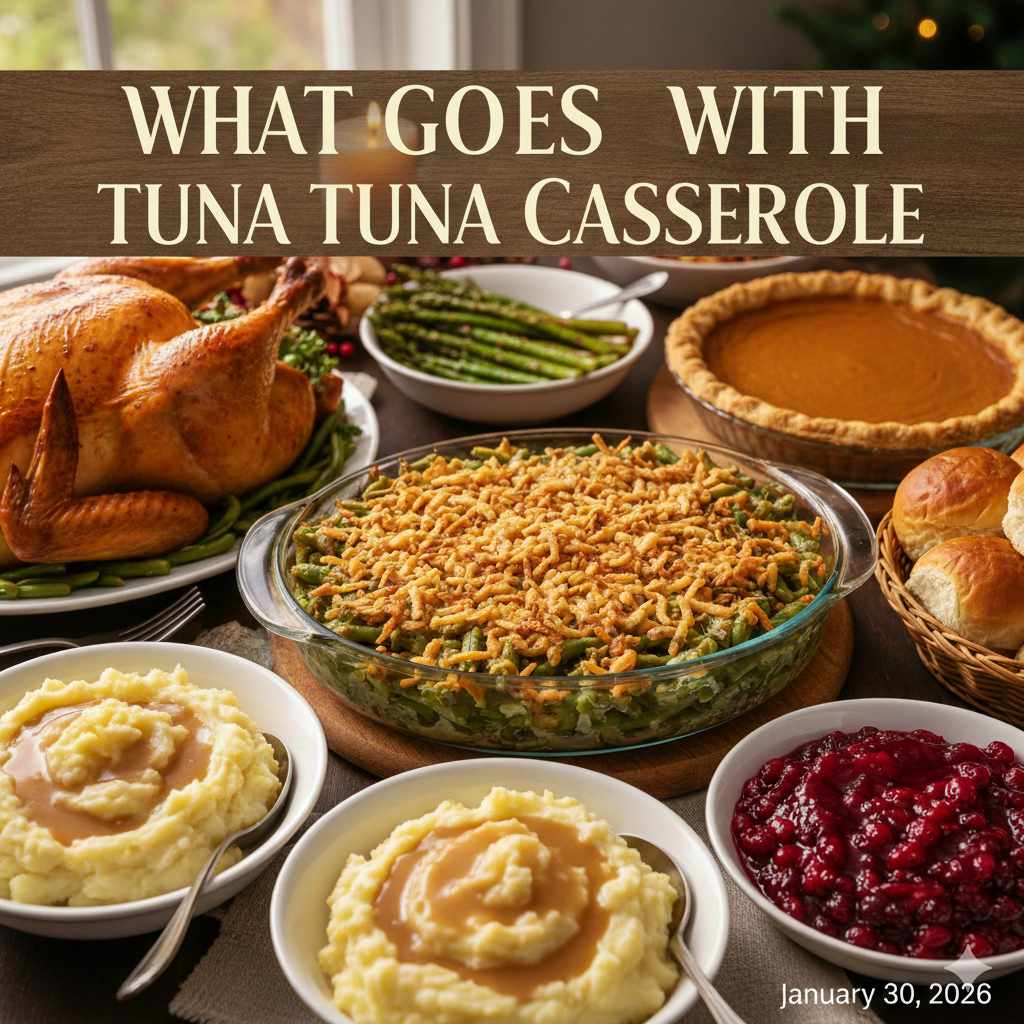
Tuna casserole is a weeknight staple for good reason. It’s creamy, filling, and comes together in under an hour. But that same creaminess can become monotonous after a few bites. The sauce coats everything in the same soft, rich blanket, and without contrast, the whole plate tastes flat.
That’s where the right sides come in. You need something crunchy to break up the texture, something acidic to cut through the fat, and something fresh to lighten the meal. A bright, tangy salad or a handful of crispy roasted vegetables does more than fill the plate—it makes the casserole taste better than it would alone.

Colman's
Original Colman's Tuna Pasta Bake Recipe Mix…
- Original Colman's Tuna Pasta Bake Recipe Mix Imported From The UK England The Best British Recipe Mix
As an Amazon Associate I earn from qualifying purchases.
Think of it as balancing three elements: texture, acid, and temperature. Hot casserole, cold crisp salad, warm crusty bread. That contrast is what turns a simple dinner into something you actually crave. This guide walks through the best options for each category, plus sides for specific diets, make-ahead strategies, and even drink pairings.
If you’re short on time, a quality recipe mix can simplify the process. The Original Colman’s Tuna Pasta Bake Recipe Mix delivers that classic British flavor with minimal effort, so you can focus your energy on the sides that make the meal shine.
The Best Bread and Carb Sides
Bread is the obvious companion to any casserole. It soaks up the creamy sauce and adds a chewy or crispy element that the dish lacks. But not all bread works equally well.
Garlic Bread vs. Buttery Rolls
Garlic bread is the heavyweight champion here. The garlic and butter bring a savory punch that complements the tuna and pasta without overpowering them. A crisp edge gives you that crunch you’re after, and the soft interior is perfect for dragging through the sauce. Go with a classic baguette cut lengthwise, spread with garlic butter, and broiled until golden.
Buttery rolls, like soft dinner rolls or Parker House rolls, are a gentler option. They don’t add much flavor of their own, which makes them a good choice if your casserole already has strong seasonings. Warm them in the oven for a few minutes so they’re soft and steamy. A roll is also easier for kids to handle than a slice of garlic bread.
If you want a middle ground, try a crusty sourdough with olive oil for dipping. The tang of the sourdough adds a subtle acidity that works surprisingly well with the creamy sauce. It’s not the first thing people think of, but it’s worth a try.
Fresh and Crunchy Salads
A salad is the easiest way to add freshness and acidity to your plate. The key is to choose a dressing that’s bright and tangy, not creamy. You already have enough cream on the table.
A classic Caesar salad is a popular pick, and for good reason. The romaine gives you crunch, the Parmesan adds salt, and the lemon in the dressing cuts through the richness. Just go easy on the dressing—you want it to coat the leaves, not drown them.
Coleslaw is another strong contender. A vinegar-based slaw, not the mayonnaise-heavy kind, provides a sharp contrast to the casserole. The shredded cabbage stays crisp even after sitting, so it’s a great make-ahead option. Add some shredded carrots for color and a touch of sweetness.
For something lighter, a simple cucumber salad with red onion and dill in a rice vinegar dressing works beautifully. It’s refreshing, crunchy, and takes about five minutes to throw together. The dill also echoes the herbs you might already have in the casserole.
The Case for a Citrus-Based Dressing
Citrus is your best friend when pairing with tuna casserole. A dressing made with lemon or lime juice brightens every bite and helps balance the heaviness of the sauce. Try this: whisk together olive oil, lemon juice, a pinch of salt, and a little Dijon mustard. Toss it with arugula or mixed greens, shaved fennel, and orange segments. The bitterness of the greens and the sweetness of the orange create a complex side that stands up to the casserole without competing.
You can also use citrus in a slaw or a grain salad. A quinoa salad with lemon zest, chopped parsley, and cherry tomatoes is light but still substantial enough to round out the meal.
Roasted and Sautéed Vegetables
If you want something warm and hearty, roasted vegetables are the way to go. The high heat caramelizes their natural sugars and gives them a slightly crispy exterior, which is exactly the texture contrast you need.
Broccoli and asparagus are two of the best choices. Roast them at 425°F with olive oil, salt, and pepper for about 15–20 minutes, until the edges are charred. The bitterness of broccoli and the earthy flavor of asparagus both hold up well against the creamy casserole. Brussels sprouts, halved and roasted until crispy, are another favorite—they add a nutty, almost sweet flavor that pairs nicely with tuna.
Green beans are a classic side for any casserole. You can steam them for a tender-crisp texture or roast them with a little garlic and lemon zest. They’re quick, forgiving, and don’t require much attention.
Roasted vegetables have one drawback: they take up oven space. If your casserole is already in the oven, you’ll need to either cook the vegetables first and keep them warm, or use a stovetop method instead.
Quick-Cooking Greens for Busy Nights
When you’re short on time, sautéed greens are your best bet. Spinach, kale, or Swiss chard cook down in minutes in a hot pan with olive oil and garlic. The greens add color and nutrients, and their slight bitterness cuts through the richness of the casserole.
For a one-pan side, toss the greens with some cherry tomatoes and a splash of balsamic vinegar at the end. The tomatoes burst and release their juices, creating a light pan sauce that’s perfect for spooning over the casserole.
Sides for Specific Diets
Not everyone can eat the same sides, so it helps to have options for common dietary needs.
Gluten-Free and Low-Carb Options
If you’re gluten-free, skip the bread and go for a rice-based side or a quinoa salad. A simple steamed rice pilaf with herbs is safe and filling. For a crunchier option, make a gluten-free version of garlic bread using a gluten-free baguette or use lettuce wraps as a vehicle for the casserole.
For low-carb diets, replace the bread and starchy sides with extra vegetables. Roasted cauliflower florets are a great stand-in for potatoes. You can also make cauliflower rice and season it with lemon and parsley. Zucchini noodles, quickly sautéed, add a fresh, noodle-like texture without the carbs.
Vegetarians can enjoy most of the sides listed here, but they should be careful with Caesar salad (anchovies in the dressing) and any side that uses chicken broth. A simple vinaigrette is always safe, and roasted vegetables are universally friendly.
Make-Ahead Sides for Easy Weeknights
Weeknight dinners are stressful enough. You don’t want to be juggling three different pans while the casserole bakes. The solution is to prep sides in advance, so you only have to reheat or assemble at the last minute.
Here are three sides that hold up well when made ahead:
- Coleslaw: Mix the shredded cabbage and carrots a day ahead, but add the dressing just before serving to keep it crunchy.
- Roasted vegetables: Roast a big batch of broccoli or Brussels sprouts on the weekend. Reheat them in a skillet with a little olive oil for a few minutes, or serve them at room temperature.
- Citrus salad: Wash and dry the greens, segment the oranges, and make the dressing in a jar. Assemble everything right before dinner—it takes two minutes.
Another time-saver is to make extra casserole and freeze it in individual portions. Then you only need to make a fresh side, which is much faster than cooking the whole meal from scratch.
What to Drink with Tuna Casserole
Drink pairings are often overlooked, but they can elevate the meal. Since tuna casserole is creamy and savory, you want a drink that cleanses the palate rather than weighing it down.
A crisp white wine, like Sauvignon Blanc or Pinot Grigio, is a natural match. The acidity in the wine cuts through the cream and complements the tuna. If you prefer red, go with a light-bodied option like a Pinot Noir, served slightly chilled.
For non-alcoholic options, iced tea is a classic. Unsweetened black tea with a squeeze of lemon works especially well. The slight bitterness and citrus notes mirror the salad dressing. A sparkling water with lime is another good choice—it’s refreshing and doesn’t compete with the flavors.
A cold beer, like a pale lager or a wheat beer, also works. The carbonation and mild hops help cleanse the palate between bites.
How to Use Leftover Tuna Casserole
Leftover tuna casserole is a gift, but it can get boring if you just reheat it. Here are a few ways to transform it into a completely different meal:
- Stuffed peppers: Cut bell peppers in half, remove the seeds, and fill them with the leftover casserole. Top with a little cheese and bake at 375°F until the peppers are tender and the filling is hot.
- Crispy patties: Mix the casserole with an egg and some breadcrumbs, form into patties, and pan-fry until golden. Serve with a dollop of sour cream or a squeeze of lemon.
- Soup thickener: Add the casserole to a pot of chicken or vegetable broth, along with some extra vegetables, and simmer until heated through. The pasta will break down slightly, giving the soup body.
- Baked potato topping: Spoon the reheated casserole over a baked potato and add a sprinkle of chives. It’s a hearty, comforting meal.
Leftovers keep in the fridge for up to three days. Reheat gently in the microwave or on the stovetop with a splash of milk to restore the creaminess.
Frequently Asked Questions
Can I use frozen vegetables as a side?
Yes, frozen vegetables are fine. Roast them straight from the freezer—they’ll release some water, so spread them in a single layer and add a few extra minutes to the cooking time. They won’t be as crisp as fresh, but they’re a convenient option on busy nights.
What’s the best way to reheat leftover casserole without drying it out?
The microwave works in a pinch, but the oven is better. Preheat to 350°F, cover the casserole with foil, and heat for 15–20 minutes. Add a splash of milk or cream before reheating to bring back the moisture.
Can I make tuna casserole ahead of time?
You can assemble the casserole a day ahead and store it in the fridge, covered. Bake it when you’re ready, adding about 10 minutes to the cooking time since it starts cold. This is a great make-ahead strategy for busy weeknights.
Is tuna casserole healthy?
It depends on the recipe. Traditional versions with full-fat cream soup and lots of cheese are higher in calories and sodium. You can lighten it up by using low-fat milk, reducing the cheese, and adding extra vegetables. The sides you choose also matter—a side salad beats garlic bread if you’re watching your intake.
What if I don’t like peas in tuna casserole?
Peas are traditional, but they’re not mandatory. Swap them for chopped broccoli, corn, or green beans. You can also leave them out entirely and add extra mushrooms or onions for flavor.
More Comfort Food Pairings
Tuna casserole is a classic comfort food, and the same principles apply to other creamy casseroles. If you’re serving a green bean casserole, check out our guide on green bean casserole sides for ideas that work just as well here. For the casserole itself, our tuna noodle casserole recipe is a solid base to build on.
The next time you’re planning a tuna casserole dinner, think about what’s missing from the plate. Is there enough crunch? Enough brightness? Enough color? A few simple sides can turn a humble casserole into a memorable meal—and with the right make-ahead tricks, you can pull it off on the busiest of weeknights.
Quick Guide to Sides
| Side Category | Best Options | Why It Works |
|---|---|---|
| Bread | Garlic bread, buttery rolls, sourdough | Adds crunch and soaks up the creamy sauce |
| Salad | Caesar, coleslaw, cucumber salad | Provides freshness and acidity |
| Roasted Vegetables | Broccoli, asparagus, Brussels sprouts | Caramelized edges add texture and flavor |
| Quick Greens | Sautéed spinach, kale, Swiss chard | Fast, light, and slightly bitter to balance richness |
| Dietary-Specific | Quinoa salad, cauliflower rice, zucchini noodles | Caters to gluten-free or low-carb needs |
| Make-Ahead | Coleslaw, roasted veggies, citrus salad | Saves time on busy nights |
Use this table as a quick reference when you’re planning your next meal. Mix and match to suit your taste and dietary needs.