Difference Between Inset And Overlay Cabinets
Choosing the right cabinetry style can dramatically impact your kitchen’s functionality, aesthetics, and overall value. Among the most debated options are inset cabinets and overlay cabinets, two design approaches that reflect distinct histories, craftsmanship techniques, and visual effects. Whether you’re renovating your dream kitchen or outfitting a custom pantry, understanding how these cabinet styles differ is essential to making a decision that aligns with your vision and daily needs.
Homeowners and designers often find themselves weighing the sleek, tailored look of inset cabinets against the versatile, cost-effective nature of overlay cabinets. Each option carries its own set of advantages and limitations, from installation complexity and maintenance to long-term durability and resale value. This comprehensive guide explores the difference between inset and overlay cabinets in detail, offering real-world examples, expert insights, and practical data to help you select the best style for your space.
Key Takeaways
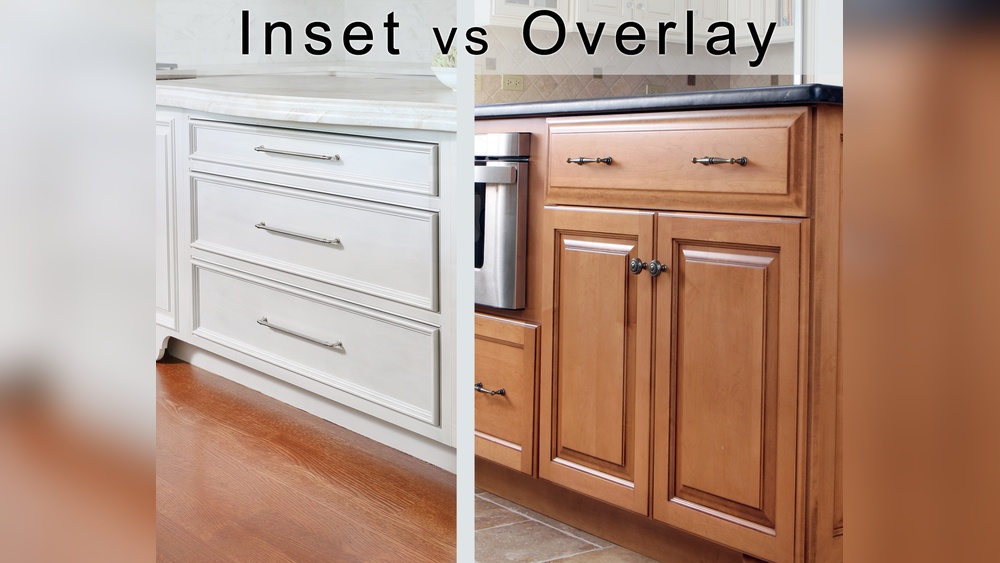
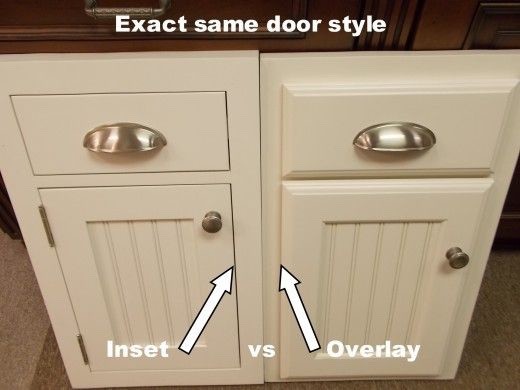
- Inset cabinets feature doors and drawers set flush within the cabinet frame for a precise, classic look, while overlay cabinets have doors that sit on top of the frame, covering it partially or completely.
- Inset cabinets offer exceptional craftsmanship and aesthetic appeal but come with higher costs and more maintenance requirements.
- Overlay cabinets, available as full or partial overlay, provide more storage space, are easier to install, and are often more affordable.
- Home value, budget, climate, and personal taste should all factor into your final decision.
- Both styles can integrate seamlessly with modern hardware and custom finishes, but each presents unique pros and cons for long-term kitchen use.
Credit: www.houzz.com
Cabinet Construction Basics
Understanding cabinet construction is the foundation for distinguishing between inset and overlay cabinets. The way a cabinet door is mounted relative to its frame influences not only appearance but also usability, cost, and maintenance.
Anatomy Of A Cabinet
A typical cabinet consists of:
- Cabinet box: The structural body of the cabinet.
- Face frame: A frame attached to the front of the box (in framed cabinets).
- Door and drawer fronts: The visible panels that open for access.
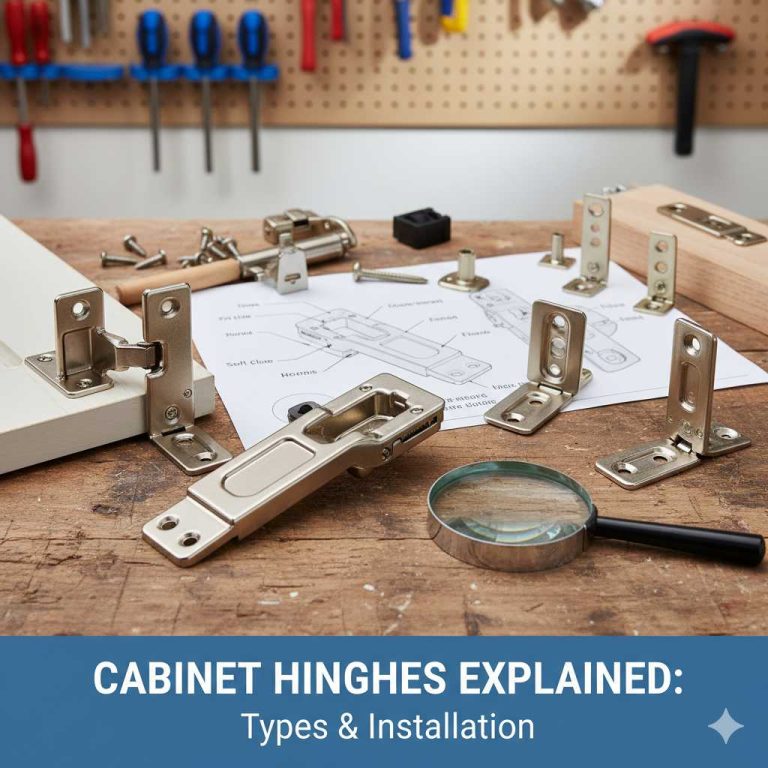
- Hinges and hardware: Mechanisms for movement and closure.
Inset and overlay cabinets both use the face frame, but interact with it differently, setting the stage for their unique characteristics.
Framed Vs. Frameless Cabinets
- Framed cabinets: Feature a face frame; common in North America.
- Frameless cabinets: Lack a face frame; popular in Europe, often called “Euro-style.”
Inset and overlay styles are typically applied to framed cabinets, although overlay doors can be used on frameless designs for a contemporary look.
The Role Of Cabinet Doors
The door style dictates how much of the cabinet frame is visible and how the cabinet integrates with surrounding elements. This choice impacts cleaning, storage, and the overall feel of your kitchen or storage area.
What Are Inset Cabinets?
Inset cabinets are characterized by their precise, flush-mounted doors and drawers that fit perfectly within the cabinet frame openings. This style originated in the early 1900s and remains synonymous with traditional craftsmanship and high-end custom cabinetry.
Construction And Appearance
- Flush fit: Doors and drawers are set inside the face frame, creating a smooth, seamless look.
- Tight tolerances: Gaps are minimized, typically 1/8″ or less.
- Visible frame: The cabinet’s face frame is fully exposed around each door and drawer.
This design requires meticulous engineering, as even minor warping or swelling can affect the uniformity of the reveal.
Advantages Of Inset Cabinets
- Timeless elegance: Often seen in luxury and historical homes.
- Custom craftsmanship: Demands higher levels of skill and attention to detail.
- Versatile styling: Complements both traditional and transitional kitchen designs.
- Concealed hinges: Usually features hidden or decorative hinges.
Limitations Of Inset Cabinets
- Higher cost: Precision construction increases labor and material expenses.
- Reduced storage: The frame and door take up internal space.
- Sensitive to humidity: Wood expansion or contraction can cause sticking.
- More maintenance: Requires realignment over time.
Real-world Example: Historic Home Restoration
A restoration of a 1920s Colonial kitchen in Boston chose inset cabinetry to match the period’s architectural details. The flush doors provided a seamless transition between the kitchen and adjacent butler’s pantry, preserving the home’s historic value and aesthetic.

Credit: www.unfinished-kitchen-cabinets.net
What Are Overlay Cabinets?
Overlay cabinets feature doors and drawer fronts that are mounted on top of the cabinet frame, “overlaying” it to varying degrees. This style emerged as manufacturing evolved, offering a more cost-effective and flexible alternative to inset cabinetry.
Full Overlay Vs. Partial Overlay
Overlay cabinets are divided into two primary subtypes:
- Full overlay: Doors and drawers nearly or completely cover the face frame, leaving only a minimal gap.
- Partial overlay: Doors and drawers cover part of the frame, exposing more of the frame between them.
The overlay dimension is typically specified by the manufacturer (e. g. , 1/2″, 1″, or full).
Advantages Of Overlay Cabinets
- Increased storage: The cabinet box is fully accessible, maximizing interior space.
- Cost-effective: Easier to manufacture and install, reducing overall costs.
- Flexible design: Available in a wide range of styles, finishes, and hardware options.
- Less affected by climate: Overlay doors are less sensitive to seasonal expansion.
Limitations Of Overlay Cabinets
- Less precise look: Partial overlay can appear less “custom” or seamless.
- Visible gaps or frames: Depending on overlay type, the face frame may show.
- Potential cleaning issues: Gaps can collect dust or grease.
Real-world Example: Modern Condo Kitchen
A downtown condo remodel in Chicago utilized full overlay cabinets in a high-gloss finish to achieve a modern, minimalist look. The nearly invisible frame line and flat surfaces enhanced the open-plan feel, while optimizing every cubic inch of storage.

Credit: www.youtube.com
Inset Vs. Overlay Cabinets: A Side-by-side Comparison
To clarify the key differences, the following table compares inset and overlay cabinets across crucial factors:
| Feature | Inset Cabinets | Overlay Cabinets |
|---|---|---|
| Door Position | Flush inside frame | Mounted on frame (partial or full) |
| Frame Visibility | Fully visible around doors | Partially or mostly covered |
| Storage Space | Reduced due to frame/door fit | Maximized interior space |
| Cost | Higher (custom, skilled labor) | Lower (standard production) |
| Maintenance | More (may need adjustment) | Less (rarely needs realignment) |
| Climate Sensitivity | Susceptible to humidity changes | Less affected |
| Style Compatibility | Traditional, transitional | Modern, contemporary, traditional |
Design And Aesthetic Considerations
The visual impact of your cabinetry sets the tone for your entire kitchen or workspace. Both inset and overlay cabinets offer unique aesthetic options, but their effect on your home’s style differs.
Inset Cabinet Aesthetics
- Classic and refined: Often associated with shaker or beaded inset door styles.
- Exposed hinges: Choice of decorative or concealed hardware.
- Paint and finish options: Take paint and custom finishes beautifully due to high-quality materials.
Inset cabinets suit period homes, high-end renovations, and spaces aiming for a timeless, handcrafted appearance.
Overlay Cabinet Aesthetics
- Versatility: Works with both classic raised-panel and sleek slab doors.
- Modern appeal: Full overlay creates a continuous, flat surface ideal for contemporary designs.
- Hardware flexibility: Wide variety of pulls and knobs, or even handleless push-latch systems.
Overlay styles are popular in modern kitchens, apartments, and large-scale projects where cost and maximum storage are priorities.
Color And Finish Choices
Both styles are available in an array of:
- Stains: To highlight wood grain.
- Paints: For a custom, uniform look.
- Glazes and distressing: To add character or an antique feel.
The choice of finish can further blur or enhance the line between inset and overlay cabinets.
Pro Tip:
Consider lighting placement and backsplash design when choosing your cabinet style. Overlay cabinets may restrict under-cabinet lighting access, while inset frames can create subtle shadow lines for added depth.
Cost, Installation, And Maintenance
Financial considerations and practical upkeep are central to most homeowners’ decisions. Each cabinet style presents distinct challenges and benefits in these areas.
Cost Breakdown
- Inset cabinets: Labor-intensive, require high precision. Expect to pay 10-20% more than comparable overlay cabinets.
- Overlay cabinets: More affordable due to streamlined production and easier installation.
For example, a 10×10 kitchen remodel might cost $2,000, $5,000 more for inset cabinets, depending on materials and region.
Installation Complexity
- Inset: Demands expert installation to achieve perfect reveals and flush alignment. Even minor misalignments are visually obvious.
- Overlay: More forgiving; installers can adjust doors and drawers for a consistent look with less effort.
Maintenance And Durability
- Inset cabinets may require periodic hinge adjustments and touch-ups to keep doors operating smoothly, especially in climates with humidity swings.
- Overlay cabinets are less prone to warping or sticking, making them a lower-maintenance option for busy households.
Example: Diy Vs. Professional Installation
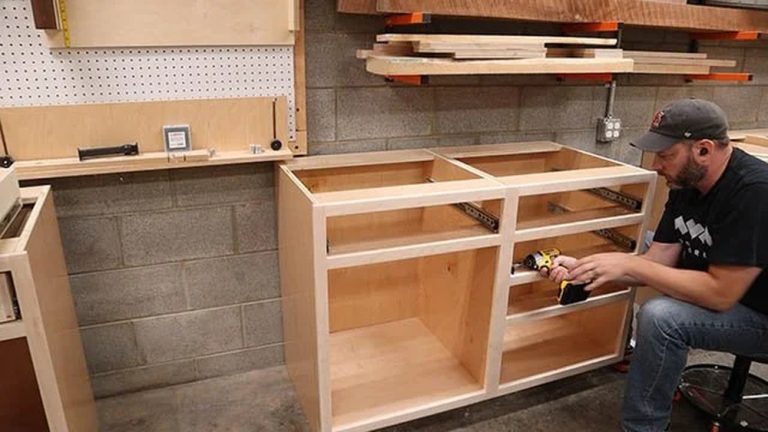
When I tested installing both styles in my own workshop, overlay cabinets were quicker and easier to align, saving several hours and reducing frustration. Inset cabinets, however, delivered a flawless look that justified the extra effort for a high-impact project.
Functional Differences And User Experience
Beyond looks and cost, day-to-day usability is a major factor in choosing the right cabinet style.
Storage And Accessibility
- Inset: The frame and flush door positioning reduce internal width, which may impact storage for large plates or containers.
- Overlay: The absence of an inset frame maximizes available space, making it easier to organize and access items.
Cleaning And Upkeep
- Inset cabinets: The tiny gaps between door and frame can trap crumbs or dust, requiring detailed cleaning.
- Overlay cabinets: Wider overlays may collect grease or grime at the edges but are generally easier to wipe down.
Door Operation
- Inset: Doors open flush with the frame, sometimes requiring more clearance and careful handling to avoid chipping the paint or finish.
- Overlay: Doors swing clear of the frame, reducing the risk of impact damage.
Customization And Hardware
Both inset and overlay styles support a range of:
- Soft-close hinges
- Pull-out organizers
- Lazy Susans
- Drawer inserts
However, hardware selection may be limited by the door’s position relative to the frame.
Example: Busy Family Kitchen
A family of five chose full overlay cabinets in their high-traffic kitchen. The easy-to-clean surfaces and maximized drawer space stood up to daily wear and tear, while soft-close hardware prevented slamming and finger pinching.
Durability, Longevity, And Resale Value
Long-term performance and return on investment are critical for homeowners planning to stay in their property or considering resale.
Durability Factors
- Inset cabinets: High-quality joinery and materials make these cabinets long-lasting, but the flush design is more susceptible to dings at the edges.
- Overlay cabinets: Often constructed with engineered woods or laminates, which resist warping but may be less robust than solid-wood inset frames.
Regular cleaning and gentle use will extend the lifespan of either style.
Impact On Home Value
- Inset cabinetry is considered a luxury feature, often increasing perceived home value and attracting buyers looking for custom details.
- Overlay cabinetry appeals to a broader market, especially in contemporary or budget-conscious settings.
A survey by the National Kitchen & Bath Association (NKBA) found that custom inset cabinetry is among the top features desired in upscale kitchen remodels, while overlay cabinets dominate mid-range and production homes.
Example: Realtor Perspective
A real estate agent in Portland reported that homes with inset cabinets in the kitchen fetched, on average, 3-5% higher offers than comparable properties with overlay cabinets, provided the overall design was cohesive and well-maintained.
Environmental And Sustainability Considerations
Eco-conscious homeowners may want to factor in the environmental impact of their cabinetry choice.
Material Sourcing
- Inset cabinets: Typically built from solid hardwoods sourced from sustainable forests or reclaimed wood, supporting responsible forestry practices.
- Overlay cabinets: Often utilize plywood, MDF, or particle board, which can incorporate recycled materials but may also contain formaldehyde-based adhesives.
Look for certifications such as FSC (Forest Stewardship Council) for sustainable wood sourcing.
Manufacturing Footprint
- Inset cabinetry requires more labor and transportation energy due to the custom work involved.
- Overlay cabinetry benefits from mass production efficiencies, reducing per-unit energy use.
Longevity And Waste
- Durability: Inset cabinets last longer with proper care, minimizing the need for replacement.
- Repairability: Overlay doors are easier to replace individually if damaged, reducing waste.
Pro Tip:
If you’re committed to sustainability, ask manufacturers about low-VOC finishes and recycled content in cabinet boxes and doors.
How To Choose: Decision Factors And Use Cases
Choosing between inset and overlay cabinets depends on your priorities, lifestyle, and budget.
Key Decision Factors
- Aesthetic preference: Do you want a classic, built-in look or a sleek, modern surface?
- Budget constraints: Are you willing to invest in custom cabinetry, or do you need a cost-effective solution?
- Space requirements: Is every inch of storage critical in your layout?
- Climate considerations: Do you live in an area with significant humidity swings?
- Resale plans: Are you customizing for personal enjoyment or for future buyers?
Best Use Cases For Inset Cabinets
- High-end homes and historical renovations
- Kitchens aiming for a bespoke, furniture-like appearance
- Small kitchens where visible lines add structure and elegance
Best Use Cases For Overlay Cabinets
- Modern apartments, condos, and production homes
- Households needing maximum storage and easy maintenance
- Large kitchens where budget and efficiency are priorities
Example: Custom Pantry Design
In a recent custom pantry project, the client chose partial overlay cabinets to balance cost and visual appeal. The exposed frame edges provided a touch of traditional detail, while the increased shelf space was perfect for storing bulk dry goods, similar to the strategies discussed in choosing the right canning jar for food preservation.
Overlay Cabinets: Full Vs. Partial Overlay Detailed Comparison
While the main comparison is between inset and overlay, it’s worth examining the difference between full and partial overlay doors within overlay cabinetry.
| Feature | Full Overlay | Partial Overlay |
|---|---|---|
| Frame Visibility | Minimal to none | Frame edges visible between doors |
| Modern Appeal | High | Moderate |
| Cost | Slightly higher | Lowest |
| Cleaning | Smoother, fewer edges | More crevices to clean |
| Hardware Options | Wide | Wide |
Full overlay offers the most seamless look, while partial overlay provides a balance of cost and traditional appeal.
Cabinet Styles In Kitchen Design Trends
Inset Cabinets In Modern Kitchens
Designers often blend inset cabinets with contemporary hardware and finishes to create a transitional look. For example, pairing inset shaker doors with matte black pulls and quartz countertops creates a refined yet current kitchen.
Overlay Cabinets And Open Concept Spaces
Overlay cabinets, especially full overlay, are favored in open-concept homes. Their clean lines and expansive surfaces reflect light and visually enlarge the space, which is critical in smaller apartments or lofts.
Integration With Smart Features
Both styles can accommodate smart kitchen features like:
- Built-in charging stations
- Soft-close and touch-activated hardware
- Integrated LED lighting
However, the flush fit of inset cabinets may require more planning for electrical and mechanical components.
Example: Trend Analysis
According to Houzz’s 2026 U.S. Kitchen Trends Report, full overlay cabinetry remains the most popular choice in new builds, while inset cabinetry is gaining traction among luxury renovations and custom builds.
Real-world Examples And Case Studies
Examining real projects helps illustrate how inset and overlay cabinets perform in diverse settings.
Case Study 1: Luxury Suburban Remodel
A family in Atlanta renovated their kitchen with custom inset cabinets painted in a soft white, paired with glass-front upper doors. The result was a highly cohesive, furniture-like kitchen that increased the home’s appraised value and drew significant buyer interest when listed.
Case Study 2: Budget-friendly Flip
A real estate investor in Dallas opted for full overlay cabinets in a durable laminate finish for a mid-range property flip. The cabinets delivered a modern, clean look while keeping renovation costs manageable, helping the home sell quickly in a competitive market.
Case Study 3: Diy Small Kitchen
A homeowner in Seattle completed a DIY kitchen refresh using ready-to-assemble partial overlay cabinets. The project stayed within budget and was completed over a weekend, demonstrating the accessibility and practicality of overlay cabinetry for do-it-yourselfers.
These examples highlight the adaptability of both styles to meet different goals, budgets, and design visions.
Frequently Asked Questions
What Is The Main Difference Between Inset And Overlay Cabinets?
The main difference is door placement: inset cabinet doors sit flush inside the cabinet frame, creating a seamless look, while overlay cabinet doors rest on top of the frame, covering it partially or completely. This fundamental distinction affects the cabinet’s appearance, storage capacity, and installation process.
Are Inset Cabinets Harder To Maintain Than Overlay Cabinets?
Inset cabinets generally require more maintenance because their flush design means doors and drawers are sensitive to wood movement from humidity and temperature changes. Regular adjustments may be needed to prevent sticking. Overlay cabinets, with doors mounted over the frame, are less affected by these issues and are easier to realign if needed.
Can I Switch From Overlay To Inset Cabinets During A Kitchen Remodel?
Switching from overlay to inset cabinetry typically involves replacing the entire cabinet box and face frame, as the construction methods differ significantly. Retrofitting overlay doors onto an inset frame is not recommended due to size and hinge differences. For a cost-effective update, consider new doors in the same style as your existing cabinets.
Do Inset Cabinets Offer Better Resale Value For My Home?
Inset cabinets are often associated with high-end, custom kitchens and may enhance resale value, especially in luxury or historic homes. However, the return on investment depends on the overall quality of your remodel and the expectations of buyers in your local market.
Consult with a real estate professional before making a decision based solely on resale value.
Which Style Is Better For A Humid Or Coastal Climate?
Overlay cabinets are generally better suited to humid or coastal climates because they are less sensitive to wood expansion and contraction. Inset cabinets, with their tight tolerances, may experience more frequent sticking or misalignment in areas with significant humidity changes.
Proper materials and climate control can mitigate these issues, but overlay is often the safer choice.
Choosing between inset and overlay cabinets ultimately comes down to your personal priorities, home style, and budget. Both options offer unique benefits and challenges, from craftsmanship and aesthetics to practicality and long-term value. By carefully considering how each style fits into your daily life and design vision, you can create a kitchen or living space that is as functional as it is beautiful. If you’re interested in related home improvement topics, you might also explore resources like freeze-drying vs canning for preserving food, or learn about the differences between canning salt and kosher salt for culinary projects. Your cabinetry choice is a significant investment, take the time to research, consult professionals, and select the option that best supports your goals for the years ahead.
Products related to this article
Sponsored / affiliate links. As an Amazon Associate I earn from qualifying purchases. I may earn additional commission from eligible campaigns.