New Cabinets Vs Painting
Few home improvement decisions spark as much debate as whether to invest in new cabinets or simply paint your existing ones. Kitchen and bathroom cabinets are central to both function and style, making this choice a major factor in remodeling projects. Homeowners confront a tough balance: maximizing their budget, getting the look they want, and ensuring lasting value. With material costs rising and sustainability gaining attention, the question becomes even more complex, should you splurge for a full replacement or refresh what you already own?
This article dives deep into the cabinet upgrade dilemma, exploring every angle from cost analysis to durability, style trends, and the environmental impact. Whether you’re a DIY enthusiast considering a weekend project or planning a professional renovation, you’ll find actionable advice, real-world examples, and authoritative data to guide your decision.
Get ready for a comprehensive comparison that will help you choose the best path for your home, lifestyle, and budget.
Key Takeaways
- New cabinets offer full customization, longer lifespan, and higher resale value, but cost significantly more than painting.
- Painting cabinets is budget-friendly, eco-conscious, and can dramatically update appearance, though it may not address structural or layout issues.
- The choice depends on cabinet condition, desired style, budget, and long-term plans for your home.
- Professional installation and quality materials matter for both options, influencing durability and satisfaction.
- Real-world examples show both approaches can succeed, but careful planning is crucial for optimal results.
Credit: 180kitchens.com
Understanding The Core Differences
Cabinet upgrades are not a one-size-fits-all solution. The fundamental differences between new cabinets and painting existing ones go beyond aesthetics, they impact everything from cost and complexity to environmental footprint and long-term value.
What Does “new Cabinets” Involve?
Opting for new cabinets means removing your current cabinetry and replacing them with entirely new units. This process includes:
- Design consultation for layout and style
- Demolition of old cabinets
- Installation of new cabinets
- Potential updates to countertops, hardware, and appliances
Most homeowners choose new cabinets to accommodate changes in kitchen layout, improve storage, or upgrade materials. Modern cabinetry offers features like soft-close drawers, pull-out shelves, and custom finishes.
What Does “painting Cabinets” Mean?
Painting cabinets refers to refinishing the surface of your existing units with high-quality paint or lacquer. It involves:
- Cleaning and prepping the cabinet surfaces
- Removing hardware and doors
- Priming and painting (often multiple coats)
- Reinstalling hardware
Painting is popular for those seeking a fresh look without a major investment. The process can be done DIY or by professionals, and the best results come from careful surface preparation and premium paints.
Key Comparison Table
| Factor | New Cabinets | Painting Cabinets |
|---|---|---|
| Cost | $8,000-$20,000+ | $500-$3,000 |
| Time | 2-6 weeks | 2-7 days |
| Durability | 20-50 years | 3-10 years |
| Customization | Full layout & finish | Limited to color/finish |
| Environmental Impact | High (demolition/waste) | Low (reuse) |
| Resale Value | High | Moderate |
Cost Analysis: Budgeting For New Cabinets Vs Painting
Understanding the financial implications is crucial for any homeowner. The price range varies widely depending on material, labor, region, and scope.
New Cabinet Pricing Breakdown
The cost of new cabinets depends on the material, brand, and customization. According to the National Kitchen & Bath Association, the average kitchen cabinet replacement costs between $8,000 and $20,000 for mid-range options. High-end custom cabinetry can exceed $30,000.
- Stock cabinets: $70-$200 per linear foot
- Semi-custom cabinets: $150-$500 per linear foot
- Custom cabinets: $500-$1,200+ per linear foot
Installation, demolition, and finishing add to these totals. If changing the kitchen layout, costs can rise due to plumbing and electrical updates.
Painting Cabinet Costs
Painting cabinets is far less expensive. HomeAdvisor reports typical professional cabinet painting costs range from $1,000 to $3,000 for an average kitchen, while DIY costs can be as low as $200-$500 for materials.
- Professional painting (labor + materials): $35-$75 per door
- DIY materials: $30-$150 for paints, brushes, and sandpaper
Pro Tip: Quality matters, cheaper paints or rushed prep can lead to peeling and poor durability.
Real-world Example: Budget Comparison
Consider a standard 10×10-foot kitchen with 20 cabinet doors:
- New cabinets (semi-custom): $12,000 installed
- Professional painting: $2,200
The difference is dramatic, but remember that painting won’t fix sagging shelves or outdated layouts.

Credit: premiercabinetpainting.com
Durability And Lifespan: Which Option Lasts Longer?
Longevity is a key concern, especially for high-traffic areas like kitchens. Let’s examine how each option holds up over time.
New Cabinets: Built To Last
Well-made cabinets, especially from solid wood or high-quality MDF, can last 20-50 years with proper care. Modern finishes resist scratches and moisture, and hardware is often more robust.
- Custom cabinets offer the best durability.
- Replacement lets you address structural issues and improve functionality.
Painted Cabinets: Maintenance Required
Painted cabinets typically last 3-10 years before requiring touch-ups, depending on paint quality, prep, and usage. High-traffic or humid environments can shorten lifespan.
- Professional finishes (lacquer, conversion varnish) last longer than latex paint.
- Chips, scratches, and stains are more likely, especially in busy kitchens.
Example: In my experience, a professionally painted kitchen held up well for five years, but needed touch-ups around handles and edges after that.
Maintenance Table
| Maintenance Requirement | New Cabinets | Painted Cabinets |
|---|---|---|
| Cleaning | Easy (wipe with damp cloth) | Easy, but avoid harsh chemicals |
| Repair | Rare (replace hardware) | Frequent (touch-up paint) |
| Refinishing | Not needed for decades | Every 3-7 years |

Credit: jkpaint.com
Style, Design, And Customization
Aesthetics are often the driving force behind cabinet upgrades. The options and outcomes differ substantially between new installation and painting.
New Cabinets: Unlimited Choices
Opting for new cabinets opens a world of customization:
- Layout changes: Add islands, pantries, or open shelves
- Material selection: Oak, maple, cherry, MDF, plywood
- Finish options: Stain, paint, veneer, laminate
- Hardware upgrades: Handles, knobs, soft-close hinges
This is ideal for homeowners seeking a complete transformation, especially those unhappy with their current kitchen layout.
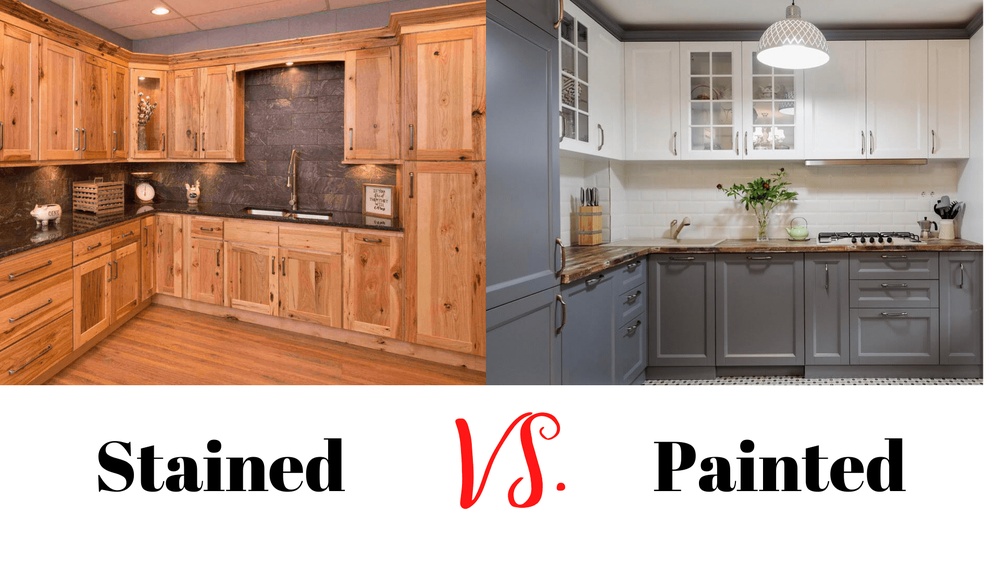
Painting Cabinets: Refresh And Revitalize
Painting is a powerful way to update style at a fraction of the cost:
- Color flexibility: Choose trending hues like navy, sage, or classic white
- Finish types: Matte, glossy, distressed, or faux techniques
- Hardware swap: Adding new pulls/handles can further modernize
However, painting won’t change cabinet shape, door style, or storage features.
Example: Modern Farmhouse Update
A homeowner in Seattle painted their oak cabinets white, added black hardware, and installed a shiplap backsplash. The kitchen looked completely modern for under $1,500, demonstrating the impact of paint and hardware alone.
Environmental Impact: Sustainability And Waste
With environmental concerns growing, homeowners increasingly consider the ecological footprint of their renovation choices.
New Cabinets: More Waste, More Resources
Replacing cabinets generates demolition waste, old wood, laminate, and hardware often end up in landfills. Manufacturing new cabinets uses substantial resources:
- Wood harvesting
- Energy-intensive processing
- Transportation emissions
Some brands offer eco-friendly options, but overall, replacement is less sustainable.
Painting Cabinets: Eco-friendly Approach
Painting existing cabinets is inherently sustainable, you reuse what you have, minimizing waste. Using low-VOC paints further reduces environmental impact.
- Less landfill waste
- Lower resource consumption
- Opportunity to donate old hardware
Example: One homeowner donated old cabinet doors to a local charity, reducing landfill impact.
Pro Tip: If You Must Replace, Look For Fsc-certified Wood And Recycle Old Cabinets Whenever Possible.
Return On Investment And Home Value
Homeowners often consider how upgrades affect resale value. Cabinets are a focal point in kitchens and bathrooms, spaces that buyers scrutinize.
New Cabinets: Higher Resale Value
According to Remodeling Magazine’s Cost vs. Value Report, a major kitchen remodel with new cabinets recoups about 54-72% of costs upon resale. Buyers prefer modern layouts and premium finishes.
- Higher perceived value
- Better marketability
- Longer-lasting appeal
Painted Cabinets: Budget-friendly Boost
Painting cabinets offers a quick, affordable way to improve appearance. While not as valuable as full replacement, it can make a home more attractive to buyers.
- Recoup 60-80% of painting costs, per Realtor.com
- Works best when cabinets are structurally sound
Example: A homeowner in Austin painted their cabinets a trendy blue before selling. The kitchen photos attracted more buyers, and the home sold in 3 days.
Comparison Table: Roi
| Upgrade Type | Average Cost | ROI (%) | Buyer Appeal |
|---|---|---|---|
| New Cabinets | $12,000 | 54-72 | High |
| Painting Cabinets | $2,200 | 60-80 | Moderate |
Professional Installation Vs Diy: What You Need To Know
New Cabinets: Professional Installation Required
Installing new cabinets is complex:
- Precise measurement and layout
- Electrical/plumbing adjustments
- Heavy lifting and assembly
- Permits may be needed
Most homeowners hire professionals to avoid costly mistakes.
Painting Cabinets: Diy-friendly
Painting cabinets is a popular DIY project. With careful prep and patience, even novices can achieve good results. However, professionals deliver smoother finishes and greater durability.
- DIY painting: Save on labor, but time-intensive
- Professional painting: Faster, higher-quality, less stress
Example: When I tested DIY painting, the prep took longer than expected, but the results were rewarding. Professional painters finished a similar job in half the time with a flawless finish.
Warning: Rushing Prep Or Using Cheap Paint Leads To Poor Outcomes. Always Clean, Sand, And Prime Thoroughly.
Real-world Examples And Case Studies
Concrete examples help illustrate the impact of each approach. Here are three compelling stories from homeowners and renovators.
Example 1: Full Kitchen Remodel In Denver
A Denver couple replaced their dated cabinets with custom maple units, changed the layout, and added an island. Total cost: $28,000. The kitchen became the centerpiece of their home, and they recouped nearly 65% of the cost at resale.
Example 2: Diy Cabinet Painting In Atlanta
A family in Atlanta painted their 25-year-old cabinets with high-quality enamel. The project cost $800 and took two weekends. Five years later, the finish still looks great, though minor chips have appeared near the sink.
Example 3: Eco-conscious Refresh In Portland
A Portland homeowner wanted a sustainable update. They painted cabinets with zero-VOC paint and donated old hardware. The kitchen looked refreshed, and the environmental impact was minimal.
Choosing The Right Option For Your Home
Every home is unique. The best solution depends on several factors:
- Cabinet condition: If cabinets are warped, damaged, or poorly designed, replacement is best.
- Budget: Painting is ideal for tight budgets.
- Style goals: New cabinets allow layout changes and full customization.
- Time constraints: Painting is faster, less disruptive.
- Resale plans: New cabinets appeal more to buyers, but painting can boost curb appeal.
Questions To Ask Yourself
- Are my cabinets structurally sound?
- Do I need more storage or a different layout?
- Am I comfortable with DIY painting or do I prefer professional help?
- How long do I plan to stay in my home?
- Is sustainability important to me?
Frequently Asked Questions
Is It Possible To Paint Laminate Cabinets?
Yes, laminate cabinets can be painted, but surface prep is critical. Use a bonding primer and high-quality paint designed for slick surfaces. Sand lightly and clean thoroughly before painting. Avoid latex paints that may peel, opt for enamel or specialty cabinet coatings.
How Do I Know If My Cabinets Are Worth Painting?
Inspect for structural issues: check for water damage, warping, or broken hardware. If cabinets are solid and doors close properly, painting is a good option. Cabinets with severe damage or outdated layouts are better candidates for replacement.
What Are The Latest Color Trends For Painted Cabinets?
Current trends include navy blue, sage green, charcoal gray, and matte black. Warm whites and two-tone combinations (e.g., darker lowers, lighter uppers) are also popular. For more inspiration, visit Houzz’s Kitchen Cabinet Color Trends.
Can I Change Cabinet Hardware Without Replacing Or Painting Cabinets?
Absolutely. Swapping out handles, knobs, and hinges is a fast, affordable way to update the look. It can modernize cabinets, complement new paint, or refresh the style without major effort. Make sure new hardware fits the existing holes or be prepared to drill new ones.
Are There Alternatives To Painting Or Replacing Cabinets?
Yes. Consider refacing, which involves replacing cabinet doors and drawer fronts while keeping the boxes. This provides a new look with less waste than full replacement and more impact than painting alone. Refacing costs less than new cabinets, but more than painting.
Home improvement decisions, like choosing between new cabinets and painting, require careful thought, research, and honest assessment of your needs. Whether you want to maximize your budget or transform your kitchen for years to come, understanding the pros and cons of each option will help you achieve the best outcome. For related advice on making smart choices in home upgrades, check out choosing the right canning jar makes preserving food easier and freeze-drying vs canning. Remember, your home should reflect your lifestyle, values, and vision, and with the right approach, your cabinets can do just that.
Products related to this article
Sponsored / affiliate links. As an Amazon Associate I earn from qualifying purchases. I may earn additional commission from eligible campaigns.