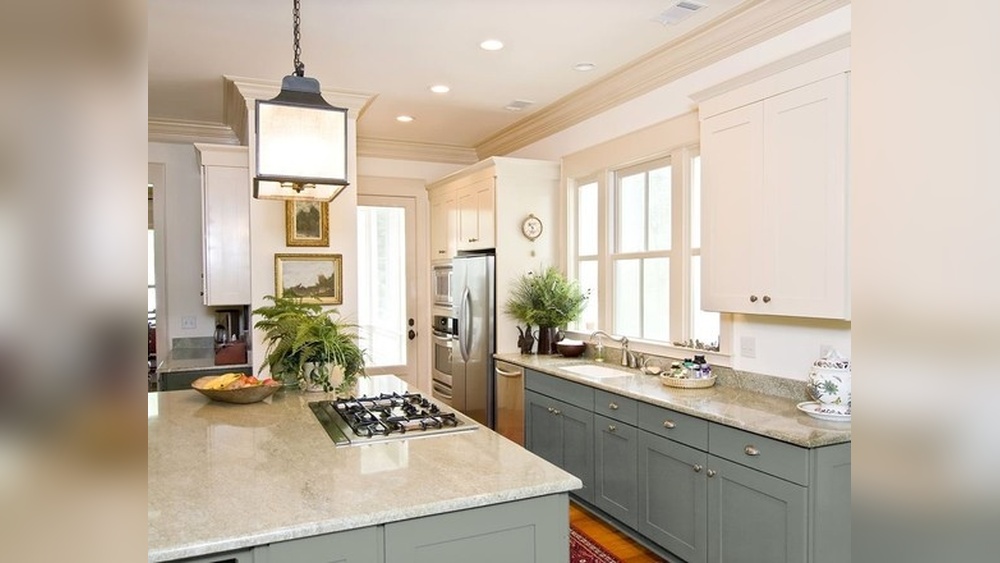
Different Color Top And Bottom Kitchen Cabinets
Two-tone kitchen cabinets, where the top and bottom cabinets are painted or finished in different colors, have surged in popularity for homeowners seeking a fresh, modern twist on traditional kitchen design. This bold design choice offers a way to infuse personality, visual interest, and functional zoning into one of the most important spaces in the home.
Whether you’re renovating a classic farmhouse or updating a sleek urban condo, mixing cabinet colors can dramatically transform the feel of your kitchen.
The appeal of different color top and bottom kitchen cabinets lies not just in aesthetics but also in their versatility. They can make a small kitchen appear larger, highlight architectural features, and even reflect changing trends without requiring a full remodel.
From contrasting dark bases with light uppers to blending natural wood with painted finishes, the options are nearly endless. In my experience as a kitchen designer, this approach suits both bold statement-makers and those who prefer subtle, layered looks. This article provides a comprehensive guide to choosing, coordinating, and caring for two-tone kitchen cabinets, complete with real-world examples, data-driven comparisons, and actionable design strategies.
Key Takeaways
- Two-tone kitchen cabinets offer visual depth, flexibility, and a chance to personalize your kitchen space.
- The most popular color combinations balance light and dark shades, often with lighter uppers and darker lowers.
- Practical considerations include coordinating with countertops, backsplash, and flooring, as well as long-term maintenance.
- Design strategies such as color blocking, accent pieces, and material mixing help achieve a cohesive look.
- Real-world examples and data-driven tables in this guide make planning your two-tone kitchen easier.
- Frequently asked questions address durability, resale value, and professional tips for a successful remodel.
:max_bytes(150000):strip_icc()/goldalamodetwotoned-7898e45ce4004aec878721b187b98301.jpeg)
Credit: www.mydomaine.com
The Appeal Of Different Color Top And Bottom Kitchen Cabinets
Visual Impact And Aesthetic Benefits
Choosing different colors for top and bottom kitchen cabinets immediately adds depth and visual interest. The contrast draws the eye horizontally and vertically, breaking up what might otherwise be a monotonous block of cabinetry. This approach is especially effective in:
- Open-plan kitchens, where color can subtly define zones or blend with adjacent living spaces.
- Small kitchens, where lighter uppers help the room feel airy while darker lowers ground the space.
A well-chosen color pairing can highlight architectural details, showcase favorite finishes, and even draw attention to high-end hardware or unique countertop materials.
Maximizing Space And Light
Strategic use of color can manipulate perceived space. For example, using white or pale shades on upper cabinets reflects more light, making ceilings appear higher and the room feel more open. In contrast, darker lower cabinets anchor the space, hiding scuffs and making the kitchen feel cozier.
Personalization And Style Versatility
Two-tone cabinetry allows homeowners to express their style, whether it’s a classic white-and-navy combination, a bold green-and-gold look, or a soft blend of gray and beige. The flexibility extends to:
- Matching with existing appliances and fixtures
- Adapting to changing trends by repainting just one section
- Creating a custom look without the cost of bespoke cabinetry
Example: Urban Loft Transformation
A recent client in a downtown loft wanted an industrial vibe without sacrificing warmth. We paired matte black lower cabinets with oak upper cabinets, integrating open shelving above for display. The result was a kitchen that felt both modern and inviting, a testament to the transformative power of two-tone design.

Credit: www.hirshfields.com
Most Popular Two-tone Cabinet Color Combinations
Classic White And Navy Blue
This pairing remains a favorite for its timeless appeal and flexibility. White uppers keep the kitchen feeling clean and open, while navy lowers add drama and depth. This combination works especially well with brass or gold hardware.
Soft Gray And Charcoal
For those who prefer a more subdued look, soft gray upper cabinets paired with charcoal bottoms offer a gentle contrast. This palette suits both contemporary and transitional kitchens and pairs well with marble or quartz countertops.
Wood Tones And Color
Blending natural wood on the lower cabinets with painted uppers (such as sage green or powder blue) introduces texture and warmth. It’s a great way to showcase wood grain while injecting color.
Black And White
A high-contrast, ultra-modern look pairs glossy black lowers with crisp white uppers. This scheme is often used in minimalist or Scandinavian-inspired kitchens.
Example: Farmhouse Fresh
In a farmhouse remodel, pairing distressed white upper cabinets with deep forest green lowers created a cozy, heritage-inspired kitchen. The green grounded the open space, while the white kept it bright and inviting.
Data Table: Popular Two-tone Combinations And Their Effects
| Upper Cabinet Color | Lower Cabinet Color | Design Style | Perceived Room Effect |
|---|---|---|---|
| White | Navy Blue | Classic/Transitional | Open, airy, elegant |
| Light Gray | Charcoal | Modern/Minimalist | Soothing, spacious |
| Oak | Black | Industrial/Modern | Warm, dramatic |
| Soft Blue | Walnut | Coastal/Traditional | Fresh, grounded |
| White | Forest Green | Farmhouse/Rustic | Bright, cozy |
How To Choose The Right Colors For Your Kitchen
Assessing Your Kitchen’s Size And Lighting
Space and lighting are critical in color selection. In small kitchens or those with limited natural light, lighter shades on upper cabinets prevent the room from feeling crowded. Larger kitchens can handle deeper hues without feeling closed in.
- Pro Tip: Hold paint or finish samples up in your kitchen at different times of day to see how lighting affects the color.
Considering Countertops, Backsplashes, And Flooring
A harmonious kitchen design takes into account not just cabinetry but also countertops, backsplashes, and flooring. Look for undertones that repeat across surfaces. For example, a veined marble countertop with gray streaks pairs beautifully with gray lower cabinets.
- Avoid clashing undertones (e.g., warm cabinets with cool countertops).
- Coordinate metals, such as matching brass hardware to warm cabinet colors.
Balancing Trends With Timelessness
While bold choices can be exciting, consider longevity. Classic combinations (like navy and white or wood and white) tend to age better than ultra-trendy colors.
- Neutral bases with colorful uppers (or vice versa) allow for easier updates.
- If you love a trend color, use it on just one section for easy repainting.
Example: Small Kitchen, Big Impact
A client with a galley kitchen chose white upper cabinets to maximize light and deep blue lowers for style. The result: the kitchen felt more spacious, and the two-tone look disguised older appliances, giving the entire space a modern refresh.
Data Table: Color Selection Based On Kitchen Factors
| Kitchen Size | Lighting | Recommended Upper Colors | Recommended Lower Colors |
|---|---|---|---|
| Small | Low | White, Light Gray | Medium Blue, Soft Green |
| Large | Bright | Soft Blue, Oak | Charcoal, Black, Walnut |
| Medium | Moderate | Beige, Pale Sage | Navy, Forest Green |
Design Strategies For A Cohesive Two-tone Kitchen
Color Blocking And Zoning
Color blocking is more than just painting top and bottom cabinets in different colors. You can also use:
- A single accent color on an island or pantry
- Open shelving in a contrasting finish
- Vertical zoning, where a feature wall matches the lower cabinets
This approach helps create visual flow and can delineate cooking, prep, and entertaining zones.
Accent Elements And Hardware
Hardware and accents can unify the look. For example:
- Use matching pulls and handles across both upper and lower cabinets.
- Add a statement light fixture that echoes one of your cabinet colors.
- Use open shelving in a warm wood to bridge painted cabinets.
Material Mixing
Blending painted and natural finishes adds texture. A popular look features painted lowers and wood uppers, or vice versa. Consider:
- Glossy finishes for a modern feel
- Matte or distressed finishes for a rustic or farmhouse look
Example: Contemporary Contrast
A family wanted a playful, kid-friendly kitchen. We installed sunny yellow lower cabinets with white uppers and added a pale wood island. The combination was cheerful yet cohesive, with brushed nickel hardware tying all elements together.
Practical Considerations: Durability, Cleaning, And Maintenance
Durability Of Different Finishes
Not all cabinet finishes are created equal. Lower cabinets tend to take more abuse from kicks, spills, and everyday use, so durability is critical.
- Satin or semi-gloss paints resist scuffs and are easier to clean than matte.
- Wood stains on lower cabinets can disguise scratches better than solid colors.
Cleaning Tips
Maintaining two-tone cabinets is straightforward with the right routine:
- Use a mild detergent and microfiber cloth for daily cleaning.
- Avoid harsh chemicals that can strip paint or finish.
- For painted cabinets, touch up chips promptly to prevent moisture damage.
Long-term Maintenance
- Lower cabinets may require more frequent repainting or touch-ups.
- Choose quality hardware for frequent-use drawers and doors.
- Protect cabinet bases with toe kicks or mats in high-traffic zones.
Example: Rental Kitchen Upgrade
A landlord upgraded a rental kitchen with white uppers (easy to repaint between tenants) and charcoal lowers (hiding wear and tear). The cabinets stayed looking fresh longer, reducing maintenance costs.
Cost Comparison: Two-tone Vs. Single-color Kitchens
Initial Investment
Two-tone kitchens can be slightly more expensive due to the need for additional labor and paint finishes. However, the difference is often marginal compared to the overall kitchen budget.
- Pro Tip: Save by painting only one section (e.g., just the lowers), especially if your cabinets are in good condition.
Resale Value
According to a 2026 analysis by Zillow, homes with two-tone kitchens sold for up to 2.5% more than those with all-white cabinetry, highlighting growing buyer interest in this trend (Zillow).
Data Table: Cost And Resale Value
| Kitchen Type | Average Painting Cost* | Estimated Resale Value Boost |
|---|---|---|
| Single Color Cabinets | $2,800 | Standard |
| Two-Tone Cabinets | $3,200 | +2.5% (Zillow, 2026) |
*Based on 2026 US market averages for mid-sized kitchens.
Diy Vs. Professional Painting
Painting cabinets yourself can save money, but professional painters deliver more durable, even finishes. Factor in:
- Time required (up to 1 week for DIY)
- Potential for mistakes (uneven lines between colors)
- Professional warranty and finish quality
Real-world Examples And Short Case Studies
Example 1: Modern Family Kitchen
The Smith family wanted a modern yet practical kitchen for their busy household. They selected white shaker-style upper cabinets and navy blue base cabinets. The two-tone look made their kitchen feel larger and more open, while the darker lowers resisted fingerprints and scuffs from children and pets.
Example 2: Compact Condo Makeover
A young couple in a city condo chose matte black lower cabinets and oak veneer uppers. This combination added warmth without sacrificing the sleek, modern vibe they wanted. Open shelving above the sink provided a spot for favorite dishes and plants.
Example 3: Farmhouse Renovation
During a farmhouse renovation, the owners opted for distressed sage green lowers with antique white uppers. This blend honored the home’s heritage while giving the kitchen a fresh, inviting feel.
Example 4: Budget-friendly Update
On a budget, a homeowner painted only the lower cabinets a trendy deep teal, leaving the upper cabinets in their original white finish. The transformation was dramatic and cost-effective, giving the kitchen a designer look for less than $500.
Integrating Two-tone Cabinets With The Rest Of Your Kitchen
Coordinating Countertops And Backsplashes
When mixing cabinet colors, it’s crucial to choose countertops and backsplashes that bridge the two hues. Neutral surfaces (like white quartz or simple subway tile) often work best, but bold choices (such as a veined marble) can add drama.
- Use the countertop as a “middle ground” between upper and lower colors.
- Consider extending the backsplash to the ceiling for a seamless look.
Appliances And Fixtures
Stainless steel, black, or integrated appliances can complement two-tone cabinets. For example:
- Black appliances look striking with black lowers and light uppers.
- Panel-ready appliances can be painted or covered to match one section of your cabinets.
Fixtures (such as faucets and lighting) should coordinate with the overall color palette and hardware.
Flooring Choices
Flooring ties the room together. Wood or wood-look flooring adds warmth; tile can echo cabinet colors or add pattern.
- Pro Tip: Lay flooring samples next to cabinet colors before making a final decision.
Internal Link Example
If you’re considering preserving produce in your new kitchen, understanding the difference between salt types is important. See Is Pickling Salt the Same as Canning Salt? for more information.
Common Mistakes And How To Avoid Them
Poor Color Coordination
One of the most frequent mistakes is choosing colors that clash with countertops, backsplashes, or flooring. Always test samples in your actual kitchen under real lighting conditions.
Ignoring Undertones
Undertones can make or break a two-tone scheme. For example, pairing a warm beige with a cool gray may look off. Stick to complementary undertones for a harmonious look.
Overcomplicating The Palette
Less is often more. Limit yourself to two main cabinet colors, plus one accent if desired. Too many colors can make the kitchen look chaotic.
Skipping Proper Prep
When painting existing cabinets, preparation is key:
- Clean and sand surfaces thoroughly.
- Use a high-quality primer.
- Tape off areas carefully to ensure crisp lines.
Internal Link Example
Choosing the right canning jar for your kitchen storage is another way to add both function and style. Learn more at Choosing the right canning jar makes preserving food easier.
Expert Tips For A Successful Two-tone Kitchen
Start With The Lowers
If you’re hesitant, begin by painting only the lower cabinets a darker or bolder color. This is less of a commitment and easier to reverse if you change your mind.
Use Neutrals As Anchors
Anchor your scheme with a neutral (white, gray, or beige) on one section. This creates flexibility for changing accent colors over time.
Mind The Transitions
Ensure smooth transitions between cabinet colors by:
- Using consistent hardware
- Adding trim or molding where colors meet
- Carrying one color onto an island or peninsula for continuity
Work With A Designer
If you’re unsure, consult a professional kitchen designer for advice on color, layout, and material selection. They can help you avoid costly mistakes and create a cohesive look.
Example: Pro Tip
When I tested two-tone cabinets in my own home, I found that using a slightly off-white upper cabinet color (rather than pure white) made the transition to darker lowers feel softer and more natural.
Internal Link Example
Not sure if you should use canning salt or kosher salt in your kitchen? Read Canning salt vs kosher salt: What’s the difference for a detailed comparison.
Frequently Asked Questions
What Are The Biggest Advantages Of Two-tone Kitchen Cabinets?
Two-tone cabinets offer flexibility in style and function. They can make a kitchen look larger and more open, define specific zones, and allow you to experiment with color without a full remodel. This approach also makes it easier to update your kitchen over time, as you can repaint just one section to reflect current trends.
Are Two-tone Cabinets A Passing Trend Or A Lasting Design Choice?
While two-tone cabinets are currently trending, they have historical roots and can be adapted to suit both classic and modern tastes. By choosing timeless color combinations, such as white and navy or wood and gray, you can ensure your kitchen remains stylish for years.
How Do I Choose Hardware For A Two-tone Kitchen?
Select hardware finishes that complement both cabinet colors and other fixtures in the kitchen. Brushed nickel, matte black, or brass are versatile choices. You can use the same style for both uppers and lowers for cohesion, or opt for subtle differences (such as knobs on uppers, pulls on lowers) for added interest.
Will Two-tone Cabinets Affect My Home’s Resale Value?
According to a 2026 Zillow report, homes with two-tone kitchens can fetch slightly higher prices due to their contemporary appeal (Zillow). However, the effect depends on color choices; classic combinations tend to appeal to the broadest range of buyers.
Can I Mix More Than Two Colors In My Kitchen Cabinets?
While it’s possible to mix three or more colors, it requires careful planning to avoid a cluttered look. Limit accent colors to an island or open shelving, and keep the main cabinetry to two complementary hues for the most cohesive result.
Designing a kitchen with different color top and bottom cabinets is a strategic way to personalize your space, enhance its visual appeal, and even boost your home’s value. The possibilities are nearly endless, from bold, dramatic contrasts to subtle, sophisticated palettes.
By focusing on proportion, coordination, and quality finishes, you can achieve a look that’s both functional and beautiful. Whether you’re updating a single section or planning a full renovation, the guidance and examples in this article will help you make confident, informed choices for a kitchen that truly reflects your style.
Products related to this article
Sponsored / affiliate links. As an Amazon Associate I earn from qualifying purchases. I may earn additional commission from eligible campaigns.