Different Color Kitchen Cabinets
The color of your kitchen cabinets has a profound impact on the overall look, mood, and functionality of your kitchen. Whether you’re renovating an outdated space, customizing a new build, or simply craving a fresh update, choosing the right color for your cabinets can transform your kitchen from standard to stunning.
As the heart of most homes, kitchens not only serve as culinary workspaces but also as social hubs, which means every design choice is amplified, including cabinet color.
Today’s homeowners have more options than ever before, from classic whites and grays to bold blues, dramatic blacks, and even vibrant two-tone combinations. But with so many possibilities, the process can feel overwhelming. How do you balance trends with longevity?
Should you go neutral for resale value or express your personality with color? This comprehensive guide demystifies the world of different color kitchen cabinets, offering expert insight, practical tips, and actionable advice, ensuring your selection is both beautiful and functional for years to come.
Key Takeaways
- Cabinet color fundamentally shapes the style, mood, and value of your kitchen.
- Popular color choices include white, gray, blue, black, green, and wood tones.
- Consider the kitchen’s size, lighting, and overall design when choosing a color.
- Two-tone and mixed-material cabinets offer modern, dynamic design options.
- Maintenance, resale value, and personal style are key factors in decision-making.
- Real-world examples demonstrate how color impacts both aesthetics and functionality.

Credit: georgecabinetry.com
The Psychology And Impact Of Kitchen Cabinet Colors
Color choices in the kitchen are more than aesthetic, they influence mood, spatial perception, and even appetite. Understanding the psychology behind popular cabinet colors can help you select a palette that suits both your taste and your lifestyle.
How Color Affects Mood And Perception
Color psychology research shows that cool tones (like blue and green) can create a calming atmosphere, while warm tones (like yellow and red) evoke energy and warmth. White cabinets are associated with cleanliness and spaciousness, making them a perennial favorite in small or dark kitchens. In contrast, darker hues such as black or navy offer sophistication and drama but can make a space feel smaller if not balanced properly with lighting.
Influence On Resale Value
According to a study by Zillow, homes with white or light gray kitchens typically sell for more than those with bold or unconventional colors. Neutral tones appeal to a broader audience, which is important if you’re considering resale. However, a well-executed bold cabinet color can also set your home apart in a competitive market.
Example: From Beige To Bold
In my experience working with a client who transitioned from beige cabinets to deep navy blue, the transformation was striking. The kitchen felt more modern and inviting, and the client reported spending more time cooking and entertaining in the space.
This real-world change highlights the power of color to impact not just aesthetics, but also daily routines and enjoyment.
Popular Kitchen Cabinet Colors And Their Characteristics
Choosing the right cabinet color means understanding the characteristics, pros, and cons of each option. Below is a breakdown of the most popular kitchen cabinet colors and what makes each unique.
White Cabinets
White cabinets remain a classic choice due to their timeless appeal and versatility. They reflect light, making small or dark kitchens feel more spacious. White pairs effortlessly with any countertop, backsplash, or hardware style. However, they can show dirt and wear more readily, requiring regular cleaning.
Example Table: Pros And Cons Of White Cabinets
| Pros | Cons |
|---|---|
| Brightens space | Shows stains easily |
| Timeless, versatile | May feel sterile if overdone |
| High resale appeal | Requires frequent cleaning |
Gray Cabinets
Gray cabinets offer a contemporary, neutral backdrop that works with both cool and warm palettes. Light gray can mimic the effect of white, while dark gray adds depth and sophistication. This color is less likely to show smudges, making it a practical choice for busy households.
Blue Cabinets
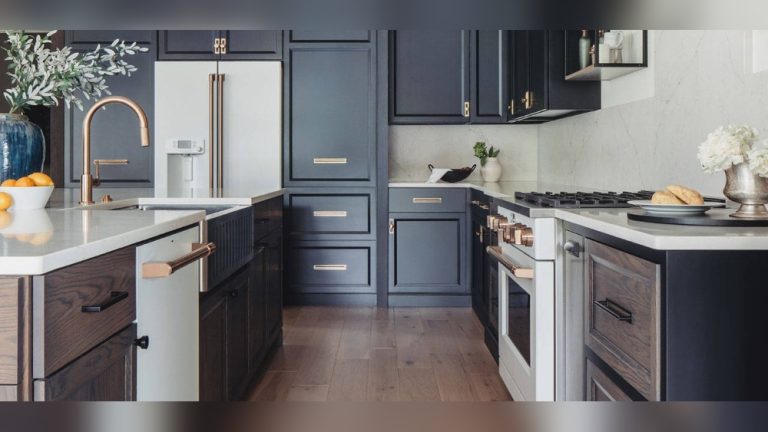
From soft powder blue to bold navy, blue cabinets are trending in modern kitchens. Blue hues evoke tranquility and pair beautifully with brass or gold hardware. Lighter blues can make a kitchen feel airy, while darker shades add drama and elegance.
Black Cabinets
Black cabinets create a striking, high-end look, especially in open, well-lit kitchens. They’re perfect for contemporary or industrial designs but can overwhelm a small or dark space. Black finishes hide stains and scratches, though fingerprints may be more visible depending on the sheen.
Green Cabinets
Green tones, from sage to forest, bring a natural, organic feel to the kitchen. Green cabinets work well with wood accents and are ideal for eco-inspired or farmhouse kitchens. Lighter greens are soothing, while dark greens are bold and sophisticated.
Wood-toned Cabinets
Natural and stained wood cabinets offer warmth, texture, and a connection to nature. Choices range from light maple to rich walnut. Wood cabinets can be paired with painted cabinets in two-tone designs for a modern twist.
Two-tone And Mixed Material Cabinets
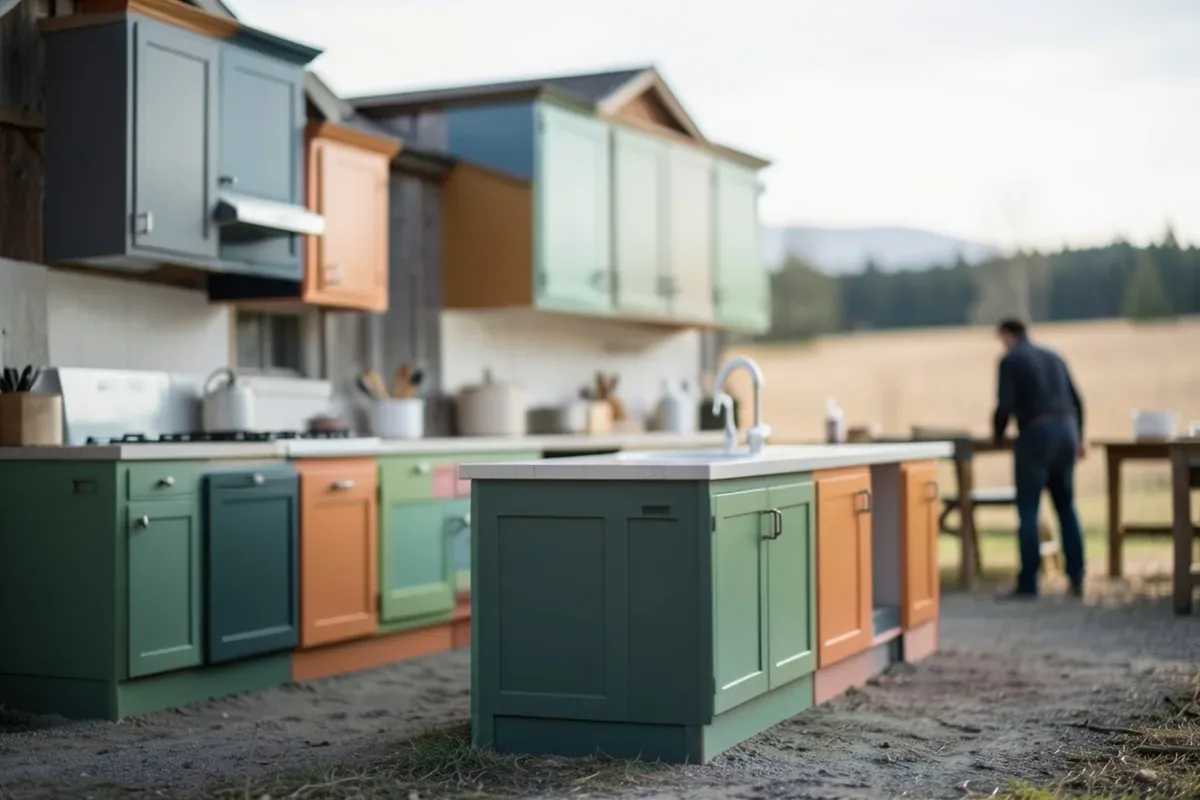
A growing trend is two-tone cabinetry, where upper and lower cabinets are painted different colors, or where wood and painted finishes are combined. This approach allows for greater personalization and can help visually break up large kitchen spaces.

Credit: www.hirshfields.com
Factors To Consider When Choosing Cabinet Colors
Selecting the right cabinet color isn’t just about aesthetics, it involves practical considerations that impact daily use and long-term satisfaction.
Kitchen Size And Layout
- Small kitchens benefit from light-colored cabinets, which reflect light and create a sense of openness.
- Large kitchens can accommodate darker or bolder hues without feeling cramped.
- Open-plan layouts should coordinate with adjacent living spaces for visual harmony.
Lighting
Natural and artificial lighting dramatically affects how cabinet colors appear. North-facing kitchens may make cool colors look colder, while south-facing kitchens can enhance warm tones. Always test paint samples at different times of day before committing.
Countertops, Flooring, And Backsplash
Your cabinet color should complement, not clash with, other finishes. For example:
- White cabinets work with almost any countertop.
- Bold colors pair best with neutral countertops and floors.
- Wood cabinets coordinate well with both stone and tile backsplashes.
Maintenance And Durability
High-traffic kitchens may require cabinets with finishes that resist fingerprints and are easy to clean. Glossy surfaces show fingerprints more than matte or satin finishes.
Personal Style And Trends
While it’s tempting to follow trends, consider your long-term preferences. Cabinets are a significant investment; select colors you’ll enjoy for years. That said, two-tone combinations or a pop of color on an island offer a trendy look without overwhelming the space.
:max_bytes(150000):strip_icc()/goldalamodetwotoned-7898e45ce4004aec878721b187b98301.jpeg)
Credit: www.mydomaine.com
Real-world Examples: Kitchen Cabinet Color Transformations
Learning from real projects can help you envision how different cabinet colors perform in actual homes.
Example 1: Modern Farmhouse Makeover
A family in Oregon updated their dated oak cabinets with a combination of sage green lowers and white uppers. The green brought warmth and a rustic feel, while the white maintained brightness. This combination created a layered, inviting look that complemented their butcher block countertops.
Example 2: Urban Loft Sophistication
A couple in Chicago chose matte black cabinets paired with white quartz countertops and stainless appliances. The result was a sleek, industrial-chic kitchen that felt upscale yet functional. They balanced the dark cabinets with ample lighting and open shelving.
Example 3: Coastal Retreat Refresh
A beach house renovation in Florida featured light blue cabinets and white subway tile backsplash. The blue mirrored the coastal palette outside, creating a relaxed, cheerful atmosphere perfect for a vacation home.
Comparing Popular Cabinet Colors: Data And Trends
To help you compare cabinet colors, here’s a data-driven look at the popularity, resale impact, and maintenance needs of common choices.
| Color | Popularity (2026) | Resale Appeal | Maintenance | Best For |
|---|---|---|---|---|
| White | Very High | Excellent | High | Small or dark kitchens |
| Gray | High | Good | Medium | Modern or transitional kitchens |
| Blue | Rising | Good | Medium | Coastal, modern, eclectic |
| Black | Moderate | Fair | Low | Large, well-lit kitchens |
| Green | Rising | Good | Medium | Farmhouse, nature-inspired |
| Wood | Consistent | Good | Low | Classic, rustic, transitional |
Source: National Kitchen & Bath Association (2026 Trends Report)
How To Choose The Right Cabinet Color For Your Kitchen
Selecting the perfect cabinet color involves balancing style, function, and future-proofing. Here are steps to streamline your decision-making:
1. Assess Your Kitchen’s Natural Light
More light means you can go darker; less light typically calls for lighter shades.
2. Evaluate Existing Elements
Consider your countertops, flooring, and backsplash. Neutral cabinets work with busy patterns, while bold cabinets pair best with simple surfaces.
3. Decide On A Style Direction
- Traditional kitchens often favor white, cream, or wood tones.
- Modern kitchens embrace gray, black, and bold colors.
- Farmhouse and cottage styles lean toward sage green, blue, or distressed finishes.
4. Test Paint Samples
Order sample doors or apply paint swatches to your cabinets. View them in different lighting conditions and at various times of day.
5. Consider Maintenance
If you have young children or a busy household, avoid finishes that show smudges and fingerprints.
6. Think About Resale
If you plan to sell within five years, choose neutral or classic colors for broader appeal.
Two-tone And Mixed Material Kitchens: Modern Design Strategies
Two-tone kitchens are an effective way to add interest and depth, especially in open-concept homes.
Benefits Of Two-tone Cabinets
- Visual interest: Breaks up the monotony of a single color.
- Zone definition: Helps differentiate prep, cooking, and entertaining areas.
- Trend flexibility: Try a bold color on your island or lowers without overwhelming the space.
Popular Two-tone Combinations
- White uppers with navy or black lowers
- Wood-toned lowers with painted uppers
- Gray and white for modern contrast
Example Table: Two-tone Cabinet Color Pairings
| Upper Cabinets | Lower Cabinets/Island | Effect |
|---|---|---|
| White | Navy Blue | Classic & bold |
| Light Gray | Walnut | Warm & modern |
| Sage Green | Charcoal Gray | Earthy & calming |
Pro Tip:
When using two-tone cabinets, connect the look with matching hardware or accent colors elsewhere in your kitchen to create a cohesive feel.
Coordinating Cabinet Colors With Kitchen Elements
Countertops
- White cabinets: Pair well with marble, granite, or quartz in any hue.
- Dark cabinets: Best with light or subtly patterned countertops.
- Wood cabinets: Try with quartz or solid-surface counters for contrast.
Flooring
- Light cabinets with light floors can feel airy and open, but may lack contrast.
- Dark cabinets with light floors (or vice versa) create visual drama.
Backsplash
Choose a backsplash that either complements your cabinets or adds a pop of interest. For example, a white subway tile works with most cabinet colors, while a patterned tile can enhance neutral cabinets.
Appliances And Hardware
Stainless steel, matte black, or brass hardware can all change the vibe of your kitchen. For example, gold hardware paired with navy cabinets creates a luxurious look, while matte black hardware offers modern minimalism.
Maintenance, Durability, And Longevity Of Cabinet Colors
The practical side of cabinet color is just as important as appearance, especially in high-traffic kitchens.
Cleaning And Upkeep
- White and light colors: Show stains and spills, requiring more frequent cleaning.
- Dark colors: Hide most stains but may reveal dust and fingerprints.
- Wood stains: Mask scratches and dings, making them a durable choice.
Finish Options
- Matte finishes: Conceal fingerprints but may be harder to clean.
- Glossy finishes: Easier to wipe down but show smudges and scratches more readily.
- Satin finishes: Offer a balance of durability and low maintenance.
Durability
High-quality paint, professional application, and proper sealing are key to long-lasting results. Repainting is possible but involves time and cost.
Longevity And Trends
While bold colors are popular, neutrals have more staying power. If you crave color, consider limiting it to an island or lower cabinets for easier updates.
Frequently Asked Questions
What Cabinet Color Is Best For Small Kitchens?
For small kitchens, light colors such as white, light gray, or pale blue are optimal. They reflect light, making the space appear larger and more open. Consider pairing light upper cabinets with slightly darker lowers for depth without sacrificing the airy feel.
Can I Paint My Existing Cabinets A New Color?
Yes, most cabinets can be painted if they are in good structural condition. Proper preparation is essential: clean, sand, and prime the surface before applying paint. For laminate cabinets, use a bonding primer. Hiring a professional painter ensures durability and a high-quality finish.
Are Colored Cabinets Harder To Maintain Than White Or Wood?
Maintenance depends more on the finish than the color itself. Glossy or dark cabinets may show fingerprints, while white cabinets reveal stains. Satin and matte finishes are typically easier to maintain. Regular cleaning with a gentle cleanser keeps all colors looking fresh.
How Do I Coordinate Cabinet Color With The Rest Of My Kitchen?
Start by assessing your existing elements: countertops, flooring, backsplash, and appliances. Choose a cabinet color that complements these finishes. For example, if you have busy countertops, opt for a neutral cabinet color. Use hardware and accents to tie the look together.
Are Two-tone Kitchen Cabinets Just A Trend, Or Are They Here To Stay?
Two-tone cabinets have moved beyond a fleeting trend and are now considered a mainstream design strategy. They offer flexibility and visual interest, especially in open-concept spaces. If you choose timeless color combinations (like white and wood), two-tone cabinets can remain stylish for years.
Sources
- National Kitchen & Bath Association
- Zillow Paint Color Analysis
Selecting the right kitchen cabinet color is a significant decision that shapes the heart of your home for years to come. Whether you gravitate toward timeless white, dramatic black, calming blue, or a bold two-tone scheme, thoughtful planning and coordination with other kitchen elements ensure a space that’s both beautiful and functional. For more practical advice on enhancing your kitchen, explore resources like choosing the right canning jar and freeze-drying vs canning for long-term storage. Your kitchen should reflect both your style and your everyday needs, choose your cabinet colors with confidence, and enjoy the transformation.
Products related to this article
Sponsored / affiliate links. As an Amazon Associate I earn from qualifying purchases. I may earn additional commission from eligible campaigns.