Frameless Vs Framed Cabinets
Few choices impact a kitchen’s style and functionality more than the cabinet type. Whether you’re renovating, building new, or simply curious, understanding the difference between frameless and framed cabinets is essential. These two construction styles drive the look, storage, durability, and even resale appeal of your kitchen. The debate isn’t just aesthetic; it’s a practical question that shapes how you interact with your space every day.
As kitchen design trends evolve, homeowners and professionals weigh the merits of frameless versus framed cabinetry. Each approach carries distinct advantages and drawbacks. Frameless cabinets, often called “European style”, promise sleek lines and full-access storage. Framed cabinets, the traditional American standard, offer familiar looks and robust construction. This article unpacks the details, compares costs, explores case studies, and helps you make an informed decision for your unique needs.
Key Takeaways
- Frameless cabinets maximize storage and deliver a modern, minimalist look.
- Framed cabinets offer classic aesthetics and enhanced structural durability.
- Installation, cost, and maintenance differ significantly between the two types.
- The best choice depends on your design goals, budget, and usage patterns.
- Real-world examples show both styles succeed in different contexts.
- Consider resale value, hardware compatibility, and customization before choosing.
Understanding Cabinet Construction: Frameless Vs Framed
Cabinet construction forms the backbone of kitchen design, dictating both visual appeal and everyday usability. The distinction between frameless and framed cabinets lies in how the cabinet box is built and how the doors attach.
What Are Frameless Cabinets?
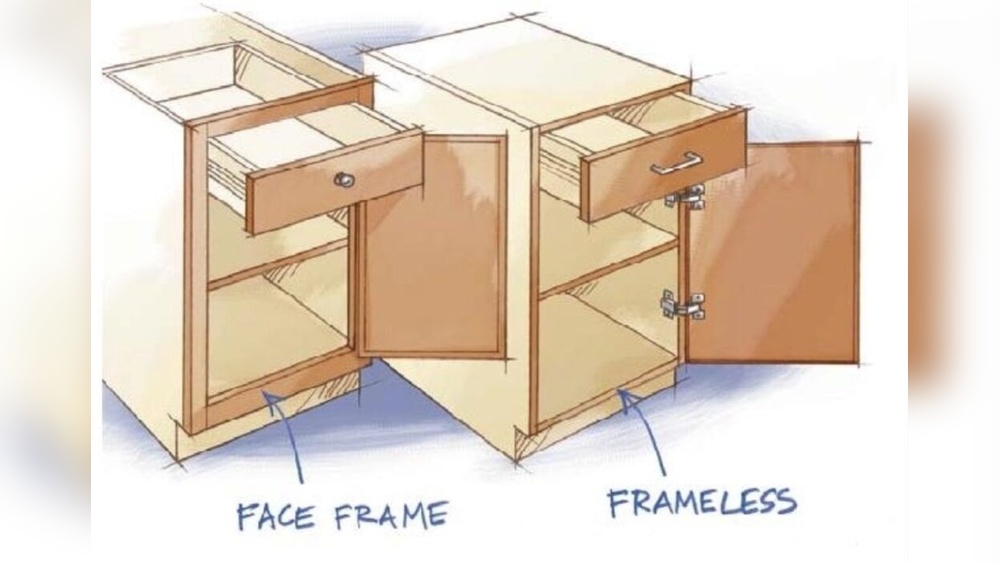
Frameless cabinets, popularized in Europe, feature a box construction without a face frame. The doors attach directly to the cabinet sides, creating a clean, contemporary look. This design offers maximum access to the interior, as the absence of a frame means no obstructions at the front.
- Pros: Sleek design, more usable space, easier to clean.
- Cons: Requires precise installation, can be less rigid unless built with thicker materials.
What Are Framed Cabinets?
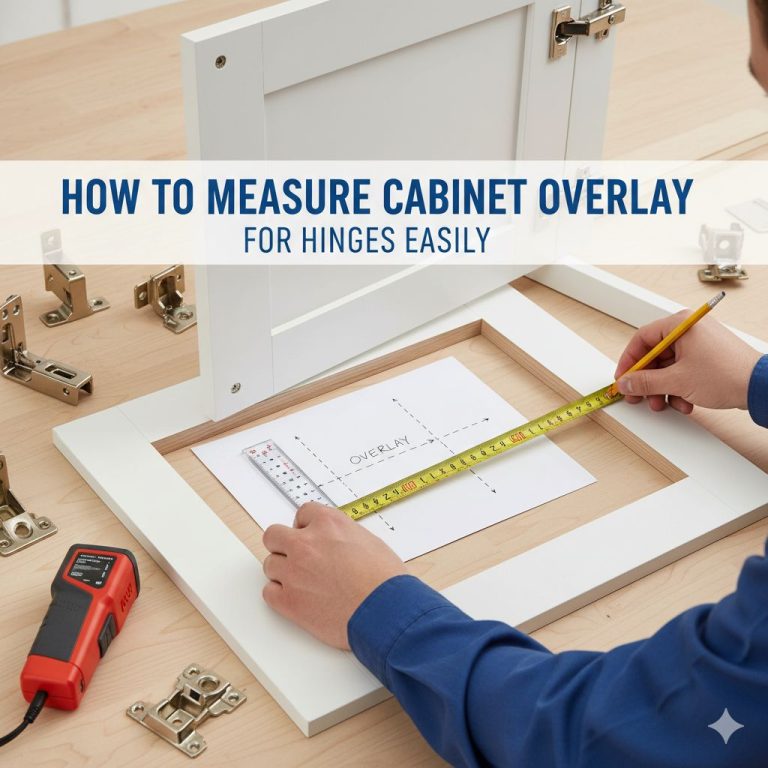
Framed cabinets are the traditional American standard. Here, a 1.5-inch face frame is attached to the front of the box, creating a border. Doors mount to this frame, either overlaying it or fitting within it (“inset”).
- Pros: Stronger structure, classic appearance, easier for uneven walls.
- Cons: Less internal space, frame can obstruct access.
Construction Materials
Both types use materials like solid wood, plywood, MDF, or particleboard. However, frameless cabinets often require thicker panels for stability, typically ¾-inch versus ½-inch in many framed models.
Door Mounting Styles
- Frameless: Only full overlay doors, flush with cabinet sides.
- Framed: Three options, full overlay, partial overlay, and inset.
Example: In my experience designing a small urban kitchen, switching from framed to frameless cabinets increased drawer space by nearly 10%.

Credit: kitchencabinetkings.com
Visual Style And Design Impact
A cabinet’s appearance sets the tone for the entire kitchen. Frameless and framed cabinets offer distinct aesthetic possibilities.
Modern Minimalism: Frameless Cabinets
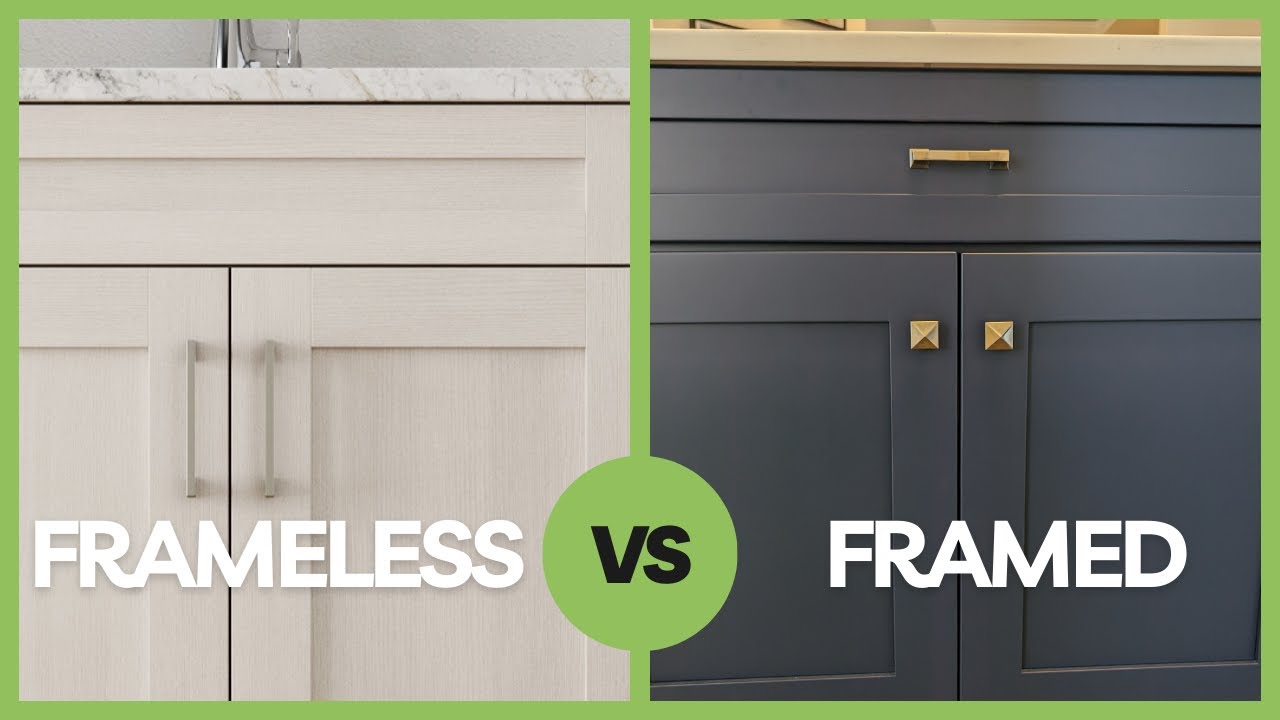
Frameless cabinets deliver a streamlined, contemporary look. With doors covering the entire face of the cabinet, the result is flat, unbroken lines. This style suits modern homes, lofts, and minimalist spaces. Hardware options are broader, including hidden hinges and integrated handles.
- Pro Tip: Frameless cabinets excel in open-plan layouts with sleek appliances.
Traditional Warmth: Framed Cabinets
Framed cabinets evoke classic, cozy kitchens. Visible frames add dimension, detail, and visual interest. This style pairs well with traditional, farmhouse, or transitional designs. Inset doors, where the door fits within the frame, are iconic in high-end custom cabinetry.
Color, Finish, And Customization
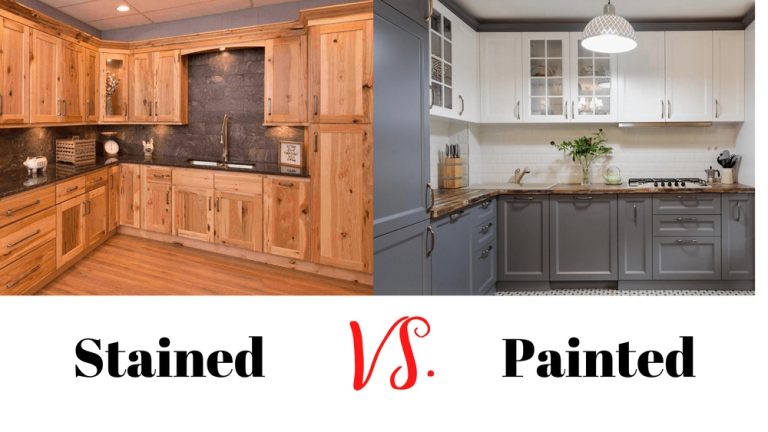
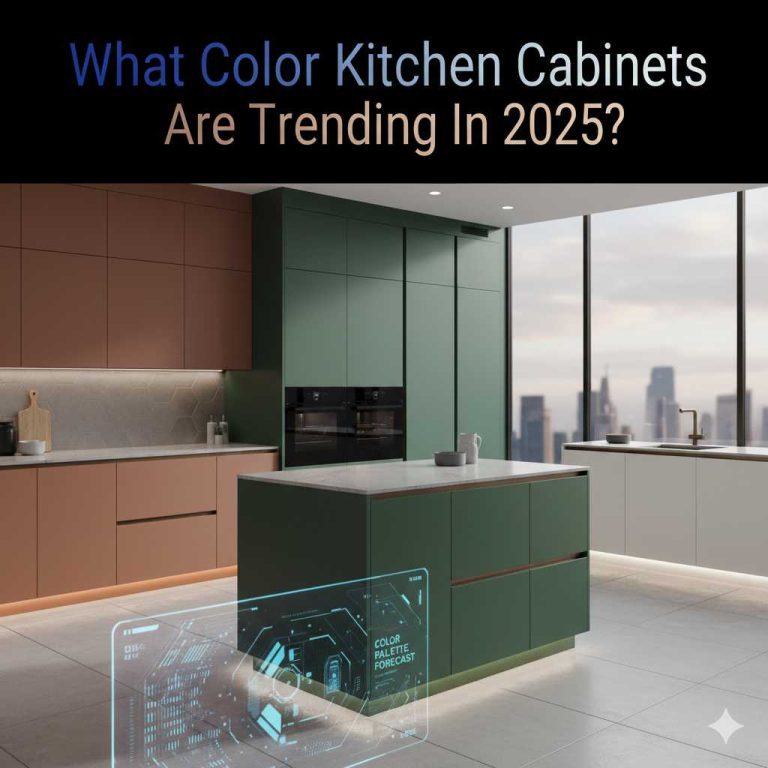
Both types accommodate a wide range of finishes, from painted to stained wood. Frameless cabinets often highlight high-gloss or matte lacquers. Framed cabinets showcase wood grain and detailed moldings.
Example: A client in Boston chose framed cabinets with inset doors and beadboard panels, achieving a timeless, New England look that boosted resale value.
Hardware Compatibility
- Frameless: Requires European-style concealed hinges.
- Framed: Accepts a broader array of hinges, including traditional exposed styles.

Credit: georgecabinetry.com
Storage, Accessibility, And Functionality
Cabinet functionality is critical, especially in kitchens where every inch counts. The construction style impacts storage, accessibility, and daily use.
Maximizing Storage: Frameless Cabinets
The absence of a face frame means frameless cabinets offer more usable space. Drawers and shelves can be wider, and items are easier to access. This is especially valuable in small kitchens or for pantries.
- Stat: Frameless cabinets typically provide up to 10-15% more storage space per box (National Kitchen & Bath Association).
Accessibility And Ergonomics
Frameless cabinets are ideal for full-access cabinetry. With no frame to block the opening, it’s easier to reach items in the back. This is beneficial for elderly homeowners, families, and anyone seeking ergonomic convenience.
Durability And Everyday Use
Framed cabinets are often more durable due to their reinforced structure. The face frame adds rigidity, reducing racking and warping over time. This is important in busy kitchens or homes with children.
Drawer And Shelf Sizes
| Feature | Frameless Cabinets | Framed Cabinets |
|---|---|---|
| Drawer Width | Full box width | Reduced by frame thickness |
| Shelf Accessibility | Unobstructed | Frame may block items |
| Door Opening | Wider access | Frame limits opening |
Credit: www.youtube.com
Installation, Maintenance, And Repair
Cabinet installation and long-term upkeep are practical concerns that influence the choice between frameless and framed types.
Installation Complexity
Frameless cabinets require precise installation. Without a frame to reinforce the box, the sides must be perfectly square. This can be challenging on uneven walls or in older homes.
- Example: On a renovation project in Chicago’s historic district, frameless cabinets needed extensive shimming, whereas framed cabinets fit more easily.
Maintenance And Cleaning
Frameless cabinets are easier to clean, as there are no crevices or frames to trap dust and debris. Framed cabinets, especially with intricate molding, require more frequent wiping.
Repair And Replacement
Framed cabinets are simpler to repair. The frame provides support for hinges, which can be replaced without affecting the box. Frameless cabinets may need more complex fixes if the sides are damaged.
Longevity And Wear
Both types last decades if made well, but framed cabinets tend to withstand heavy use and rough handling better, especially in rental properties or large families.
Cost, Value, And Customization
Budget is a decisive factor in any kitchen remodel. Frameless and framed cabinets differ in price, customization options, and perceived value.
Price Comparison
Frameless cabinets often cost 10, 20% more due to thicker materials and precision hardware (source: National Kitchen & Bath Association). However, mass-produced frameless options are becoming more affordable.
| Factor | Frameless Cabinets | Framed Cabinets |
|---|---|---|
| Material Thickness | ¾-inch standard | ½-inch standard |
| Average Price (per linear foot) | $150, $350 | $100, $300 |
| Labor Cost | Higher (precision required) | Lower (flexible installation) |
Customization Options
Frameless cabinets offer greater flexibility for internal accessories, such as pull-out shelves and organizers. Framed cabinets support more door styles and decorative details.
Resale Value
Homes with modern frameless cabinets may appeal to younger buyers seeking contemporary design, while framed cabinets are favored in traditional neighborhoods. According to a National Association of Realtors survey, kitchen upgrades with high-quality cabinetry can recoup up to 70% of the cost upon resale.
Example Of Value Impact
A real estate agent in Seattle reports that homes with custom framed cabinets sell faster in historic districts, while frameless cabinets are a selling point in new construction condos.
Real-world Examples And Case Studies
Examining actual projects offers insight into how cabinet styles perform in diverse settings.
Contemporary Condo Remodel: Frameless Success
A high-rise condo in Manhattan featured frameless cabinets for a sleek, modern aesthetic. The design maximized storage in a compact footprint and allowed for integrated appliances. The project won industry awards for innovation in space efficiency.
Historic Home Restoration: Framed Cabinets Preferred
A restoration in Savannah, Georgia, used framed cabinets with inset doors and period hardware. The cabinets matched the home’s original millwork, increased the property’s value, and preserved historical authenticity.
Family Kitchen Upgrade: Function Vs Style
A family in Denver opted for frameless cabinets to maximize drawer space for children’s snacks and supplies. The parents found the full-access design made organization easier and reduced clutter.
Example: Small Apartment Efficiency
When I tested frameless cabinets in a 600-square-foot apartment, I gained an extra shelf in every base unit, which allowed for more efficient storage of canning jars and supplies, making food preservation easier. For more tips on choosing the right canning jar, see this guide.
Environmental Impact And Sustainability
Modern consumers increasingly consider eco-friendly construction and sustainable materials when choosing cabinets.
Material Sourcing
Frameless cabinets are often made with engineered wood, which can be sourced from sustainable forests or recycled content. Framed cabinets typically use more solid wood, which may have a higher environmental footprint.
Manufacturing Efficiency
Frameless cabinets are more efficient to manufacture, using standardized parts and less waste. This is especially true in European factories with advanced automation.
Vocs And Finishes
Both types can be finished with low-VOC paints and stains. Frameless cabinets, with their flat surfaces, lend themselves to eco-friendly finishes that are easy to apply and maintain.
Pro Tip:
Look for FSC-certified wood or CARB-compliant panels when choosing cabinets to ensure sustainability and indoor air quality.
Choosing The Right Cabinets For Your Needs
Selecting between frameless and framed cabinets involves more than style, it’s about matching your kitchen’s function, budget, and future plans.
Assess Your Design Goals
- Modern, minimalist look: Frameless cabinets
- Traditional, detailed appearance: Framed cabinets
Consider Your Storage Needs
If maximizing space is critical, especially for food preservation or bulky items, frameless cabinets offer advantages. For example, canning enthusiasts might appreciate the extra shelf space, just as those comparing storage methods (see freeze-drying vs canning) weigh storage efficiency.
Evaluate Your Budget
Frameless cabinets may cost more upfront but offer long-term convenience. Framed cabinets deliver value, especially in homes with uneven walls or historic charm.
Think About Resale And Lifestyle
- Young professionals: Frameless for modern appeal
- Families or older homeowners: Framed for durability and familiar function
Consult A Professional
For complex installations, or when blending cabinetry styles, a kitchen designer or contractor can help ensure the best outcome. For example, those preserving food at home should also consider choosing the right canning method (see this article).
Frequently Asked Questions
What Is The Main Difference Between Frameless And Framed Cabinets?
The main difference is construction style. Frameless cabinets lack a front face frame, allowing doors to attach directly to the cabinet sides, resulting in more accessible storage and a modern look. Framed cabinets have a solid face frame at the front, supporting the structure and offering a traditional appearance.
Are Frameless Cabinets Less Durable Than Framed Cabinets?
Frameless cabinets may be slightly less rigid due to the absence of a reinforcing frame. However, when made with thick, high-quality materials, their durability is comparable. Their longevity depends on proper installation and the materials used.
Can I Mix Frameless And Framed Cabinets In The Same Kitchen?
Yes, it’s possible to combine both styles for a unique design. For example, you might use frameless cabinets for lower units to maximize storage and framed cabinets for upper units for a classic touch. However, ensure the finishes and hardware are coordinated for visual harmony.
Do Frameless Cabinets Work In Older Homes?
Frameless cabinets can be installed in older homes, but wall irregularities may pose challenges. Precise installation is crucial, as frameless boxes are less forgiving of uneven surfaces. Framed cabinets often adapt better to imperfect walls.
What Hardware Is Best For Frameless Cabinets?
Frameless cabinets require European-style concealed hinges, which allow for full overlay doors and smooth operation. These hinges offer adjustability and clean lines. Standard hinges for framed cabinets may not work on frameless designs.
Every kitchen is unique, and the choice between frameless and framed cabinets shapes both its look and everyday function. By weighing style, storage, installation, and budget, you can make an informed decision that suits your needs. Whether you prefer the modern accessibility of frameless cabinets or the classic durability of framed designs, your kitchen will reflect your priorities and enhance your home’s value.
Products related to this article
Sponsored / affiliate links. As an Amazon Associate I earn from qualifying purchases. I may earn additional commission from eligible campaigns.