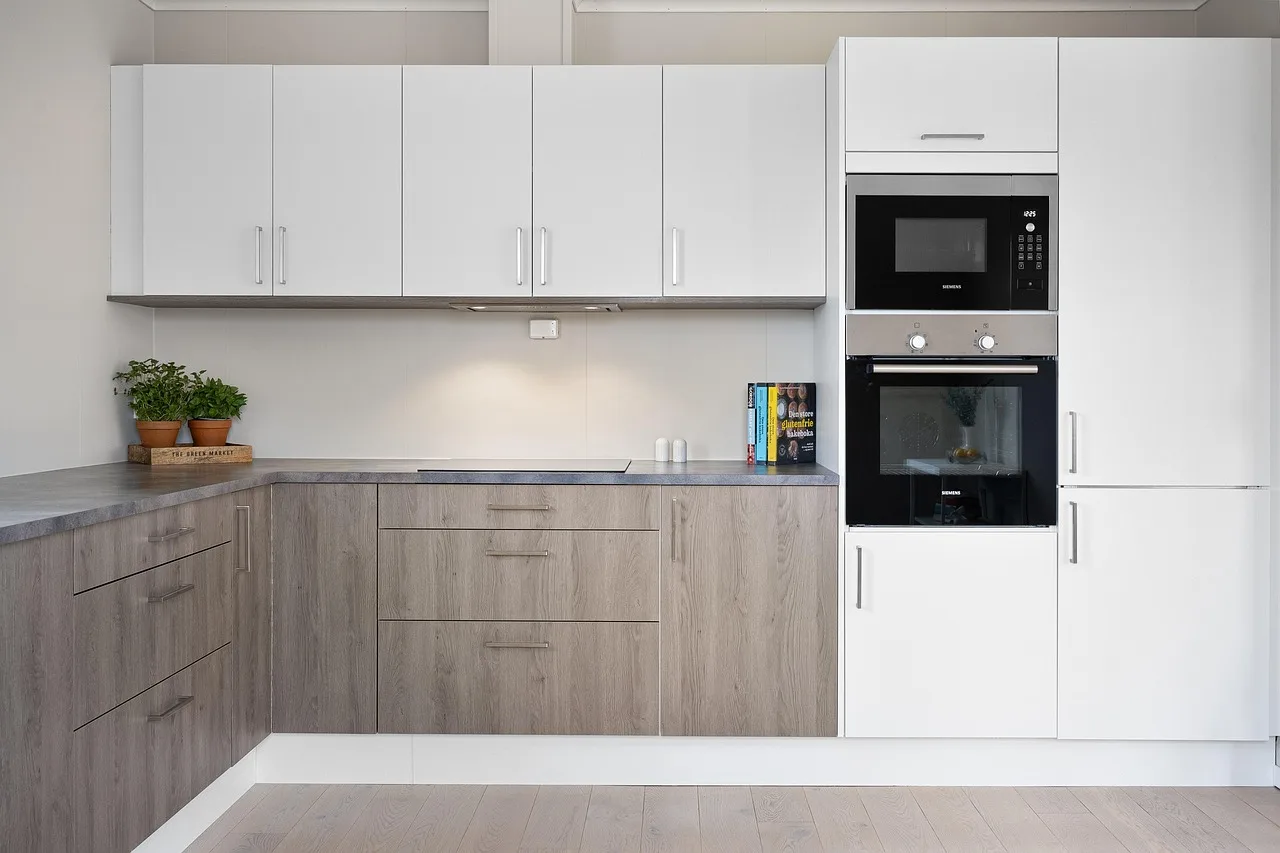
How Much Do Kitchen Cabinets Cost?
Kitchen cabinets usually cost about $4,000 to $15,000 for stock or semi-custom sets, and roughly $15,000 to $30,000 or more for custom, before installation. Break quotes into cabinet boxes, labor, removals, and upgrades so you can compare like for like. Skip that split, and a low bid can hide weak materials, soft-close add-ons, haul-away fees, or install charges that push the final bill far above budget. This guide shows how to read cabinet quotes line by line.
Typical cost range
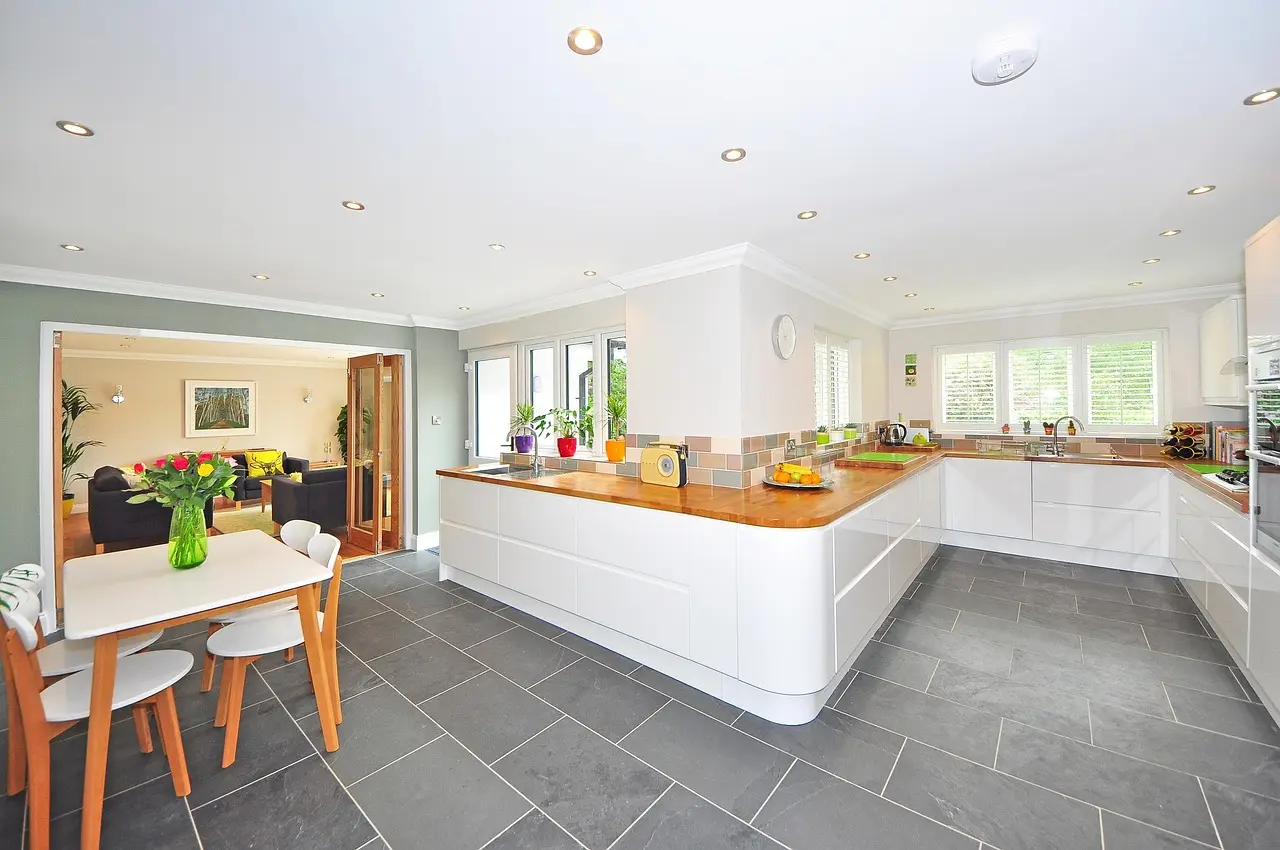


For most remodel budgets, cabinet pricing falls into two buckets: materials only, and installed cost. A workable planning range starts at about $4,000 to $15,000 for stock or semi-custom sets, then rises to roughly $15,000 to $30,000 or more for custom. The final number changes most with cabinet type, kitchen size, and whether demo or installation is included.
Why installed and materials-only prices differ
Cabinet boxes are only part of the bill. Installation labor is usually separate, and some quotes also include assembly, removal of old cabinets, disposal, delivery, and cleanup. That is why two bids can look similar on paper while one ends much higher once you add the missing line items.
HomeAdvisor pricing cited in this article ranges from $100 to $1,200 per linear foot. The same source estimates an average project around $13,000, with cabinet costs that could run as low as $2,000 or as high as $24,000. Those numbers only make sense when you know what the quote includes.
What changes the final total most
The biggest swing factors are total linear footage, cabinet construction, and the scope of labor. A basic run with simple boxes costs less than a kitchen with corner solutions, molding, finished end panels, pullouts, and soft-close hardware. Replacement projects also rise when the old cabinets must be removed and hauled away.
How are kitchen cabinets priced?
Cabinets are measured and priced by the linear foot, not by square foot. A common retailer benchmark is a 10×10 kitchen with about 20 linear square feet of cabinets, but that format is only a sample price structure. It does not capture every upgrade, accessory, or installation detail.
Linear foot pricing explained
Linear foot pricing usually reflects the length of base and wall cabinet runs. One linear foot along a wall can include a base cabinet, a wall cabinet, or both depending on the quote. Price shifts with material, style, and installation scope, so the same kitchen layout can produce very different bids.
Why the 10×10 kitchen benchmark is common
Retailers use the 10×10 kitchen because it gives shoppers a fast comparison point. Cabinets.com says its 10×10 price is basic pricing with no upgrades added. It also says the 10×10 price does not include crown molding or decorative hardware, and it does not include countertops, sink/faucet, or appliances.
Why square-foot pricing can mislead
Square footage does not track cabinet cost well because cabinets are built and sold by run length, not floor area. Two kitchens with the same floor size can have very different cabinet budgets if one has more wall length, a pantry wall, or more corner cabinets. For quoting, linear footage is the cleaner number.
What changes cabinet cost the most?
Kitchen size matters, but layout and finish choices can move the price just as much. A small kitchen can still cost a lot per foot if it needs specialty storage, extra fillers, or custom sizing. Finishes, door style, and hardware can also add up fast when they are bundled across every cabinet.
Kitchen size and total linear footage
Smaller kitchens usually need fewer cabinets, but they do not always cost less per foot. Tight layouts can require more fillers, more corner solutions, and more labor around plumbing or appliance openings. Larger kitchens add footage quickly, so the total climbs even when the per-foot price stays the same.
Say your kitchen is compact but awkward, with only one straight wall and a short peninsula. The cabinet count may look modest, yet the quote can still climb because the installer has to fit odd widths, finish exposed ends, and work around corners that need specialty pieces.
Layout complexity and corner cabinets
Corner cabinets, tall pantry units, and appliance garages add cost because they use more material and often more labor. Lazy Susans, pullout trays, and filler panels also change the total. If a quote mentions only the box count, ask what the corner treatment includes.
Material, finish, and style upgrades
Finish changes matter. Painted doors often cost more than stained doors, and glass-front doors, beadboard details, soft-close hinges, and decorative hardware all raise the total. Even a modest upgrade can affect every base and wall cabinet in the room.
Which cabinet type fits your budget?
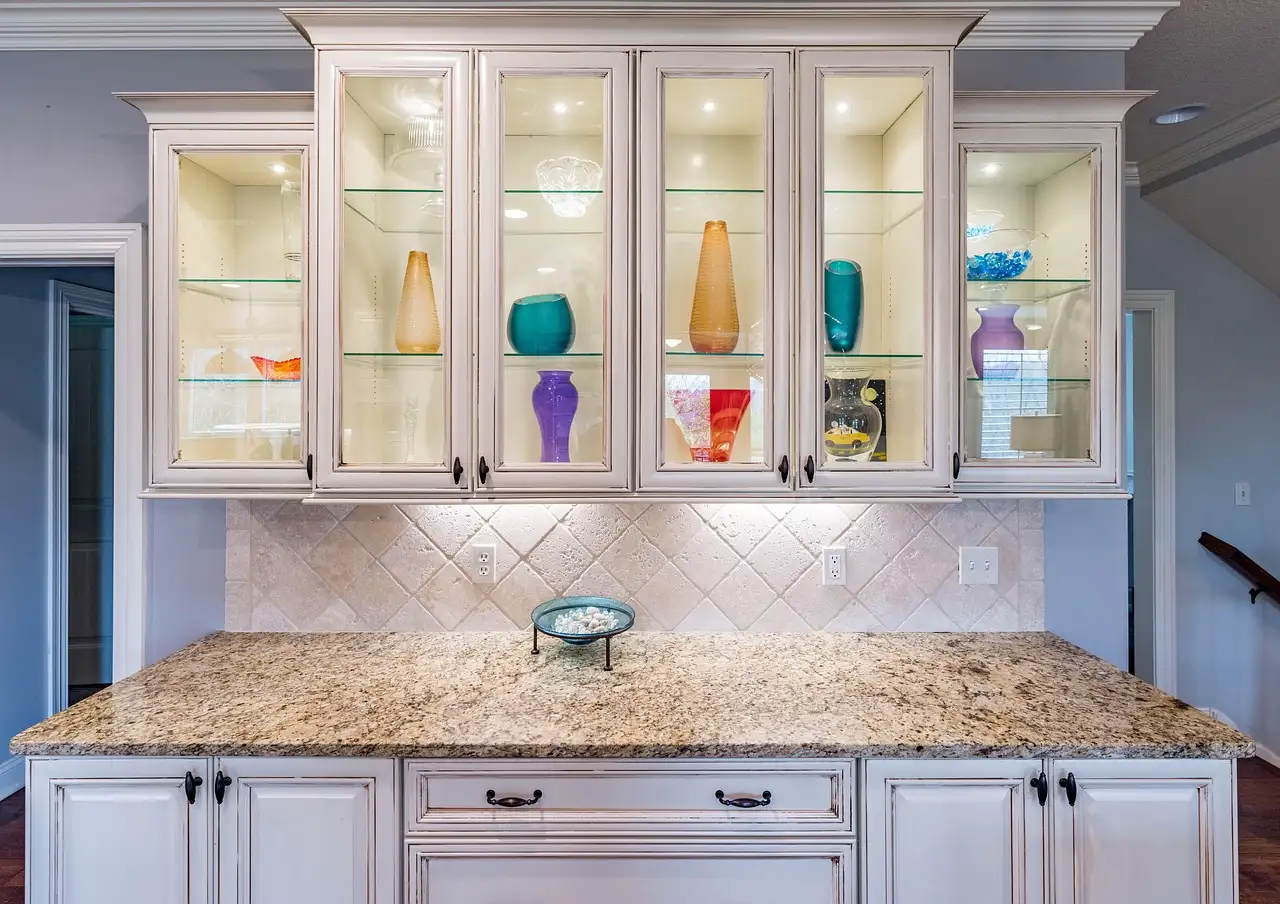
The main cabinet tiers are RTA, stock, semi-custom, and custom. As a rule, more flexibility means higher cost. Build quality, fit, finish, and lead time usually improve as you move up the ladder, but the price jump can be large if your quote includes installation and finish upgrades.
RTA cabinets
RTA, or ready-to-assemble, is often the entry point for budget projects. Hunker lists RTA cabinets at $120 to $250 per linear foot, installed. The lower price can work well for simple layouts, but assembly time and hardware quality still deserve a close look.
Stock cabinets
Stock cabinets are standard sizes with limited choices. The same source says stock cabinets cost $150 to $300 per linear foot, installed. They are often the fastest path to a clean, predictable layout, especially if your room does not need unusual widths or many custom fillers.
Semi-custom cabinets
Semi-custom cabinets give you more size and finish options, with a higher price to match. The same source says semi-custom cabinets cost $300 to $650 per linear foot, installed. This tier is common when you want a tighter fit than stock can provide without paying full custom pricing.
Custom cabinets
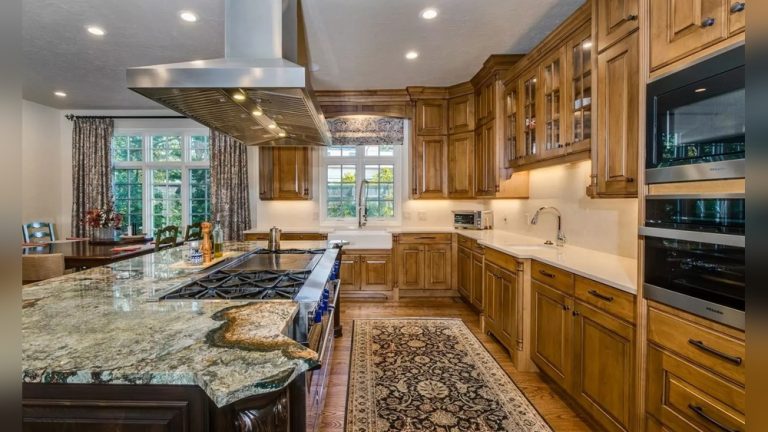
Custom cabinets are built to the room and can handle unusual dimensions, unique storage, and specialty finishes. They are the highest-cost option because the design flexibility is broader and the labor is more involved. That flexibility is useful when the room layout or design plan leaves stock sizes short.
Material choices inside each tier
Cabinet pricing also changes with the core material. Particleboard tends to be the lowest-cost option, while plywood and solid wood usually cost more. MDF and laminate sit in the middle for many projects, depending on finish quality and how the cabinet is built. Ask which parts are plywood, which parts are particleboard, and what is veneer or laminate.
What a cabinet quote should include
A usable cabinet quote separates the cabinet product from the work around it. At minimum, you want cabinet boxes, doors, drawer fronts, and standard hardware listed clearly. Then check whether labor, assembly, removal, delivery, trim, and cleanup are included or billed separately.
Materials and hardware
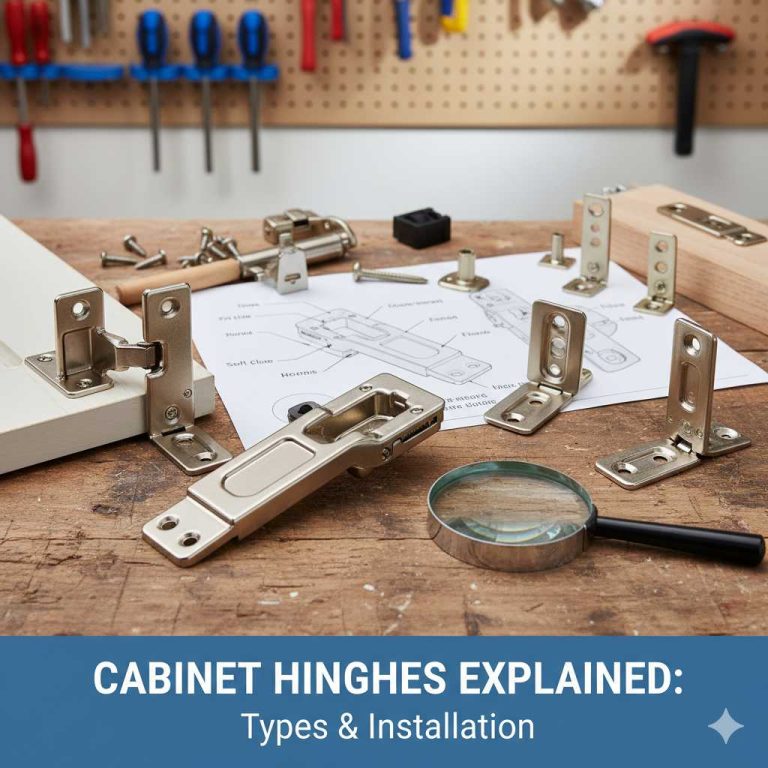
Cabinet hardware can mean hinges, drawer slides, pullouts, lazy Susans, and soft-close parts. These items are easy to miss because they may be listed as upgrades instead of core pricing. A quote that mentions only cabinet boxes but not hardware is not complete enough for comparison.
Installation labor and assembly
Homelight says labor can cost roughly $50 to $250 per linear foot. That labor may include assembly, setting boxes, leveling, fastening, and cleanup. Installation is often priced separately from materials, and geography or contractor demand can move the number up or down.
Removal, delivery, trim, and cleanup
Replacement projects need special attention. Demo and disposal can add meaningful cost, and some installers also charge for delivery, trim, molding, or modifications to fit a changed layout. If the quote is for a swap-out rather than a new build, ask exactly who handles haul-away and patching.
Suppose two quotes both list 20 linear feet of semi-custom cabinets. One includes installation, crown molding, and soft-close hardware; the other includes only the cabinet boxes. The second quote is not cheaper once you add the missing pieces, even if the headline price looks lower.
Cabinet cost worksheet
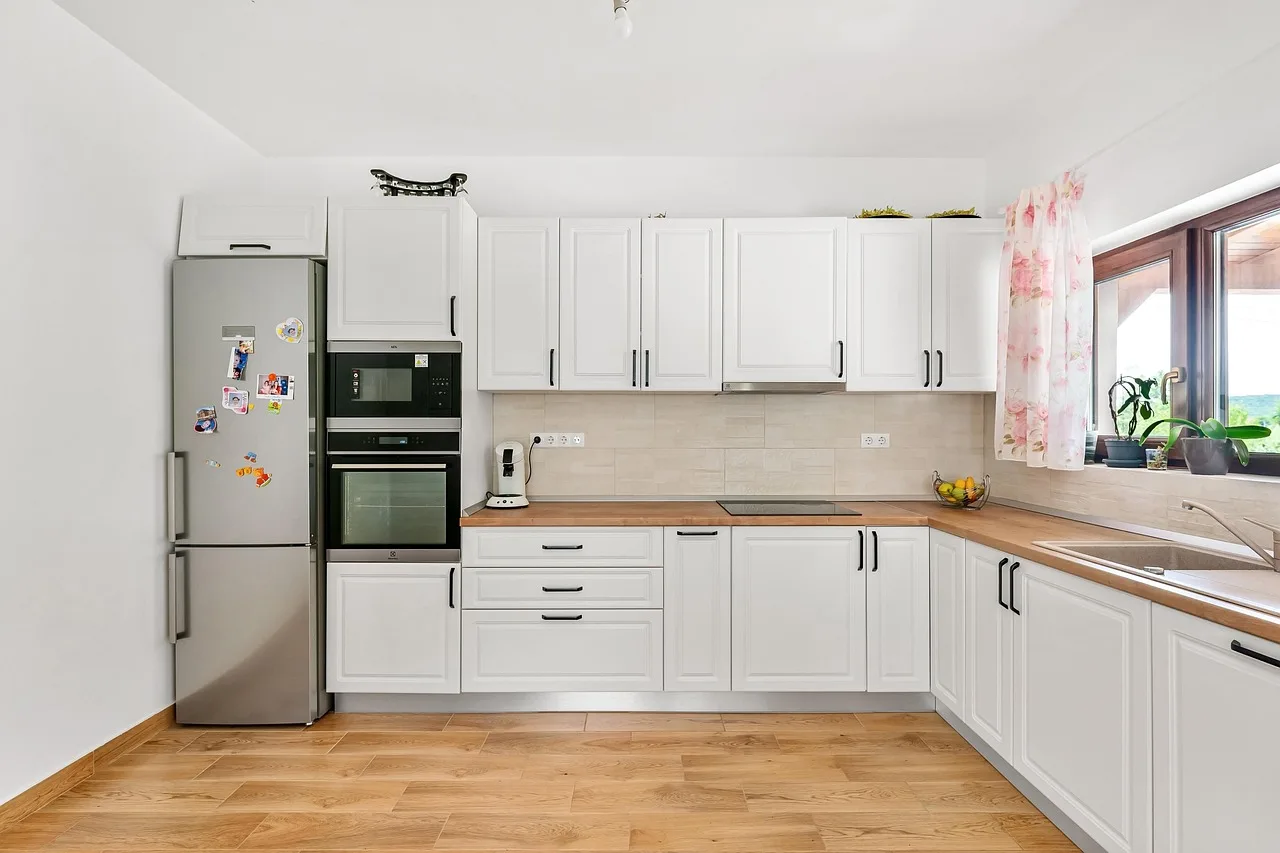
Use this worksheet to turn a quote into a line-by-line budget. Fill in your kitchen size and linear footage, then compare every line that affects the total. If one bid leaves out removal, molding, or hardware, add those assumptions before you judge price.
| Kitchen size | Linear footage | Cabinet type | Material | Included hardware | Install labor | Demo/removal | Trim/molding | Total estimated range |
|---|---|---|---|---|---|---|---|---|
| Small | 12 lf | RTA | Particleboard or laminate | Basic hinges, standard slides | $600 to $3,000 | $300 to $900 | $150 to $600 | $2,490 to $7,500 |
| Medium | 20 lf | Stock or semi-custom | Plywood or MDF | Soft-close hinges, drawer slides | $1,000 to $5,000 | $500 to $1,500 | $250 to $1,000 | $5,250 to $14,500 |
| Large | 30 lf | Semi-custom or custom | Plywood or solid wood | Soft-close, pullouts, organizers | $1,500 to $7,500 | $750 to $2,250 | $400 to $1,500 | $8,850 to $24,000+ |
This worksheet is a comparison tool, not a promise of a final bill. It is built from the quoted pricing structure in this article, so the purpose is to separate cabinet cost, labor, and add-ons before you commit to a contractor or retailer.
- Measure the total linear feet of planned cabinet runs.
- Ask whether the quote includes materials only or installed pricing.
- Mark hardware, pullouts, crown, trim, and decorative pieces separately.
- Add demo, disposal, delivery, assembly, and cleanup if they are missing.
- Compare the same line items across both quotes.
- Flag any bid that omits labor or upgrades that the other quote includes.
How to compare two quotes line by line
A quote is underpriced when it leaves out work that the final installation still needs. Look for missing hardware, unfinished trim, and vague labor language such as “basic install” without cleanup or leveling. A fair comparison uses the same cabinet type, the same footage, and the same scope for removal and finish work.
Frequently asked questions
How much do kitchen cabinets cost on average?
A practical average for many remodels is around $13,000, but the true number depends on whether the quote is materials only or installed.
How much do kitchen cabinets cost per linear foot?
Cabinets are measured and priced by the linear foot. Labor can add roughly $50 to $250 per linear foot on its own.
How much do kitchen cabinets cost for a small kitchen?
A small kitchen can still be expensive if the layout is tight or needs specialty parts. The footprint may use fewer cabinets, but corner units, fillers, and labor can push the per-foot cost up. Compare the total linear footage, not just the room size, before you judge the quote.
How much do kitchen cabinets cost to replace?
Replacement usually costs more than a fresh install because demo and disposal are part of the job. You may also pay for extra labor if the layout changes, the old cabinets are damaged, or the new run needs patching and trim work. Ask for a separate removal line item.
How much do kitchen cabinets cost per square foot?
Square-foot pricing is not the standard way cabinets are quoted. Linear footage is the better comparison because cabinet cost follows wall runs, box sizes, and layout complexity. A square-foot number can hide how much base and wall cabinet length you actually need.
How much do kitchen cabinets cost to paint?
Painting usually adds cost because it is a finish upgrade, not a cabinet box price. Painted doors often cost more than stained doors, and prep work can include sanding, priming, masking, and drying time. Ask whether painting is factory-finished or done after installation.
Products related to this article
Sponsored / affiliate links. As an Amazon Associate I earn from qualifying purchases. I may earn additional commission from eligible campaigns.