How To Polish Kitchen Cabinets: Genius Cleaning
Quick Summary: Learn how to polish kitchen cabinets with simple methods for a sparkling, like-new finish. This guide offers easy steps to remove grime, restore shine, and protect your cabinets, making them look amazing without professional help. Get ready for a kitchen that truly gleams!
For a related storage or furniture fix, What Color Kitchen Cabinets Are Trending In 2025? helps readers compare the next practical option.
For a related kitchen decision, How To Clean Pots And Pans: Relief for Kitchen Frustration adds another practical detail to check.
For another table or room-layout decision, How To Clean Wood Kitchen Table gives readers a useful follow-up.
Are your kitchen cabinets looking a little dull or grimy? It’s a common frustration! Over time, cooking splatters, fingerprints, and dust can make even the most beautiful cabinets lose their luster. You might even think they’re beyond saving without a costly makeover. But guess what? With a little know-how and some simple cleaning tricks, you can bring back their original shine and keep them looking fantastic!
You don’t need fancy equipment or a professional team to achieve brilliant results. This guide is designed for you, whether you’re new to home care or just looking for the easiest, most effective ways to make your cabinets sparkle. We’ll walk you through each step, making the process feel totally doable and even a little bit rewarding. Get ready to fall in love with your kitchen cabinets all over again!
Why Polish Your Kitchen Cabinets? The Secret to a Gleaming Kitchen
Think of polishing your kitchen cabinets as giving them a rejuvenating spa day. It’s more than just cleaning; it’s about bringing back their inherent beauty and protecting your investment. Over time, cabinets are exposed to a lot. Grease from cooking, fingerprints from daily use, and even moisture can dull the finish, making them look tired and worn. Regular polishing helps:
- Restore Shine: It lifts away dulling residues and revitalizes the surface, making them look vibrant and new.
- Protect the Finish: Many polishes contain protective agents that create a barrier against future grime, moisture, and UV damage.
- Easy Cleaning Later: A well-polished surface is smoother and more resistant to sticking, making future clean-ups a breeze.
- Boost Kitchen Appeal: Sparkling cabinets instantly make your entire kitchen feel cleaner, brighter, and more welcoming.
- Extend Cabinet Lifespan: Regular care helps prevent damage and wear, keeping your cabinets in great shape for years to come.
When you learn how to polish kitchen cabinets, you’re not just cleaning; you’re enhancing the heart of your home. And the best part? It’s a surprisingly simple process that anyone can master.

Getting Started: What You’ll Need for Cabinet Polishing
Before we dive into the steps, let’s gather your supplies. You probably have most of these on hand already. Having everything ready makes the process smooth and stress-free. Think of this as your cozy DIY toolkit for cabinet revival!
Essential Tools and Supplies:
- Microfiber Cloths: You’ll need a few. They are super soft and won’t scratch your cabinets, plus they’re great at trapping dust and grime.
- Mild Dish Soap: For that initial gentle clean.
- Warm Water: To mix with the soap and for rinsing.
- Cabinet Cleaner or Polish: This is where the magic happens! We’ll discuss options below.
- Small Bucket or Bowl: For your cleaning solution.
- Optional: A Soft Brush or Toothbrush: For getting into crevices and hardware.
- Optional: Glove: To protect your hands.
Choosing the right cabinet cleaner or polish is key. There are many options, and what works best can depend on your cabinet material. We’ll get into that next!
Choosing Your Cabinet Polish: What’s Best for Your Cabinets?
The type of polish you use can make a big difference. It’s important to select one that’s right for your cabinet’s material. Using the wrong product could, in rare cases, cause damage. Always test a small, inconspicuous area first!
Common Cabinet Materials and Polish Types:
Here’s a quick guide to help you choose:
| Cabinet Material | Recommended Polish/Cleaner Type | Things to Avoid |
|---|---|---|
| Wood (Finished/Sealed) |
|
|
| Laminate/Melamine |
|
|
| Painted Cabinets |
|
|
| Veneer |
|
|
For many common cabinet finishes, you can find versatile cleaning products. Look for labels that specify “cabinet cleaner” or “multi-surface cleaner” and are safe for your cabinet type. If you’re unsure, a simple mix of warm water and a tiny drop of mild dish soap is often the safest bet for a general clean before polishing.
DIY enthusiasts often rave about using homemade wood cleaner recipes for their finished wood cabinets. A simple mix of equal parts water and white vinegar, followed by a wipe with a conditioner like mineral oil, can work wonders. For a quick shine on sealed wood, many swear by a dab of furniture polish or even a tiny bit of coconut oil applied with a soft cloth.
Step-by-Step: How to Polish Kitchen Cabinets Like a Pro
Now comes the fun part! Following these steps will guide you to beautifully polished cabinets. Remember to work in a well-lit area and take your time. You’ve got this!
Step 1: Declutter and Remove Hardware
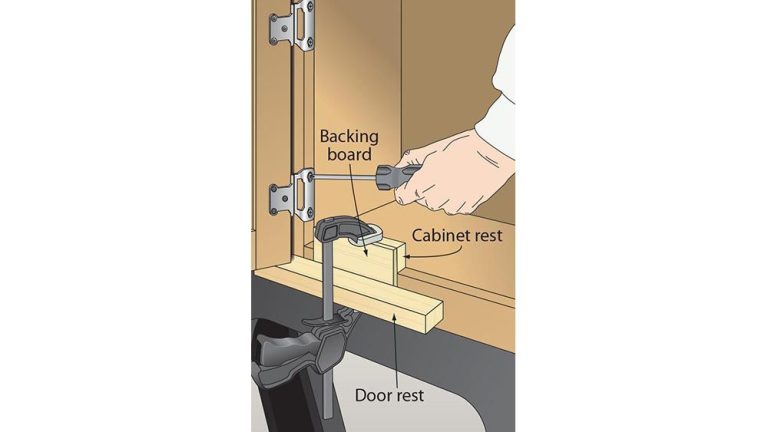
First things first, clear everything off your countertops near the cabinets you’ll be cleaning. This gives you a clear workspace. If your cabinet doors have knobs or handles, it’s often easiest to remove them. This prevents cleaning solution from getting into the screw holes and ensures you can clean every inch of the cabinet door and frame. You can place the hardware in a small bag with all the screws so you don’t lose them.
Step 2: The Gentle Pre-Clean
Before you polish, you need to make sure your cabinets are clean. Grease, dirt, and food splatters will prevent the polish from adhering properly and can even be smeared around, creating streaks. Mix a few drops of mild dish soap with warm water in your bucket. Dampen a microfiber cloth in this solution, wring it out thoroughly so it’s not dripping, and gently wipe down the cabinet surfaces. Pay extra attention to areas around the handles and near the stovetop, which tend to collect more grime. For tougher spots, you might need tiny bit more elbow grease, but avoid scrubbing too hard, especially on painted or veneer surfaces.
Step 3: Rinse and Dry Thoroughly
Once you’ve cleaned the cabinets, you need to rinse away any soap residue. Dampen a clean microfiber cloth with plain warm water, wring it out well, and wipe down all the surfaces you just cleaned. This step is crucial to prevent a cloudy finish. After rinsing, use a dry, clean microfiber cloth to thoroughly dry the cabinets. Any leftover moisture can lead to water spots or damage, especially on wood. Make sure every surface is completely dry to the touch.
Step 4: Apply Your Chosen Polish
Now it’s time to polish! If you’re using a spray polish, spray a small amount directly onto a clean, dry microfiber cloth – not directly onto the cabinet. If you’re using a cream or paste polish, scoop a small amount onto the cloth. Apply the polish to the cabinet surface using gentle, circular motions. Work in small sections, about 1-2 square feet at a time. This ensures the polish doesn’t dry out before you have a chance to buff it.
Tip: For wood cabinets, you can also try mineral oil. Apply a small amount to a cloth and wipe down the cabinets. This nourishes the wood and provides a lovely, natural sheen.
External Link Break: Understanding Cabinet Finishes
Before you go too wild with polish, it’s wise to understand your cabinets’ finishes. Most kitchen cabinets have a protective coating like lacquer, polyurethane, or paint. The finish can be matte, satin, semi-gloss, or high-gloss. Knowing your finish helps you choose the right cleaning and polishing products. For instance, high-gloss finishes will show streaks more readily, so your buffing technique is even more important. Understanding these finishes can be helpful for all sorts of DIY projects. For more details on common cabinet finishes, you can explore resources like those provided by the Woodweb knowledge base, a trusted source for woodworking information.
Step 5: Buff for a Brilliant Shine
This is where the magic truly happens! After applying the polish to a section, take a separate, clean, and dry microfiber cloth and buff the surface. Use brisk, circular motions. This buffing action is what removes any excess polish, works the product into the surface, and creates that beautiful, streak-free shine. Keep buffing until the surface gleams. If you notice any streaks, it usually means you’ve applied too much polish or haven’t buffed enough. A little more buffing with a dry cloth should do the trick!
Step 6: Reattach Hardware
Once all your cabinets are polished and gleaming, it’s time to put the hardware back on. Screw the knobs and handles back into place. If you removed them carefully, this should be a straightforward task. Ensure they are snug but don’t overtighten, which could damage the cabinet surface.
Step 7: Admire Your Work!
Step back and take a good look at your beautifully polished kitchen cabinets! They should look cleaner, brighter, and have a lovely sheen. It’s amazing what a difference a little cleaning and polishing can make. Enjoy your refreshed kitchen!
Natural and DIY Polishing Options
For those who prefer all-natural solutions or want to save a few dollars, DIY polishes can be incredibly effective. They often use common household ingredients that are gentle yet powerful.
Popular DIY Cabinet Polishes:
- Olive Oil or Mineral Oil (for Wood): After cleaning and drying, rub a small amount of food-grade mineral oil or olive oil onto a clean microfiber cloth. Apply it to your finished wood cabinets in the direction of the wood grain. It nourishes the wood and brings out a subtle sheen. Wipe away any excess with another clean cloth. This method is excellent for bringing life back to dull wood.
- Vinegar and Water (for Cleaning, then Oil for Polish): A 50/50 solution of white vinegar and water is a fantastic natural cleaner for many cabinet types. It cuts through grease and grime. After cleaning with this solution and rinsing with plain water, follow up with an oil-based polish (like mineral oil) for shine on wood. For other surfaces, a simple dry buff after cleaning might be enough.
- Rubbing Alcohol and Water (for Stubborn Grime): For tougher, greasy spots on durable surfaces like laminate or painted cabinets, a solution of one part rubbing alcohol to two parts water can be effective. Always test this in an inconspicuous spot first. After cleaning, rinse with plain water and dry thoroughly.
These natural methods are not only eco-friendly but also budget-friendly. They avoid harsh chemicals, making them a safer choice for your home, especially if you have children or pets. Remember, consistency is key; regular light cleaning and occasional polishing keep your cabinets in top condition.
Maintenance Tips for Long-Lasting Shine
Keeping your kitchen cabinets looking polished and beautiful doesn’t have to be a chore. A few simple habits can ensure their shine lasts for months to come.
- Wipe Up Spills Immediately: Don’t let liquids sit on your cabinets. A quick wipe with a damp cloth can prevent stains and water damage.
- Regular Gentle Cleaning: Dust your cabinets regularly with a dry microfiber cloth. For light grime, wipe them down with a damp cloth (water only) weekly. This prevents buildup, making deep cleaning and polishing less frequent.
- Address Grease Quickly: Keep a spray bottle with a mild solution (like diluted dish soap or your preferred cleaner) and a cloth handy near the stove. Wipe down cabinet doors closest to the cooking area after cooking sessions to tackle grease before it hardens.
- Avoid Harsh Chemicals and Abrasives: Stick to gentle cleaners recommended for your cabinet type. Abrasive cleaners or rough sponges can scratch and damage the finish, leading to costly repairs.
- Condition Wood Cabinets: For finished wood cabinets, a light application of wood polish or mineral oil every few months can keep the wood from drying out and maintain its luster.
Consistent, gentle care is the secret to making your polished cabinets look stunning year after year. Think of it as an ongoing love affair with your kitchen!

Frequently Asked Questions About Polishing Kitchen Cabinets
Q1: How often should I polish my kitchen cabinets?
For most kitchens, a deep polish every 3-6 months is sufficient, depending on usage. However, performing a quick wipe-down with a damp cloth weekly and addressing spills immediately will maintain their appearance and reduce the need for frequent polishing.
Q2: Can I use furniture polish on my kitchen cabinets?
For finished wood or laminate cabinets, many furniture polishes are safe and effective. However, always check the product label to ensure it’s suitable for your cabinet material. Avoid polishes with harsh chemicals or abrasives.
Q3: My cabinets have a matte finish. Can I still polish them?
Yes, but you’ll want to be extra careful not to create a greasy or shiny buildup that can alter the desired matte look. Use polishes designed for matte surfaces or opt for a very light application of a gentle cleaner, followed by thorough buffing with a dry cloth without any additional polish.
Q4: What if I have painted kitchen cabinets? Can I polish them?
For painted cabinets, it’s generally best to clean them thoroughly with mild soap and water, then rinse and dry. Polishing might alter the paint finish. If you want to add protection, look for specific cabinet sealants or cleaners designed for painted surfaces. A good quality wax can also offer protection and a subtle sheen without making them too glossy.
Q5: How do I remove stubborn grease spots before polishing?
For stubborn grease, a solution of one part white vinegar to two parts warm water, or a degreasing dish soap solution, can be effective. Apply with a damp cloth, let it sit for a minute, then gently wipe. Rinse with plain water and dry thoroughly before polishing.
Q6: Can I polish non-wood cabinets like laminate or thermofoil?
Yes, you can. For laminate and thermofoil, use a mild dish soap and water solution for cleaning. Afterward, a simple buff with a dry microfiber cloth often provides enough shine. Some gentle, non-abrasive multi-surface cleaners can also be used. Avoid oily polishes, as they can leave streaks on these surfaces.
Conclusion: Your Kitchen Deserves to Shine!
Learning how to polish kitchen cabinets is a rewarding DIY project that can dramatically enhance the look and feel of your entire kitchen. You’ve seen that it doesn’t require professional skills or expensive products. By following these simple, step-by-step instructions and choosing the right cleaning agents for your cabinet materials, you can easily restore their original beauty, protect them from future wear, and enjoy a sparkling, inviting kitchen space.
Remember, the key is gentle care and consistency. Small efforts made regularly will keep your cabinets looking their best. So go ahead, gather your supplies, and give your cabinets the attention they deserve. You’ll be amazed at the difference a little bit of polishing can make, transforming your kitchen into the bright, welcoming heart of your home. Happy polishing!
Products related to this article
Sponsored / affiliate links. As an Amazon Associate I earn from qualifying purchases. I may earn additional commission from eligible campaigns.