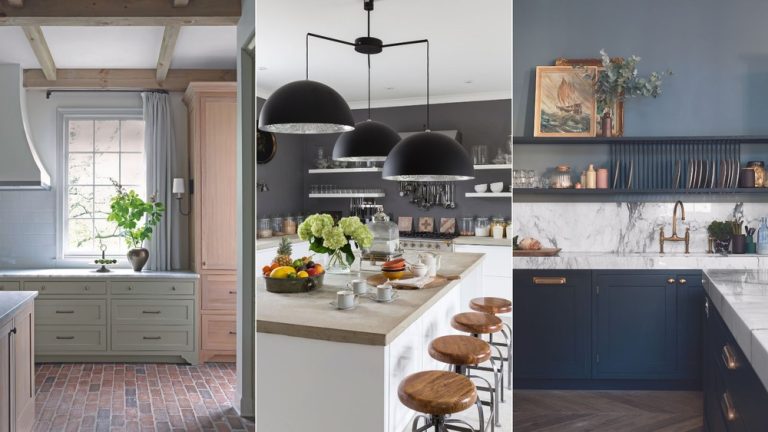
How to Repaint Cabinets White: Proven Effortless Guide
Repainting your kitchen cabinets white is a budget-friendly way to dramatically update your kitchen’s look and feel. This effortless guide provides step-by-step instructions, ensuring a smooth, professional finish even for beginners. Get ready for a brighter, more stylish kitchen with these simple techniques!

Rust-Oleum Home
Rust-Oleum Cabinet Transformations & Trim Paint, Pure…
- CABINET TRANSFORMATION: Refresh outdated cabinets, vanities, furniture and trim with rich Pure White color and a smooth semi-gloss…
- DURABLE PERFORMANCE: Easy-to-clean finish resists dirt and grime while standing up to household chemicals
- SMOOTH APPLICATION: Outstanding flow and leveling help create a beautiful finish with brush, roller, pad applicator or airless spr…
As an Amazon Associate I earn from qualifying purchases.
For a related kitchen decision, How To Install Recessed Lighting In Ceiling adds another practical detail to check.
For a related storage or furniture fix, How To Make A Drawer Lock: Diy Methods helps readers compare the next practical option.
For another table or room-layout decision, How To Build Foldable Table Legs Easily gives readers a useful follow-up.
Dreaming of a bright, airy kitchen? White cabinets can instantly transform your space, making it feel larger, cleaner, and more welcoming. But the thought of tackling such a big project can feel overwhelming, right? Many homeowners hesitate, worried about drips, streaks, or just not getting that smooth, beautiful finish they’re after. You might think it requires professional painters and a hefty price tag. But what if I told you that with the right preparation and a few key steps, you can achieve stunning, white cabinets yourself? I’m here to guide you through it, making this DIY project feel totally achievable and even enjoyable. Let’s get started on creating the kitchen you’ve always wanted!
Why White Cabinets? The Magic of a Fresh Coat
White cabinets are a timeless choice for a reason. They reflect light, making kitchens feel bigger and brighter. They offer a clean, classic backdrop that pairs beautifully with almost any countertop, backsplash, or hardware choice. This versatility means your kitchen can evolve with your style without needing another cabinet makeover. Plus, a fresh coat of paint is significantly more affordable than replacing cabinets altogether, making it a smart upgrade for your home’s value and your everyday enjoyment.

Getting Started: What You’ll Need
Before we dive into the painting, let’s gather our supplies. Having everything organized makes the process much smoother and less stressful. Think of this as your essential “cabinet transformation kit.”
Essential Tools and Materials
- Screwdriver: To remove cabinet doors, hinges, and hardware.
- Painter’s Blue Tape: For masking areas you don’t want to paint.
- Drop Cloths or Plastic Sheeting: To protect your floors and countertops.
- Cleaning Supplies: Degreaser (like TSP substitute), sponges, rags, and water. A clean start is crucial for good adhesion!
- Sandpaper: Fine-grit (120-220 grit) for light sanding and a smoother finish. An orbital sander can speed things up if you have one.
- Sanding Sponges or Blocks: Good for getting into corners and crevices.
- Dust Mask and Safety Glasses: Always protect yourself when sanding and painting.
- Primer: A high-quality bonding primer is key for adhesion, especially if your cabinets are laminate or dark-colored. Look for one specifically designed for cabinets.
- Paint: Cabinet-grade enamel paint in your chosen white. Semi-gloss or satin finishes are popular for kitchens as they are durable and easy to clean.
- Applicators: High-quality foam rollers (with a smooth finish tip), Chinex brushes (for cutting in edges and details), and paint trays.
- Optional: Cabinet painter’s bottle or a paint sprayer for a super smooth, professional finish (though rollers and brushes work wonderfully!).
- Small containers or labeled bags: To keep cabinet doors, screws, and hinges organized.
Step-by-Step Guide to Repainting Cabinets White
Now for the fun part! Follow these steps carefully, and you’ll be amazed at the transformation. Patience is your best friend here; don’t rush the process.
Step 1: Remove Cabinet Doors and Hardware
This is where we start creating that blank canvas. Carefully remove each cabinet door by unscrewing the hinges. As you take each door off, place the screws and hinges into a labeled bag or small container. You can write the door’s location on the bag (e.g., “Top Left,” “Bottom Right Drawer”). This is a lifesaver during reassembly! Also, remove any visible hardware like handles or knobs.
Step 2: Clean Your Cabinets Thoroughly
Grease, grime, and cooking splatters are the enemies of good paint adhesion. Using a good degreaser (like a TSP substitute, which is much safer and easier to use than traditional TSP) and a sponge, clean every surface of your cabinets—fronts, sides, and edges. Rinse with clean water and let them dry completely. This step is non-negotiable for a durable finish.
For stubborn grease, you might need to repeat the cleaning process. Ensure you get into all the nooks and crannies. A dull kitchen can hide a lot of build-up!
Step 3: Lightly Sand Surfaces for Adhesion
You don’t need to strip your cabinets down to bare wood unless you have a damaged finish. A light sanding with 120-220 grit sandpaper or a sanding sponge is all that’s needed to create a slightly scuffed surface for the primer to grip. Pay attention to any glossy areas; scuff them up just enough so they aren’t shiny anymore. After sanding, wipe down all surfaces with a damp cloth to remove any dust. Allow them to dry thoroughly.
Why Sand? Sanding creates microscopic scratches on the surface. Think of it like giving the primer tiny “teeth” to grab onto. This prevents peeling and chipping down the line. Visit the EPA’s website to learn about lead paint safety if your home was built before 1978. Special precautions are needed in those cases.
Step 4: Prime Your Cabinets
This is another critical step for a flawless white finish, especially over dark or laminate cabinets. Apply one to two thin, even coats of a high-quality bonding primer. Use a good quality brush for edges and corners and a foam roller for the larger flat surfaces. Allow the primer to dry completely between coats. Check the primer can for recommended drying times. A smooth, uniform primer coat helps hide imperfections and ensures your white paint looks its best.
Tip: If you’re going from dark to light, a tinted primer (gray or a pale greige) can help cover the dark color more effectively with fewer topcoats. This is a pro trick for achieving deep coverage.
Step 5: Paint Your Cabinets
Now for the color! Stir your cabinet paint thoroughly. Avoid shaking, as this can create bubbles. Apply thin, even coats using a high-density foam roller for smooth surfaces and a quality angled brush for details and edges. Work in smooth, overlapping strokes. Avoid applying paint too heavily, as this can lead to drips and an uneven finish.
How many coats? Most projects will require at least two to three thin coats of paint for solid coverage and a durable finish. Patience here pays off! Light coats dry faster and provide a smoother appearance.
Drying Time is Key: Allow each coat to dry thoroughly according to the paint manufacturer’s instructions. Rushing this step can lead to smudges, peeling, and a compromised finish. Typically, you’ll want to wait at least 4-8 hours (or overnight) between coats.
Step 6: Allow for Curing
Paint needs time to cure, which is when it reaches its maximum hardness and durability. This can take anywhere from 7 to 30 days, depending on the paint. During the curing period, be gentle with your freshly painted cabinets. Avoid aggressive cleaning, bumping into them, or placing heavy items against them. They will feel dry to the touch much sooner, but the full cure takes time.
Step 7: Reassemble Your Cabinets
Once the paint has fully cured, it’s time to put everything back together! Reattach the cabinet doors, hinges, and hardware using your labeled bags. If you’re upgrading your hardware, now’s the time. Enjoy the satisfaction of seeing your beautifully transformed kitchen!
Painting Cabinet Doors: Flat vs. Raised Panels
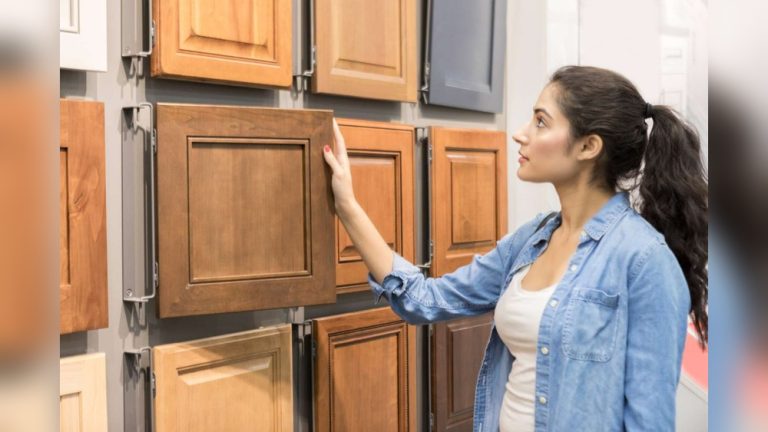
Cabinet doors come in different styles, which can affect your painting approach slightly. Understanding these differences helps ensure a great finish.
| Cabinet Door Style | Best Application Method | Tips for a Smooth Finish |
|---|---|---|
| Flat Panel (Slab) Doors | Can be sprayed or rolled/brushed. Spraying offers the smoothest edge-to-edge finish. | Ensure even coverage for a sleek, modern look. Pay attention to edges. |
| Shaker-Style (Recessed Panel) Doors | Use a brush for the recessed areas and edges, then a foam roller for the flat center panel. Spraying is also excellent if you have the equipment. | Carefully get paint into the corners of the recessed panel without letting it pool. A smaller artist’s brush can be helpful here. |
| Raised Panel Doors | Requires a combination of brushing and rolling or spraying. Brushing is essential for the detailed molding and raised areas. | Protect the detailed edges from excess paint buildup. Work in good light to see where the paint is applied evenly. |
Painting Techniques for Durability and Beauty
Achieving professional-looking results is all about the technique. Here are some tips to elevate your cabinet painting:
- Work in a Well-Ventilated Area: Ensure good airflow to help paint dry and to clear fumes. Open windows or use fans.
- Use the Right Roller: A high-density foam roller designed for smooth surfaces is crucial for a consistent, lint-free finish on cabinet panels.
- Avoid Overworking the Paint: Apply paint in thin, fluid strokes. Over-brushing or over-rolling can create brush marks or uneven texture.
- Maintain a Wet Edge: When rolling, slightly overlap your strokes with the previously painted section while it’s still wet. This prevents lap marks.
- Direction Matters: For cabinet doors, roll in the direction of the wood grain if visible. For flat cabinets, paint from top to bottom or side to side for uniformity.
- Clean Your Tools: Clean brushes and rollers immediately after use with soap and water (for latex paint) or mineral spirits (for oil-based paint).
Troubleshooting Common Issues
Even with the best intentions, sometimes hiccups occur. Don’t fret! Most common painting problems have simple fixes.
| Problem | Cause | Solution |
|---|---|---|
| Drips and Runs | Applying paint too thickly, or too much paint on the brush/roller. | Immediately smooth out with a brush or roller, but be careful not to overwork it. For stubborn drips, sand them down once dry and reapply a thin coat. |
| Brush Marks | Using a low-quality brush, applying too much pressure, or paint not being thinned enough. | Use a high-quality angled brush. Use lighter, feathery strokes. Ensure paint is at the right consistency. For latex, a paint conditioner can help. |
| Peeling or Chipping Paint | Poor surface preparation (dirt, grease, lack of sanding), or applying paint too soon between coats (before it had a chance to bond). | Sand away the peeling area, clean thoroughly, re-prime, and re-coat. Always allow adequate drying time between coats. |
| Uneven Color/Streaks | Not enough paint coats, inconsistent application, or paint not stirred properly. | Apply additional thin, even coats. Ensure you’re using consistent strokes and that the paint is well-mixed. |
| Tacky Surface After Days | High humidity, poor ventilation, or the wrong type of paint. | Ensure good airflow and low humidity. If it’s latex paint, try a higher quality enamel designed for cabinets. Allow more drying time. |
Choosing the Right White Paint
Not all whites are created equal! The subtle undertones in white paint can significantly impact the mood of your kitchen. Consider these popular choices and undertones:
- Pure White: Crisp and bright, it can sometimes feel stark. Best for modern kitchens or when paired with warm accents.
- Off-White: Soft and inviting, with subtle undertones of yellow, beige, or gray. These are generally more forgiving and warmer.
- Cool Whites: Have blue or gray undertones, making them feel very clean and sleek. Great for modern or minimalist kitchens.
- Warm Whites: Have yellow, pink, or beige undertones, creating a cozy and traditional feel. Ideal for a more classic or farmhouse look.
It’s always a good idea to purchase paint samples and paint large swatches on your cabinets to see how they look in your kitchen’s lighting throughout the day before committing to a gallon.
Alternative: Cabinet Painting Sprayers
For the ultimate smooth, factory-like finish, consider using a paint sprayer. While there’s an initial investment and a learning curve, the results can be breathtaking. Spraying allows paint to be applied in a very fine mist, creating an incredibly uniform and smooth surface.
Pros of Spraying:
- Unmatched smooth finish.
- Faster application for large projects.
- Less risk of brush strokes or roller marks.
Cons of Spraying:
- Requires significant masking to protect surrounding areas from overspray.
- Higher cost for equipment (though rentals are possible).
- Steeper learning curve for beginners.
Popular sprayer types include airless paint sprayers and HVLP (High Volume Low Pressure) sprayers. For DIYers, many find HVLP sprayers more user-friendly for interior projects. Family Handyman offers excellent practical advice on cabinet painting techniques that can also be applied to spraying.
If you decide to spray, remember to wear a respirator mask and protective gear. Practice on scrap material first to get a feel for the trigger control and spray pattern.

Frequently Asked Questions About Repainting Cabinets White
Here are some common questions beginners have when planning to paint their cabinets white:
Q1: How long does it usually take to repaint kitchen cabinets?
A1: For a beginner, painting cabinets can take anywhere from a long weekend to a full week, depending on the size of your kitchen, the number of doors and drawers, and your working pace. Remember to factor in drying and curing times, which are crucial.
Q2: Can I paint over stained or varnished cabinets without stripping them?
A2: Yes, you absolutely can! The key is thorough cleaning and a high-quality bonding primer. Skipping the sanding and priming is where problems arise. A good primer acts as a bridge between the old finish and the new paint.
Q3: What is the best type of white paint for kitchen cabinets?
A3: Cabinet-grade enamel paint is recommended. Look for high-quality interior latex or oil-based enamel in a satin, semi-gloss, or high-gloss finish. These finishes are durable, moisture-resistant, and easy to clean, which are essential for a kitchen environment.
Q4: Do I need to remove my cabinets from the wall?
A4: No, you do not need to remove the entire cabinet boxes from the walls. You only need to remove the doors and drawer fronts. Painting the cabinet frames while they are still attached is standard practice.
Q5: Should I paint the inside of my cabinets?
A5: Most people only paint the exterior surfaces of their cabinets, including the doors and visible frames. Painting the interior is generally not necessary unless the original finish is severely damaged or you want a specific aesthetic. It adds significant time and effort.
Q6: How do I avoid getting paint on my countertops?
A6: Use painter’s tape and protective drop cloths or plastic sheeting. Ensure the tape is pressed down firmly around the edges of cabinet frames attached to the countertop. Cover countertops entirely with sheeting to catch any drips or overspray.
Q7: Can I paint over laminate cabinets?
A7: Yes, you can paint laminate cabinets, but it requires extra care. Thorough cleaning with a degreaser and light sanding to de-gloss the surface are essential. Use a high-quality bonding primer designed for slick surfaces, followed by your cabinet enamel. Success stories are plentiful with proper preparation!
Conclusion
Repainting your cabinets white is a truly rewarding DIY project that can dramatically uplift your kitchen’s entire aesthetic. By following these detailed steps, focusing on thorough preparation, and using the right materials, you can achieve beautiful, professional-looking results that you’ll be proud of. Remember, patience and attention to detail are your best tools. You’ve got this! Enjoy your brighter, refreshed kitchen
Related pick: Check today's price on Amazon
Products related to this article
Sponsored / affiliate links. As an Amazon Associate I earn from qualifying purchases. I may earn additional commission from eligible campaigns.