How to Make a Cabinet Drawer: Essential Guide
Make a Cabinet Drawer: A Simple Step-by-Step Guide for Every Homeowner. Learn how to craft a sturdy, functional drawer with common tools and materials, transforming your cabinets and boosting your home organization with confidence.

Vtopmart
Vtopmart 4 Pack Small Clear Stackable Storage…
- [Multi-Purpose Organizers] Small storage drawers help you to organize everywhere in your home. They can be used as organizers and…
- [Stackable Design] Come with 4 drawer storage organizers, the outside box measures 7.5"D x 6"W x 4.4"H,the drawer measures 6.9"D x…
- [Built-in Handle and Non-Slip] The storage containers are designed with pull-out handles, it is convenient for you to store and ta…
As an Amazon Associate I earn from qualifying purchases.
For a related storage or furniture fix, Raised Panel Vs Flat Panel Cabinet Doors: Choice helps readers compare the next practical option.
For a related storage or furniture fix, How To Remove A File Cabinet Drawer In Minutes helps readers compare the next practical option.
For a related storage or furniture fix, How to Measure for Cabinet Drawer Slides helps readers compare the next practical option.
Ever opened a cabinet and wished for a drawer to keep things tidy? Whether it’s your kitchen pantry, craft room, or even your garage, adding a custom drawer can make a world of difference. It feels overwhelming, right? But don’t worry! With a little patience and these easy steps, you can build a functional, beautiful drawer that fits perfectly. Get ready to organize your space and feel a real sense of accomplishment!
Why Build Your Own Cabinet Drawer?
Building a cabinet drawer might sound like a job for seasoned carpenters, but it’s surprisingly accessible for beginners. You might wonder, “Why go through the trouble when I can buy one?” There are some fantastic reasons!
- Custom Fit: Pre-made drawers rarely fit perfectly. Building your own ensures it slides smoothly into its intended space, maximizing every inch.
- Cost Savings: DIY projects often cost less than buying custom or even standard-sized units, especially when you consider the satisfaction of doing it yourself.
- Durability: You control the materials. You can choose quality wood that will last for years, unlike some mass-produced options.
- Personalization: Match your existing cabinetry, choose the perfect height, or even add special touches. It’s your drawer, your way!
- Skill Development: It’s a fantastic way to learn basic woodworking skills, boosting your confidence for future home projects.

Before You Begin: Planning Your Drawer
A little planning goes a long way. Before you grab your tools, let’s figure out exactly what you need. This will save you time and prevent frustration later.
Measure Twice, Cut Once!
This old adage is crucial for drawer building. You need to get the dimensions just right.
- Measure the Cabinet Opening:
- Width: Measure the inside width of the cabinet opening where the drawer will slide. Measure at the front, middle, and back. Use the smallest measurement.
- Height: Measure the inside height of the cabinet opening. This will be the maximum outside height of your drawer box.
- Depth: Measure the inside depth of the cabinet opening. This is the maximum outside depth of your drawer box.
- Account for Drawer Slides: If you’re using drawer slides (highly recommended for smooth operation!), you’ll need to subtract space for them. Check the manufacturer’s specifications for your chosen slides. Typically, you’ll subtract about 1 inch (or the thickness of your slides plus a little wiggle room) from the width measurement. For depth, you might subtract an inch or two from the back to allow for the slide mechanism.
- Determine Drawer Box Size: Based on your measurements and slide considerations, decide on the final outside dimensions of your drawer box.
- Drawer Box Width = Cabinet Opening Width – Slide Clearance.
- Drawer Box Height = Cabinet Opening Height – about 1/2 inch (to allow for easy gliding).
- Drawer Box Depth = Cabinet Opening Depth – about 1 inch (to allow slide mechanism and prevent hitting the back of the cabinet).
- Consider Drawer Front Size: The drawer front will typically be slightly larger than the drawer box opening to cover the gap and have an attractive face.
Choosing Your Materials
For a beginner-friendly project, stick to common and easy-to-work-with materials.
- Drawer Box Sides, Front, and Back: Plywood (like birch or maple) or solid wood (like pine or poplar) are excellent choices. 1/2-inch or 3/4-inch thickness is common. Plywood is stable and less prone to warping.
- Drawer Bottom: A thin piece of plywood or hardboard (1/4-inch or 1/2-inch is usually sufficient). This will slide into a groove.
- Drawer Front Face: This can be a thicker piece of solid wood or a nice-looking veneer plywood to match your cabinets or add style.
- Wood Glue: A good quality wood glue is essential for strong joints.
- Screws/Nails: Wood screws (1 1/4-inch or 1 1/2-inch) are strong. Finishing nails can also be used, especially with glue. Brad nails are great for attaching the bottom panel.
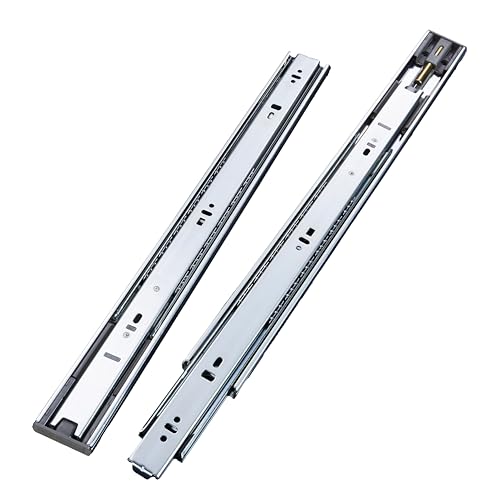
- Drawer Slides: Ball-bearing slides offer the smoothest operation and are highly recommended. Choose ones rated for the weight your drawer will hold. WoodworkingTalk has a helpful guide to understanding different types of drawer slides.
Tools You’ll Need
Gathering your tools beforehand makes the building process much smoother. You don’t need a fancy workshop!
- Measuring Tape
- Pencil
- Safety Glasses
- Saw: A circular saw, miter saw, or even a handsaw will work. A table saw is ideal for precision and cutting grooves, but not strictly necessary for a first drawer.
- Drill/Driver: For pre-drilling holes and driving screws.
- Drill Bits: Including a countersink bit for a cleaner finish.
- Clamps: Various sizes to hold pieces while glue dries.
- Optional but Helpful:
- Router: For cutting precise grooves for the drawer bottom.
- Sanding Block or Orbital Sander: For smoothing edges.
- Square: Carpenter’s square or speed square to ensure 90-degree angles.
Step-by-Step: Building the Drawer Box
This is where the magic happens! We’ll focus on building the sturdy box that slides into your cabinet. We’ll use a common method: butt joints reinforced with screws and glue.
Step 1: Cut Your Drawer Box Pieces
Based on your planned dimensions, cut the wood for your drawer box. You’ll need four pieces:
- Two side pieces: These will be the full depth and height of your drawer box.
- One front piece: This will be the width and height of your drawer box.
- One back piece: This will also be the width and height of your drawer box. It’s often slightly shorter than the front piece to accommodate the drawer bottom.
Tip: If you’re cutting grooves for the drawer bottom (highly recommended!), do this before assembling the box. You can cut a 1/4-inch to 1/2-inch deep groove along the inside bottom edge of the two side pieces and the back piece. The front piece might not need a groove if the bottom panel slides in from the back.
Step 2: Assemble the Drawer Box Sides and Front/Back
Now we’ll join the pieces to form the rectangular box. We’ll attach the sides to the front and back pieces.
- Prepare the Joints: You’ll attach the ends of the front and back pieces to the sides. For butt joints, apply a generous amount of wood glue to the end grain of the front and back pieces where they will meet the side pieces.
- Position and Clamp: Place a side piece on your workbench. Position the front piece against its end, ensuring the edges are flush. Clamp them together firmly. Repeat for the back piece on the other end of the side piece. You should now have a U-shape.
- Pre-drill and Screw: Using your drill, pre-drill pilot holes through the side piece into the end of the front and back pieces. This prevents the wood from splitting. Drive two or three 1 1/4-inch or 1 1/2-inch wood screws through each joint.
- Attach the Remaining Side: If you’re working with two sides, flip your U-shape assembly. Apply glue to the exposed ends of the front and back pieces. Position the second side piece, clamp, pre-drill, and screw it into place.
At this point, you should have a sturdy, rectangular box.
Step 3: Install the Drawer Bottom
This is what gives the drawer its stability and prevents small items from falling through.
- Cut the Bottom Panel: Cut your plywood or hardboard to fit snugly into the grooves you cut (or the open bottom of your box if you didn’t cut grooves). It should be slightly smaller than the outer dimensions, accounting for the thickness of the wood.
- Slide into Place: If you cut grooves, slide the bottom panel into the grooves on the sides and back.
- Secure the Bottom: If you have grooves, you can add a few brad nails or a thin ribbon of glue along the groove to secure the bottom panel further. If you didn’t cut grooves, you’ll attach the bottom panel to the underside of the box with staples, small screws, or glue. Ensure the bottom is square with the box.
Step 4: Mount the Drawer Slides
This is a critical step for a functioning drawer. Drawer slides usually come in two parts: one for the cabinet and one for the drawer box.
Important: Refer to the specific instructions that came with your drawer slides. They can vary!
- Separate the Slides: Most ball-bearing slides have a lever or mechanism to separate the inner slide (which attaches to the drawer) from the outer slide (which attaches to the cabinet).
- Attach Inner Slides to Drawer Box:
- Carefully measure and mark the position on the outside of your drawer box sides. The recommended placement is usually aligned with the bottom edge of the box or a few millimeters above it, depending on the slide type.
- Ensure the slides are perfectly parallel to the bottom edge and square.
- Pre-drill pilot holes and attach the inner slide using the provided screws.
- Attach Outer Slides to Cabinet:
- Measure and mark the position inside your cabinet. This is where accuracy is key. Make sure they are level and parallel to each other. Use a level and your drawer box as a guide.
- Pre-drill pilot holes and attach the outer slides to the cabinet walls.
- Connect Drawer to Cabinet: Carefully align the inner slides on your drawer box with the outer slides in the cabinet and gently push the drawer in until it clicks into place or engages the slide mechanism.
Tip: Test the drawer after attaching one side of the slides to ensure it glides smoothly before attaching the second slide. Check that the drawer doesn’t sag.
Step 5: Attach the Drawer Front
This is the visible part of your drawer, so take your time for a professional look.
- Position the Drawer Front: Place your drawer front piece against the assembled drawer box. You want a small, even gap (around 1/8 inch) around the edges, so the drawer can open and close without rubbing.
- Secure from Inside: From inside the drawer box, drive screws through the drawer box front into the back of the drawer front piece. Pre-drill to avoid splitting. The number and placement of screws will depend on the size of your drawer front.
- Add Hardware: Once secured, you can add a drawer pull or knob. Pre-drill holes for the hardware from the front, then install it.
Step 6: Finishing Touches
You’re almost there!
- Sand: Lightly sand all edges and surfaces of the drawer box and front to remove any rough spots or splinters.
- Paint or Stain (Optional): If you want to paint or stain your drawer, do it now. Apply your chosen finish and let it dry completely. You might want to lightly sand between coats.
- Reinstall: Slide the drawer back into the cabinet. Test its operation again.
Table: Common Drawer Wood Types
Here’s a quick look at some good wood choices for your project:
| Wood Type | Pros | Cons | Best Use |
|---|---|---|---|
| Pine | Affordable, lightweight, easy to work with, readily available. | Can dent/scratch easily, prone to warping if not dried properly. | Interior drawer boxes, budget-friendly projects. |
| Poplar | Stronger than pine, paints beautifully, smooth grain, moderate cost. | Can have greenish streaks (not an issue if painting), not as decorative as hardwoods. | Drawer boxes, drawer fronts (excellent for painting). |
| Birch Plywood | Very stable, strong, smooth surface, good for a modern look, less prone to warping. | Can be more expensive than solid wood, edges require finishing. | Drawer boxes (especially for wider drawers), drawer bottoms. |
| Oak Plywood/Solid Oak | Durable, attractive grain patterns, strong. | More expensive, harder to work with than pine or poplar. | Drawer fronts, high-end drawer boxes where durability and looks are paramount. |
Tips for Success
Even the best DIYers make mistakes! Here are a few tips to help your project go smoothly:
- Safety First: Always wear safety glasses when cutting or drilling.
- Sharp Blades: A sharp saw blade will give you cleaner cuts and make your work much easier.
- Dry Fit: Before gluing, always “dry fit” your pieces to ensure they go together correctly.
- Don’t Overtighten Screws: This can strip the wood and weaken the joint.
- Work on a Flat Surface: This helps ensure your drawer box is square.
- Embrace Imperfection: Your first drawer might not be perfect, and that’s okay! It will still be functional and incredibly rewarding.
For more in-depth guidance on wood types and their properties, The Woodworking Handbook offers a comprehensive overview.

Frequently Asked Questions (FAQ)
Q1: How deep should my drawer box be?
The depth of your drawer box is determined by the internal height of your cabinet opening minus a small allowance (about 1/2 inch) for smooth operation. Ensure there’s enough clearance for the drawer slides as well.
Q2: What’s the best wood for a beginner to use?
Pine or poplar are excellent choices for beginners. They are easy to cut, affordable, and readily available. Plywoods, especially birch, are also great for stability and their smooth surfaces.
Q3: Do I really need drawer slides?
While you can build a drawer that slides directly on wood runners, drawer slides (especially ball-bearing ones) provide significantly smoother operation, better support, and a more professional finish. They are highly recommended for most applications.
Q4: How do I ensure my drawer is square?
Use a carpenter’s square or speed square to check that the corners of your drawer box are 90-degree angles as you assemble it. Working on a flat surface also helps maintain squareness.
Q5: My drawer feels stiff. What could be wrong?
This is usually due to misaligned drawer slides, screws protruding too far, or the drawer box being slightly out of square. Double-check that your slides are parallel and level, and that no screws are catching on anything.
Q6: Can I make a drawer without a router for the bottom groove?
Yes! If you don’t have a router, you can skip the groove. Cut your drawer bottom panel to the exact outer dimensions of your drawer box. Then, attach it flush to the underside of the assembled box using wood glue and small screws or brad nails.
Conclusion
See? Building your very own cabinet drawer is totally achievable! You’ve learned how to plan, measure, cut, assemble, and finish a functional drawer using basic tools and materials. This skill opens up a world of possibilities for customizing your home, improving organization, and adding value to your space. Don’t be afraid to tackle this project – the satisfaction of building something with your own hands is incredible. So gather your supplies, take a deep breath, and get ready to create a beautiful,
Related pick: Check today's price on Amazon
Products related to this article
Sponsored / affiliate links. As an Amazon Associate I earn from qualifying purchases. I may earn additional commission from eligible campaigns.