Lowe’s Kitchen Cabinets Review
Lowe’s kitchen cabinets can work well for budget-to-midrange remodels, but the right choice depends on the line: stock options suit quick, lower-cost projects, while semi-custom lines make more sense if you need a closer fit, better finish, and lower failure risk. Pick the wrong tier and you can pay for swollen panels, warped doors, soft-close hardware failures, or costly reorder delays. This guide reviews Lowe’s cabinet lines by build quality, moisture tolerance, wear risk, and delivery issues so you can match the cabinet to your budget and remodel tolerance.
Are Lowe’s kitchen cabinets good?
Yes, if you compare the specific line instead of the store name. Lowe’s cabinet mix includes budget in-stock options, RTA products, and higher-flexibility semi-custom choices, so quality ranges from “good enough for a tight remodel” to “worth paying more for a better fit and longer wear.”
Judge the box material, drawer build, and hardware, not the Lowe’s label alone. A laminate-over-engineered-board box, a particleboard RTA box, and a plywood semi-custom box will not age the same way near a sink base or dishwasher opening.
What matters more than the store name
Moisture exposure changes the risk profile fast. A sink base that sees daily splashes needs better edge sealing and stronger fastener holding than a dry pantry cabinet across the room.
Drawer construction matters too. Dovetail joints resist racking better than stapled or basic doweled boxes, which affects how square the drawer stays after repeated opening and closing.
When Lowe’s is a smart buy
Lowe’s makes sense when you want local access, a broad price spread, and enough style choice to match a modest remodel. It is also practical when you need a fast replacement for a rental, guest kitchen, or starter home.
It is a weaker fit when you need exact sizing across a large layout, want the lowest possible moisture risk, or need dependable white-glove coordination for a complicated install.
What Lowe’s cabinet lines are worth comparing?
Compare Lowe’s cabinets by fulfillment model first: stock, ready-to-assemble, semi-custom, and custom. Stock cabinets are typically the cheapest and fastest to buy. Semi-custom cabinets offer the most size and style flexibility, with custom moving further in that direction if the budget allows.
For current Lowe’s shoppers, the key comparison set is not one brand name. It is the specific line, the box material, the door construction, the hardware package, and the lead-time or delivery path attached to that order.
Where Diamond NOW, Diamond Express, and Diamond fit
Diamond NOW is Lowe’s in-stock line. A representative Diamond NOW Arcadia kitchen cost about $2,548.00, and Arcadia shows 3.9 stars across 9,148 reviews. That review volume helps you spot patterns, but it should not be treated as a guarantee for every finish or size.
Diamond Express sits above Diamond NOW and uses painted plywood. That matters because plywood generally holds fasteners better than particleboard and handles moisture exposure more gracefully at cut edges and cabinet seams.
Diamond is Lowe’s semi-custom line, and it is generally described as offering more door styles, finishes, and sizes than stock cabinets. It brings more door styles, finishes, and sizes than stock cabinets, which makes it the better choice when you need cleaner fit lines or a less compromised layout.
What to verify on each product page before you buy
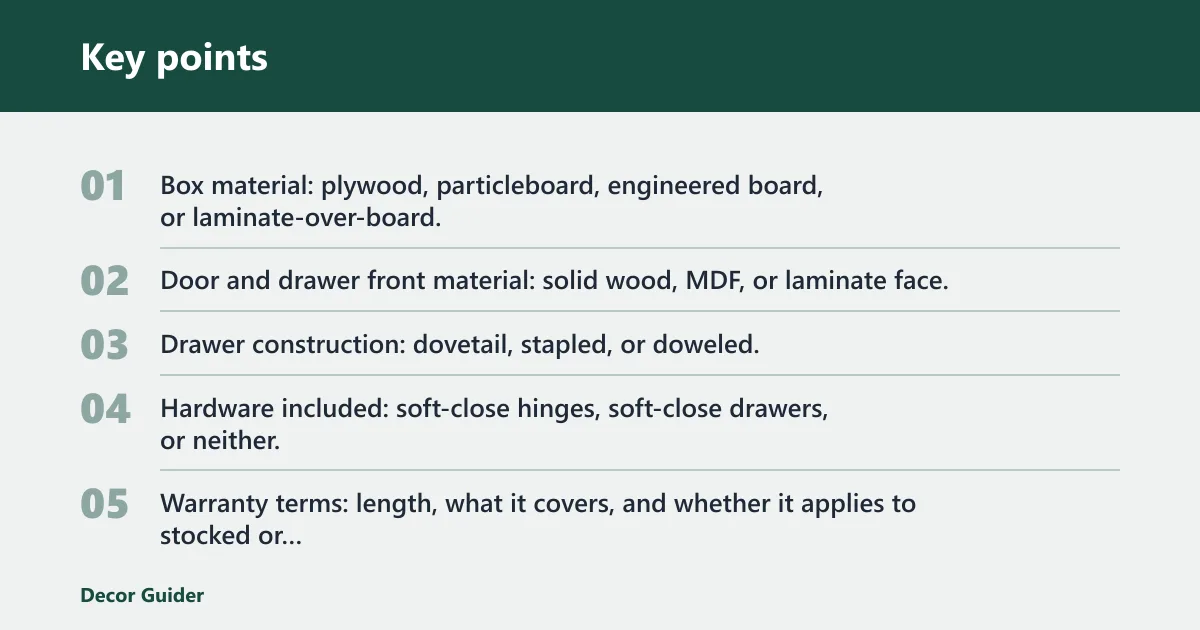
- Box material: plywood, particleboard, engineered board, or laminate-over-board.
- Door and drawer front material: solid wood, MDF, or laminate face.
- Drawer construction: dovetail, stapled, or doweled.
- Hardware included: soft-close hinges, soft-close drawers, or neither.
- Warranty terms: length, what it covers, and whether it applies to stocked or special-order items.
- Lead time and delivery method: stocked, ordered, or assembled-after-order.
A painted white cabinet with plywood sides and soft-close drawers is a very different purchase from a similar-looking cabinet built on particleboard with basic slides.
How do the cabinet materials compare?
Plywood, particleboard, and laminate do not fail the same way. Plywood usually offers better screw holding and better resistance to edge breakdown. Particleboard is more vulnerable to swelling after water exposure. Laminate can clean easily, but once moisture gets under damaged edges, repair gets harder.
That does not make particleboard unusable. It does mean you should place it where water risk is lower and inspect the sink base, dishwasher run, and exposed ends more carefully before signing off on delivery.
Plywood versus particleboard versus laminate
Plywood uses layered veneers, so it tends to hold screws better and cope with ordinary humidity swings more confidently. It still needs proper finishing and sealed edges, but it gives you more forgiveness than particleboard when a hinge plate or rail is loaded repeatedly.
Particleboard is denser than it looks, but it does not tolerate standing water well. If a leak reaches the bottom edge of a sink base, swelling can make door alignment, shelf support, and hinge placement harder to salvage.
Laminate works well as a wear surface and can be easy to wipe clean. The weak point is damage at the edge or seam, where moisture can migrate into the substrate beneath it.
Door and drawer front materials that age better
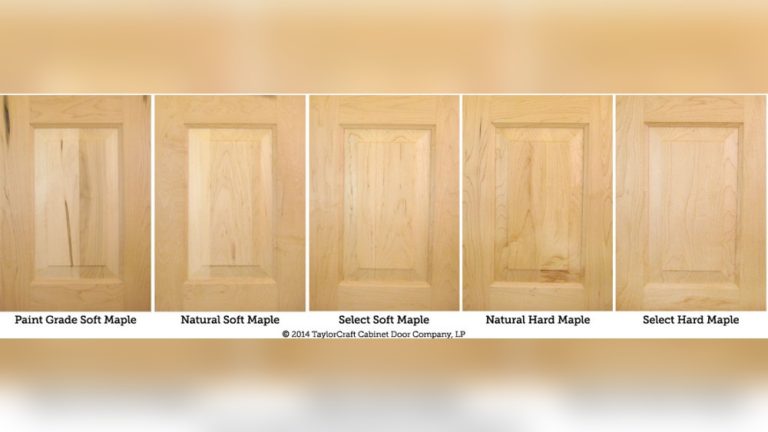
Solid wood doors and drawer fronts are easier to refinish and generally handle small scrapes better. MDF fronts paint smoothly and can look very clean, but they need protection from swelling at unsealed edges.
For busy family kitchens, the failure risk often shows up first at the drawer front or the sink base, not on the visible center panels. That is why edge quality matters as much as the finish color.
Which Lowe’s cabinets are best for a budget remodel?
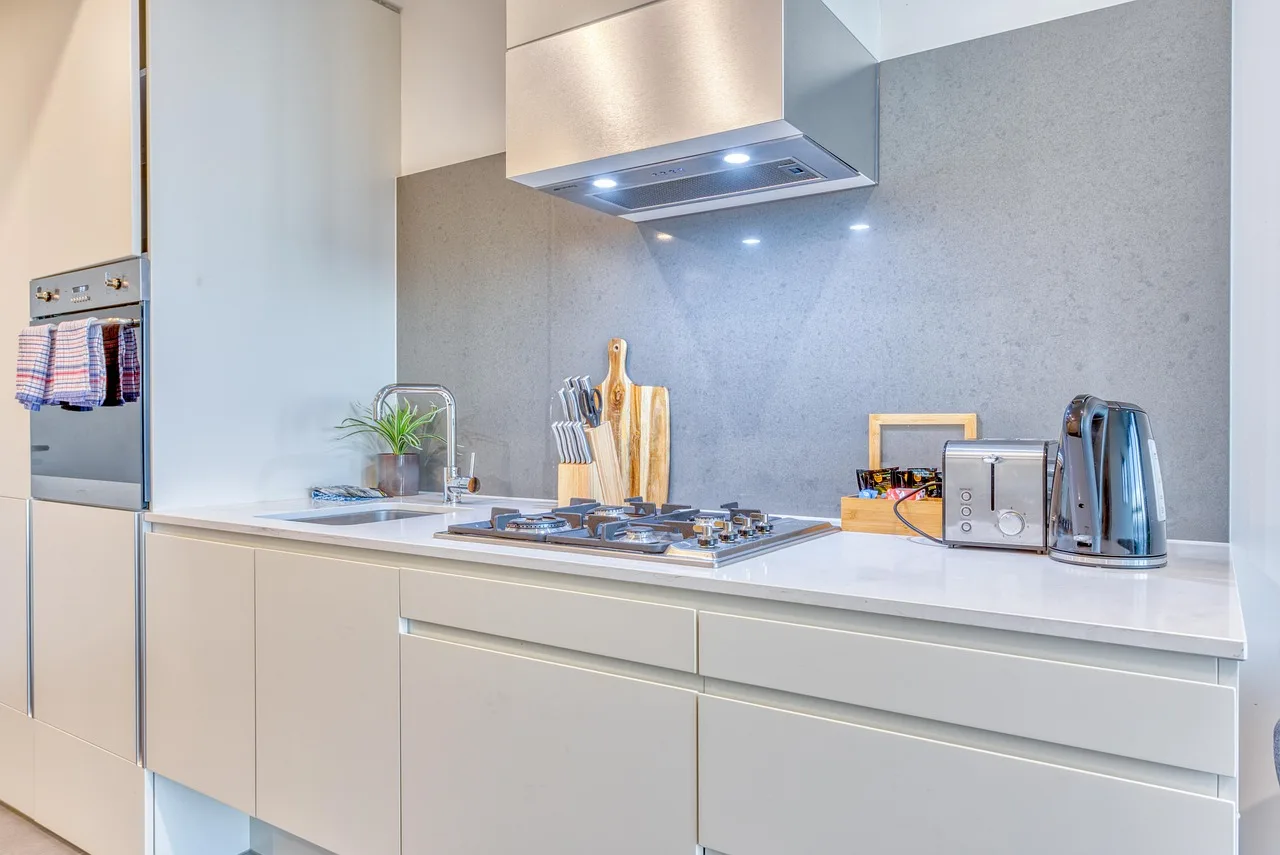
For a budget remodel, start with Diamond NOW if you want the lowest entry point and can live with the limits of an in-stock line. If your budget can stretch, Diamond Express is the cleaner upgrade because painted plywood improves the material base without moving all the way into semi-custom pricing.
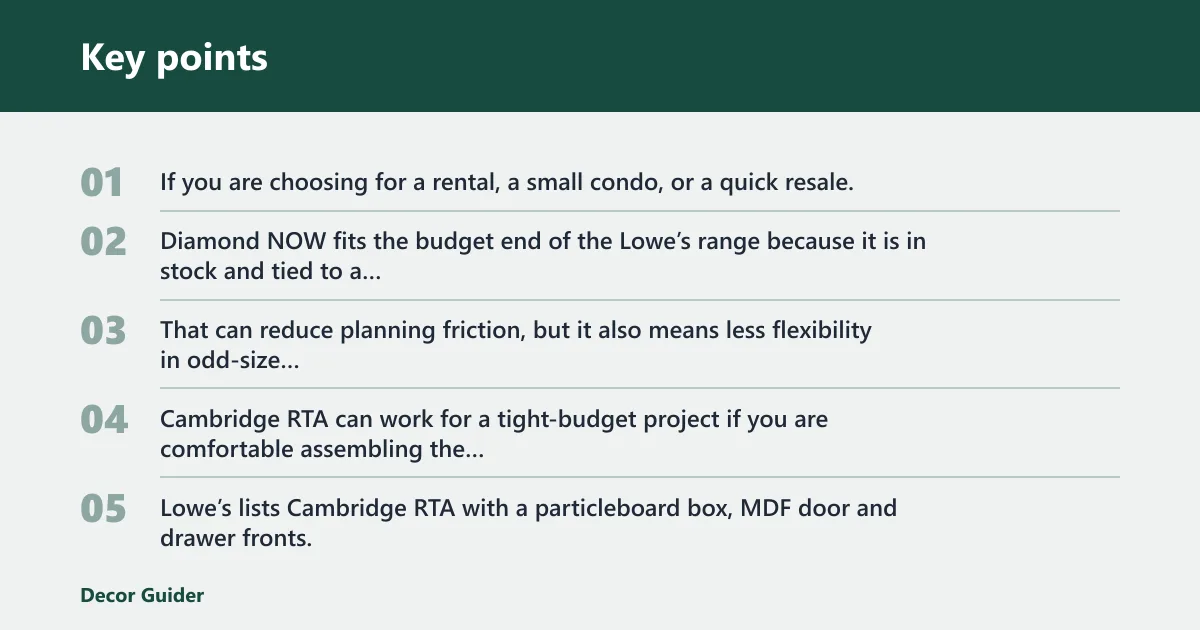
If you are choosing for a rental, a small condo, or a quick resale, value usually comes from a cabinet that installs cleanly and survives normal use, not from the highest spec on the shelf.
Budget remodels and rentals
Diamond NOW fits the budget end of the Lowe’s range because it is in stock and tied to a simpler buying path. That can reduce planning friction, but it also means less flexibility in odd-size openings or layout changes.
Cambridge RTA can work for a tight-budget project if you are comfortable assembling the units yourself. Lowe’s lists Cambridge RTA with a particleboard box, MDF door and drawer fronts, tool-free assembly, soft-close drawers, and a limited warranty for Cambridge stock cabinets.
Family kitchens with heavy daily use
For heavier use, Diamond Express or Diamond semi-custom is the safer bet. Painted plywood, better fit options, and more control over sizes reduce the chance that you will need filler strips that trap gaps or stress the install.
Valleywood Cabinetry may fit this use case if the current Lowe’s listing matches the stated construction: plywood cabinet box, solid wood doors and drawer fronts, dovetail drawer construction, and a 5-year limited warranty. Check the current listing before relying on that mix.
Moisture-prone kitchens and long-hold ownership
If the kitchen sits near a dishwasher, exterior door, or sink with frequent splash exposure, prioritize plywood boxes and stronger drawer construction. That is where failure risk compounds over time.
For long-hold ownership, semi-custom is easier to justify because size flexibility can reduce installation compromises. It also gives you a better chance of matching replacement parts later, which matters when a single door or drawer front needs to be reordered.
Kitchen cabinet decision table
Use this table to match a Lowe’s cabinet line to your budget and risk tolerance. The failure-risk column is about the kinds of problems a buyer should plan around before purchase, not a guarantee of defects.
| Tier | Box material | Door material | Hardware | Warranty | Likely failure risk | Best use case | Red flags to inspect before purchase |
|---|---|---|---|---|---|---|---|
| Diamond NOW | Laminate over engineered board | Varies by finish and line | Check whether soft-close is included or optional | Verify on current product page | Edge swelling, screw pull-out in stressed spots, transit damage | Lowest-cost kitchen refresh with limited layout changes | Damaged corners, swollen sink base edges, hinge plate loosening, missing hardware |
| Diamond Express | Painted plywood | Varies by finish and line | Check whether soft-close hinges and slides are included | Verify on current product page | Finish chips, door alignment drift if install is rushed | Midrange remodel where material upgrade matters | Paint blemishes, split end panels, uneven door reveals, damaged drawer boxes |
| Diamond semi-custom | Verify by configuration | More door styles, finishes, and sizes | Often better hardware options; confirm package details | Verify on current product page | Order errors, lead-time delays, finish mismatch if specs are not checked twice | Longer-hold family kitchen or layout that needs better fit | Wrong width or depth, unfinished accessory gaps, incomplete order packet |
| Cambridge RTA | Particleboard | MDF fronts | Soft-close drawers | 90-day limited warranty for Cambridge stock cabinets | Moisture swelling, chipped MDF edges, wear at fasteners | Budget DIY project with assembly tolerance | Water exposure near sink, loose cam locks, swollen panels, dented edges |
| Valleywood Cabinetry | Plywood | Solid wood doors and drawer fronts | Dovetail drawer construction; confirm hinge and slide package | 5-year limited warranty | Finish damage in transit, alignment issues if install is sloppy | Higher-durability budget-to-midrange upgrade | Warped fronts, split joints, unfinished end panels, shipping dings |
What problems do Lowe’s cabinet buyers report?
The most common pain points are delivery damage, missing parts, and service friction around replacements or lead times. Those issues can matter more than small spec differences if your remodel has a hard deadline.
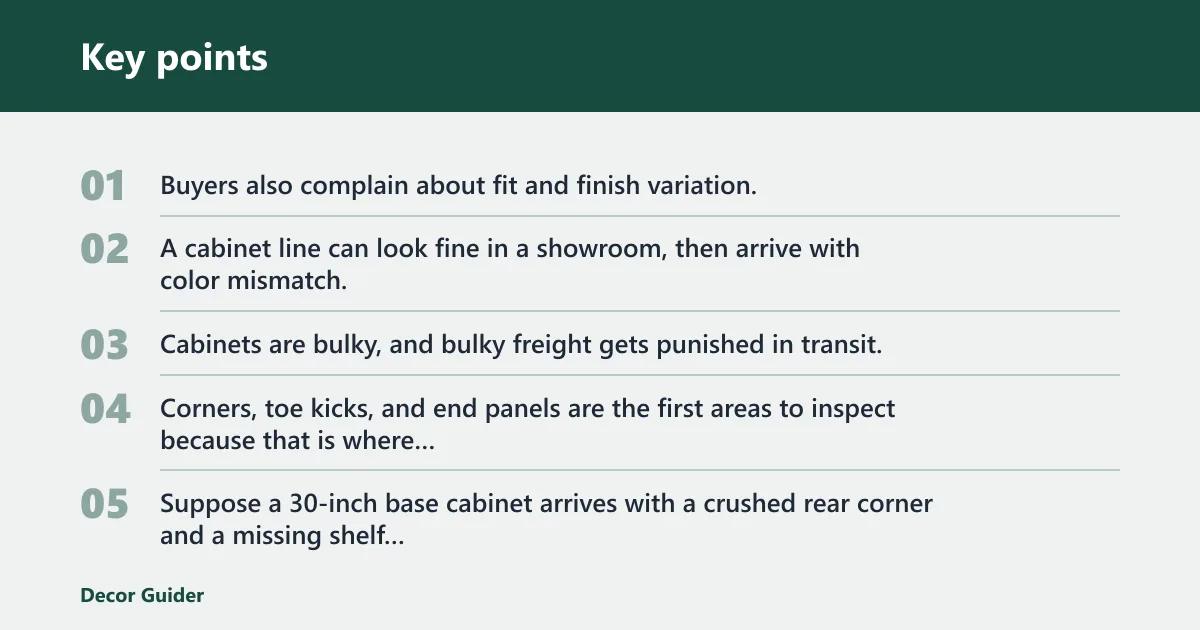
Buyers also complain about fit and finish variation. A cabinet line can look fine in a showroom, then arrive with color mismatch, uneven reveals, or a damaged hinge plate that slows the whole install.
Delivery damage and missing parts
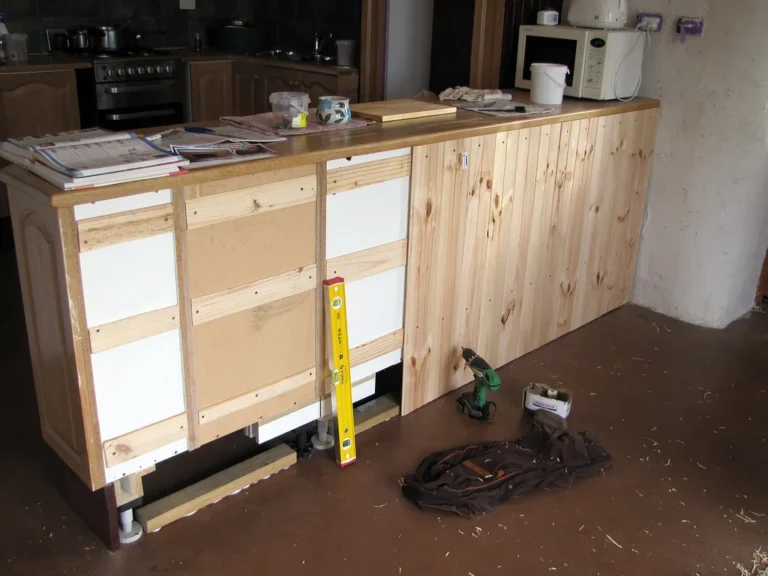
Cabinets are bulky, and bulky freight gets punished in transit. Corners, toe kicks, and end panels are the first areas to inspect because that is where a rough handoff shows up first.
Suppose a 30-inch base cabinet arrives with a crushed rear corner and a missing shelf pin pack. You may still be able to install it, but you now carry the risk of a visible flaw and a replacement delay.
Fit, finish, and color-match complaints
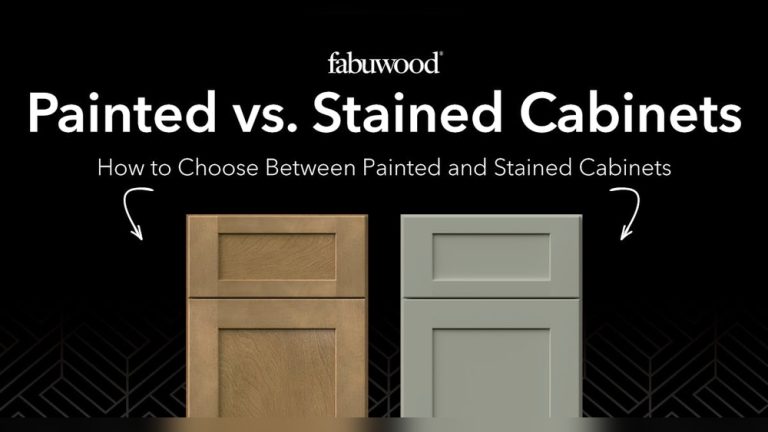
Painted and stained finishes can vary slightly across production runs, especially if you add pieces later. That matters when you plan to phase a kitchen over time and expect a later order to match the first one exactly.
Door gaps, hinge alignment, and exposed side panels matter as much as the face frame. If those details are off, the kitchen looks off even when the cabinet size is technically correct.
Service, replacement, and lead-time friction
MasterBrand is the parent manufacturer context to keep in mind here. Quality and service can vary across lines, and warranty handling can feel different depending on the product series, the retailer path, and whether you need a simple replacement part or a full reorder.
Some Lowe’s delivery reports mention cabinets arriving within 10 days, but lead times vary by line, finish, and stock status. Treat delivery timing as a purchase risk to verify, not a promise to assume.
Pros and cons of buying at Lowe’s
Lowe’s is a practical place to shop for cabinets when you want a broad range of price points and easy comparison across tiers. The tradeoff is that you must read the spec sheet carefully, because the brand mix is wide and the failure risks are not the same from one line to the next.
Pros
- Broad choice across stock, RTA, semi-custom, and custom tiers.
- Low entry price on in-stock lines such as Diamond NOW.
- Clear upgrade path if you move from stock to painted plywood or semi-custom.
- Good fit for buyers who need local access and straightforward ordering.
Cons
- Quality varies a lot across lines.
- Delivery damage and missing parts can disrupt a tight remodel schedule.
- Some lines trade moisture resistance for lower price.
- Replacement parts and warranty handling can take time.
Who are Lowe’s cabinets for?
Lowe’s cabinets suit buyers who want a clear price ladder and can match the line to the project. They are less suited to buyers who want one simple answer for every kitchen, because the construction and risk profile changes sharply from line to line.
DIY buyers
DIY buyers do well with stock or RTA lines when the layout is simple and the cabinet count is modest. Cambridge RTA can work if you want assembly control and accept the material limits of particleboard and MDF fronts.
Contractor-led remodels
Contractor-led jobs often justify Diamond Express or Diamond semi-custom, especially when the kitchen has awkward openings or the owner wants a cleaner final reveal. Better sizing flexibility can save time during install.
Fast flips versus long-term stays
For a fast flip, the right choice is the cabinet that looks good, installs on schedule, and stays within budget. For a long-term stay, paying more for plywood construction, dovetail drawers, and better hardware usually makes more sense.
Picture a 10-by-10 kitchen in a rental where the owner wants quick turnover and limited cash outlay. Diamond NOW fits that brief better than a fully customized package. Now picture a family kitchen with a sink base that gets daily splash and a dishwasher beside it. That project deserves the more durable box and stronger drawer build.
Frequently asked questions
What are the best kitchen cabinets at Lowe’s?
For a balance of price and durability, Diamond Express is a strong midrange option because it moves up to painted plywood. For more flexibility, Diamond semi-custom is the better pick. If the budget is tight, Diamond NOW is the lowest-cost entry point.
How much do Lowe’s kitchen cabinets cost?
Costs vary by line and cabinet type. One representative Diamond NOW Arcadia kitchen cost about $2,548.00 for ten cabinets. Cambridge doors start from $16.21, and Valleywood Cabinetry ranges from $59.99 for a door wall stock cabinet to $1099.99 for a pantry stock cabinet.
Should I buy stock, RTA, or semi-custom cabinets at Lowe’s?
Buy stock if price and speed matter most. Choose RTA if you can assemble cabinets yourself and want a lower-cost route with some hardware features. Choose semi-custom if you need more sizes, finishes, and a better fit for a tricky layout.
What Lowe’s cabinet line is best for plywood construction?
Diamond Express is the clearest plywood step in the Lowe’s mix covered here. Valleywood Cabinetry also lists a plywood cabinet box and dovetail drawer construction, which makes it a stronger durability option if the current product listing confirms those specs.
Products related to this article
Sponsored / affiliate links. As an Amazon Associate I earn from qualifying purchases. I may earn additional commission from eligible campaigns.