Best Paints for Kitchen Cabinets on a Budget (2026): we compared
The cheapest cabinet paint system that still holds up is a bonded primer plus two coats of waterborne alkyd enamel; skip one-step wall paint and cheap acrylic trim paint for high-touch doors. Bad cabinet paint chips fast, gums up around handles, and forces a full repaint far sooner, so the “cheap” job gets expensive. This guide compares low-cost cabinet paint options, tells you where to spend, and shows which budget systems survive real kitchen wear.
This guide is part of our Kitchen cabinets: styles, materials and installation series.
Quick comparison
| Product | Badge | Best for | Price | ||
|---|---|---|---|---|---|
 |
Rust-Oleum Cabinet Transformations & Trim Paint, PureRust-Oleum Home | Our pick | Quart · Pure White · Semi-gloss | $20.59
Price as of 27 Sep 2026
|
View |
 |
Beyond Paint Furniture, Cabinets and More All-in-OneBeyond Paint | Upgrade pick | Gallon · No Prep · All-in-One | $139.95
Price as of 27 Sep 2026
|
View |
 |
Mold & Mildew Primer Sealer & Stain Blocker, Interior &KILZ | Pair with it | 1-Qt · Primer Sealer · Mold Blocker | $95.91
Price as of 27 Sep 2026
|
View |
The short version is simple: for most budget cabinet jobs, a bonding primer plus a cabinet-specific enamel is the lowest-risk path. Cheap stays cheap only when prep fits the cabinet material and the finish matches how hard the doors are used.
According to Kitchen Cabinets – Affordable Kitchen Cabinetry – IKEA US — The SEKTION base cabinet shown is priced at $76.00.
How we chose
The comparison centers on four things: adhesion, finish hardness, total project cost, and how forgiving the paint is on wood, MDF, or laminate. We also weighted dry time, recoat timing, and how much prep each system needs before it can stand up to daily wiping, hand oils, and hardware wear.
Cabinet-specific enamel beat wall paint every time because cabinet doors take more abuse than a bedroom wall. On flat sections, the difference may be subtle at first. Around handles, drawer pulls, and rail edges, it shows quickly.
Cabinet-specific trim enamel: best for the lowest-risk budget repaint
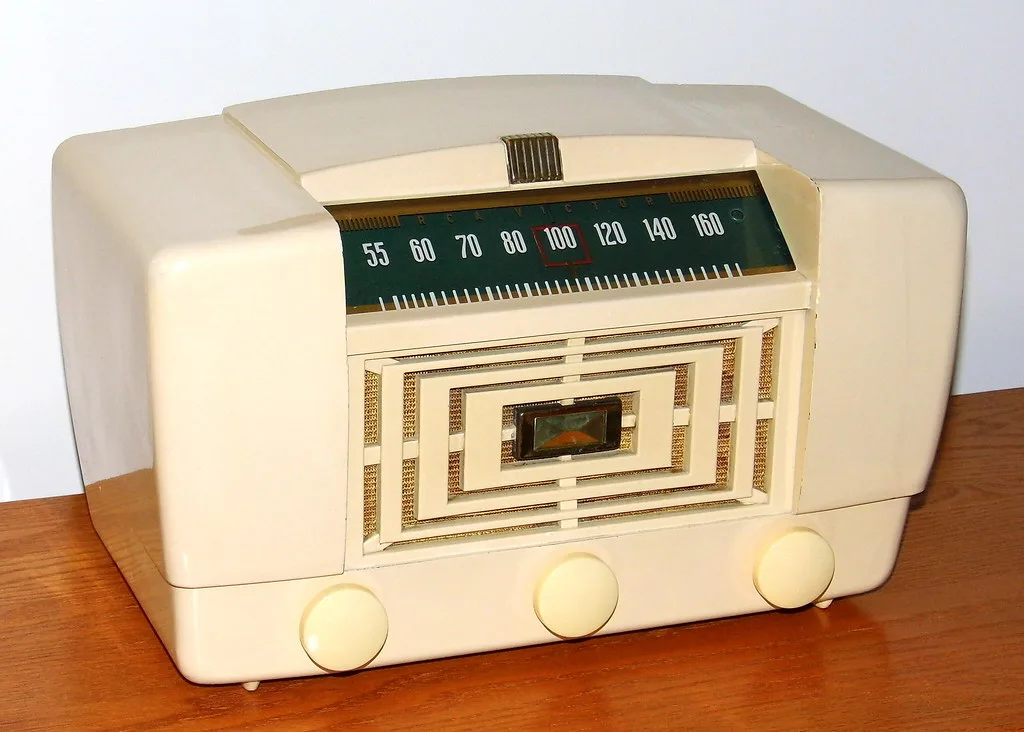
This is the best-value choice for most budget cabinet repaints because it gives a harder curing film than wall paint and a cleaner finish than bargain all-purpose paint. Based on the spec sheet and owner feedback, Rust-Oleum Cabinet Transformations & Trim Paint in Pure White is aimed at the exact job cabinets demand: wipeability, a smoother semi-gloss look, and better resistance to kitchen grime.
It is a better fit for wood and already-primed MDF than for raw laminate. The drawback is straightforward: you still need real prep, and a quart can vanish fast on a full kitchen, especially if the doors have heavy profiles or dark color changes.
Bonding primer plus enamel: best for laminate cabinets
Laminate cabinets need stronger adhesion than painted wood, so a bonding primer is the part that keeps a cheap repaint from peeling in sheets. KILZ Mold & Mildew Primer Sealer & Stain Blocker is a practical undercoat where the surface is slick, stained, or prone to tannin bleed, and that matters more on cheap cabinets than many people expect.
The tradeoff is cost. A primer like this can be expensive relative to a low-budget paint, and it adds a separate step before topcoat, but that is still cheaper than repainting peeled laminate doors six months later. It is also overkill if the cabinets are already sound, matte, and paint-holding wood.
Water-based all-in-one refinishing paint: best for the fastest short-term budget refresh
Beyond Paint is aimed at people who want to cut labor more than they want the hardest possible cabinet film. It is attractive on time, especially for a rental turn or a quick cosmetic reset, because it skips the usual strip-sand-prime sequence and comes in a gallon size that can cover more doors than a quart system.
The honest drawback is durability risk. On high-touch cabinet fronts, a no-prep promise is usually where the false economy hides, and the finish can be more sensitive to abuse than a primer-plus-enamel system. It makes sense when speed matters more than long-term toughness, not when you want the cheapest durable repaint.
Best budget cabinet paint: cabinet-specific enamel over bonding primer
If the goal is the lowest-cost system that still survives kitchen use, the answer is cabinet-specific enamel over a bonding primer. That combination gives better adhesion on wood, MDF, and laminate than wall paint, and it usually cures into a harder, more washable film on doors and drawer fronts.
Why this system beats cheap wall paint on doors and drawer fronts
Wall paint is made for low-abuse vertical surfaces, not repeated hand contact, grease wiping, and the rubbing that happens at pulls and toe-kick edges. Cabinet enamel dries harder and resists blocking better, so doors are less likely to stick together after closing and less likely to scuff during cleaning.
Best sheen for budget cabinets: satin vs semi-gloss
Satin hides small brush marks better, but semi-gloss cleans more easily and usually handles fingerprints better on busy kitchen fronts. Matte can look good in photos, but it is the riskiest budget choice for cabinets because it shows hand oils sooner and usually gives up cleanability first.
Where this choice saves money and where it does not
This system saves money because it reduces the chance of early failure. It does not save money if the prep is rushed, if the wrong primer is used on laminate, or if the painter buys cheap wall enamel and expects cabinet-level wear from it.
Should I use satin, semi-gloss, or matte on kitchen cabinets
Satin and semi-gloss are often recommended for kitchen cabinets because they tend to balance cleanability with a smooth appearance. Semi-gloss is usually the easiest to wipe and the most scratch-resistant in day-to-day use, while matte is better at hiding defects but more likely to hold grime and show wear on high-touch doors.
Cleanability and scratch resistance
More sheen generally means easier cleaning, and that matters more on cabinets than on walls. Semi-gloss gives the best budget-friendly wipe-down performance, satin sits in the middle, and matte is the least forgiving when pots, keys, and fingernails hit the finish.
Best use case for each sheen
Use semi-gloss for doors, drawer fronts, and lower cabinets that get the most handling. Use satin when the cabinet face frames have visible brush work you want to soften. Use matte only when the kitchen is very low traffic and you are willing to trade cleanability for a flatter look.
Do I need to sand cabinets before painting them
Usually, yes. Sanding or deglossing improves adhesion by removing shine, breaking the factory surface, and giving primer something to bite into. On glossy finishes and old varnish, skipping prep is the fastest route to peeling and edge chipping.
When sanding makes more sense than liquid deglosser
Sanding is the better choice when the cabinet finish is intact but glossy, when there are scratches to level, or when you want the most reliable adhesion on wood. A deglosser can help on awkward profiles and detailed trim, but it is not a replacement for real abrasion on damaged or heavily coated surfaces.
Prep by cabinet material
Wood usually needs cleaning, light sanding, spot filling, and primer. MDF needs a gentle touch because swollen fibers telegraph through paint fast; seal exposed edges well. Laminate needs thorough cleaning, scuffing, and a bonding primer or the topcoat can fail at the first hard wipe.
What primer works best under cabinet paint
The best primer under cabinet paint is a bonding primer that also blocks stains when the wood is tannin-prone or previously marked. That matters on oak, pine, knotty wood, MDF repairs, and laminate, because primer is doing two jobs at once: adhesion and stain control.
Why bonding primer matters on slick surfaces
Laminate and factory-finished cabinets are too slick for paint to grip well on their own. A bonding primer gives the topcoat a stable base, and that is the difference between a repaint that survives normal cleaning and one that peels at the edges of the sink run.
When stain blocking matters
Use stain-blocking primer whenever you see tannin bleed, water marks, nicotine staining, or old grease shadows. Without that step, white topcoats can yellow through at seams and knots even when the paint itself is decent.
How much does it cost to paint kitchen cabinets on a budget
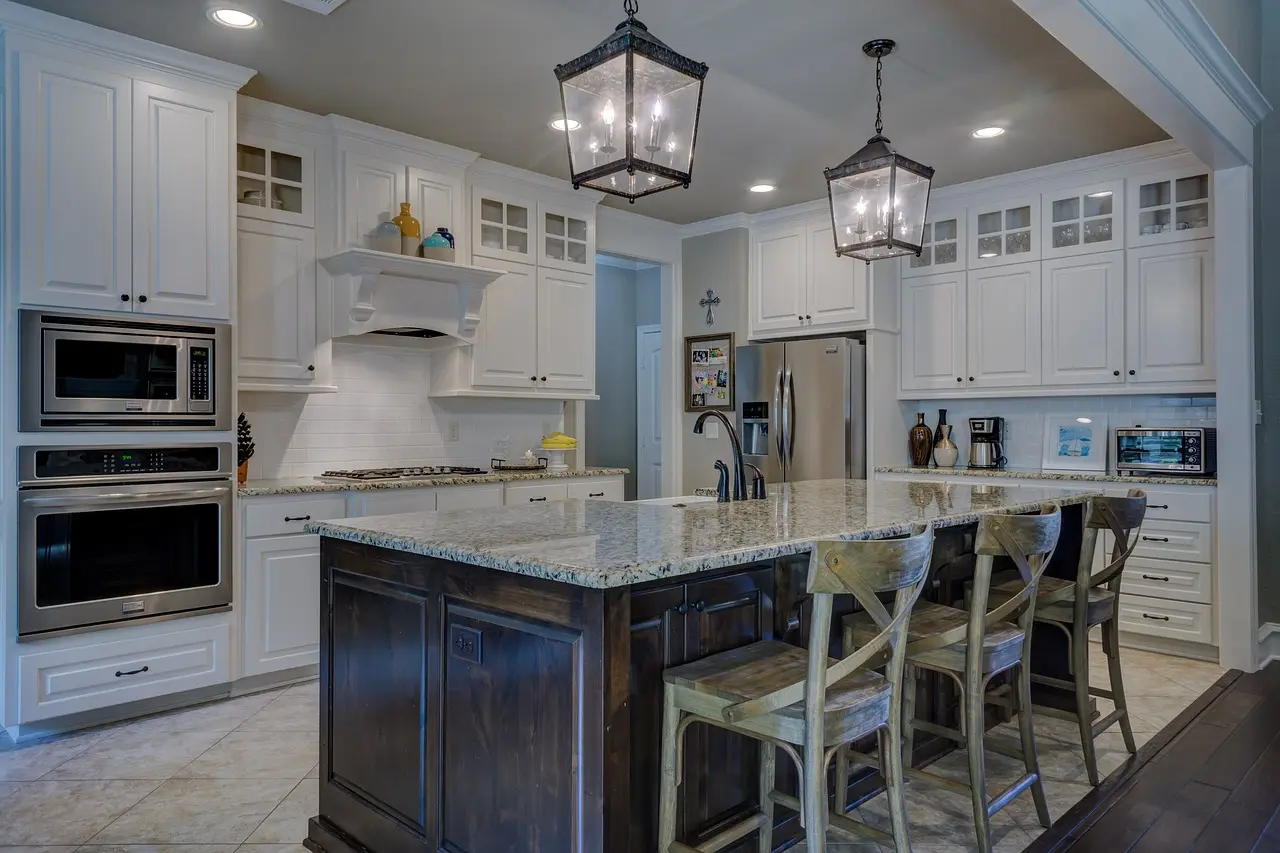
A budget cabinet repaint usually costs less than replacing cabinets, but the true cost is paint plus primer plus tools plus consumables. For a small kitchen, the material total often stays modest if the cabinets are sound; on larger kitchens, labor-saving products can cost more up front but still beat a full cabinet replacement by a wide margin.
Realistic budget breakdown
| Item | Typical budget range | What it covers | Where people overspend or underbuy |
|---|---|---|---|
| Cabinet enamel | $20 to $140 | Topcoat for doors, fronts, and frames | Buying wall paint that looks cheaper but fails sooner |
| Bonding primer | $15 to $100 | Adhesion and stain blocking | Skipping primer on laminate or stained wood |
| Tools | $15 to $60 | Foam roller, brush, sanding blocks, trays | Cheap brushes that leave marks and shed bristles |
| Consumables | $10 to $35 | Tack cloths, tape, degreaser, filters, rags | Trying to reuse dirty prep materials |
| Extra prep repairs | $10 to $40 | Wood filler, caulk, patching supplies | Painting over dents and chips without repair |
When a cheaper paint becomes a false economy
A low-cost wall enamel becomes false economy when the kitchen has laminate fronts, glossy factory finishes, or heavy daily use. If the paint starts blocking, peeling, or wearing through around pulls, the repaint cost usually exceeds the savings from buying the cheaper can.
Can I paint laminate kitchen cabinets cheaply
Yes, but only if the laminate is cleaned, scuff-sanded or deglossed, and primed with a bonding primer before topcoat. Laminate is where cheap shortcuts fail fastest, because the surface is smooth and unforgiving, so primer is not optional if the goal is durability.
How to avoid peeling on slick surfaces
Use a degreaser first, then scuff the surface enough to remove shine without cutting through the laminate layer. After that, apply bonding primer in a thin, even coat and let it cure before topcoating. Rushing that sequence is the main reason budget laminate projects peel at corners.
Best cabinet material fit
Laminate fits a primer-plus-enamel system better than a no-prep all-in-one paint. The extra step costs a little more, but the adhesion payoff is worth it on doors, end panels, and drawer fronts that get handled every day.
How long should painted cabinets cure before use
Dry to the touch is not the same as ready for hard use. Most cabinet paints can be recoated within their window, but full cure takes longer, and cabinets should be treated gently until the film hardens enough to resist sticking, scuffing, and chemical cleanup.
Recoat window and cure timeline
Follow the can for recoat timing and cure guidance.ing, then give the paint extra time before reinstalling hardware-heavy doors or cleaning aggressively. Light handling may be possible earlier, but full cure is the point when the finish becomes much more resistant to blocking and cleaning marks.
When to reinstall and clean
Reinstall doors and drawers only after the finish is dry enough to avoid imprinting from clamps, screws, and hinges. Wipe only lightly at first. Strong cleaners, scrub pads, and repeated door slamming can mark a finish that still looks dry but has not fully cured.
How do I avoid brush marks on painted kitchen cabinets
Use thin coats, the right brush, and a cabinet enamel that levels well. Brush marks usually come from overworking the paint, using the wrong tool, or trying to cover in one thick pass, which leaves ridges and slows curing.
Best application tools
A foam roller lays down a smoother film on flat panels, a synthetic angled brush handles edges and profiles, and a sprayer gives the cleanest finish when the setup and masking are worth the effort. For budget jobs, the roller-and-brush method usually gives the best balance of cost and control.
How to reduce tool marks
Keep a wet edge, do not reload the brush too heavily, and stop fussing once the enamel starts to level. If the paint is dragging, it is either too thick, too warm, or past its ideal working window. Thin passes beat one heavy coat every time.
Which one should you buy
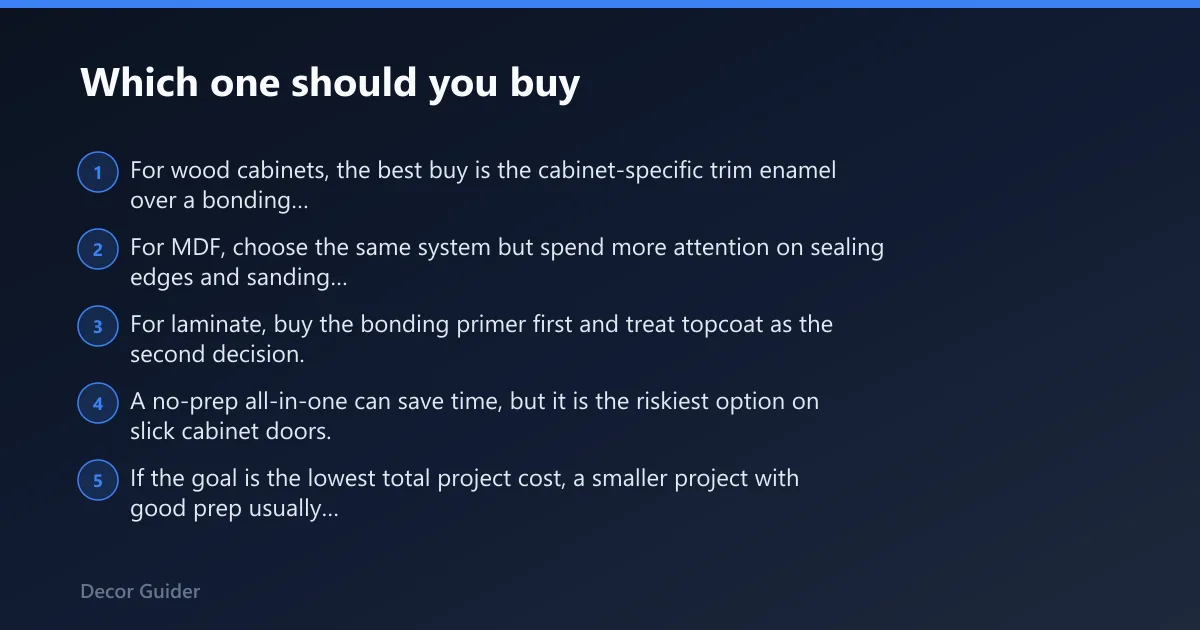
For wood cabinets, the best buy is the cabinet-specific trim enamel over a bonding primer, because it gives the strongest mix of finish quality and durability for the money. For MDF, choose the same system but spend more attention on sealing edges and sanding smooth patches before paint.
For laminate, buy the bonding primer first and treat topcoat as the second decision. A no-prep all-in-one can save time, but it is the riskiest option on slick cabinet doors. If the goal is the lowest total project cost, a smaller project with good prep usually costs less than a fast no-prep repaint that fails early.
If the cabinets are part of a whole-room update, cabinetry pricing can shift the math. IKEA sells kitchen cabinets as affordable cabinetry, offers multiple configurations including base, pantry, and wall cabinets, and includes soft-close cabinets in its assortment. A SEKTION base cabinet shown is priced at $76.00, measures 24x24x30 inches, and shows a 4.6-star review rating from 298 total reviews. IKEA also lists a SEKTION wall cabinet with 2 doors at $266.00, a SEKTION / MAXIMERA base cabinet with 3 drawers at $302.00, and a KNOXHULT base cabinet with doors and drawer at $320.00.
That matters because repainting only makes sense when the cabinet boxes are worth keeping. If the structure is sound, paint is the budget move. If the boxes are failing, a cheap repaint just delays a bigger replacement cost.
Frequently asked questions
what paint brand is best for kitchen cabinets
The best brand depends less on the label and more on whether the paint is cabinet-specific and cures hard enough for doors and drawer fronts. For budget work, the safest choice is usually a trim or cabinet enamel paired with a bonding primer, because that combination handles cleaning and edge wear better than generic wall paint.
what is the best paint for kitchen cabinets on a budget
The best budget choice is a cabinet-specific enamel over a bonding primer, with satin or semi-gloss as the finish. That system costs more than a bargain wall coating up front, but it is usually cheaper over time because it resists chipping, sticking, and early wear better on high-touch surfaces.
is cabinet paint different from wall paint
Yes. Cabinet paint is made for harder wear, more wiping, and more frequent contact than wall paint. On doors and drawer fronts, wall paint can chip, block, or stay too soft for too long, which leads to scuffs around pulls and sticking where doors touch.
Products related to this article
Sponsored / affiliate links. As an Amazon Associate I earn from qualifying purchases. I may earn additional commission from eligible campaigns.