What Finish Paint For Cabinets
Choosing the perfect paint finish for cabinets is a decision that dramatically impacts not only their appearance, but also their durability and ease of maintenance. Whether you’re planning a full kitchen renovation or a simple refresh of your bathroom vanity, the finish you select can mean the difference between stunning, long-lasting results and a disappointing, high-maintenance outcome.
Homeowners, designers, and DIY enthusiasts alike face a dizzying array of options, from classic satins to bold high-gloss sheens, and the choice can feel overwhelming.
But the right information can transform this process from daunting to empowering. By understanding how different paint finishes perform under real-world conditions, spanning durability, cleanability, aesthetic impact, and even resale value, you can confidently select a finish that aligns with your vision, lifestyle, and budget.
This guide demystifies the options, synthesizes expert advice, and integrates industry research to provide the authoritative answers needed for your next cabinet project.
Key Takeaways
- Paint finish dramatically affects cabinet appearance, durability, and maintenance.
- Satin, semi-gloss, and high-gloss are the most popular finishes for cabinets, each with distinct pros and cons.
- Proper preparation and compatible primer are essential for a long-lasting cabinet finish.
- Trends in cabinet finishes shift over time, but durability and ease of cleaning remain top priorities.
- Professional-quality results are achievable for DIYers with the right tools and techniques.
:max_bytes(150000):strip_icc()/Best-paint-for-kitchen-cabinets-4686963-29da48e748c944a9870ebd95c33d7873.jpg)
Credit: www.thespruce.com
Understanding Paint Finishes: Types And Characteristics
Selecting the optimal paint finish for your cabinets begins with a clear understanding of the main finish types and how their characteristics align with your needs.
Satin Finish
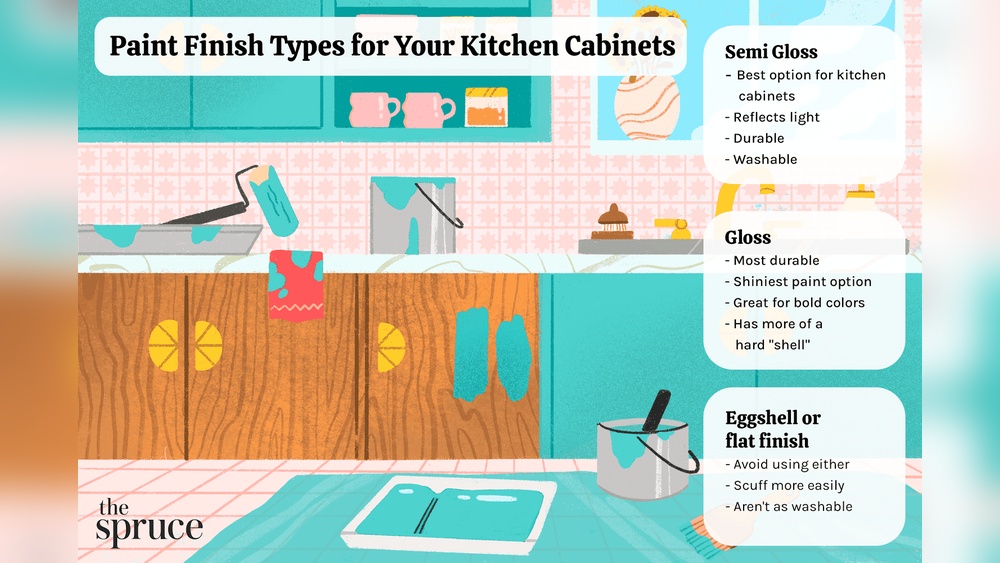
A satin finish is known for its subtle sheen, providing a soft, velvety appearance that feels elegant and understated. This finish is less reflective than semi-gloss or gloss, making it ideal for spaces where you desire a more muted look.
- Durability: Satin is more durable than matte or eggshell, resisting minor scuffs and stains.
- Cleanability: Easily cleaned with a damp cloth; however, not as scrubbable as higher sheens.
- Appearance: Conceals imperfections well; ideal for older cabinets with surface blemishes.
- Best Uses: Kitchens with moderate traffic, bathrooms, and built-in storage.
Semi-gloss Finish
The semi-gloss finish is a popular choice for cabinetry due to its high durability and appealing shine.
- Durability: Excellent resistance to moisture, stains, and daily wear.
- Cleanability: Highly washable; ideal for surfaces subject to frequent handling and spills.
- Appearance: Reflects more light, enhancing brightness but may highlight surface imperfections.
- Best Uses: Kitchens, laundry rooms, and bathrooms where frequent cleaning is necessary.
High-gloss Finish
A high-gloss finish delivers a dramatic, mirror-like shine that’s often favored in modern or contemporary settings.
- Durability: Superior resistance to moisture and stains; often used in commercial kitchens.
- Cleanability: The easiest to wipe clean, but also the most likely to show fingerprints and scratches.
- Appearance: Maximizes light reflection, making spaces feel larger but accentuating every flaw.
- Best Uses: Modern kitchens, accent cabinetry, or high-impact design statements.
Matte And Eggshell Finishes
While rarely used on cabinets, matte and eggshell finishes have their place in certain design contexts.
- Durability: Lower than higher-gloss finishes; prone to staining and harder to clean.
- Appearance: Conceal imperfections but offer little sheen.
- Best Uses: Decorative cabinets, less-used furniture, or rustic-style kitchens.
Paint Finish Comparison Table
| Finish Type | Sheen Level | Durability | Cleanability | Best For |
|---|---|---|---|---|
| Satin | Low-Medium | Good | Moderate | Traditional kitchens, bathrooms |
| Semi-Gloss | Medium-High | Excellent | High | High-traffic kitchens, laundry rooms |
| High-Gloss | Very High | Superior | Very High | Modern kitchens, statement cabinets |
| Eggshell | Low | Fair | Low | Decorative, low-use cabinets |
| Matte | None | Poor | Poor | Rustic or decorative applications |
Factors To Consider When Choosing Cabinet Paint Finish
Making the right choice for your cabinet finish depends on understanding several key factors that influence both the performance and the aesthetics of the final result.
Durability And Wear Resistance
Cabinets endure frequent opening, closing, and contact with hands, utensils, and cleaning products. Durability is paramount, especially in high-traffic areas like kitchens. Semi-gloss and high-gloss finishes outperform others in resisting scratches, chipping, and moisture damage.
Cleanability And Maintenance
Kitchens and bathrooms are prone to splashes, grease, and fingerprints. Cleanability should be a priority, higher-sheen paints are less porous and easier to wipe down. This makes semi-gloss and high-gloss finishes popular choices.
Aesthetic Goals And Style
The desired look of your space greatly influences finish selection. If you prefer a classic, understated style, satin may be ideal. For bold, modern aesthetics, high-gloss offers a dramatic impact. The finish also affects how colors appear: glossier finishes intensify colors, while matte and satin mute them.
Surface Imperfections And Cabinet Material
Older cabinets or those with visible imperfections benefit from finishes that can mask flaws. Satin and eggshell are more forgiving, while glossy finishes will highlight every dent or scratch.
Lighting Conditions
Consider how much natural or artificial light the room receives. Glossy finishes can make a dark room feel brighter by reflecting more light, but may also introduce glare.
Budget And Application Method
High-gloss and specialty finishes can be more expensive, both in terms of product and labor. They may also require a sprayer or professional application for a flawless result. Satin and semi-gloss are more forgiving for DIY brush or roller application.
Trends And Resale Value
While trends shift, neutral satin or semi-gloss finishes tend to have broad appeal and can boost resale value. High-gloss finishes, though trendy in some markets, may not suit every buyer’s taste.
Real-world Examples And Case Studies
To illustrate how paint finish choices play out in practice, here are a few real-world scenarios.
Example 1: Classic Satin For A Family Kitchen
A busy family with young children chose a satin finish for their white shaker kitchen cabinets. The subtle sheen hid fingerprints and minor scuffs, while still providing enough durability to handle daily cleaning. After three years, the finish remained attractive with only occasional touch-ups needed.
Example 2: Semi-gloss In A Rental Property
A property manager overseeing several rental units selected semi-gloss paint for kitchen and bathroom cabinets. The decision was driven by the need for a finish that could withstand frequent tenant turnover and aggressive cleaning routines. The semi-gloss finish preserved its appearance despite years of heavy use and made periodic deep cleans much more manageable.
Example 3: High-gloss In A Contemporary Remodel
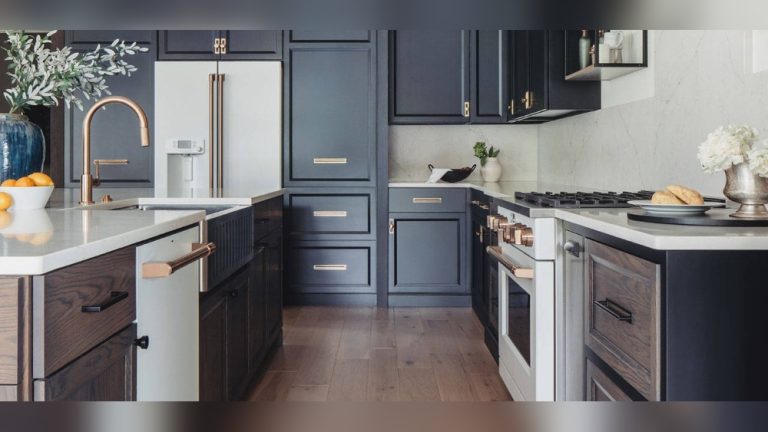
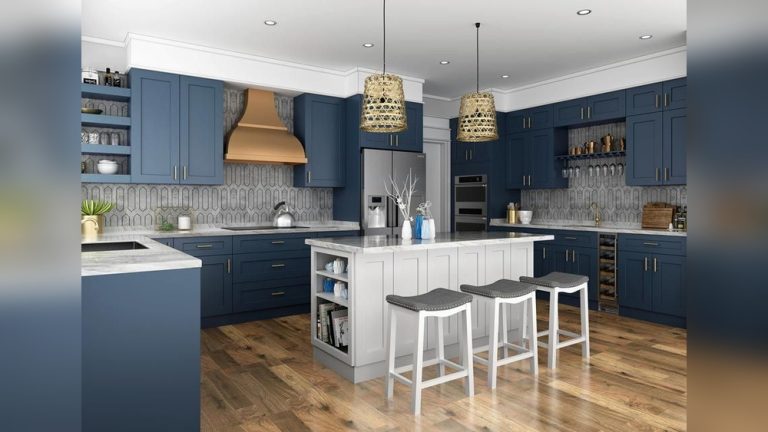
A homeowner renovating a downtown loft opted for high-gloss navy blue cabinets to create a dramatic, modern vibe. While the finish looked stunning and reflected natural light, it required meticulous surface preparation and regular wiping to keep fingerprints and dust at bay. The payoff was a magazine-worthy kitchen that became the centerpiece of the home.
:max_bytes(150000):strip_icc()/best-paint-cabinets-composite-lead-0823-6204bcd981ab44e596fa31f72ac332b7.jpg)
Credit: informaticafuentealbilla.com
How To Prepare Cabinets For The Best Paint Finish
Achieving a professional, long-lasting finish on cabinets involves more than just choosing the right paint. Proper preparation is crucial for both appearance and durability.
Cleaning And Degreasing
Cabinet surfaces, especially in kitchens, accumulate grease and grime that can prevent paint from adhering. Use a degreasing cleaner (such as TSP) to thoroughly clean all surfaces.
Sanding And Smoothing
Even new cabinets often require light sanding to create a surface the paint can grip. For older or previously painted cabinets, sand down any peeling paint, rough spots, or uneven areas. Always use a fine-grit sandpaper for the final pass.
Priming For Adhesion
Primer creates a consistent base, improves adhesion, and can block stains or wood tannins from bleeding through. For laminate or engineered wood cabinets, use a bonding primer specifically designed for slick surfaces. Oil-based or shellac primers are best for covering wood knots and stains.
Filling And Repairing Imperfections
Fill any holes, cracks, or dents with wood filler or spackle. Sand the repairs smooth once dry to prevent them from showing through the final paint finish.
Dust Removal
After sanding and repairs, remove all dust with a vacuum and tack cloth. Any dust left behind can create bumps in the final finish.
Example: My Experience With Cabinet Prep
Testing satin and semi-gloss finishes on kitchen cabinets reveals that skipping even one step in the prep process, especially priming, leads to peeling and uneven sheen within months. Proper prep made the difference between a finish that lasted years and one that quickly failed.
Application Methods For Flawless Cabinet Finishes
The method you use to apply paint has a significant impact on the final look and durability of your cabinets. Each approach has unique pros and cons.
Brushing
Using a high-quality, synthetic-bristle brush is the most accessible method for DIYers. Brushing allows for precision in corners and detailed areas.
- Pros: Inexpensive; ideal for touch-ups and intricate profiles.
- Cons: May leave visible brush marks, especially with high-gloss finishes.
Rolling
A small foam roller can cover flat cabinet surfaces quickly and with fewer marks than a brush. Rollers work well for doors and drawer fronts.
- Pros: Smooth application on large, flat surfaces; less labor-intensive than brushing.
- Cons: Can create a subtle “orange peel” texture if not used carefully.
Spraying
Professional painters often use HVLP (High Volume Low Pressure) sprayers for the smoothest, most even finish. Spraying is ideal for high-gloss or lacquer finishes.
- Pros: Flawless, factory-like results; fast coverage of all surfaces.
- Cons: Equipment cost; requires more prep (masking, ventilation); steeper learning curve.
Hybrid Techniques
Many pros use a combination: brush for corners and details, roller for flats, and sprayer for large jobs. This approach balances efficiency and finish quality.
Paint Application Comparison Table
| Method | Finish Quality | Skill Level | Best For |
|---|---|---|---|
| Brushing | Good (may show marks) | Beginner | Small projects, detail work |
| Rolling | Better (smooth, minor texture) | Intermediate | Flat panels, DIY refreshes |
| Spraying | Best (ultra-smooth) | Advanced/Pro | Large jobs, high-gloss finishes |
Top Paint Brands And Product Recommendations For Cabinets
The right paint brand and product can make all the difference in achieving a beautiful, durable cabinet finish. Here are some of the most trusted options used by professionals and DIYers alike.
Benjamin Moore Advance
Benjamin Moore Advance is a waterborne alkyd paint, combining the flow and leveling of oil-based products with the easy cleanup of water-based. It is known for a hard, furniture-like finish and is available in satin, semi-gloss, and high-gloss.
- Pros: Excellent leveling, low VOCs, durable.
- Cons: Longer cure time than standard latex paints.
Sherwin-williams Emerald Urethane Trim Enamel
Sherwin-Williams Emerald Urethane Trim Enamel offers outstanding durability and is specifically formulated for cabinets and trim. Its water-based formula provides a smooth finish that resists yellowing.
- Pros: Quick drying, resists wear, available in multiple sheens.
- Cons: Higher price point.
Behr Alkyd Semi-gloss Enamel
Behr’s Alkyd Semi-Gloss Enamel is a budget-friendly option available at most home improvement stores. It’s water-based but mimics the hardness of oil paint.
- Pros: Affordable, widely available, easy cleanup.
- Cons: Slightly less durable than premium brands.
Farrow & Ball Modern Eggshell
For those seeking a designer look, Farrow & Ball’s Modern Eggshell provides a subtle sheen and rich color selection. It is less glossy than traditional semi-gloss but more durable than standard eggshell.
- Pros: Unique colors, eco-friendly formula.
- Cons: Premium price, limited US availability.
Zinsser Bin Shellac-based Primer
While not a paint, Zinsser BIN Shellac-Based Primer is highly recommended as a stain-blocking, fast-drying primer that ensures adhesion and prevents bleed-through on wood cabinets.
- Pro Tip: Always check the manufacturer’s recommendations for compatibility between primer and topcoat.
Data-driven Comparison Table: Top Cabinet Paints
| Brand/Product | Finish Options | Durability | VOC Level | Average Price (per gal.) |
|---|---|---|---|---|
| Benjamin Moore Advance | Satin, Semi-Gloss, High-Gloss | Excellent | Low | $70 |
| Sherwin-Williams Emerald Urethane | Satin, Semi-Gloss, Gloss | Superior | Low | $90 |
| Behr Alkyd Enamel | Semi-Gloss | Good | Low | $45 |
| Farrow & Ball Modern Eggshell | Eggshell | Good | Very Low | $120 |
Common Mistakes To Avoid When Painting Cabinets
Even with the best paint and finish, mistakes during preparation or application can compromise your results. Here are the most frequent pitfalls and how to steer clear of them.
Skipping Proper Prep
Failure to clean, sand, or prime cabinets is the leading cause of peeling, chipping, and uneven finishes. Always invest time in thorough prep work.
Rushing Between Coats
Allowing insufficient drying time between coats can trap moisture, leading to soft, sticky paint or bubbling. Follow the manufacturer’s recommended drying and curing times.
Using The Wrong Tools
Low-quality brushes or rollers can leave behind bristles, lint, or uneven texture. Invest in premium tools designed for your chosen paint type.
Not Removing Doors And Hardware
Painting cabinets in place around hinges and handles can result in drips, missed spots, and an unprofessional look. Always remove doors, drawers, and hardware for best results.
Ignoring Primer Compatibility
Certain primers and topcoats are not compatible, especially when mixing oil- and water-based products. Always check labels or consult the manufacturer.
Overloading Paint
Applying thick coats to try to save time leads to drips, runs, and uneven sheen. Apply multiple thin coats for a durable, smooth finish.
Latest Trends In Cabinet Paint Finishes
Trends in cabinet finishes evolve with advances in paint technology and shifting design tastes. Staying informed can help you achieve a look that’s both current and timeless.
Matte And Low-sheen Finishes
While high-gloss and semi-gloss remain practical, there is a growing interest in matte and low-sheen finishes for cabinets, particularly in Scandinavian or farmhouse-inspired interiors. These finishes offer a modern, understated elegance but require specialty paints that enhance durability.
Two-tone And Contrasting Finishes
Designers are increasingly using two-tone finishes, such as matte on upper cabinets and semi-gloss on lower cabinets, to create visual interest and balance function with style.
Deep Colors And High Gloss
Deep blues, greens, and even black cabinetry in high-gloss finishes are trending, especially in luxury and contemporary homes. These dramatic finishes act as a focal point and reflect ambient light.
Stain And Paint Hybrids
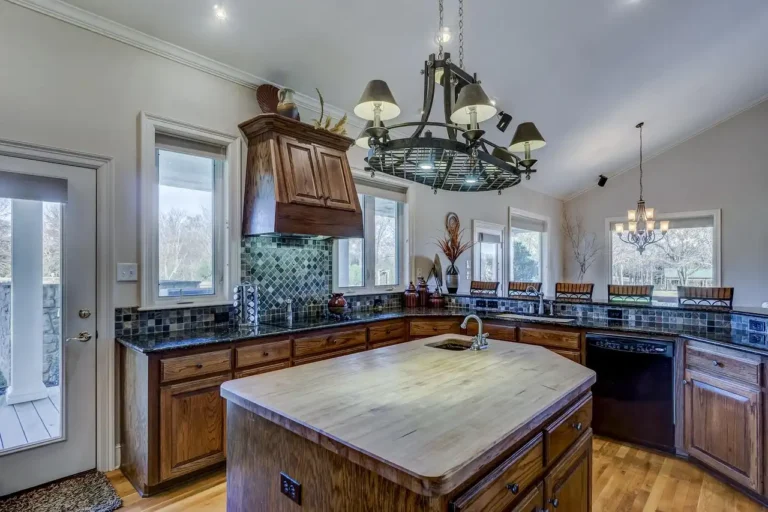
Combining stained wood with painted finishes, for example, a stained island with painted perimeter cabinets, creates contrast and texture while allowing for more personalized design.
Eco-friendly And Low-voc Paints
With increasing concern for indoor air quality, eco-friendly, low-VOC, and water-based paints are becoming the standard for cabinet refinishing, offering both safety and performance.
Example: Trend-driven Remodel
A recent kitchen remodel featured deep green lower cabinets in high-gloss and crisp white uppers in satin. This approach married durability where it was needed most (base cabinets) with a soft, airy feel on top, reflecting both current trends and practical design.
Maintenance And Care For Painted Cabinets
The longevity of your cabinet finish depends not just on the paint itself, but on regular maintenance and proper care.
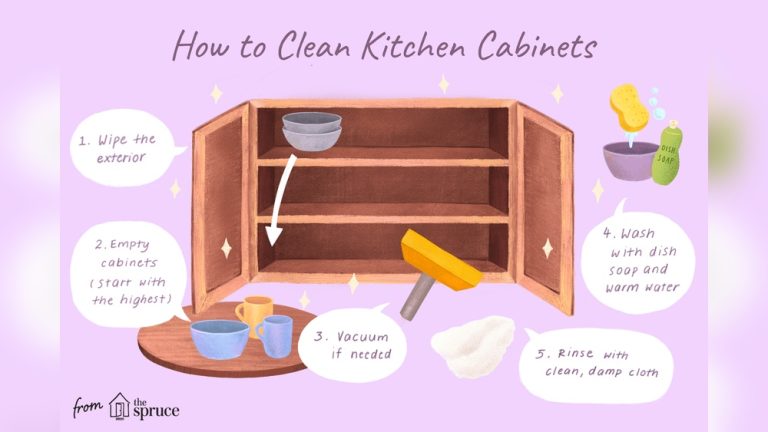
Cleaning Techniques
- Use a soft, damp cloth with mild soap to clean painted surfaces.
- Avoid abrasive sponges or harsh chemicals that can dull or scratch the finish.
- Wipe up spills promptly to prevent staining.
Touch-ups And Repairs
- Keep a small amount of leftover paint for minor touch-ups.
- For chips or scratches, lightly sand the area, wipe clean, and apply touch-up paint with a small brush.
Protecting The Finish
- Install soft-close hinges to reduce impact damage.
- Use cabinet liners inside drawers and shelves to prevent wear.
- Avoid hanging damp towels over cabinet doors, especially with wood-based substrates.
Long-term Considerations
- Repaint or recoat every 5, 10 years, depending on use and traffic.
- Consider a professional maintenance service for high-gloss or specialty finishes.
Frequently Asked Questions
What Is The Most Durable Paint Finish For Kitchen Cabinets?
The most durable paint finish for kitchen cabinets is typically semi-gloss or high-gloss. These finishes form a hard, washable surface that resists moisture, stains, and frequent cleaning. High-gloss offers the highest durability but can show imperfections more easily, while semi-gloss balances resilience with a forgiving appearance.
Can I Paint Over Existing Cabinet Finishes Without Sanding?
While some paints and primers are marketed as “no-sand,” best results are achieved by lightly sanding the existing finish to promote adhesion. For laminate or glossy surfaces, a bonding primer is essential for proper paint adhesion, even if sanding is skipped.
How Do I Prevent Brush Marks Or Roller Texture On Cabinets?
To achieve a smooth, professional look:
- Use high-quality, fine-bristle brushes or low-nap foam rollers.
- Apply thin coats, allowing each to dry fully.
- For the smoothest finish, consider spraying or using a paint conditioner to improve flow and leveling.
Is It Better To Use Oil-based Or Water-based Paint For Cabinets?
Modern water-based alkyd paints (like Benjamin Moore Advance) offer many of the advantages of oil-based paints, such as hardness and smoothness, while being easier to clean and lower in VOCs. Oil-based paints are rarely used today due to odor, environmental concerns, and yellowing over time. Always check compatibility with your primer.
How Long Should I Wait Before Using My Cabinets After Painting?
Cabinet paint may feel dry within hours, but full cure, when the finish reaches maximum hardness, can take 1, 3 weeks depending on the product. Wait at least 7 days before heavy use, and avoid cleaning or replacing hardware until the finish is fully cured for best durability.
References
Selecting the right paint finish for your cabinets is about more than just aesthetics, it’s a decision that impacts daily life, maintenance, and even the value of your home. With insights drawn from both expert research and firsthand experience, you can confidently choose the finish that offers the best blend of beauty, resilience, and style for your unique space. For related home improvement insights, you might find value in exploring topics such as canning vs
Products related to this article
Sponsored / affiliate links. As an Amazon Associate I earn from qualifying purchases. I may earn additional commission from eligible campaigns.