How Do Cabinet Members Get Approved
The appointment of cabinet members in the United States is a process that stands at the heart of the federal government’s functioning. Each presidential transition brings a flurry of speculation and media coverage, as the names of potential cabinet secretaries are floated, scrutinized, and ultimately nominated.
But how exactly do these individuals go from being private citizens or lower-ranking officials to holding some of the most powerful, influential positions in the nation? The answer is a blend of constitutional mandates, political maneuvering, and procedural rigor, a process designed to ensure that only candidates of the highest integrity and competence take the reins of America’s executive agencies.
Understanding this process is crucial, not only for those interested in political science but also for every citizen who wants insight into how the machinery of government is staffed. The selection and approval of cabinet members shape the direction of national policy, from foreign affairs to education, health, and economic regulation.
This article unpacks the cabinet appointment process from nomination to confirmation, exploring the history, the legal framework, the politics, and the real-world outcomes of this critical aspect of U. S. governance.
Key Takeaways
- Cabinet appointments involve both the executive and legislative branches, requiring presidential nomination and Senate confirmation.
- The process is rooted in the U.S. Constitution and has evolved through centuries of precedent, politics, and procedural changes.
- Senate committees play a central role by vetting, questioning, and recommending each nominee before a full Senate vote.
- Political dynamics, public opinion, and lobbying can influence both the pace and outcome of confirmations.
- Historical examples highlight both smooth and contentious appointments, reflecting the stakes and scrutiny involved.
- The process is a vital check on executive power, balancing presidential prerogative with legislative oversight.

Credit: amwaj.media
The Constitutional Foundation Of Cabinet Appointments
The U. S. Constitution provides the legal backbone for the appointment of executive officers, including cabinet members. Understanding these constitutional provisions is essential to grasp the approval process’s legitimacy, limitations, and historical evolution.
Article Ii, Section 2: The Appointments Clause
The Appointments Clause (Article II, Section 2, Clause 2) states that the President “shall nominate, and by and with the Advice and Consent of the Senate, shall appoint… Officers of the United States.” This language establishes a dual responsibility: the President selects candidates, but the Senate must approve them before they take office.
This arrangement was designed by the Founders to avoid unchecked executive power. By dividing the appointment authority, the Constitution ensures that major executive officers are not solely beholden to the President, but are also vetted by the legislative branch.
Who Is Subject To Senate Confirmation?
While the President can appoint thousands of lower-level officials without Senate input, cabinet secretaries and most agency heads require Senate confirmation. The cabinet typically includes the Vice President and the heads of 15 executive departments, such as State, Treasury, Defense, and Education. Other high-ranking officials, like the Attorney General or the Secretary of Homeland Security, also require confirmation.
Precedent And Historical Evolution
Though the Constitution outlines the appointment process, the details have evolved over time. Early presidents had greater latitude, but as government and partisanship grew, so did Senate involvement and scrutiny. Today, the process is a sophisticated blend of legal procedure, political tradition, and public visibility.
Example: The First Cabinet Confirmations
When George Washington nominated the first cabinet secretaries in 1789, the Senate approved them swiftly and with little debate. Over time, as the stakes and complexity of federal governance increased, so did the rigor and controversy of confirmations.

Credit: www.twinkl.fr
The Nomination Process: Presidential Selection And Announcement
The journey of a cabinet member begins with the President’s selection. This stage is both strategic and symbolic, as a president’s cabinet choices signal policy priorities and political alliances.
Criteria For Selection
Presidents weigh several factors when choosing cabinet nominees:
- Expertise and experience in relevant fields
- Political loyalty and alignment with the president’s vision
- Geographic and demographic diversity to reflect the nation
- Ability to navigate Senate confirmation (often, candidates are pre-vetted for likely support)
- Public image and potential to withstand scrutiny
For example, a president might select a renowned educator for Secretary of Education or a seasoned diplomat for Secretary of State. In my experience, administrations often conduct extensive background checks and consult with Senate leaders before announcing picks.
Vetting And Background Checks
Potential nominees undergo rigorous vetting by the White House Counsel’s Office, the FBI, and the Office of Government Ethics. This process examines financial records, past statements, conflicts of interest, and any issues that could impede confirmation or future performance.
Announcing The Nominee
Once vetted, the President announces the nominee, often at a press conference or public event. The announcement is a key moment for signaling policy direction and building political momentum.
Example: The Diverse Cabinet Of President Biden
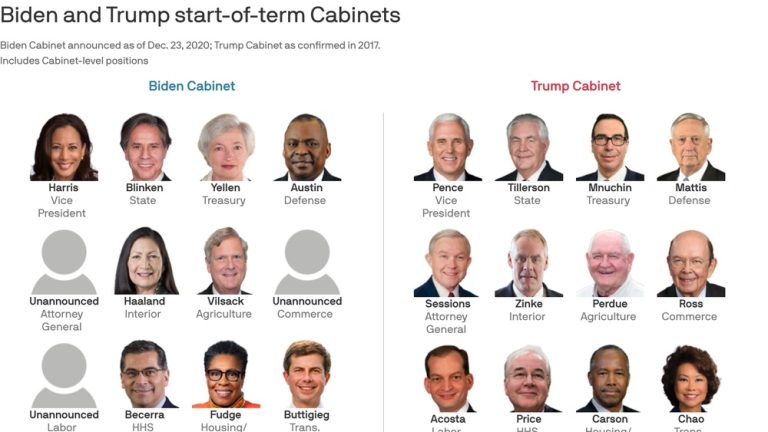
President Joe Biden’s cabinet selections emphasized diversity, both in background and professional expertise, marking several historic firsts (e. g. , the first openly LGBTQ cabinet secretary and the first Native American cabinet member). This strategy aimed to both fulfill campaign promises and broaden support in the Senate.
Senate Confirmation: The Committee Stage
After presidential nomination, the process moves to the Senate, where the nominee faces rigorous examination before a confirmation vote. The committee stage is where most of the substantive vetting occurs.
Referral To Senate Committees
Each nominee is referred to the Senate committee with jurisdiction over their prospective department. For instance, the Secretary of Agriculture nominee goes to the Senate Agriculture Committee, while the Secretary of Defense faces the Armed Services Committee.
Committee Hearings
Committee hearings are high-profile events, often broadcast live and covered extensively by the media. During these hearings:
- Senators question the nominee on qualifications, policy positions, and past conduct.
- Witnesses, both supporters and critics, may testify.
- Nominees submit written statements and answer detailed questionnaires.
These hearings test a nominee’s ability to articulate policy and defend their record.
Committee Vote
After hearings, the committee votes to recommend, reject, or take no position on the nominee. A favorable recommendation is not required for the nomination to proceed, but it signals likely support in the full Senate.
Example: The Challenging Path Of Betsy Devos
Betsy DeVos, nominated as Secretary of Education in 2017, faced intense scrutiny in committee hearings over her qualifications and policy positions. The committee advanced her nomination by a narrow margin, previewing a contentious floor vote.
Data Table: Recent Cabinet Nominee Committee Votes
| Nominee | Position | Year | Committee Vote |
|---|---|---|---|
| Betsy DeVos | Secretary of Education | 2017 | 12-11 (Advanced) |
| Janet Yellen | Secretary of Treasury | 2026 | 26-0 (Advanced) |
| Lloyd Austin | Secretary of Defense | 2026 | 24-2 (Advanced) |
| Tom Vilsack | Secretary of Agriculture | 2026 | 25-3 (Advanced) |

Credit: www.krem.com
Senate Floor Debate And Confirmation Vote
Following committee action, the full Senate takes up the nomination. This stage is characterized by floor debate, procedural maneuvers, and ultimately a confirmation vote.
Scheduling The Vote
The Senate Majority Leader schedules the nomination for floor debate. The timeline varies widely, depending on the nominee’s controversy, Senate workload, and political dynamics.
Debate And Filibuster
Senators may debate the nomination at length. Historically, the filibuster allowed a minority to block nominations by extending debate indefinitely. However, in 2013 and 2017, the Senate reduced this power for executive branch and Supreme Court nominees, allowing confirmation by simple majority.
The Confirmation Vote
The confirmation vote is usually conducted by roll call, though voice votes are sometimes used for non-controversial nominees. A simple majority (currently 51 votes if all Senators are present) is needed for confirmation.
Example: Mike Pompeo’s Contentious Confirmation
In 2018, Mike Pompeo’s nomination as Secretary of State was fiercely debated. Despite opposition, he was ultimately confirmed 57-42, illustrating the sometimes razor-thin margins and political intensity involved.
Comparison Table: Senate Confirmation Votes For Cabinet Secretaries
| Nominee | Position | Year | Senate Vote | Margin |
|---|---|---|---|---|
| Lloyd Austin | Defense | 2026 | 93-2 | Wide |
| Betsy DeVos | Education | 2017 | 51-50 | Vice President Tie-Breaker |
| Mike Pompeo | State | 2018 | 57-42 | Moderate |
| Janet Yellen | Treasury | 2026 | 84-15 | Wide |
Swearing-in And Taking Office
Once confirmed, the nominee is sworn in by taking an oath to support and defend the Constitution. They then officially assume their departmental responsibilities.
Pro Tip:
Senate confirmation votes are public record. You can track recent cabinet confirmations and their voting breakdowns through the official U.S. Senate nominations database.
Political, Legal, And Public Influences On Cabinet Approval
While the process is governed by law, politics and public perception play major roles in shaping cabinet confirmations.
Party Control And Senate Dynamics
When the President’s party holds a Senate majority, nominations typically move swiftly. Divided government or slim majorities can slow or derail confirmations. Individual senators may also “hold” a nomination to extract concessions or protest policy.
Lobbying And Advocacy
Interest groups and lobbyists often campaign for or against nominees, mobilizing public opinion and pressuring senators. For example, education advocates and teachers’ unions were vocal in the DeVos confirmation battle.
Scandals And Controversies
Personal or financial scandals can derail a nomination, even if the nominee is otherwise qualified. For example, Tom Daschle withdrew as Health and Human Services nominee in 2009 after tax issues surfaced.
Media And Public Opinion
Televised hearings, social media, and investigative journalism have made confirmations more transparent, and contentious. Public outcry can sway senators, particularly on high-profile or divisive nominees.
Legal Challenges And Lawsuits
Occasionally, the legality of an appointment is challenged in court, especially if procedural rules are alleged to have been violated. However, such interventions are rare and typically unsuccessful unless clear constitutional violations are present.
Example: The Withdrawn Nomination Of Andrew Puzder
Andrew Puzder, nominated as Secretary of Labor in 2017, withdrew after facing bipartisan criticism over labor practices and personal matters. His withdrawal demonstrates how public controversy and Senate opposition can force a nominee out before a vote.
Historical Trends And Notable Cabinet Confirmations
Cabinet confirmations have shifted over time, reflecting changes in politics, procedure, and public expectations.
Increasing Scrutiny Over Time
In the 19th and early 20th centuries, most cabinet nominees were confirmed swiftly and without extensive hearings. Today, nominees face far more rigorous questioning and disclosure requirements. According to the Congressional Research Service, the average time from nomination to confirmation has increased substantially over the past 50 years.
Rejected And Withdrawn Nominations
While most cabinet nominations are approved, some have been rejected or withdrawn. Notable examples include:
- John Tower (Defense, 1989): Rejected due to personal conduct concerns.
- Zoe Baird (Attorney General, 1993): Withdrew after revelations about hiring an undocumented worker.
- Linda Chavez (Labor, 2001): Withdrew for similar reasons.
These cases illustrate the powerful checks the Senate and public wield over the executive branch.
The Role Of Acting Secretaries
If a nomination is delayed or rejected, an acting secretary may lead the department temporarily. However, the Federal Vacancies Reform Act limits the length and scope of these appointments, emphasizing the importance of Senate-confirmed leadership.
Data Table: Fastest And Slowest Confirmations (recent Decades)
| Nominee | Department | Year | Confirmation Time |
|---|---|---|---|
| Janet Yellen | Treasury | 2026 | 6 days |
| John Tower | Defense | 1989 | 49 days (Rejected) |
| Betsy DeVos | Education | 2017 | 18 days |
| Tom Price | Health & Human Services | 2017 | 22 days |
Example: Fast-track Confirmations In National Crises
During emergencies, the Senate often expedites confirmations. For example, the first Secretary of Homeland Security, Tom Ridge, was quickly confirmed after the September 11 attacks to ensure national security leadership.
How Cabinet Approval Shapes Policy And Governance
Cabinet confirmations are not mere formalities; they have profound consequences for the direction and effectiveness of government.
Policy Implementation
Cabinet secretaries are principal architects and executors of federal policy. Their confirmation (or rejection) can accelerate or stall an administration’s agenda.
Agency Leadership And Morale
A confirmed secretary provides stability and authority within an agency. Prolonged vacancies or acting appointments can undermine morale, delay initiatives, and create uncertainty.
Public Trust And Legitimacy
The confirmation process assures the public that agency heads have been thoroughly vetted. This transparency is critical for trust in government, especially during controversies or crises.
Example: The Impact Of Delayed Confirmations
The delayed confirmation of key health officials during the COVID-19 pandemic was cited by some as a factor in coordination challenges. This underscores how the process’s efficiency, or lack thereof, can have real-world implications.
Pro Tip:
If you are interested in how other government roles are filled, check out resources such as GovInfo for official documents and nomination histories.
How The Cabinet Approval Process Compares Globally
The U. S. approach to cabinet appointments is unique in its checks and balances, but how does it compare to other advanced democracies?
Parliamentary Vs. Presidential Systems
In parliamentary systems (e. g. , the United Kingdom, Canada), cabinet ministers are typically drawn from the legislature and do not require a separate confirmation vote. In contrast, the U. S. system separates executive and legislative powers, requiring Senate approval.
Transparency And Public Involvement
Few countries televise confirmation hearings or allow for as much public and media scrutiny as the United States. This transparency has both benefits (accountability) and drawbacks (politicization).
Table: Cabinet Appointment Processes In Major Democracies
| Country | Cabinet Appointment Process | Legislative Confirmation? |
|---|---|---|
| United States | Presidential nomination, Senate confirmation | Yes |
| United Kingdom | Prime Minister appointment from Parliament | No |
| Germany | Chancellor nominates, President appoints | No (except Chancellor) |
| France | President appoints on PM’s recommendation | No |
Example: Canadian Cabinet Appointments
In Canada, the Prime Minister selects cabinet ministers from the elected Members of Parliament. No confirmation hearings or votes are required, streamlining the process but reducing legislative oversight compared to the U. S. model.
Frequently Asked Questions
How Long Does The Cabinet Confirmation Process Usually Take?
The length of the cabinet confirmation process varies significantly based on the nominee, the department, and the political climate. While some confirmations occur within days, especially in national emergencies, others can take weeks or even months. According to the Congressional Research Service, the average time from nomination to confirmation for cabinet positions in recent administrations has ranged from about two to six weeks.
Can A Nominee Serve Before Senate Confirmation?
Yes, in certain circumstances, an individual can serve as an “acting” secretary under the Federal Vacancies Reform Act. However, the act limits both the duration (typically 210 days) and the scope of their authority. Acting secretaries do not have the full legitimacy or permanence of Senate-confirmed appointees, and their decisions may be subject to greater legal and political scrutiny.
What Happens If The Senate Rejects A Cabinet Nominee?
If the Senate rejects a nominee, the President must select a new candidate for the position. Rejection is rare but not unprecedented. The department may continue under an acting secretary until a new nominee is confirmed. Occasionally, the President may renominate the same individual, but this is uncommon unless political circumstances change significantly.
Are All Cabinet-level Positions Subject To Senate Confirmation?
Most, but not all, cabinet-level positions require Senate confirmation. For example, the White House Chief of Staff and certain advisers are considered part of the President’s executive office and do not require Senate approval. However, all heads of executive departments (e.g., State, Defense, Treasury) do require confirmation.
What Role Does The Vice President Play In The Confirmation Process?
The Vice President serves as the President of the Senate and may cast a tie-breaking vote if the Senate is evenly split (50-50) on a confirmation. This has occurred in recent years, such as when Vice President Mike Pence broke the tie to confirm Betsy DeVos as Secretary of Education in 2017.
The process of approving cabinet members is a cornerstone of American constitutional democracy. While it can be contentious and politically charged, it serves as a vital check on executive power, ensuring that those entrusted with the nation’s most significant responsibilities are vetted for competence, character, and vision.
The balance struck between the President’s prerogative and the Senate’s oversight continues to shape the character and effectiveness of U. S. governance. As the complexity of federal government grows, understanding this process remains essential for anyone who wishes to comprehend or influence the direction of national policy.
For more insights into how strategic choices impact outcomes, you may find value in related resources such as choosing the right canning jar makes preserving food easier and when preserving food, you’ll often encounter two main methods. Just as cabinet selections shape government policy, the right tools and approaches can make all the difference in your own endeavors.
Products related to this article
Sponsored / affiliate links. As an Amazon Associate I earn from qualifying purchases. I may earn additional commission from eligible campaigns.