Chief Minister Vs Cabinet Minister
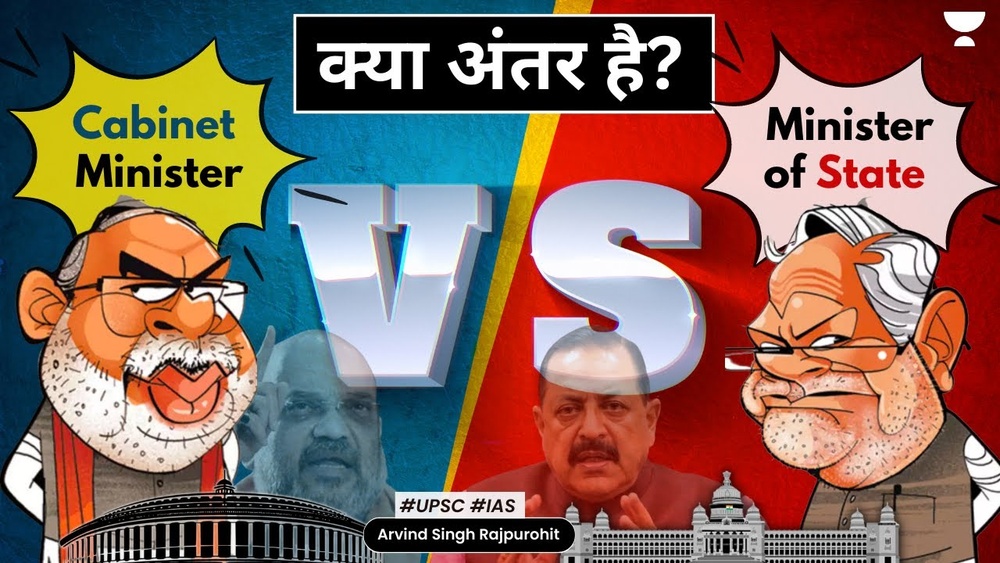
The difference between a Chief Minister and a Cabinet Minister is at the heart of state-level governance in federal systems like India’s. These roles shape policies, drive development, and impact millions of lives, but their powers, responsibilities, and influence are far from identical.
Understanding these distinctions isn’t just academic; it empowers citizens, students, and public servants to better engage with state administration and hold leaders accountable.
While both are pivotal members of a state’s executive branch, the Chief Minister serves as the head of government, steering the state’s direction, while Cabinet Ministers manage specific portfolios such as health, education, or finance. Their collaboration, and sometimes their conflicts, define how governments function and how policies succeed or fail. This comprehensive guide explores the nuances, legal frameworks, and real-world implications of these two offices, giving you an insider’s view of state leadership.
Key Takeaways
- The Chief Minister is the principal executive authority in a state, whereas Cabinet Ministers oversee individual departments under the Chief Minister’s leadership.
- Appointment, powers, and tenure of Chief Ministers and Cabinet Ministers are constitutionally distinct, affecting their roles and influence.
- Effective state governance relies on both the leadership of the Chief Minister and the specialized expertise of Cabinet Ministers.
- Real-world examples highlight how these roles interact to drive policy and respond to crises.
- Understanding these positions helps citizens participate meaningfully in democracy and governance.

Credit: www.gettyimages.com
The Constitutional Basis: Chief Minister And Cabinet Minister Roles
Chief Minister: Head Of State Government
The Chief Minister is the chief executive of a state, analogous to a Prime Minister at the national level. Their appointment, powers, and functions are governed by Articles 163 and 164 of the Indian Constitution. The Chief Minister:
- Is appointed by the Governor, typically the leader of the majority party in the legislative assembly.
- Leads the Council of Ministers and determines its composition.
- Advises the Governor on the appointment and removal of ministers.
- Is collectively responsible, along with the Cabinet, to the legislative assembly.
The Chief Minister’s mandate includes setting policy priorities, representing the state at national forums, and acting as the face of the government.
Cabinet Minister: Portfolio Specialist
A Cabinet Minister is a senior member of the Council of Ministers, each entrusted with a specific department, like Finance, Health, or Home Affairs. Their appointment:
- Is made by the Governor, on the advice of the Chief Minister.
- Is always from among the legislative assembly or, in rare cases, the legislative council.
- Includes collective responsibility with the Chief Minister and other ministers.
Cabinet Ministers exercise full authority over their portfolios, implementing policies and managing administration, but always under the overall leadership of the Chief Minister.
Key Constitutional Provisions
- Article 163: Council of Ministers, with the Chief Minister at its head, aids and advises the Governor.
- Article 164: Appointment of Chief Minister and other ministers; tenure at the pleasure of the Governor.
- Collective Responsibility: Cabinet decisions bind all ministers, requiring unity and discipline.
For more on constitutional roles, see the Chief Minister (India) – Wikipedia.

Credit: usispf.org
Appointment, Tenure, And Removal: A Comparative Analysis
How Chief Ministers Are Appointed
The process begins immediately after state elections. The Governor invites the leader of the party (or coalition) with a legislative majority to form the government. The Chief Minister:
- Must command the confidence of the legislative assembly.
- Takes the oath of office and secrecy administered by the Governor.
- Can remain in office as long as they retain assembly support.
Pro Tip: If no party has a clear majority, the Governor has discretionary powers to invite leaders to prove their majority on the assembly floor.
Appointment Of Cabinet Ministers
Cabinet Ministers are appointed by the Governor, but only on the Chief Minister’s recommendation. They may be:
- Elected MLAs (Members of Legislative Assembly) or MLCs (Members of Legislative Council).
- Individuals who are not members of the legislature but must become a member within six months.
Tenure And Dismissal
- Both the Chief Minister and Cabinet Ministers hold office “at the pleasure of the Governor,” but in practice, the Chief Minister’s majority in the assembly is decisive.
- The Chief Minister can advise the Governor to dismiss any Cabinet Minister.
- If the Chief Minister resigns or is removed, the entire Council of Ministers must resign.
Table: Comparison Of Appointment And Tenure
| Aspect | Chief Minister | Cabinet Minister |
|---|---|---|
| Appointed By | Governor (usually majority party leader) | Governor (on Chief Minister’s advice) |
| Tenure | As long as majority in assembly is maintained | At the pleasure of the Governor/CM |
| Dismissal | Governor (if loses assembly support) | On Chief Minister’s recommendation |
| Collective Resignation | Leads to resignation of entire cabinet | Resignation does not affect others |
Powers And Functions: Chief Minister Vs Cabinet Minister
Chief Minister: The State’s Executive Leader
- Policy Direction: Sets the state’s agenda and priorities.
- Cabinet Leadership: Chairs cabinet meetings, decides portfolios, and mediates disputes.
- Legislative Role: Guides the passage of bills, addresses the assembly, and represents the government.
- Crisis Management: Leads during disasters, health emergencies, or political instability.
Cabinet Minister: Portfolio Management
- Department Oversight: Direct control over assigned ministries (e.g., health, education, finance).
- Implementation: Executes policies, proposes bills, manages budgets.
- Representation: Answers to the assembly on departmental matters, interacts with civil servants, and addresses public grievances.
- Coordination: Works with other ministers and the Chief Minister for cross-departmental programs.
Table: Power Distribution
| Domain | Chief Minister | Cabinet Minister |
|---|---|---|
| Policy Making | Final authority | Proposes, implements within portfolio |
| Cabinet Meetings | Chairs, sets agenda | Participates, contributes |
| Legislative Role | Leads government in assembly | Presents department bills, answers queries |
| Public Interface | State representative, addresses state/nation | Departmental spokesperson |
Pro Tip:
The Chief Minister is often seen as “first among equals,” but their influence extends beyond formal powers due to their mandate, visibility, and ability to distribute portfolios.

Credit: www.youtube.com
Division Of Responsibilities: Day-to-day Governance
Chief Minister’s Routine Responsibilities
- Supervising Government Functioning: Holds regular meetings with Cabinet Ministers and senior officials.
- State-National Coordination: Interacts with the Prime Minister, attends national policy forums.
- Appointment Decisions: Allocates and reshuffles ministerial portfolios.
- Crisis Response: Makes public appeals, visits affected areas, and coordinates relief efforts.
Cabinet Minister’s Daily Functions
- Departmental Administration: Directs the bureaucracy, signs official notifications, and ensures service delivery.
- Budget Management: Prepares departmental budgets, monitors expenditures.
- Policy Rollout: Launches schemes, monitors progress, and evaluates outcomes.
- Public Engagement: Meets with stakeholders, holds press conferences, and addresses local grievances.
Example: Health Crisis Response
- In a pandemic, the Chief Minister conducts state-wide assessments, coordinates with the central government, and allocates emergency funds.
- The Health Minister implements protocols, manages hospitals, procures supplies, and issues health advisories.
Real-world Case: Kerala’s Covid-19 Response
Kerala’s Chief Minister Pinarayi Vijayan worked closely with Health Minister K.K. Shailaja during the COVID-19 pandemic. The Chief Minister led public communication and inter-state negotiations, while the Health Minister managed operational details. Their synergy was credited for Kerala’s early success in controlling the outbreak (see Brookings Institution: Kerala’s COVID-19 Response).
Real-world Examples And Case Studies
Maharashtra: Political Turbulence And Leadership
In 2019, Maharashtra faced a political impasse post-elections. The Chief Minister’s role was central in government formation, as Uddhav Thackeray (Shiv Sena) negotiated coalition terms. Cabinet Ministers from different parties had to work collaboratively, sharing portfolios like Home and Finance, often leading to policy debates and compromises.
Tamil Nadu: Handling Flood Disasters
During the 2015 Chennai floods, Chief Minister J. Jayalalithaa coordinated statewide relief, while Cabinet Ministers like the Minister for Revenue and Disaster Management managed field operations. The Chief Minister’s directives ensured a unified response, while ministers executed on-ground strategies.
Uttar Pradesh: Law And Order
In Uttar Pradesh, the Home portfolio is often held by the Chief Minister (e. g. , Yogi Adityanath), reflecting the importance of law and order. Other Cabinet Ministers handle portfolios such as education or infrastructure but report to the Chief Minister on policy alignment.
Example: Food Preservation Policy
When a state launches a food preservation initiative, the Chief Minister sets the vision, approves funding, and makes public announcements. Cabinet Ministers for Agriculture and Food Processing design schemes, select technologies (like canning or freeze-drying), and oversee implementation. For those interested in food preservation policy details, see Freeze-drying vs canning: Which is better for long-term food storage?.
Chief Minister Vs Cabinet Minister: Influence, Authority, And Public Perception
Political Power And Public Mandate
The Chief Minister enjoys the highest political authority within the state, with the power to:
- Appoint, reshuffle, or remove ministers.
- Decide on legislative priorities.
- Represent the state nationally and internationally.
The public sees the Chief Minister as the face of the government, holding them accountable for overall performance.
Cabinet Ministers, while powerful within their domains, are subordinate to the Chief Minister. Their visibility and influence depend on the importance of their portfolio and their own leadership qualities.
Media And Public Engagement
- Chief Ministers regularly address the media on state matters, announce policies, and respond to crises.
- Cabinet Ministers speak on specific departmental issues, engage with interest groups, and field technical questions.
Pro Tip:
Ambitious Cabinet Ministers often leverage their performance and popularity to seek the Chief Minister’s office in future elections.
Table: Public Perception And Authority
| Aspect | Chief Minister | Cabinet Minister |
|---|---|---|
| Media Visibility | High (statewide/national) | Moderate (departmental) |
| Public Accountability | For entire government | For assigned department |
| Political Influence | Supreme within state | Depends on portfolio and profile |
| Succession Potential | Top state leader | Can aspire to CM role |
Example: Cabinet Minister’s Rise
In several states, Cabinet Ministers have become Chief Ministers after demonstrating competence, Mamata Banerjee served as a Cabinet Minister before becoming Chief Minister of West Bengal.
Checks, Balances, And Interdependence
Collective Responsibility
The Council of Ministers, headed by the Chief Minister, is collectively responsible to the legislative assembly. This means:
- All ministers must publicly support cabinet decisions.
- Dissent is allowed in meetings but not in public.
- A no-confidence motion against the government leads to the resignation of the entire Council, including the Chief Minister.
Checks On Chief Minister’s Power
- The Governor can dismiss the Chief Minister if they lose majority support.
- The judiciary can review unconstitutional actions.
- The party high command (in national parties) can influence or replace the Chief Minister.
Cabinet Minister’s Autonomy And Limitations
- Ministers have autonomy in running their departments but must align with overall government policy.
- Major decisions require cabinet approval, not unilateral ministerial action.
- The Chief Minister can reallocate portfolios or drop ministers.
Example: Policy Disputes
When Cabinet Ministers disagree on a policy (e. g. , economic stimulus), the Chief Minister mediates to achieve consensus or enforces a decision. This ensures coordination but can also lead to political tensions.
Pro Tip:
Effective Chief Ministers build consensus while asserting authority; weak leadership can lead to cabinet factions and instability.
Chief Minister And Cabinet Minister: Global Comparisons
United Kingdom: Prime Minister And Secretaries Of State
In the UK, the Prime Minister is the head of government, equivalent to a Chief Minister at the state level in India. Cabinet Ministers (Secretaries of State) manage specific departments but are subordinate to the Prime Minister.
United States: Governors And Cabinet
US state governors resemble Indian Chief Ministers in leading the executive branch. However, US state cabinets are often less powerful, with many positions elected separately, limiting the governor’s direct authority.
Australia: State Leadership
Australian states have Premiers (like Chief Ministers) and Cabinet Ministers. The Premier is the leading voice, while ministers manage portfolios in a system similar to India’s.
Table: International Comparison
| Country | Head of State Government | Cabinet Equivalent | Appointment Process |
|---|---|---|---|
| India | Chief Minister | Cabinet Ministers | Governor appoints, assembly majority required |
| United Kingdom | Prime Minister | Secretaries of State | Monarch appoints, Commons majority required |
| United States | Governor | Cabinet Officers | Elected or appointed, varies by state |
| Australia | Premier | Ministers | Governor appoints, assembly majority required |
Challenges And Opportunities In Chief Minister, Cabinet Minister Dynamics
Decision-making Complexities
- Coalition Governments: Chief Ministers must balance demands from coalition partners, often granting key portfolios as part of political bargaining.
- Regional Representation: Cabinets must reflect the state’s diversity, regional, caste, gender, to ensure broad-based support.
Policy Implementation
- Effective coordination between the Chief Minister and Cabinet Ministers is vital for successful policy execution.
- Conflicts can arise if ministers pursue personal agendas or resist central leadership.
Scandals And Accountability
- Corruption scandals or administrative failures in a department can impact the entire government’s image, forcing the Chief Minister to act, reshuffling or dismissing ministers.
- Transparency and good governance practices are essential for maintaining public trust.
Example: Food Safety Regulation
When food safety lapses occur, the Cabinet Minister for Food and Civil Supplies is directly responsible, but the Chief Minister faces public pressure to ensure accountability. This reflects the interconnected nature of their roles. For more on food safety and preservation, explore Choosing the right canning method is crucial for preserving food safely.
Pro Tip:
Clear communication, delegation, and accountability structures foster effective Chief Minister, Cabinet Minister collaboration.
Frequently Asked Questions
What Happens If The Chief Minister Resigns But Cabinet Ministers Do Not?
When the Chief Minister resigns or is removed from office, the entire Council of Ministers, including all Cabinet Ministers, must also resign. This is because they hold office collectively and derive their legitimacy from the Chief Minister’s leadership. The Governor then invites a new leader to form the government, who may choose to reappoint some or all ministers.
Can A Cabinet Minister Be Removed Without The Chief Minister’s Consent?
In practice, Cabinet Ministers can only be dismissed by the Governor on the advice of the Chief Minister. If a minister loses the Chief Minister’s trust or becomes embroiled in controversy, the Chief Minister typically requests their resignation or recommends their removal to the Governor.
Is It Possible For One Person To Be Both Chief Minister And A Cabinet Minister For A Specific Portfolio?
Yes, it is common for Chief Ministers to retain key portfolios such as Home, Finance, or Urban Development, acting as both Chief Minister and Minister-in-charge for those departments. This practice allows for greater direct control over crucial areas but can increase the Chief Minister’s workload.
How Do Chief Ministers And Cabinet Ministers Interact With Civil Servants?
Chief Ministers interact primarily with the Chief Secretary and other top state officials, directing overall policy and reviewing implementation. Cabinet Ministers work closely with the secretaries of their respective departments, overseeing daily administration, and ensuring that government programs and schemes are executed effectively.
What Qualifications Are Required To Become A Chief Minister Or Cabinet Minister?
To become a Chief Minister or Cabinet Minister, an individual must be a member of the state legislature (either the Legislative Assembly or Council) or must get elected within six months of appointment. Political experience, leadership skills, and party support are essential, but there is no formal educational requirement specified in the Constitution.
The relationship and division of powers between a Chief Minister and Cabinet Ministers are foundational to effective state governance. While the Chief Minister sets the vision and direction, Cabinet Ministers bring expertise and focus to individual departments, ensuring that policies reach citizens.
Both roles are vital, and their interplay determines a state’s progress, the quality of governance, and the health of its democracy. Understanding these offices not only enriches civic knowledge but also helps citizens engage more thoughtfully with government initiatives, from food safety to emergency response.
Products related to this article
Sponsored / affiliate links. As an Amazon Associate I earn from qualifying purchases. I may earn additional commission from eligible campaigns.