Upper Cabinets vs Open Shelving: Which Is Better?
Use upper cabinets for daily dishes, pantry goods, and anything you want hidden. Reserve open shelving for a modest share of storage, mainly in prep or coffee zones where you want quick access. Poor placement brings more dust, more visual clutter, and less usable storage where you need it. This guide compares cost, cleaning, and layout, then shows how to split upper cabinets and open shelves by kitchen activity zone.
This guide is part of our Kitchen cabinets: styles, materials and installation series.
| Decision factor | Upper Cabinets | Open Shelving | Winner |
|---|---|---|---|
| Storage density | Higher usable cubic inches per linear foot; better for stacked dishes, cookware, and bulk goods | Lower storage density; shelf spacing limits stacking | Upper Cabinets |
| Cleaning burden | Doors protect contents from dust and grease; interior cleaning is less frequent | Visible items collect dust and grease; weekly wipe-downs are common in active kitchens | Upper Cabinets |
| Visual openness | Hides clutter and creates a closed wall | Shows dishes and spices all the time | Open Shelving |
| Best use near cooking zones | Better for stove-adjacent walls and splash zones | Better away from grease-heavy areas or where ventilation is strong | Upper Cabinets |
| Upfront cost | Usually higher once doors, hardware, and finish work are included | Simple floating shelves can cost less upfront than upper cabinets | Open Shelving |
| Kid-friendly practicality | Better at hiding clutter and keeping breakables out of sight | Harder to keep orderly in busy family kitchens | Upper Cabinets |
Upper cabinets vs open shelving: the core trade-off
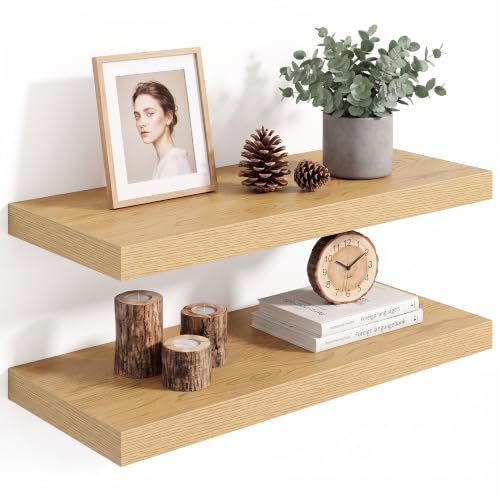
Upper cabinets are enclosed boxes with doors, while open shelving means wall-mounted shelves with no doors. That basic difference changes storage density, cleaning, and where each belongs in the kitchen.
Upper cabinets win when you need enclosed storage for daily use. Open shelving wins when access and display matter more than capacity.
What each option stores best
Upper cabinets handle mixed dishware, small appliances, pantry overflow, and items you do not want on display. Open shelves work best for a curated, low-volume set, such as a few plates, glasses, or canisters you reach often.
That difference matters more than style. A wall of open shelves can look tidy with a few everyday items, then lose that look once you add bulk groceries, a blender, and stackable lunch containers.
How visibility changes daily use
Open shelves expose dishes and spices all the time, so every item becomes part of the room’s visual field. That can improve access, but it also means clutter reads as clutter.
Upper cabinets hide contents and protect items from dust and grease. If you keep mismatched containers, extra cereal boxes, or rarely used bakeware, that hidden storage is often the better fit.
Where the comparison usually breaks down
The choice is not only about style or footprint. It is about whether a wall needs dense storage or a lighter display zone, and whether that wall sits near steam, splatter, or frequent hand traffic.
Say your kitchen has one wall that holds the range, the sink, and a prep section. In that case, treating every upper run the same is a mistake; the cooking zone needs different protection than the prep wall.
📊 Open shelving has mixed resale appeal in 2026. Source: Directcabinetdeals.
Which one holds more in a real kitchen?
Upper cabinets usually hold more because they offer higher usable cubic inches per linear foot. Open shelving loses capacity to shelf spacing, item height, and the lack of enclosed vertical stacking.
Usable storage by linear foot
With upper cabinets, you can stack plates, bowls, and pantry goods higher because the doors keep the contents contained. Open shelves leave the stack exposed, so you often stop at a lower height to keep the display orderly and safe.
That means the same wall length can function very differently. A cabinet run that fits dishware, glassware, and overstock snacks may only support a few levels of visible items on shelves before it starts to look crowded.
Shelf spacing and stacking limits
Open shelving works only when the stored objects share similar heights. Once you mix tall cereal boxes, a stand mixer, and shallow plates, the spacing becomes awkward fast.
Upper cabinets are more forgiving. Doors hide uneven stacks, which lets you use the full cabinet volume rather than designing around the tallest item on the shelf.
What happens with cookware, dishes, and bulk goods
Cookware and bulk goods usually push the decision toward upper cabinets. Heavy pots, food storage tubs, and pantry overstock are better handled behind doors, where the wall looks calm even when the cabinet is full.
Open shelves can still work for plates, glasses, and everyday bowls. They are a weak fit for bulk goods and small appliances, because those items need dense, hidden storage more than they need access.
Do open shelves get dirtier than upper cabinets?
Yes. Open shelves see more dust and grease because the contents stay exposed, while upper cabinets protect items from both. In active kitchens, that difference becomes a weekly cleaning issue, not a rare annoyance.
Dust and grease exposure by location
Near the range, grease and steam are the main problem. Farther from cooking, dust is still an issue, but residue builds more slowly when the shelf is away from splash and vapor.
That is why ventilation matters. A strong range hood can cut airborne grease, but it does not remove residue on open shelving placed too close to the stove.
Weekly wipe-downs versus interior cleaning
Open shelves create a weekly wipe-down burden in active kitchens. You clean the shelf surface, then often clean the items sitting on it, too.
Upper cabinets shift the work inward. The doors collect ordinary exterior dust, but the contents stay cleaner for longer, so the cleaning workflow is less frequent and less item-by-item.
How dishware cleaning changes on open shelves
Open shelves can turn ordinary dishware into dust collectors. Plates and glasses may need a quick rinse or wipe before use if they sit near a cooktop or an open window.
That extra step is manageable for a minimal setup. It is harder in a family kitchen where dishes rotate quickly and small hands return items to the wrong spot.
Where each option belongs by kitchen zone
The smartest choice is zone-based. Open shelving is safer in lower-grease areas, while upper cabinets are the better default anywhere you need dense storage or protection from splatter.
Stove wall
Use upper cabinets here unless the shelves are far from direct heat and backed by strong ventilation. The stove wall is the highest-risk zone for grease and steam, so exposed storage ages faster and needs more cleaning.
Sink wall
Upper cabinets usually work better near the sink because splash and humidity are constant. Open shelving can work on a portion of the wall, but only if you keep the items light, sealed, and easy to wipe.
Prep wall
This is one of the best places for open shelving. You want frequent access to bowls, cutting tools, and everyday dishes, and the wall is usually farther from direct grease than the cooking zone.
Window wall
Replacing upper cabinets by a window with shelves is a common recommendation. The visual break helps, and shelves by glazing can preserve daylight while keeping the wall useful.
Pantry wall
Upper cabinets usually win on the pantry wall because bulk goods need hidden capacity. Open shelving can work only when the pantry load is small, sorted, and not prone to overflow.
Zone-by-zone decision table and scoring rubric
Use a simple rubric to compare each wall location. Score storage, cleaning, and visual openness on a 1-to-5 scale, with higher scores meaning stronger performance for that factor.
| Kitchen zone | Upper Cabinets score | Open Shelving score | Best option | Why |
|---|---|---|---|---|
| Stove wall | 5 storage / 5 cleaning / 2 openness | 2 storage / 1 cleaning / 5 openness | Upper Cabinets | Heat, grease, and steam make closed storage the safer default |
| Sink wall | 5 storage / 4 cleaning / 2 openness | 2 storage / 2 cleaning / 5 openness | Upper Cabinets | Splash and humidity favor enclosed boxes |
| Prep wall | 4 storage / 4 cleaning / 2 openness | 3 storage / 3 cleaning / 5 openness | Open Shelving | Frequent access matters more than maximum capacity here |
| Window wall | 4 storage / 4 cleaning / 2 openness | 3 storage / 3 cleaning / 5 openness | Open Shelving | Shelves can replace upper cabinets by a window without closing off light |
| Pantry wall | 5 storage / 5 cleaning / 2 openness | 2 storage / 2 cleaning / 4 openness | Upper Cabinets | Bulk goods and overflow need depth, hiding, and protection |
How to read the final recommendation
Use the higher total only as a starting point. If a wall is near the range, cleaning should outweigh openness. If a wall is dry, visible, and used for a small set of daily items, open shelving becomes more practical.
How do you mix open shelving and upper cabinets?
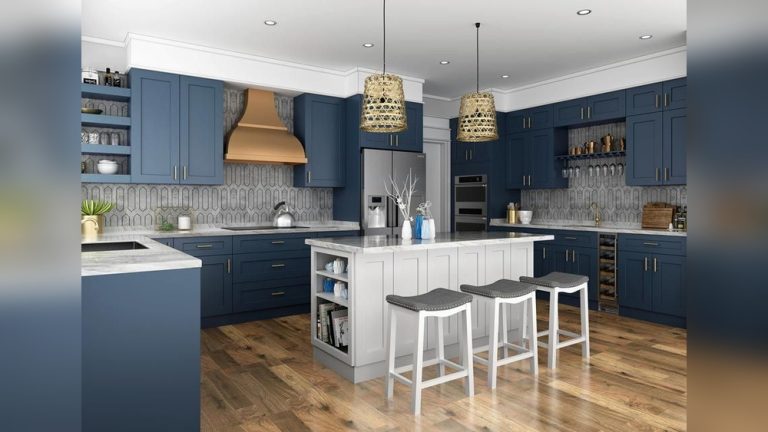
A hybrid layout often balances both approaches. Use upper cabinets where storage pressure is highest, then use shelves where visual access or lightness matters more.
Window flank shelves
Flanking a window with shelves can soften a wall without giving up the whole run to open storage. This works best for a few carefully chosen items, not for the kitchen’s main inventory.
End-of-run display shelves
An end-of-run shelf can finish a cabinet bank without replacing every upper cabinet. That gives you one small display zone while the main storage stays enclosed.
Glass-front upper doors
Glass-front doors can give openness without dust exposure. They are a useful middle ground when you want to lighten a wall but still protect the contents from grease and airborne grime.
Hybrid layouts that avoid storage loss
Keep the most-used and hardest-to-clean items behind doors, then reserve shelves for low-volume display. That keeps the wall functional even when the shelf styling changes later.
Picture a prep wall with upper cabinets on one side and a section of shelves near the window. That split keeps everyday plates close at hand without giving up the enclosed storage needed for mixers, containers, and backup pantry goods.
What is the cheapest way to do upper wall storage in a kitchen?
Simple floating shelves can cost less upfront than upper cabinets, but the full price should include brackets, wall anchoring, finish work, and ongoing upkeep. Cheap shelves that are not properly supported become a weak value, not a bargain.
What changes the real cost
Floating shelves need proper wall anchoring and load-rated brackets. If the wall is not framed for it, you may need extra blocking or more finish work, which reduces the savings.
Upper cabinets cost more in materials and hardware, especially with soft-close hinges, doors, and matching finishes. They also buy back storage capacity, which matters when the alternative is more countertop clutter or added pantry furniture.
When low upfront cost is not low cost
Open shelving can look affordable at install time and still cost more in upkeep. Frequent cleaning, item rearranging, and replacement of visibly dirty or damaged display pieces all add friction over time.
If your goal is the lowest total burden, the question is not only what installs cheaply. It is what stays functional without constant correction.
Choose upper cabinets if… / Choose open shelving if…
Choose upper cabinets if you need maximum storage, cook often, have young children, or want the best protection from dust and grease. Choose open shelving if the wall is low-risk, you keep a small set of daily items, and you want access and openness more than enclosed capacity.
Choose upper cabinets if…
- You cook daily and use the range often.
- You need to store bulk goods, cookware, and small appliances.
- You want lower cleaning effort and hidden clutter.
- You are planning for broad buyer appeal in 2025-2026.
Choose open shelving if…
- The wall is in a prep or coffee zone, not beside the stove.
- You keep only a curated, low-volume set of items there.
- You want a lighter visual break on a window wall.
- You can handle the weekly wipe-downs and item-by-item cleaning.
Frequently asked questions
open shelving vs upper cabinets
Upper cabinets win on storage, dust protection, and hiding clutter. Open shelving wins on quick access and a lighter wall treatment. The better choice depends on where the wall sits in the kitchen, how much you store, and how much cleaning you want to add.
should I choose upper cabinets or open shelves in my kitchen?
Choose upper cabinets if the wall must carry daily dishes, pantry overflow, or cookware. Choose open shelves if the area is a low-grease zone and you want a small, curated display. A hybrid layout is often the safest answer for most kitchens.
are open shelves or upper cabinets better for storage?
Upper cabinets are better for storage because they give more usable cubic inches per linear foot. They also allow tighter stacking and hidden overflow. Open shelves are limited by visible stacking and the need to keep items orderly.
do open shelves get dirtier than upper cabinets?
Yes. Open shelves expose dishes and spices all the time, so dust and grease settle more easily, especially near the stove. Upper cabinets protect contents from those deposits and reduce how often you need to clean the stored items themselves.
what is the cheapest way to do upper wall storage in a kitchen?
Simple floating shelves are often the lowest upfront option, but the full cost should include proper anchoring, load-rated brackets, and finish work. If the shelf area is near cooking or gets heavy use, upkeep can narrow the price gap with upper cabinets.
how do I mix open shelving and upper cabinets?
Use upper cabinets for the high-storage zones and place shelves where the wall is dry, accessible, or broken by a window. Window flank shelves, end-of-run shelves, and glass-front upper doors are the most practical ways to mix both without losing too much storage.
Products related to this article
Sponsored / affiliate links. As an Amazon Associate I earn from qualifying purchases. I may earn additional commission from eligible campaigns.